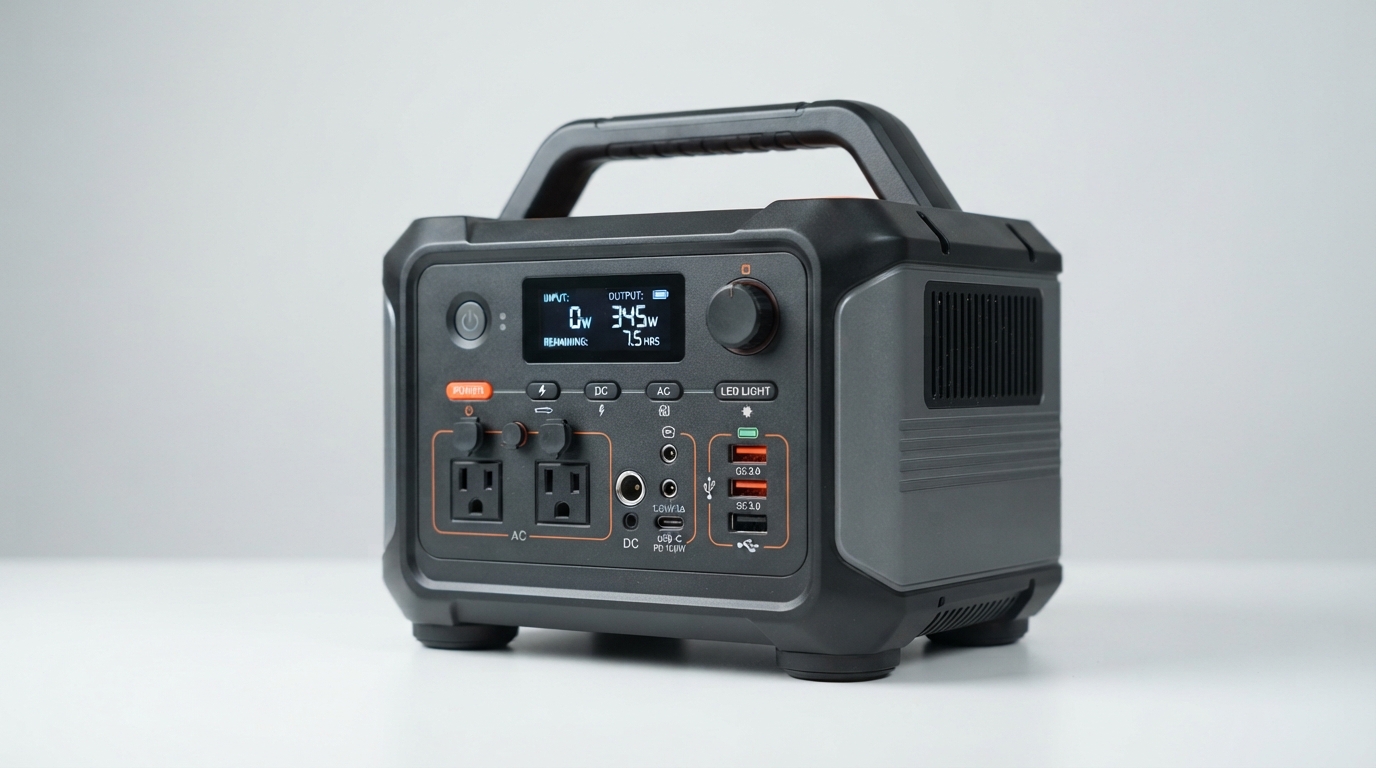
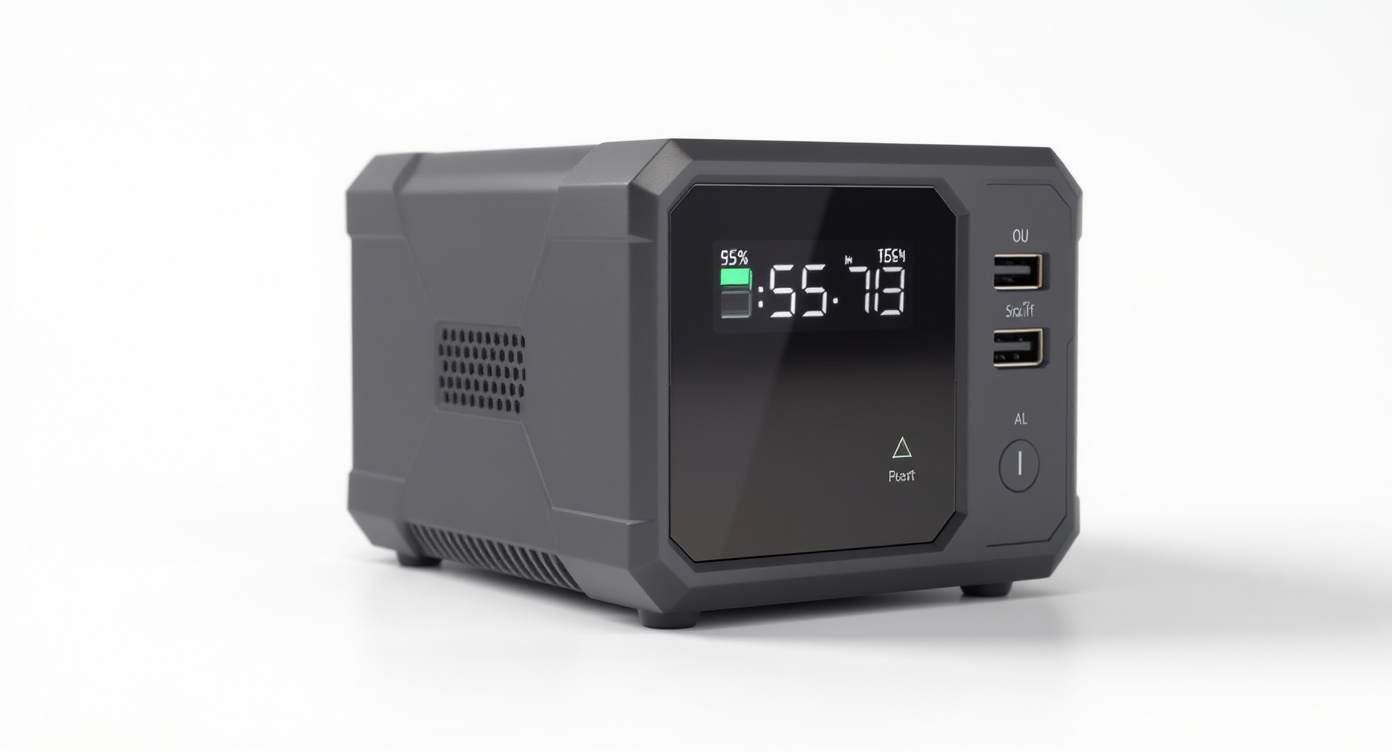
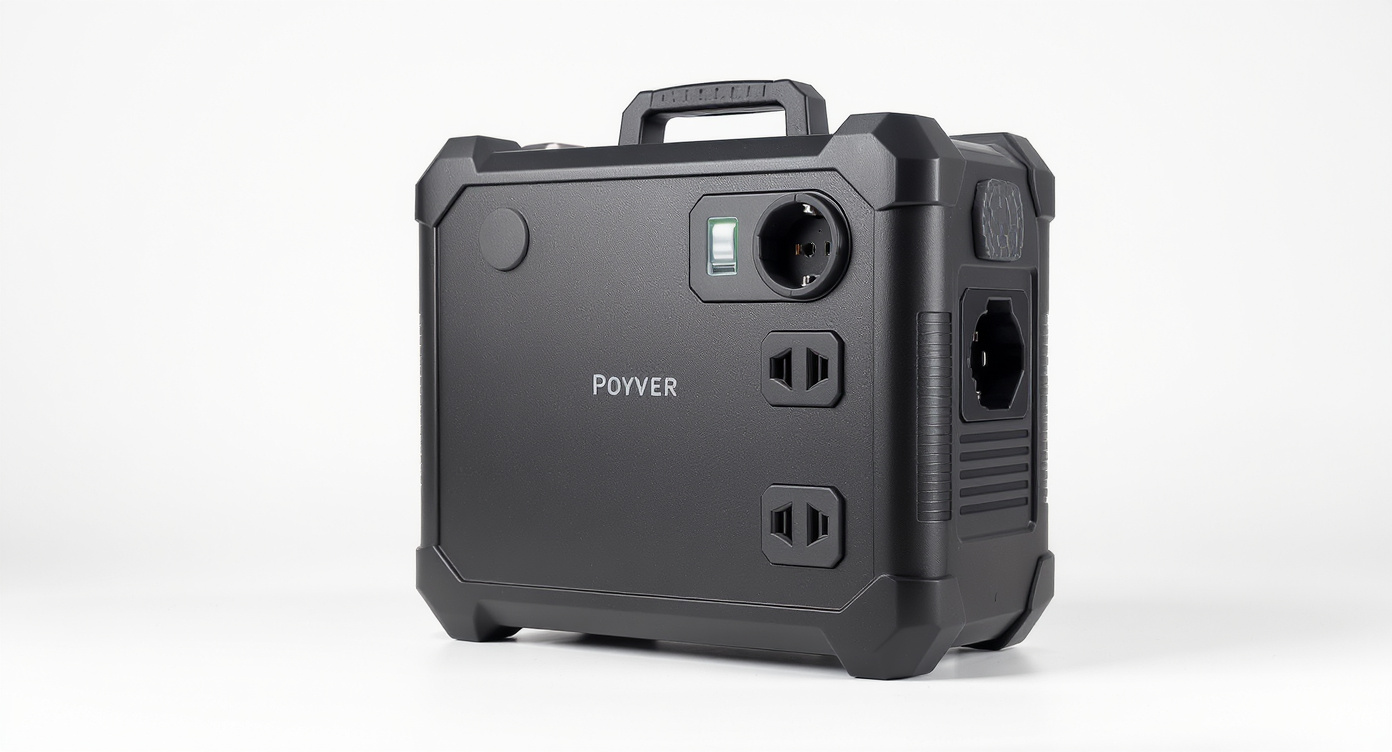
Most people assume a solar generator is just a fancy name for a solar panel. It’s not — and that mix-up leads to a lot of confused shopping decisions. A solar generator is actually a complete portable energy system: solar panels collect sunlight, a charge controller manages the incoming power, a battery stores it, and an inverter (a device that converts stored DC battery power into the AC electricity your appliances actually use) delivers it on demand. The panels alone are just one piece of the puzzle.
So what is a solar generator, really? In plain terms, it’s a rechargeable battery-powered station that uses the sun as its fuel source instead of gasoline or propane. No fumes, no fuel runs, no pull-cord frustration. Whether you’re planning for home backup, weekend camping, or a full off-grid setup, understanding how these systems work — and what they can’t do — is the first step toward making a smart purchase.
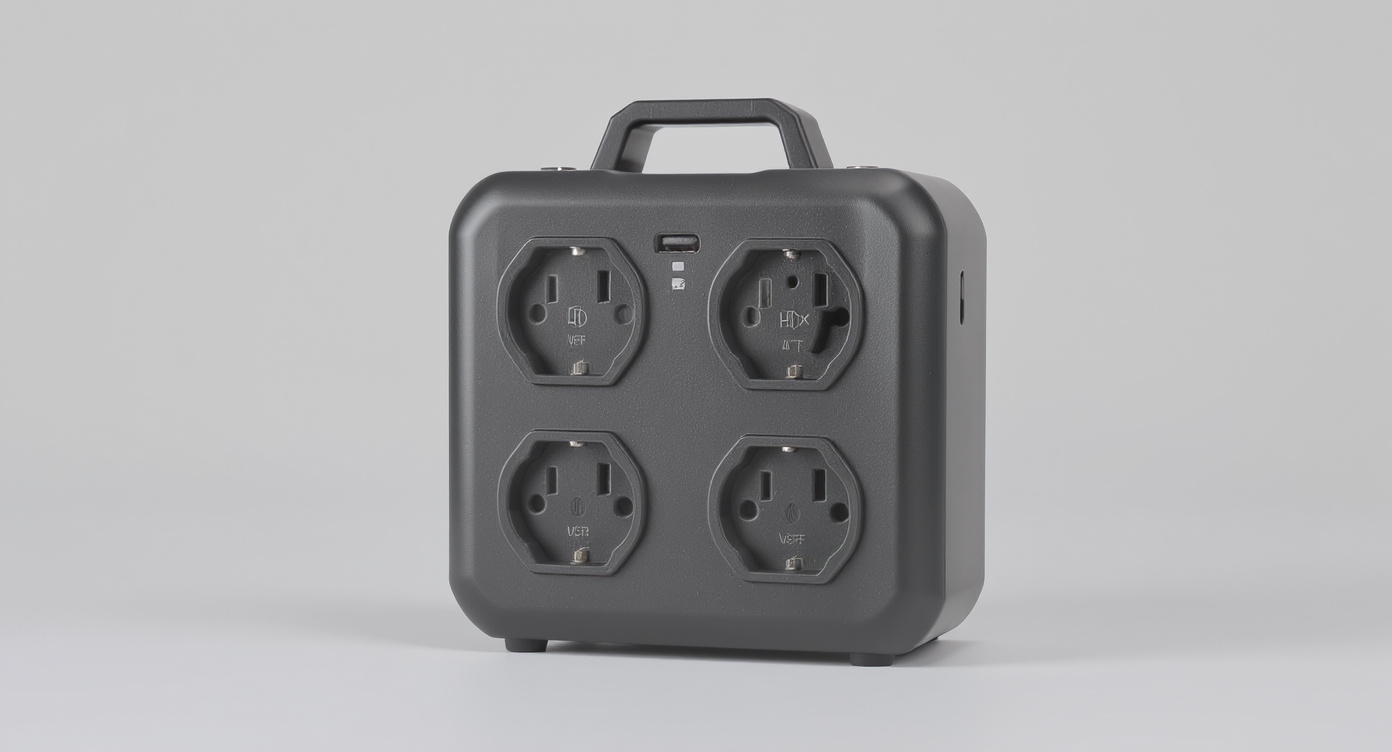
How a Solar Generator Actually Works (Without the Jargon)
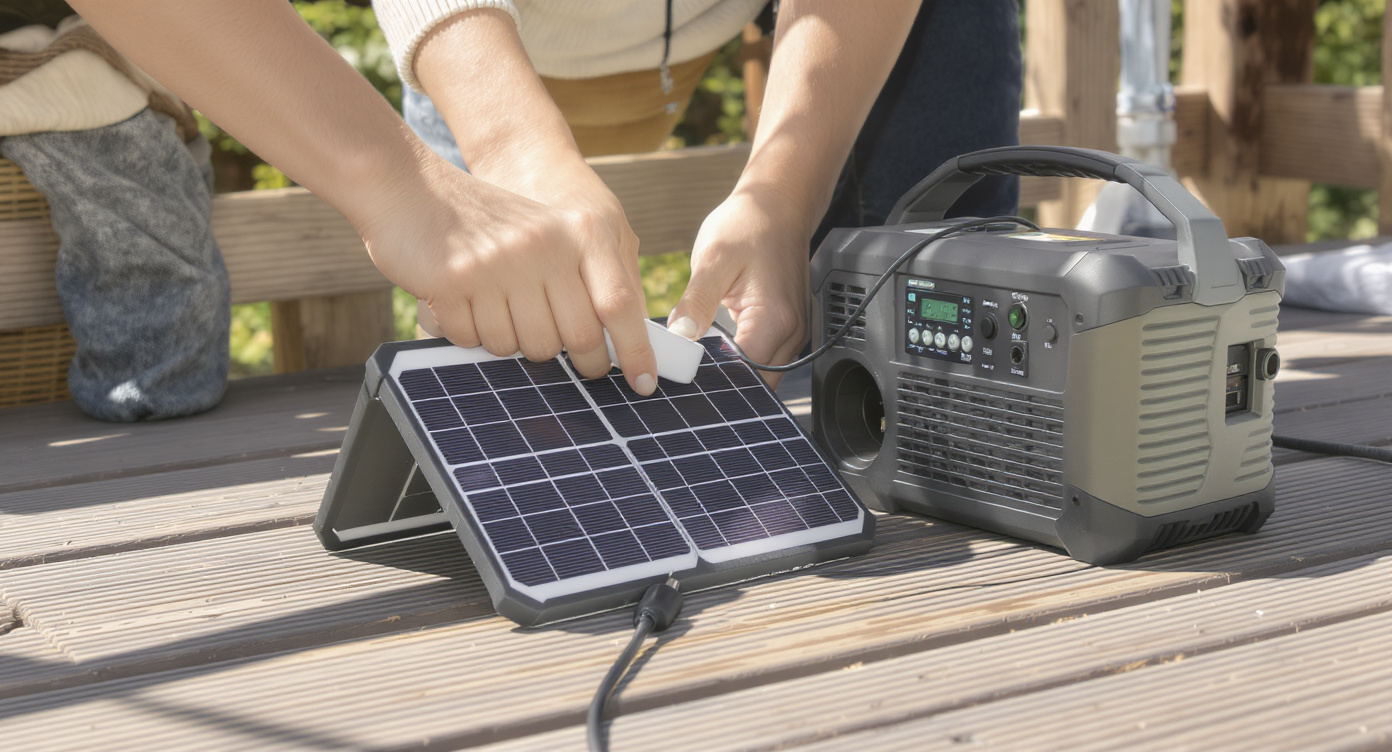
Think of a solar generator like a rechargeable lantern scaled up to appliance size. The solar panels act as the charging cable, the battery pack stores the energy, and the inverter is what makes that stored power usable for everything from a laptop to a refrigerator. Here’s how each component contributes:
- Solar panels: Convert sunlight into DC electricity (direct current — the type batteries store).
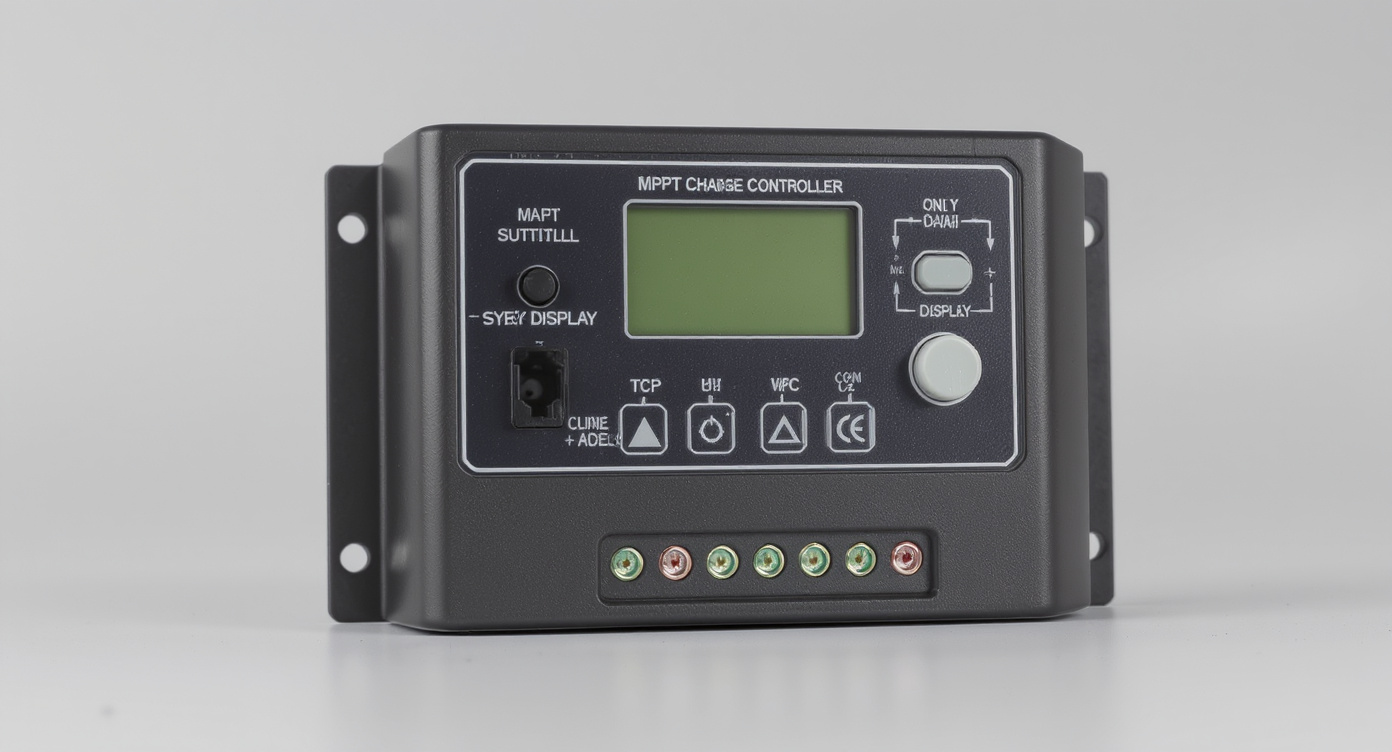
- Charge controller (MPPT or PWM): Regulates voltage and current flowing into the battery to prevent overcharging. MPPT (Maximum Power Point Tracking) controllers are more efficient and worth the upgrade for larger systems.
- Battery bank: Stores the energy. Most modern solar generators use lithium iron phosphate (LiFePO₄) chemistry, which offers longer cycle life and better depth of discharge than older lead-acid designs.
- Inverter: Converts stored DC power into AC power (alternating current — the standard 120V that wall outlets deliver).
- Output ports: AC outlets, USB-A, USB-C, and sometimes 12V car-style ports for versatile device charging.
All of these components are bundled into one box in an all-in-one portable power station, or they can be assembled separately if you want to build a custom solar generator tailored to your exact power needs. The all-in-one approach is easier for beginners; the DIY route gives you more flexibility and often better value at larger capacities.
Key Specs That Actually Matter When You’re Shopping
Solar generator specs can feel overwhelming fast, but most of the decision comes down to three numbers. Here’s what to focus on:
Capacity (Watt-Hours)
Watt-hours (Wh) tell you how much total energy the battery holds — think of it as the “tank size.” A 1,000 Wh battery can theoretically run a 100-watt device for about 10 hours, or a 500-watt device for roughly 2 hours. Real-world efficiency losses (from the inverter, temperature, battery age) typically reduce that by 10–20%, so always build in a buffer. If you’re unsure what size solar generator you need, start by listing every device you want to run and adding up their wattage and daily usage hours.
Continuous Output (Watts)
This is the maximum wattage the inverter can deliver at any given moment. A 2,000W continuous output means you can run devices totaling up to 2,000 watts simultaneously. Many appliances also have a surge wattage (a brief spike when they first start up — motors and compressors are notorious for this), which can be 2–3× the running wattage. Always check the surge rating of your generator against the startup demands of your appliances.
Solar Input (Watts)
This is the maximum solar panel wattage the charge controller can accept. A unit rated for 400W of solar input paired with a 400W panel array will recharge much faster than the same unit paired with a single 100W panel. Recharge time matters a lot in extended outages — check out the fastest charging solar generator options if quick recovery time is a priority for you.
Solar Generator vs. Gas Generator: The Real Tradeoffs
This is the comparison most buyers eventually land on, and it deserves an honest answer rather than a sales pitch. When you stack up a solar vs. gas generator, neither wins outright — they’re genuinely different tools optimized for different jobs.
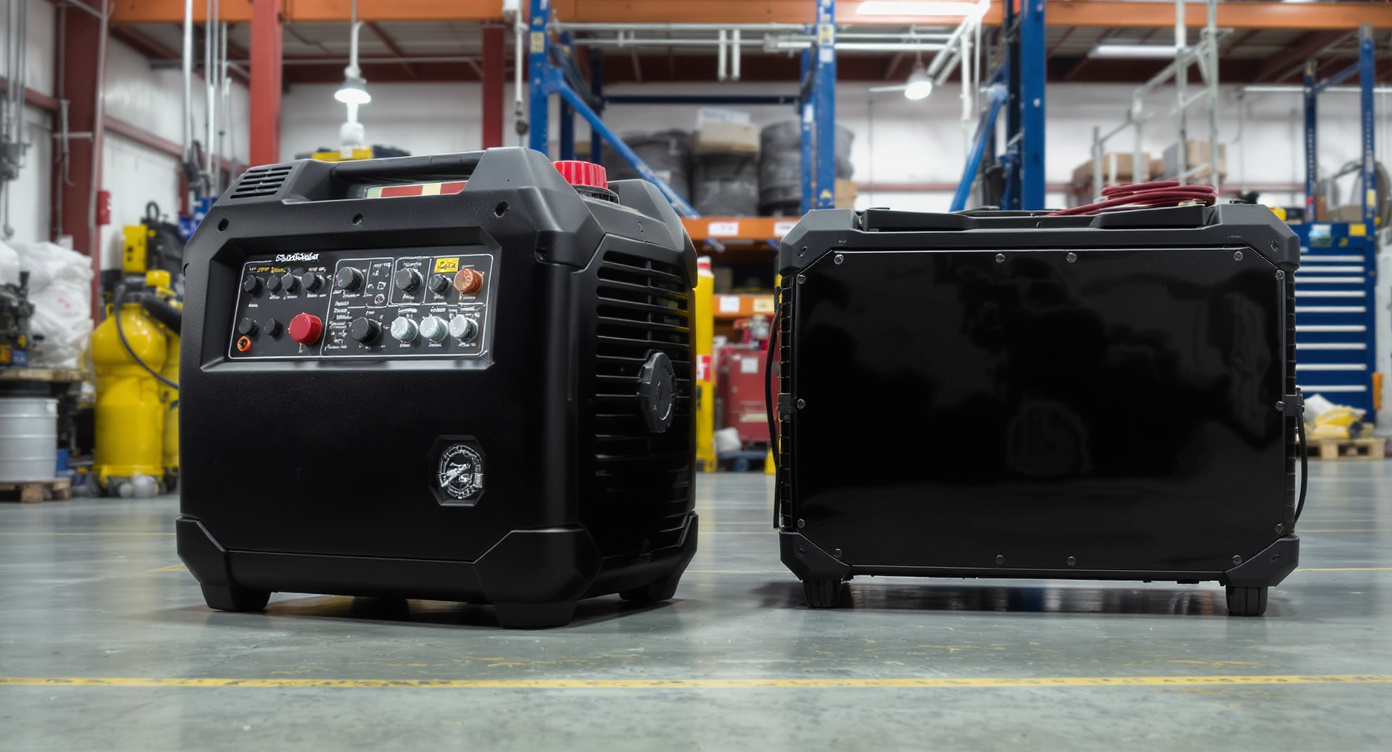
- Solar generators: Silent, zero emissions, low maintenance, safe indoors, and “free” fuel once you own the panels. But they’re limited by sunlight availability and battery capacity — you can’t just add more fuel when the tank runs low.
- Gas generators: High output on demand, refuelable quickly, and capable of running indefinitely as long as you have fuel. But they’re loud, require ventilation (carbon monoxide risk), need regular maintenance, and fuel costs add up fast.
For a deeper look at how these two technologies stack up across cost, noise, runtime, and long-term value, the full solar vs. generator comparison breaks it down scenario by scenario. The short version: solar generators excel at quiet, clean, daily-use and light backup applications; gas generators win when you need sustained high wattage for days on end.
What Can a Solar Generator Actually Power?
This is the question that separates realistic expectations from marketing hype. The honest answer is: it depends entirely on the generator’s capacity and output rating.
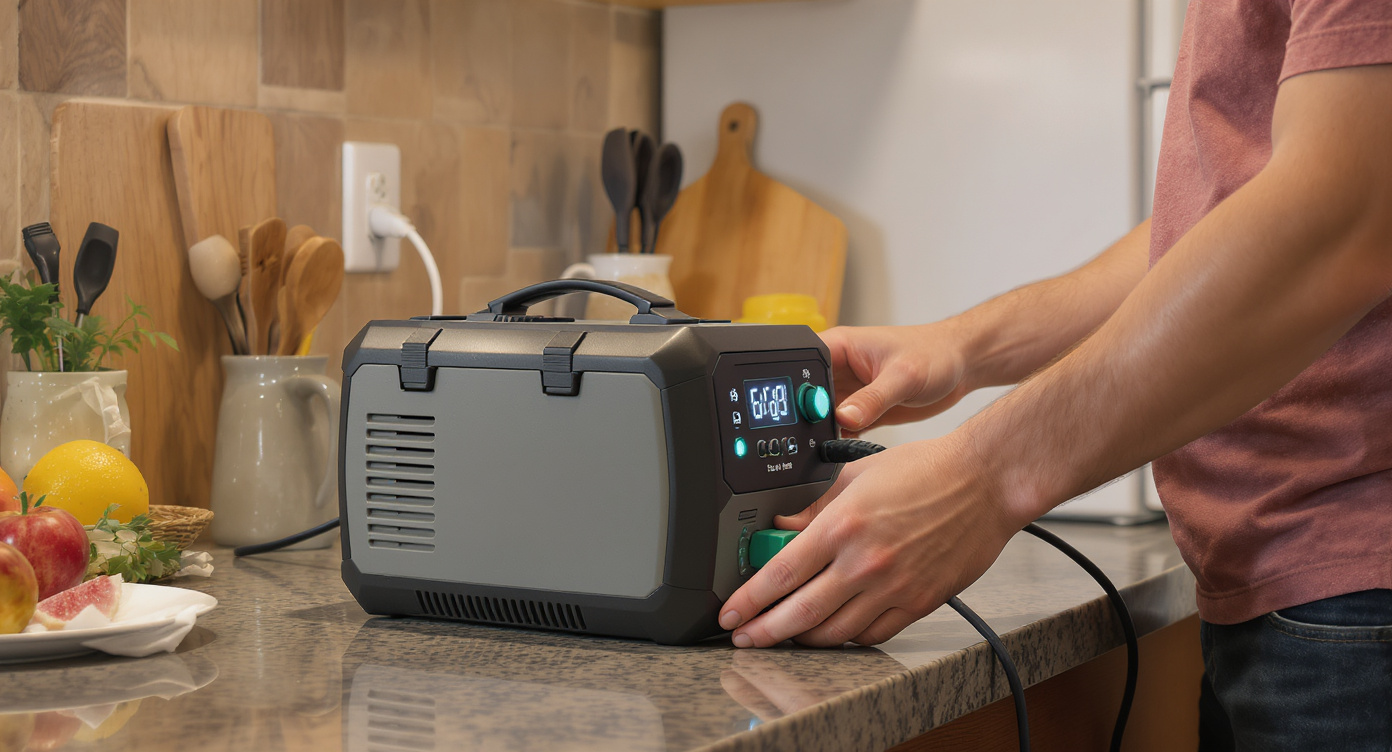
A compact 300–500 Wh unit handles phones, laptops, tablets, LED lighting, a CPAP machine, and small fans comfortably. Step up to 1,000–2,000 Wh and you can run a full-size refrigerator for a day, power a TV and entertainment setup, or keep a home office running through an outage. At 3,000 Wh and above, more demanding loads become realistic — though there are still meaningful limits.
Two appliances trip people up more than any others:
- Space heaters: Most draw 1,500 watts continuously — that’s a heavy load. A 1,000 Wh battery would be drained in under an hour. It’s possible, but you’ll want to understand the math first. The full breakdown is in our article on whether a solar generator can power a space heater.
- Air conditioners: Window units typically draw 500–1,500 watts and have significant startup surges. Portable ACs are more manageable but still demanding. See our dedicated guide on solar generators and air conditioners for what’s actually feasible.
And if you’re wondering whether a solar generator can carry an entire household — that’s a bigger conversation. The answer is nuanced, and it depends heavily on your home’s energy profile. Our article on whether a solar generator can power a house walks through what’s realistically possible.
Honest Pros & Cons of Solar Generators
No technology is perfect, and solar generators are no exception. Here’s a balanced look before you commit:
Pros
- Silent operation — no engine noise
- Zero emissions; safe to use indoors
- Minimal maintenance (no oil changes, no carburetors)
- Fuel is free after initial investment
- Portable and easy to deploy
- Can integrate with existing solar panel systems
Cons
- Higher upfront cost compared to equivalent gas generators
- Limited by battery capacity — once it’s depleted, recharge takes time
- Recharge rate depends on sunlight (overcast days slow things down significantly)
- Not ideal for sustained high-wattage loads (power tools, HVAC systems, electric stoves)
- Battery capacity degrades over time, though LiFePO₄ cells are significantly more durable than older chemistries
Insider tip: If you already have rooftop solar panels installed, you may not need to buy a separate solar generator at all. A battery storage system connected to your existing array can serve the same purpose — often more efficiently. Our guide on whether you need a generator if you have solar panels explains when a standalone generator still makes sense alongside a rooftop system.
How Much Does a Solar Generator Cost?
Pricing spans a wide range, and it scales roughly with capacity. Small units (under 500 Wh) typically start around $200–$400. Mid-range systems (1,000–2,000 Wh) generally run $700–$1,500. High-capacity units (3,000 Wh and above) can reach $2,000–$5,000 or more, especially with expandable battery options. For a full breakdown of what drives pricing and where you can save, our article on solar generator costs covers the full spectrum.
One thing worth knowing: the cost-per-watt-hour tends to drop as you move up in capacity. Buying a larger unit you’ll grow into is often better value than upgrading later.
Top Solar Generator Picks Worth Considering
EcoFlow DELTA 2 — EcoFlow
Capacity: 1,024 Wh | Output: 1,800W continuous (2,700W surge) | Solar input: up to 500W
A well-rounded mid-range unit with fast solar recharge, LiFePO₄ battery chemistry rated for 3,000+ cycles, and an expandable capacity option. Strong choice for home backup and extended camping trips where you want genuine appliance-level power without the bulk of a gas unit.
Jackery Explorer 2000 Plus — Jackery
Capacity: 2,042 Wh (expandable to 12 kWh) | Output: 3,000W continuous | Solar input: up to 1,200W
One of the more scalable portable power stations on the market. The high solar input rating means faster recharge in good sunlight, and the expandable battery system makes it a serious contender for semi-permanent off-grid setups or whole-home essential circuit backup.
Bluetti AC200MAX — Bluetti
Capacity: 2,048 Wh (expandable) | Output: 2,200W continuous | Solar input: up to 900W
Bluetti’s AC200MAX earns its reputation for versatility — dual charging inputs (solar + AC simultaneously), a wide range of output ports, and solid LiFePO₄ longevity. A dependable option for users who want a unit that can grow with their energy needs over time.
Goal Zero Yeti 500X — Goal Zero
Capacity: 505 Wh | Output: 300W continuous | Solar input: up to 120W
A compact, well-built entry point for campers and light users. Not designed for heavy appliances, but excellent for phones, cameras, laptops, lighting, and small fans. Goal Zero’s ecosystem of compatible panels and accessories makes it easy to expand incrementally.
Anker SOLIX F3800 — Anker
Capacity: 3,840 Wh (expandable to 26.9 kWh) | Output: 6,000W continuous | Solar input: up to 2,400W
For users who need serious whole-home backup capability from a portable system, the F3800 is one of the most powerful consumer-grade options available. It supports whole-home backup via a transfer switch and can accept enough solar input to genuinely sustain a household through multi-day outages.
Frequently Asked Questions About Solar Generators
Can I connect a solar generator to my home’s electrical panel?
Yes, but it requires a transfer switch (a safety device that disconnects your home from the grid before connecting the generator, preventing dangerous back-feed). Some higher-capacity units support this directly. Our guide on connecting a generator to a solar system explains the setup options and what to discuss with an electrician.
How long do solar generators last?
The lifespan depends primarily on the battery chemistry. LiFePO₄ batteries — the standard in quality modern units — are typically rated for 2,000–3,500 charge cycles before dropping to 80% capacity. At one full cycle per day, that’s 5–10 years of daily use. Solar panels themselves often outlast the battery by a decade or more, since they have no moving parts. For more detail, see our full article on how long solar generators last.
Can I charge a solar generator while using it?
Yes — this is called pass-through charging, and most modern units support it. You can charge via solar panels while simultaneously drawing power from the unit. Just be aware that heavy simultaneous discharge and charge can generate heat; in very hot environments, it’s worth monitoring the unit’s temperature.
Do solar generators work on cloudy days?
They do, but at reduced efficiency. Solar panels still generate power under overcast skies — typically 10–25% of their rated output depending on cloud density. For extended cloudy periods, most solar generators also support AC wall charging or car charging as a backup recharge method, which is worth factoring into your planning.
Is a solar generator worth it if I’m not going off-grid?
Absolutely. Many owners use solar generators primarily as home backup for essential circuits, or as a clean power source for outdoor cooking, garage workshops, or home offices. You don’t need to be living off-grid to get real, daily value from one.
Putting It All Together: Your Next Step
A solar generator is one of the most versatile energy tools available to homeowners, campers, and off-grid builders alike — but it’s not a magic box that does everything. The key is matching the right capacity and output to the actual loads you need to run, understanding the recharge math, and being realistic about what solar can and can’t sustain.
Start by making a simple list of the devices you’d want to power and their wattages. That single exercise will tell you more about what size system you need than any spec sheet. From there, compare a few units in your target capacity range, check the solar input rating (faster recharge is almost always worth prioritizing), and confirm the battery chemistry is LiFePO₄ for long-term durability.
The solar generator market has matured significantly — quality has gone up and prices have come down. There’s genuinely a good option at almost every budget level. Browse the Solarasphere guides linked throughout this article to dig deeper into any specific question, and you’ll be well-equipped to make a confident, well-informed purchase.