You’re about to spend several hundred — maybe several thousand — dollars on a solar generator, and one question keeps nagging at you: how long do solar generators last? It’s a completely fair thing to wonder. Unlike a gas generator where you can swap a carburetor or replace a fuel line, a solar generator’s lifespan is tied to chemistry, cycles, and a handful of habits you either build or ignore. The good news? With the right expectations and a little care, a quality solar generator can serve you reliably for a decade or more.
This guide walks you through everything a first-time buyer needs to know — from what actually determines lifespan, to which components wear out first, to the daily habits that either extend or quietly shorten the life of your investment.
The Quick Answer: What Lifespan Can You Actually Expect?
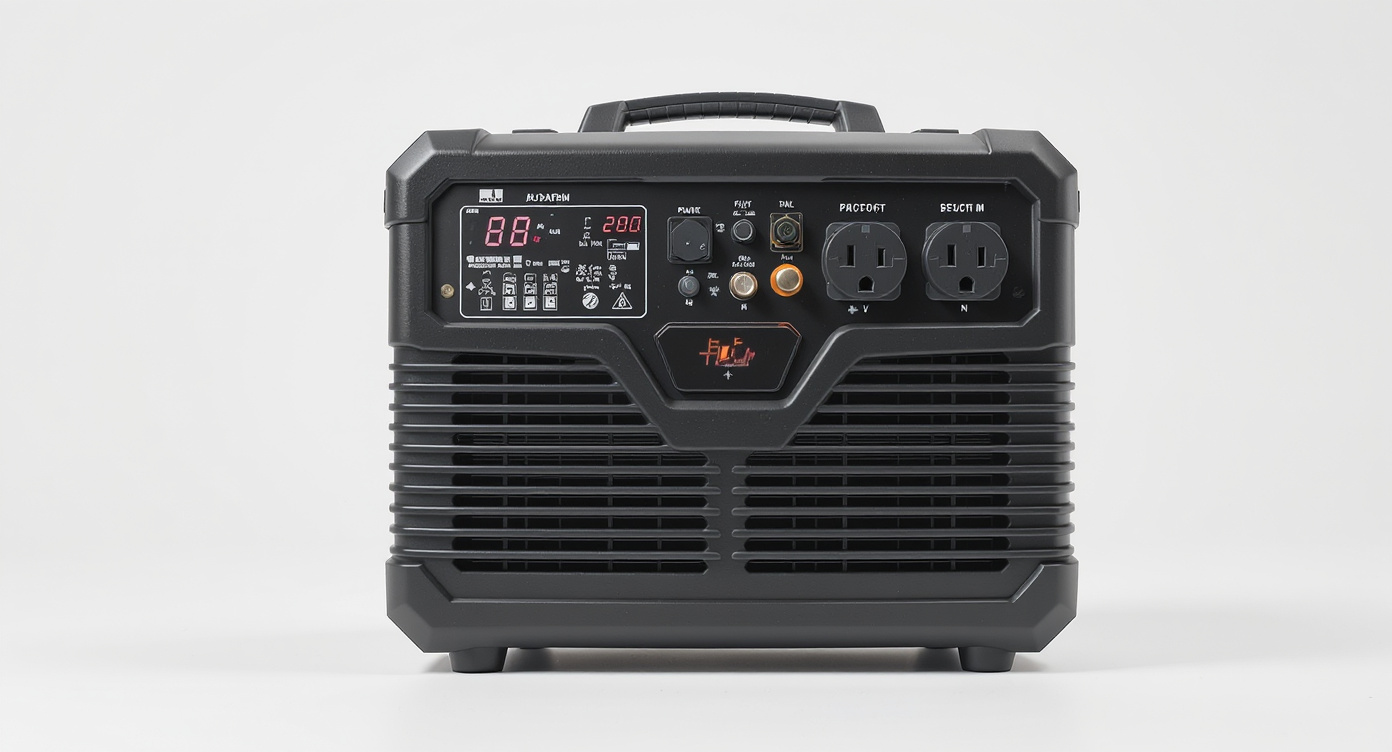
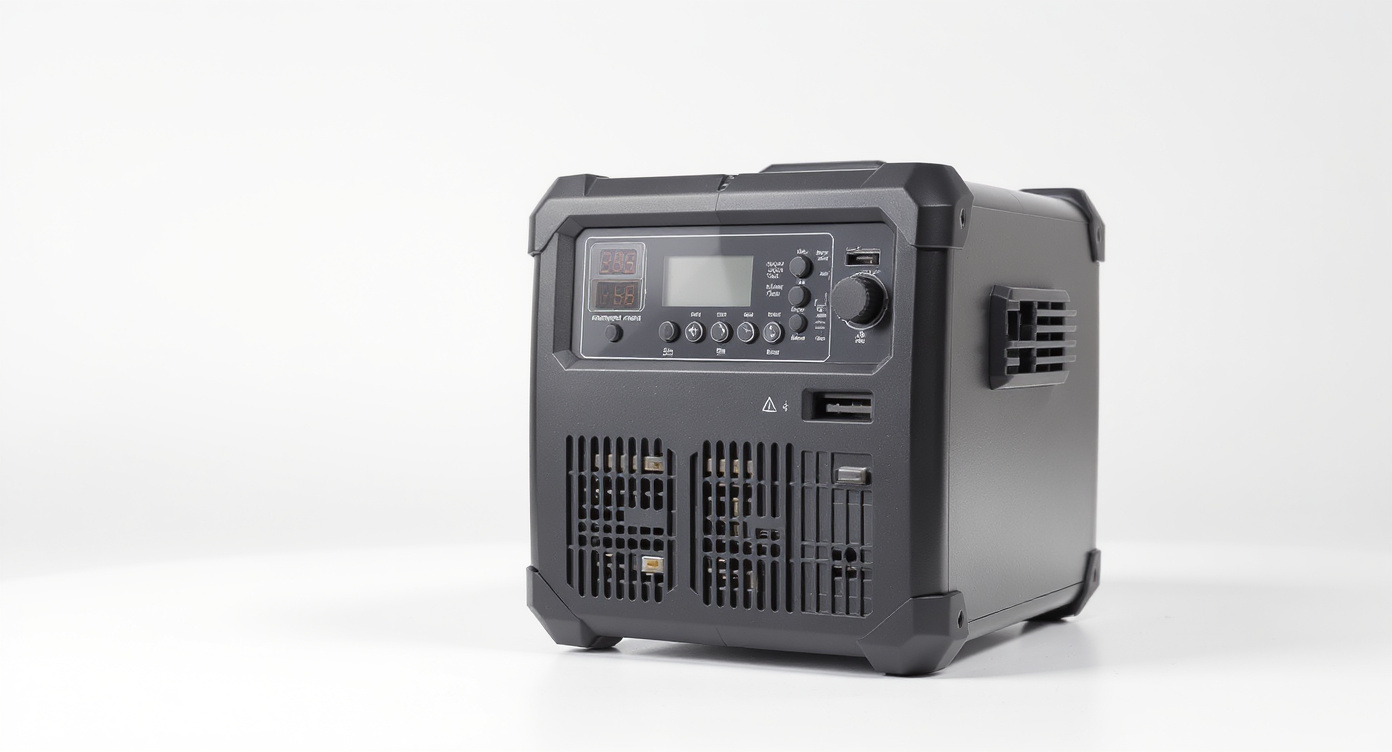
A solar generator has two main components with different lifespans: the battery and the solar panels. Here’s a snapshot:
- Lithium iron phosphate (LiFePO4) batteries: 2,000–5,000+ charge cycles before capacity degrades to ~80%. At one cycle per day, that’s roughly 5–15 years.
- Standard lithium-ion (NMC) batteries: 500–1,000 cycles, typically 2–5 years of heavy use.
- Solar panels: 20–30 years, with most manufacturers guaranteeing 80% output at year 25.
- Inverter and electronics: 10–15 years under normal use, though heat and moisture can shorten this.
In plain terms: the battery is your solar generator’s clock. Everything else will likely outlast it.

What Is a “Charge Cycle” and Why Does It Define Your Battery’s Life?
Think of a charge cycle the way a chef thinks about a cast-iron skillet — each use adds a little seasoning but also a little wear. One full charge cycle means draining the battery from 100% to 0% and charging it back up. In practice, most people do partial cycles (say, 80% down to 30%), and manufacturers count those partial cycles as fractions of a full cycle.
The number of cycles a battery can complete before its capacity drops below 80% of its original rating is called its cycle life. Once a battery hits that threshold, it doesn’t die — it just holds less charge. A 1,000Wh battery that’s completed 2,000 LiFePO4 cycles might now only store 800Wh. It keeps working; it just runs your devices for a shorter stretch per charge.
This is why battery chemistry matters so much when you’re comparing models. If you’re researching what a solar generator actually is, you’ll notice that premium units almost always highlight LiFePO4 chemistry as a key selling point — and now you know exactly why.
LiFePO4 vs. NMC: The Chemistry Decision That Shapes Everything
Most solar generators on the market use one of two lithium battery chemistries. The difference between them is significant enough that it should influence your buying decision more than brand name alone.
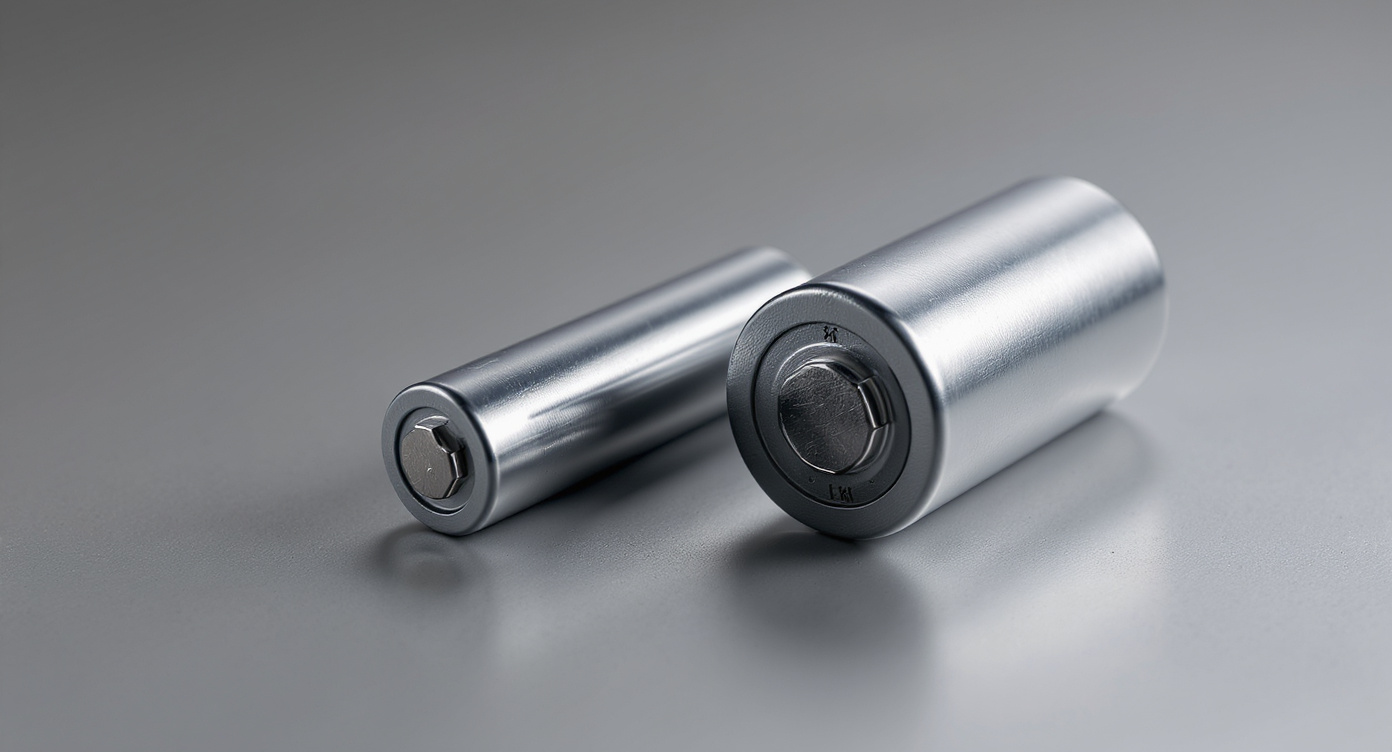
NMC (Nickel Manganese Cobalt) batteries are energy-dense, meaning manufacturers can pack more watt-hours (Wh — the measure of how much total energy a battery stores) into a lighter, smaller package. They’re common in budget-to-mid-range units. The trade-off is a lower cycle count — typically 500 to 1,000 full cycles — and slightly more sensitivity to heat and deep discharges.
LiFePO4 (Lithium Iron Phosphate) batteries are heavier for the same capacity, but they’re dramatically more durable. Rated cycle counts of 2,000 to 5,000+ are standard, and they handle heat, cold, and partial charging far more gracefully. If you’re trying to figure out how much a solar generator costs and wondering why two units with the same capacity have a $500 price gap, battery chemistry is usually the answer.
So which do you need? If you’re using your solar generator occasionally — camping a few weekends a year, or keeping it as an emergency backup — NMC is probably fine. If you’re relying on it daily for off-grid living or as a primary home backup, LiFePO4 pays for itself over time.
How the Solar Panels Themselves Age
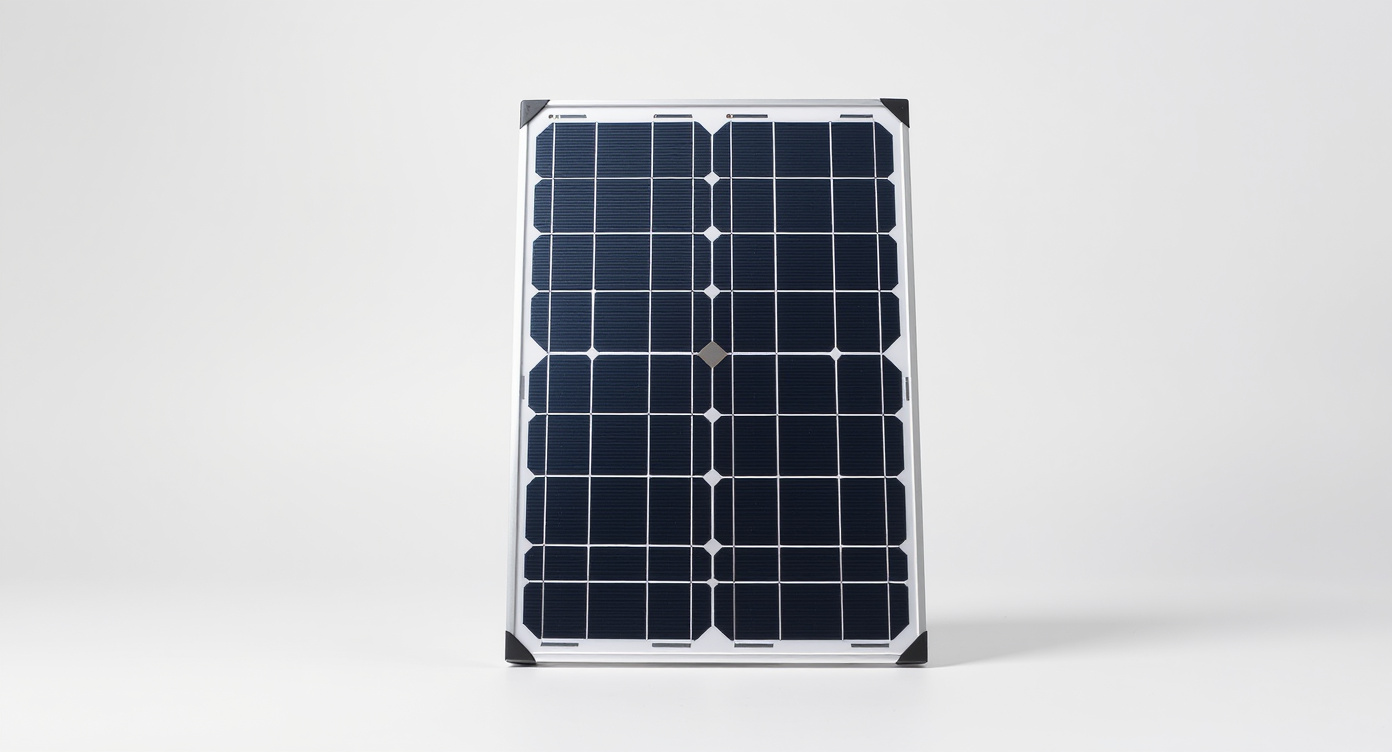
Here’s something most buyers don’t think about until after purchase: the panels that charge your generator will almost certainly outlast the battery by a decade or more. Modern monocrystalline solar panels (the high-efficiency type used in most quality portable kits) degrade at roughly 0.5% per year. After 25 years, they’re still producing about 87–88% of their original rated output.
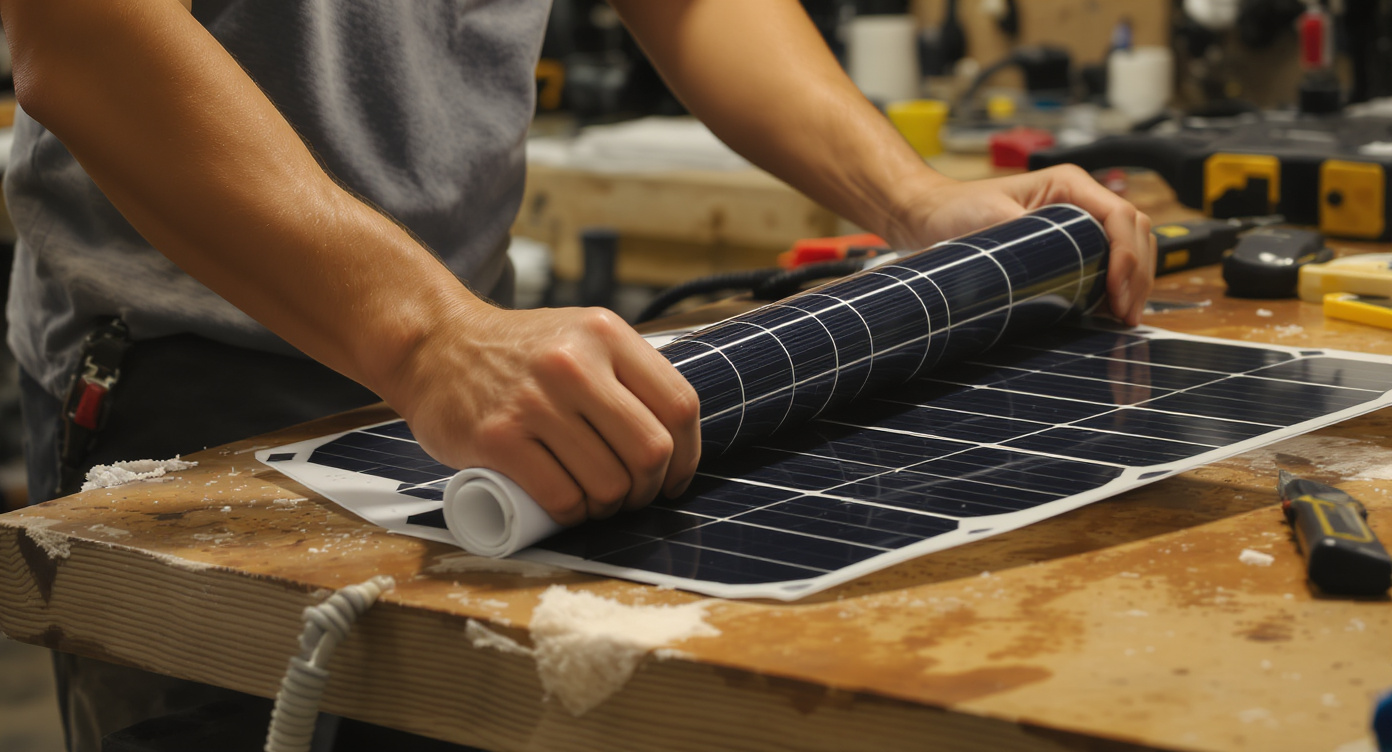
What actually damages panels faster than normal degradation? Physical impact (hail, dropped objects), prolonged exposure to salt air or industrial pollution, and — most commonly for portable panels — repeated folding and unfolding of flexible or foldable models. The internal micro-cells in a rigid panel are sealed under tempered glass; the cells in a foldable panel are protected by a fabric or ETFE (ethylene tetrafluoroethylene, a durable plastic coating) layer that can crack or delaminate over years of use.
Insider Tip: When storing foldable solar panels long-term, roll them loosely rather than folding them flat. Repeated sharp creases along the same fold lines stress the laminate and can eventually crack the cells underneath — damage that won’t be visible but will show up as reduced output.
The Components That Quietly Wear Out First
Beyond the battery and panels, a solar generator contains several other components, each with its own lifespan clock:
- Inverter (the device that converts stored DC battery power into AC power for your appliances): Typically rated for 10–15 years. Heat is its main enemy — units without adequate ventilation degrade faster.
- Charge controller (the circuit that regulates how solar energy flows into the battery to prevent overcharging): Usually lasts as long as the unit itself, 10+ years, unless exposed to moisture or sustained overloads.
- Ports and connectors (USB-A, USB-C, AC outlets, DC barrel jacks): These see the most mechanical wear. A USB-C port rated for 10,000 insertions sounds like a lot until you’re plugging in a phone twice a day. Buy a short extension cable and plug into that instead — it takes the wear so the port doesn’t have to.
- Cooling fans: Some larger units use internal fans to manage heat. Dust accumulation is the main failure point; keep vents clear.
If you’re thinking about building your own solar generator rather than buying a pre-built unit, understanding these individual components helps you choose parts with matching lifespans — there’s no point pairing a 5,000-cycle LiFePO4 battery with a cheap inverter rated for 3 years.
Habits That Extend (or Shorten) Your Solar Generator’s Life
This is where most lifespan guides stop at vague advice like “don’t overcharge it.” Let’s be more specific.
Storage State of Charge Matters More Than You Think
Storing a lithium battery at either extreme — fully charged at 100% or fully depleted at 0% — accelerates degradation. The sweet spot for long-term storage is 40–60% charge. If your solar generator sits in a closet from October to April, charge it to around 50% before storing it, and top it up every 2–3 months. Most modern units have a “storage mode” that handles this automatically.
Temperature Is the Silent Killer
Lithium batteries lose capacity faster when charged or discharged in extreme temperatures. Charging in sub-freezing temperatures is particularly damaging — many quality units have low-temperature charge protection that pauses charging below 32°F (0°C) for this reason. On the heat side, avoid leaving your unit in a closed car in summer or running it in direct sunlight without ventilation. Ambient temperatures above 95°F (35°C) during operation noticeably accelerate battery aging.
Avoid Consistent Deep Discharges
Regularly draining your battery below 10–15% strains it more than keeping it in the 20–80% range. This is sometimes called “shallow cycling,” and it’s one of the most effective ways to extend your cycle life. You might get 20–30% more total cycles out of your battery just by avoiding that last 15% of discharge.
Does this mean you need to obsess over every percentage point? No — but if you’re using your unit daily, it’s worth setting a low-battery alert and plugging in before you hit single digits.
Sizing Your Solar Generator for Longevity
Here’s something counterintuitive: an undersized solar generator actually wears out faster. When a unit is constantly running at or near its maximum output, the inverter and battery both run hotter and work harder. A generator that’s rated for 2,000W but regularly drives loads of 1,800W will age faster than one rated for 3,000W doing the same job.
Understanding what size solar generator you need isn’t just about whether it can power your devices today — it’s about whether it can do so without running at the edge of its limits every single time. Buying one capacity tier up from your calculated needs is one of the most underrated longevity decisions you can make.
This also connects to questions like whether a solar generator can power a house — because a unit that’s undersized for your home’s load will cycle harder, heat up more, and wear out faster than one that’s comfortably handling the demand.
Solar Generator vs. Gas Generator: A Lifespan Comparison
When people compare solar vs. gas generators, they often focus on fuel costs and noise. But lifespan is a genuinely interesting comparison point.
A quality gas generator, well-maintained with regular oil changes, fresh fuel, and carburetor care, can last 10,000–20,000 hours of runtime. That sounds impressive — but “well-maintained” is doing a lot of work in that sentence. Gas generators require consistent attention: fresh fuel (or fuel stabilizer for storage), oil changes every 50–100 hours of use, air filter cleaning, spark plug replacements. Neglect any of these and lifespan drops sharply.
A solar generator, by contrast, has no oil to change, no fuel to stabilize, no spark plugs to replace. Its maintenance needs are minimal. The battery will eventually need replacement (a service most manufacturers support, though it’s not cheap), but the day-to-day ownership experience is nearly zero-maintenance. For many buyers — especially those who want reliable backup power without ongoing mechanical upkeep — that’s a significant quality-of-life advantage.
Top Solar Generators Built to Last: Our Picks for Durability
EcoFlow DELTA Pro
Brand: EcoFlow
Key Specs: 3,600Wh LiFePO4 capacity | 3,600W AC output | 3,500+ cycle life | expandable to 25kWh
Why it fits: LiFePO4 chemistry and a 3,500-cycle rating make this one of the longest-lasting portable power stations available. The expandable battery ecosystem means you can upgrade capacity without replacing the unit.
Jackery Explorer 2000 Plus
Brand: Jackery
Key Specs: 2,042Wh LiFePO4 | 3,000W output | 4,000+ cycle life | modular battery expansion
Why it fits: Jackery’s shift to LiFePO4 in the Plus series significantly extends lifespan over earlier NMC models. The 4,000-cycle rating is among the best in its class, making it ideal for daily-use scenarios.
Bluetti AC200MAX
Brand: Bluetti
Key Specs: 2,048Wh LiFePO4 | 2,200W output | 3,500+ cycle life | dual AC charging + solar input
Why it fits: Bluetti’s LiFePO4 pack and robust thermal management make this a strong long-term investment. The dual-input charging (solar + AC simultaneously) means faster recharge cycles and less time at low charge states — both of which protect battery longevity.
Anker SOLIX F2000
Brand: Anker
Key Specs: 2,048Wh LiFePO4 | 2,400W output | 3,000+ cycle life | intelligent BMS (Battery Management System)
Why it fits: Anker’s advanced BMS actively monitors cell temperature and charge state to optimize each cycle — a hardware-level approach to longevity that complements good user habits.
Frequently Asked Questions
Can I replace the battery in my solar generator when it wears out?
Some manufacturers — particularly EcoFlow and Bluetti — offer replacement battery packs or modular upgrade paths for their flagship models. Budget units typically don’t support battery replacement, meaning the whole unit is effectively disposable. If longevity is a priority, check the manufacturer’s battery replacement policy before you buy.
Does leaving my solar generator plugged in constantly damage the battery?
Most modern units have a Battery Management System (BMS) that stops charging once the battery is full and manages trickle charging intelligently. However, keeping any lithium battery at 100% state of charge for extended periods does cause slow capacity loss. If your unit supports a “storage mode” or “eco mode” that holds charge at 80%, use it for long-term plug-in situations.
How does recharge speed affect battery lifespan?
Faster charging generates more heat, which accelerates battery aging. This is the trade-off with the fastest-charging solar generators — they’re incredibly convenient, but consistently using maximum charge rates can modestly reduce cycle life compared to slower charging. For occasional fast charging, the impact is negligible. For daily fast charging, it’s worth considering.
Do solar generators work well in cold climates?
They work, but with caveats. Lithium batteries lose effective capacity in cold temperatures — a battery rated for 2,000Wh might only deliver 1,600Wh at 14°F (-10°C). LiFePO4 handles cold better than NMC. Most units also pause charging below freezing to protect the cells. Keeping the unit indoors when not in active use is the simplest cold-weather strategy.
Is it worth connecting my solar generator to my home’s electrical system?
For whole-home backup, you’d typically need a transfer switch and a larger capacity unit. Learning how to hook up a generator to a solar system properly is important — incorrect connections can damage both the generator and your home wiring. For most households, a solar generator works best powering essential circuits or individual appliances rather than the whole panel.
Can a solar generator run high-draw appliances without shortening its life?
Running appliances like space heaters or air conditioners is possible on larger units, but it does accelerate wear if done regularly. Check out whether a solar generator can power a space heater or handle an air conditioner for your specific use case before committing to daily high-draw use.
Pros and Cons: Solar Generator Lifespan at a Glance
- Pro: LiFePO4 batteries offer genuinely impressive cycle life — 10+ years of daily use is realistic.
- Pro: Solar panels last 20–30 years with minimal degradation.
- Pro: No mechanical components to maintain — no oil, no fuel, no spark plugs.
- Con: Battery replacement can be expensive, and not all models support it.
- Con: NMC batteries in budget units may only last 2–4 years under heavy use.
- Con: Extreme temperatures — both hot and cold — accelerate battery aging.
- Con: Consistent heavy loads (near maximum output) wear out inverters and batteries faster.
Conclusion: Getting the Most Years Out of Your Solar Generator
So, how long do solar generators last? The honest answer is: it depends on the battery chemistry you choose, how you use it, and whether you follow a handful of simple habits. A LiFePO4 unit used thoughtfully — stored at partial charge, kept out of extreme heat, and sized appropriately for your loads — can realistically serve you for a decade or more. An NMC budget unit used hard and stored carelessly might be struggling at year three.
The most important decision you’ll make is choosing the right battery chemistry for your use case. After that, the habits covered in this guide — shallow cycling, temperature management, proper storage charge — are the difference between a generator that’s still going strong at year eight and one that’s lost 40% of its capacity by year four.
Ready to go deeper? Explore how solar generators compare to conventional generators overall, or check out whether having solar panels means you still need a generator for backup. And if you’re just getting started, our guide on what a solar generator is covers the fundamentals before you commit to any purchase.