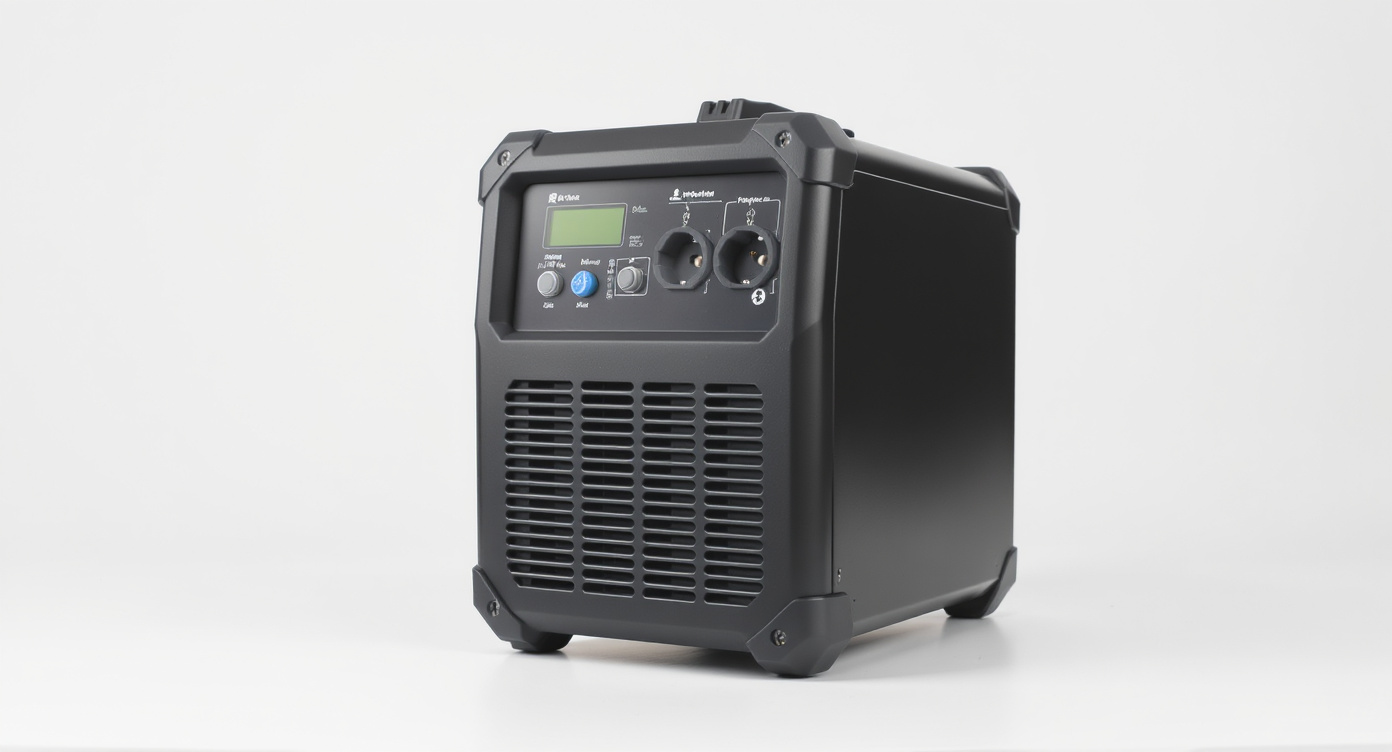
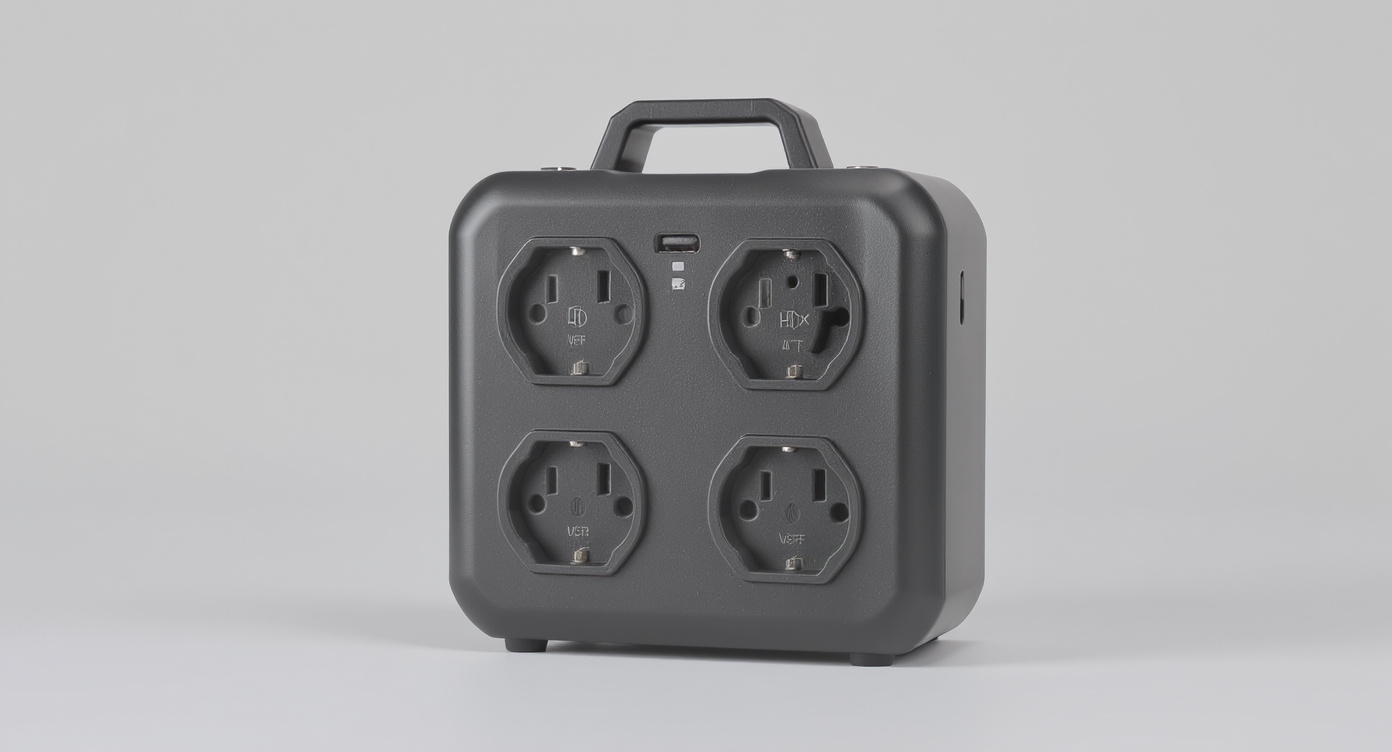
You’ve decided a solar generator makes sense for your life — maybe for camping trips, home backup, or an off-grid cabin setup. But then you hit the wall that stops most first-time buyers cold: what size solar generator do I need? It’s a deceptively simple question with a surprisingly nuanced answer, and getting it wrong in either direction costs you real money. Too small and you’re frustrated by a unit that can’t keep up. Too large and you’ve overspent on capacity that just sits there.
This guide walks you through the sizing process step by step, from understanding the core specs to matching a unit to your actual lifestyle. No guesswork, no vague advice — just a clear framework you can apply today.
What Does “Size” Actually Mean for a Solar Generator?
Before you can answer the sizing question, you need to understand what you’re actually measuring. A solar generator has two distinct specs that people frequently confuse, and mixing them up leads to bad buying decisions.
- Capacity (measured in watt-hours, or Wh): This is how much total energy the battery can store — think of it like the fuel tank. A 1,000 Wh unit can theoretically deliver 1,000 watts for one hour, or 100 watts for ten hours.
- Output power (measured in watts, or W): This is how much electricity the unit can deliver at any single moment through its inverter (a device that converts stored DC battery power into the AC electricity your appliances use). A unit rated at 2,000W output can run devices drawing up to 2,000 watts simultaneously.
Both numbers matter. A unit with massive capacity but low output power will struggle to run high-draw appliances even if the battery is full. A unit with high output but low capacity will run your devices fine — just not for very long. You need both specs to line up with your needs.
If you’re still getting familiar with the basics of how these systems work, our overview of what a solar generator is is a solid starting point before diving into sizing math.
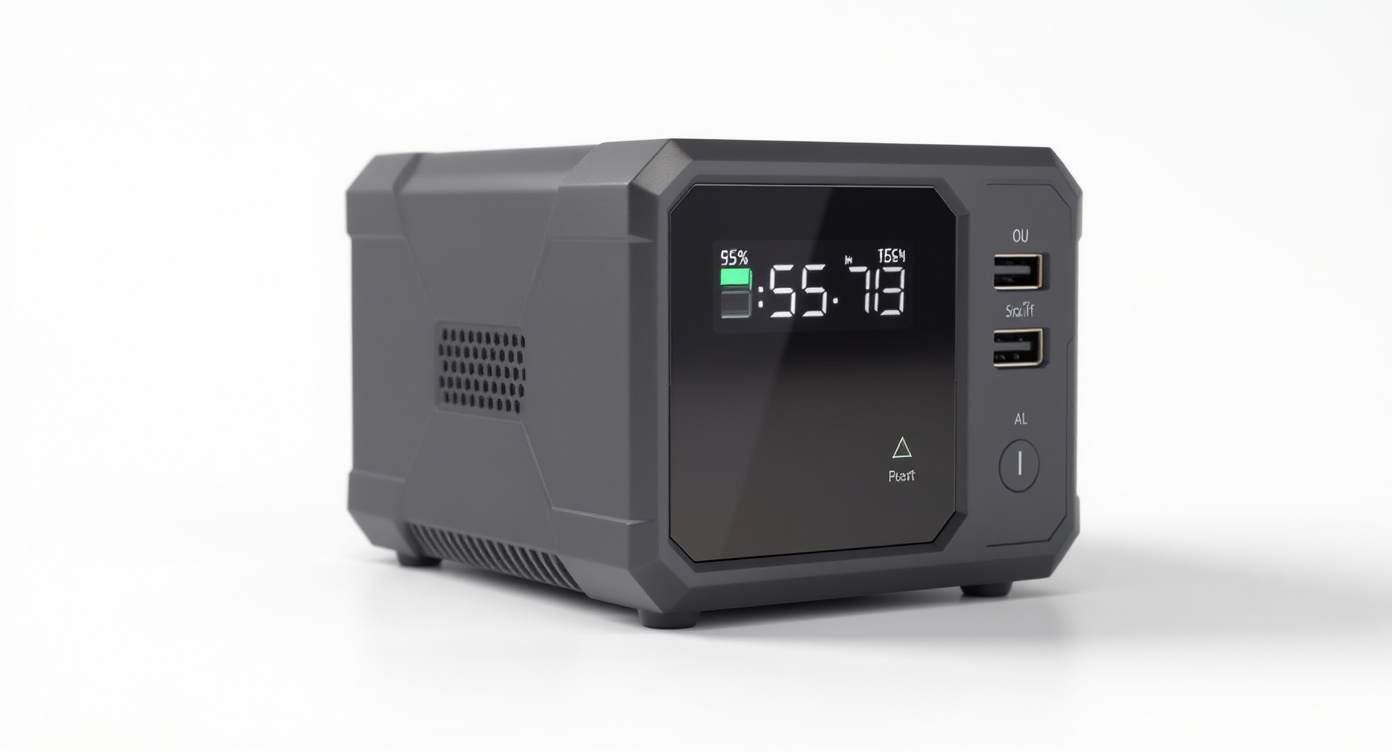
Step 1 — List Every Device You Plan to Power
Sizing starts with an honest inventory. Grab a notepad (or a spreadsheet) and write down every appliance or device you expect to run from the solar generator. For each one, you need two pieces of information: its running wattage (how many watts it draws during normal operation) and its startup surge wattage (the brief spike of power many motors and compressors need when they first kick on — often 2–3× the running wattage).
You can usually find wattage on the device’s label, in its manual, or by searching the model number online. Here are some common ballpark ranges to give you a sense of scale:
- Phone or laptop charger: 20–100W
- LED lights: 5–15W each
- Small fan: 25–75W
- Mini fridge or 12V cooler: 40–150W running, up to 400W surge
- CPAP machine (no humidifier): 30–60W
- Electric blanket: 50–200W
- Coffee maker: 800–1,200W
- Microwave: 600–1,200W
- Window air conditioner (small): 500–1,500W running, up to 3,000W surge
- Space heater: 750–1,500W
Notice how quickly wattage climbs when heating or cooling appliances enter the picture. A coffee maker and a space heater running simultaneously could demand 2,500W or more — a spec that rules out most entry-level units. If running a space heater is on your list, read our dedicated breakdown on whether a solar generator can power a space heater before you commit to a unit.

Step 2 — Calculate Your Daily Watt-Hour Requirement
Once you have your device list, multiply each device’s running wattage by the number of hours per day you expect to use it. Add those totals together and you have your daily watt-hour (Wh) requirement.
Here’s a worked example for a weekend camping setup:
- Mini fridge: 80W × 24 hrs = 1,920 Wh (but a good compressor fridge only runs its motor ~30–40% of the time, so realistic draw is closer to 640–770 Wh/day)
- LED lighting (4 bulbs): 10W × 5 hrs = 50 Wh
- Phone + laptop charging: 60W × 3 hrs = 180 Wh
- Small fan: 40W × 8 hrs = 320 Wh
Realistic daily total: roughly 1,200–1,300 Wh.
Here’s the insider tip most buyers miss: don’t size for exactly your calculated need. Aim for a unit with 20–30% more capacity than your daily total. Why? Battery chemistry degrades over time, cloudy days reduce solar recharging, and you’ll almost certainly add a device or two once you realize how convenient the system is. Building in headroom now saves you from buyer’s remorse in year two.
Step 3 — Match Output Wattage to Your Highest-Draw Appliance
Your battery capacity handles the “how long” question. Your output wattage handles the “can it even start this thing” question. Look at your device list and identify the single highest-surge appliance. Your solar generator’s rated AC output must exceed that surge wattage, not just the running wattage.
This is where a lot of people get burned. They buy a 1,000W-output unit thinking it’ll run their mini fridge, not realizing the fridge’s compressor surges to 400W on startup. That particular example usually works fine — but swap the fridge for a small window AC unit with a 2,500W startup surge, and a 2,000W-rated unit may struggle or refuse to start it entirely. Our full guide on whether a solar generator can power an air conditioner goes deep on this exact issue.
As a general rule: if your highest-surge appliance needs X watts to start, your solar generator should be rated for at least 1.25× that number to handle the spike comfortably.
Sizing by Use Case — Which Category Fits You?
Rather than leaving you with abstract math, here’s how the numbers typically shake out across the most common use cases. Ask yourself which scenario most closely matches how you’ll actually use the unit.
Casual Camping and Day Trips
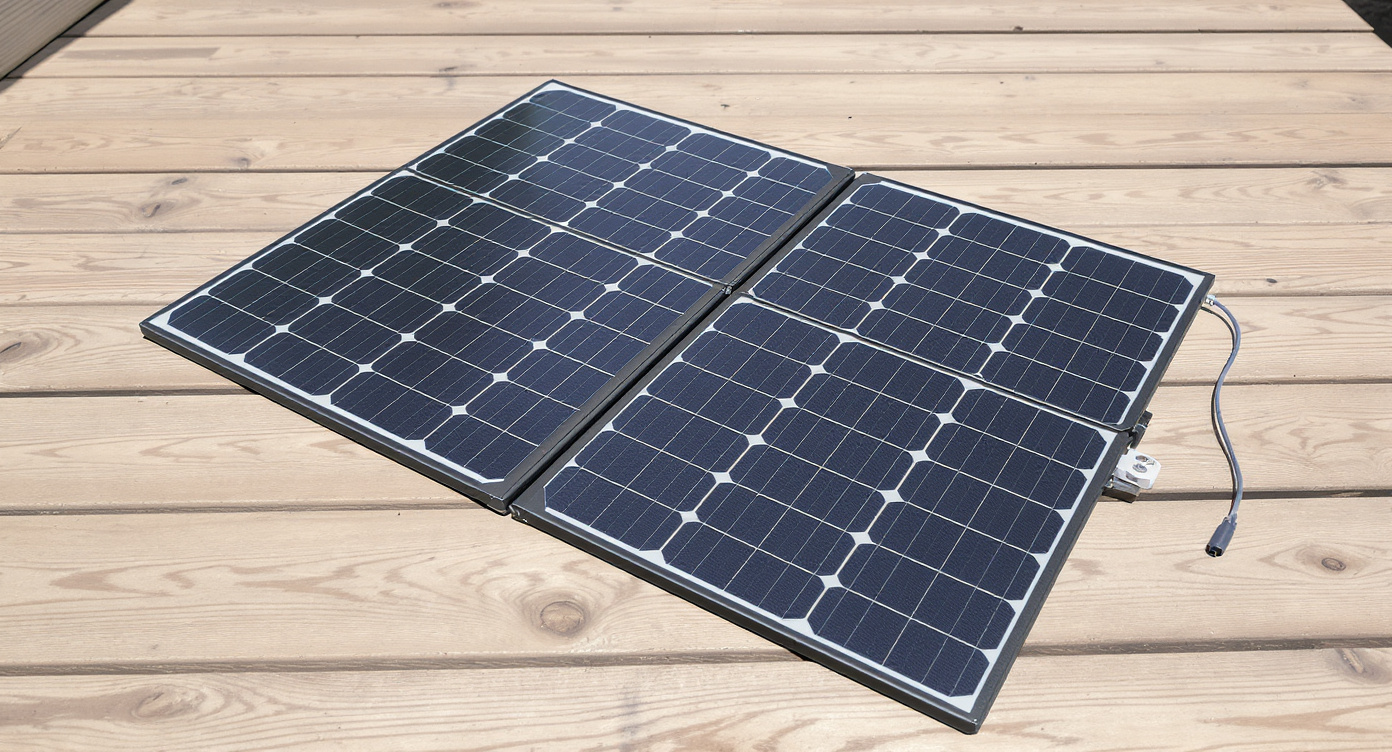
If you’re powering phones, a Bluetooth speaker, a small fan, and maybe a lantern, a unit in the 200–500 Wh range with 300–500W output is usually plenty. These are compact, lightweight, and easy to toss in the back of a car. Recharging with a small foldable solar panel overnight is realistic.
Extended Camping, Van Life, or RV Use
Add a compressor fridge, a laptop, lighting, and a fan running for multiple days between grid access, and you’re looking at the 1,000–2,000 Wh range with 1,000–2,000W output. This tier handles most creature comforts without trying to run high-draw appliances like microwaves or AC units for extended periods.
Home Emergency Backup (Essential Circuits)
If your goal is keeping the fridge, some lights, a phone bank, and a CPAP running during an outage, budget for 1,500–3,000 Wh with at least 1,500–2,000W output. This is enough to cover essentials for 12–24 hours without solar recharging. Curious whether a solar generator can handle a whole house? Our honest look at whether a solar generator can power a house sets realistic expectations.
Off-Grid Cabin or Full Home Backup
At this level, you’re typically looking at units or battery systems above 3,000 Wh, often expandable with additional battery modules. Output needs to handle larger appliances, and recharging requires a serious solar panel array. At this scale, it’s also worth comparing solar versus a traditional generator to see which approach (or combination) makes the most financial and practical sense.
Don’t Forget Recharge Rate — The Spec Most Buyers Overlook
Capacity and output get all the attention, but recharge rate is equally important for anyone relying on a solar generator as a primary power source rather than a one-time emergency unit. Recharge rate tells you how quickly the unit can replenish its battery from solar panels.
A 2,000 Wh unit that accepts only 200W of solar input takes roughly 10+ hours of good sunlight to fully recharge. The same unit with a 400W solar input rating cuts that to around 5 hours. If you’re in a cloudy climate or using the system daily, a fast-charging solar generator with high solar input capacity can make a meaningful real-world difference. Look for units that support at least 200–400W of solar input for mid-size use cases, and 600W+ for larger setups.
Insider tip: Many solar generators also support simultaneous charging — topping up via solar panels and a wall outlet (or car port) at the same time. If you have access to grid power before an event or before leaving for a trip, this feature lets you start with a full battery and let solar maintain it. Not all units offer this, so check the spec sheet carefully.
Pros and Cons of Sizing Up vs. Sizing Down
Sizing Up (Larger Unit)
- Pro: More flexibility to add devices later
- Pro: Longer runtime between recharges
- Pro: Better handles surge loads from motors/compressors
- Con: Higher upfront cost — sometimes significantly so
- Con: Heavier and bulkier, less portable
- Con: Slower to recharge from a fixed solar panel setup
Sizing Down (Smaller Unit)
- Pro: Lower cost, easier to justify for occasional use
- Pro: Lightweight and genuinely portable
- Pro: Faster to recharge with a modest panel
- Con: May not handle high-draw or surge appliances
- Con: Shorter runtime — frustrating if needs grow
- Con: May require purchasing a second unit sooner than expected
The sweet spot for most people is a unit that covers their current realistic daily load with 20–30% headroom, rather than one sized for a hypothetical worst-case scenario they’ll rarely encounter.
Solar Generator Size Recommendations for This Year
EcoFlow DELTA 2
Brand: EcoFlow
Capacity: 1,024 Wh | AC Output: 1,800W (2,700W surge)
Solar Input: Up to 500W | Battery Type: LFP (lithium iron phosphate)
Best for: Extended camping, van life, and home backup of essential appliances. The high solar input rate and LFP chemistry (known for longevity and thermal stability) make this a strong mid-size pick with room to grow via expansion batteries.
Jackery Explorer 1000 Pro
Brand: Jackery
Capacity: 1,002 Wh | AC Output: 1,000W (2,000W surge)
Solar Input: Up to 200W | Battery Type: NMC lithium
Best for: Campers and weekend adventurers who want a well-rounded, proven unit at a mid-range price. The 1,000Wh capacity covers most camping loads comfortably for 1–2 days.
Bluetti AC200MAX
Brand: Bluetti
Capacity: 2,048 Wh (expandable to ~8,192 Wh) | AC Output: 2,200W (4,800W surge)
Solar Input: Up to 900W | Battery Type: LFP
Best for: Home backup users and off-grid cabin setups who need serious capacity with the ability to expand. The 900W solar input is among the highest in its class, dramatically shortening recharge time.
Anker SOLIX C800
Brand: Anker
Capacity: 768 Wh | AC Output: 800W (1,200W surge)
Solar Input: Up to 200W | Battery Type: LFP
Best for: Budget-conscious buyers who need a compact, reliable unit for light camping or as a secondary backup. LFP chemistry at this price tier is a genuine value differentiator.
Goal Zero Yeti 3000X
Brand: Goal Zero
Capacity: 2,982 Wh | AC Output: 2,000W (3,500W surge)
Solar Input: Up to 600W | Battery Type: NMC lithium
Best for: Users who want a large-capacity unit with a mature ecosystem of compatible solar panels and accessories. Strong choice for home backup covering a refrigerator, lights, medical devices, and entertainment for 24+ hours.
Frequently Asked Questions
Can I daisy-chain two smaller solar generators instead of buying one large one?
Generally, no — most portable solar generators aren’t designed to be linked together to share a load. A few brands offer parallel connection kits for specific models, but this is the exception rather than the rule. If you know your needs are large, buying one appropriately sized unit is usually more efficient and cost-effective than purchasing two smaller ones.
Does the type of battery chemistry affect how I should size the unit?
Yes, in a practical way. LFP (lithium iron phosphate) batteries are typically rated for significantly more charge cycles than NMC (nickel manganese cobalt) lithium batteries, which means the capacity holds up better over years of daily use. If you’re sizing a unit for daily off-grid use, an LFP unit can be sized slightly more aggressively because its usable capacity degrades more slowly over time. For more on long-term performance, see our guide on how long solar generators last.
How do I know if my solar panels are the right size for my generator?
Your solar panel array’s combined wattage should be at or below your solar generator’s maximum solar input rating (listed in the specs). Going slightly under that limit is fine — you won’t damage anything. Going significantly over can damage the charge controller (the component that regulates power flowing from panels into the battery). Our guide on connecting a generator to a solar system covers this in detail.
Is a solar generator cheaper than a gas generator for the same capacity?
Upfront, solar generators are often more expensive than equivalent gas generators. Over time, the equation shifts because there’s no fuel cost and minimal maintenance. Our solar vs. gas generator comparison breaks down the full cost picture, including long-term operating expenses. And if you want a broader look at the tradeoffs, our solar generator cost guide covers what to expect at each price tier.
What if I already have rooftop solar panels — do I still need a separate solar generator?
It depends on your setup. Most grid-tied rooftop solar systems shut down during a grid outage for safety reasons, which means they won’t power your home when you need backup most. A solar generator (or a dedicated battery backup system) fills that gap. Our article on whether you need a generator if you have solar panels addresses this common point of confusion directly.
Conclusion: Start With Your Load, Then Choose Your Unit
The answer to “what size solar generator do I need” is always rooted in the same foundation: know your devices, calculate your daily watt-hours, identify your highest surge load, and build in a reasonable buffer. The math isn’t complicated once you sit down with your appliance list — and it takes the guesswork out of what is otherwise a significant purchase.
If you’re still early in the research process, it’s worth exploring how solar generators are built to understand what you’re actually buying, and checking out our honest look at solar versus conventional generators to make sure a solar generator is the right tool for your situation in the first place.
Once you know your numbers, the right unit becomes obvious. Start with your load, match the specs, and you’ll land on a solar generator that actually serves you — not one that sits in a corner collecting dust because it was either too small to be useful or too large to justify the cost.