Here’s a question that splits households right down the middle: when the grid goes down or you need reliable off-grid power, do you go solar or stick with a traditional generator? The solar vs generator debate isn’t new, but the answer has shifted dramatically in the last five years as battery technology has matured and solar hardware prices have dropped. What used to be an obvious win for gas generators is now a genuinely competitive comparison — and the “right” answer depends almost entirely on how, where, and how often you need power.
This guide walks you through the real contrasts: upfront cost, ongoing expense, noise, fuel dependency, environmental impact, and practical performance in the scenarios you actually face. No fluff, no oversimplification.
The 30-Second Answer (For Featured Snippet Readers)
Solar power wins on long-term cost, silence, and zero fuel dependency. Generators win on raw power output, instant availability in any weather, and lower upfront cost. For occasional emergency backup, a generator is often cheaper to start. For frequent use, off-grid living, or quiet operation, solar paired with battery storage is typically the better investment over time.
What Are You Actually Comparing?
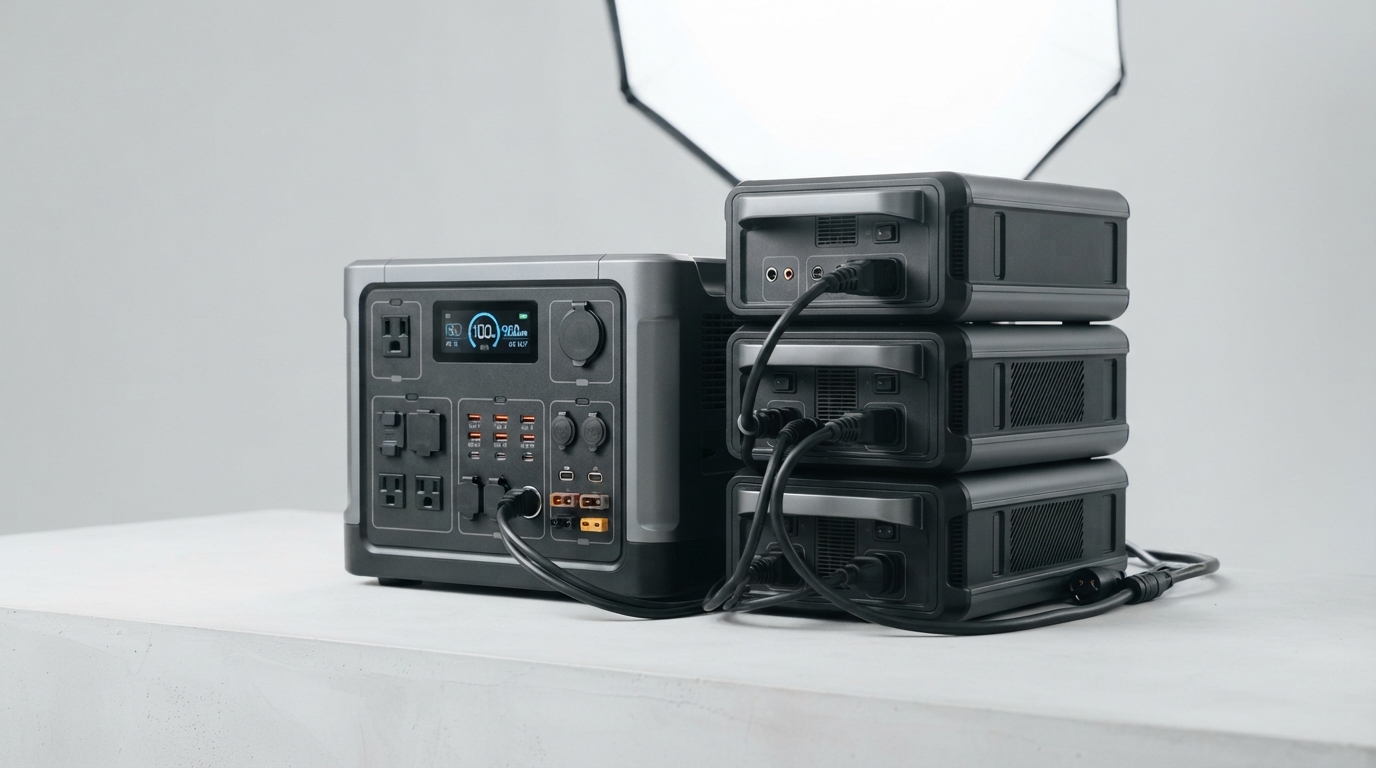
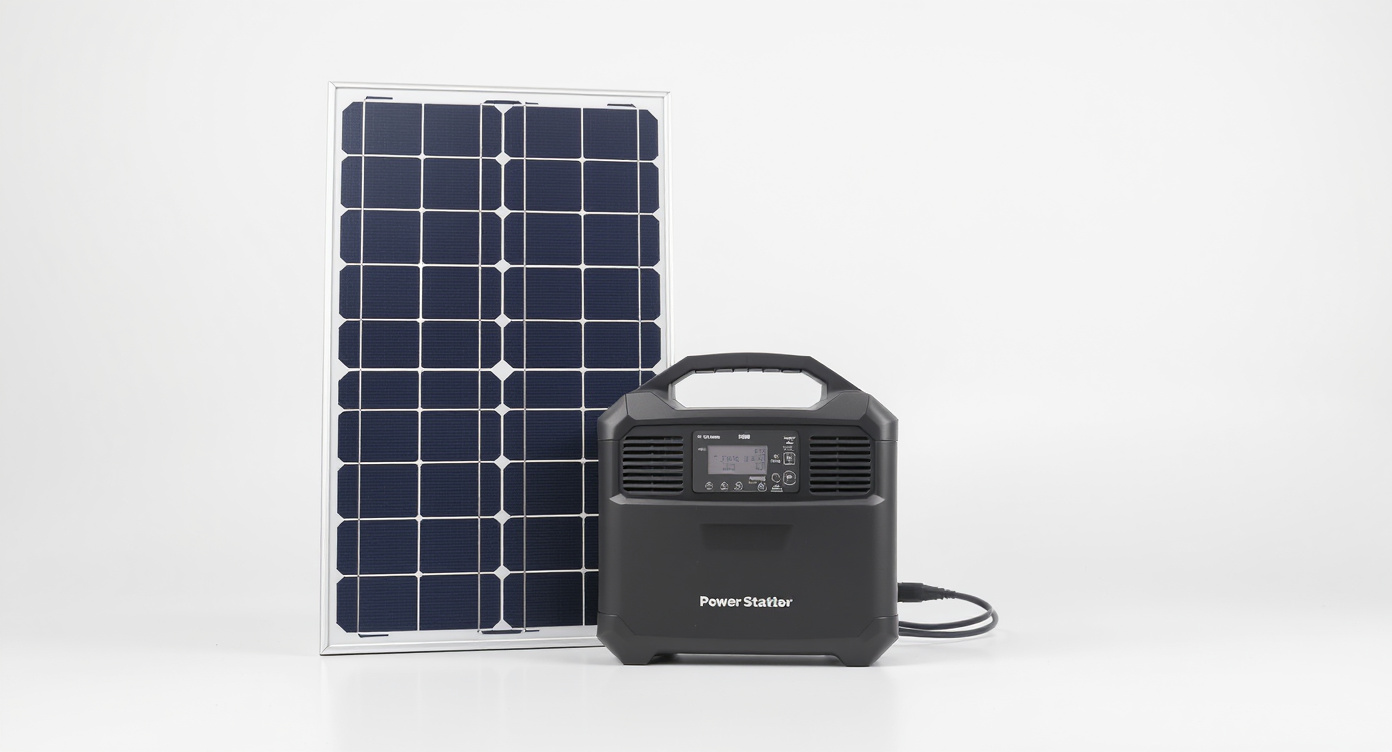
Before diving into specs, it’s worth being precise about what we mean. “Solar power” in this context usually means a solar panel array paired with a battery storage system — either a portable solar generator (a power station with integrated battery and inverter) or a fixed home solar-plus-storage setup. A “generator” typically means a gas, propane, or dual-fuel engine-driven generator that burns fuel to produce electricity on demand.
These are fundamentally different machines solving the same problem from opposite directions. One harvests ambient energy silently and stores it; the other burns fuel to generate power whenever you need it. If you want a deeper look at how the solar side works, the solar generator overview on this site covers the hardware in detail.
Upfront Cost: Who Wins the First Round?
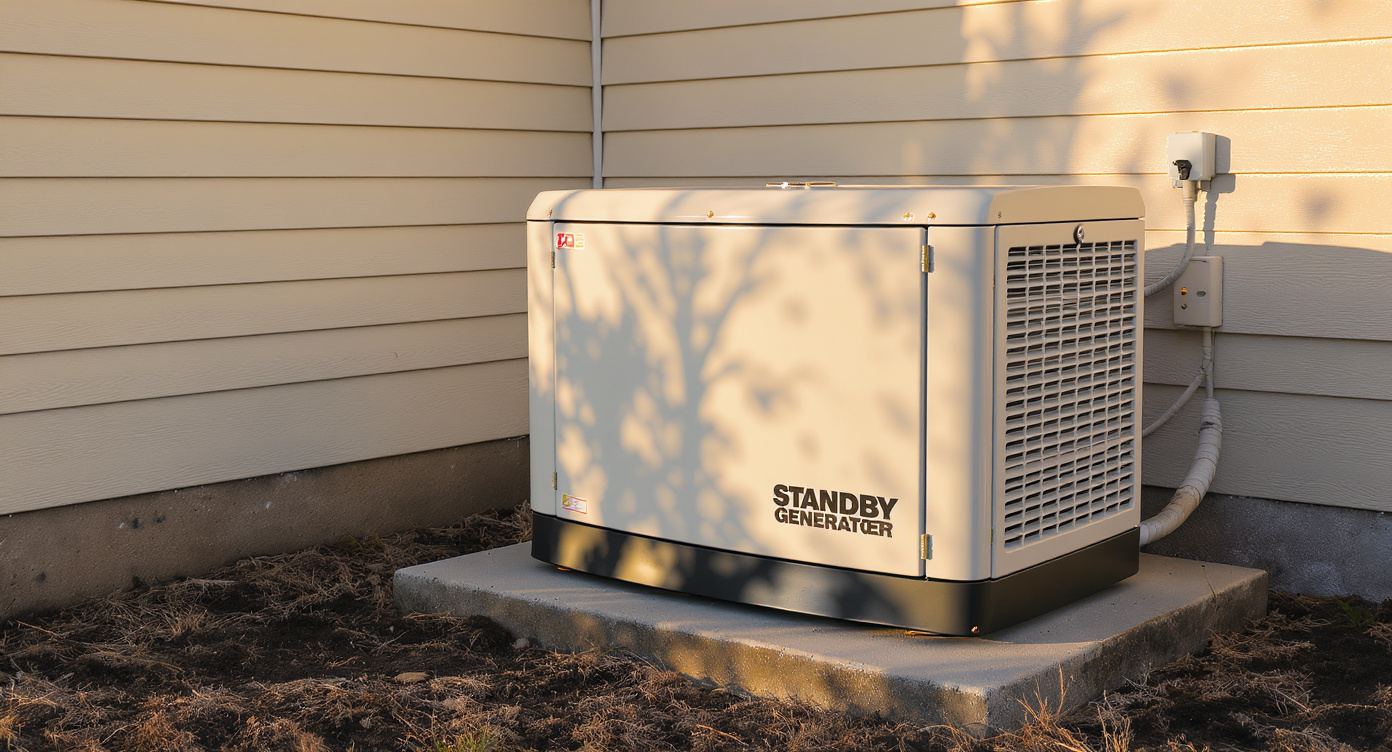
A traditional portable generator — say, a 3,500–5,000W inverter generator — typically runs between $500 and $1,500 depending on brand and features. A whole-home standby generator (propane or natural gas, permanently installed) can cost $3,000–$10,000+ including installation. That’s a real number, but it’s relatively straightforward.
Solar is more variable. A quality portable solar generator (power station plus one or two panels) might cost $800–$2,500. A full home solar-plus-battery system can run $15,000–$30,000 before incentives, though federal tax credits and state rebates can cut that significantly. For a detailed breakdown, solar generator pricing is worth reading before you shop.
Generator wins the upfront cost round, especially for emergency-only use. But read on, because the math flips over time.
Ongoing Costs: The Fuel Factor Changes Everything
A generator’s real expense isn’t the machine — it’s the fuel. A mid-size gas generator running at moderate load burns roughly 0.5–1 gallon of gasoline per hour. Run it for 8 hours during an extended outage and you’ve used 4–8 gallons. During regional emergencies, fuel lines can stretch for miles and prices spike. If you’re in a rural area or relying on propane delivery, supply chain hiccups become a genuine concern.
Solar, once installed, costs essentially nothing to run. Sunlight is free. The only ongoing costs are occasional panel cleaning, potential inverter (a device that converts battery DC power into the AC power your appliances use) replacement after 10–15 years, and eventual battery replacement. Think of the total cost like a treadmill versus a gym membership: the treadmill costs more upfront but eventually pays for itself if you use it consistently. Solar works the same way — the break-even point is real, and for frequent users it often arrives within 5–8 years.
Power Output: Where Generators Still Have the Edge
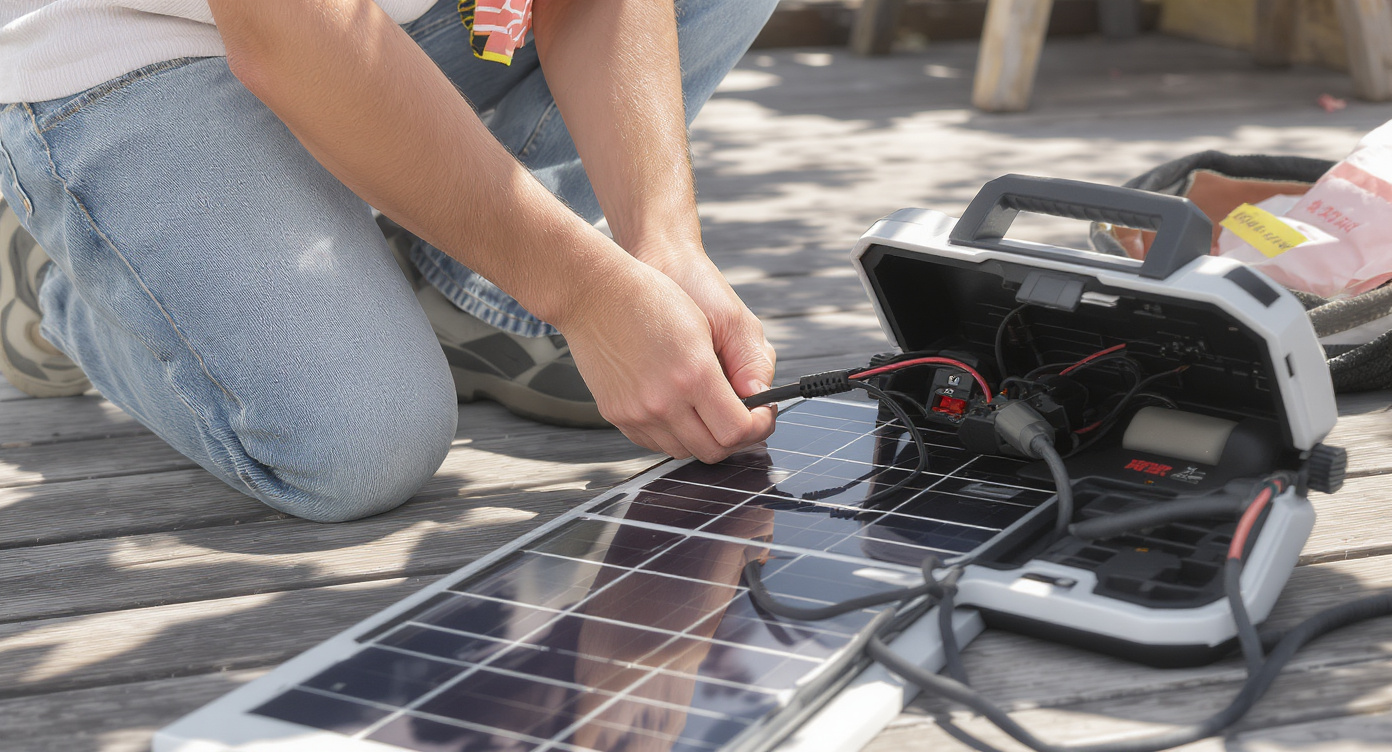
This is the one area where traditional generators genuinely outperform most solar setups — at least for now. A $1,000 gas generator can deliver 3,500–7,500 watts of continuous power. That’s enough to run a central air conditioner, a well pump, a refrigerator, and lights simultaneously. A comparably priced portable solar power station might deliver 1,000–2,000 watts of continuous output with a battery capacity of 1,000–2,000 watt-hours (Wh) — enough for smaller appliances, but not a whole-home solution.
That said, the gap narrows significantly when you look at what most people actually need during an outage. If your priority is keeping the fridge cold, charging devices, running a fan or space heater, and maintaining lights, a well-sized solar generator handles that comfortably. Wondering whether solar can handle specific heavy loads? Check out solar generators and space heaters or solar generators and air conditioners for honest assessments of those scenarios.
For whole-home coverage, the question of whether a solar generator can power a house is nuanced — the short answer is “it depends on your load and battery capacity,” and that article explains it well.
Noise, Emissions, and Livability
A gas generator running at load produces roughly 65–80 decibels of noise — comparable to a lawn mower running 50 feet away. That’s tolerable for a few hours, but after a full day of outage, it’s exhausting. Many neighborhoods have noise ordinances that restrict generator use at night. And carbon monoxide (CO) emissions mean you can never run a gas generator indoors or in an attached garage — a safety rule that’s critical and non-negotiable.
Solar power stations produce zero emissions and near-zero noise. You can run one in a bedroom, a tent, or an apartment without any ventilation concerns. For families with young children, people with sensory sensitivities, or anyone in a densely populated area, this difference is enormous in practice — not just on paper.
Weather Dependence and Reliability
Here’s the honest tradeoff solar advocates sometimes gloss over: solar panels don’t generate power at night, and they underperform in heavy cloud cover. If you’re hit with a multi-day storm that keeps the sky dark, your solar battery will eventually deplete and you’ll be waiting for sunlight to recharge. A gas generator doesn’t care about the weather — as long as you have fuel, it runs.
This is why many experienced off-gridders and backup power planners use a hybrid approach: a solar battery system as the primary source, with a generator as a backup charger. You can even hook a generator up to a solar system to top off the batteries during extended cloudy periods. It’s the best of both worlds, and more people are doing it than you might expect.
Longevity: Which One Lasts Longer?
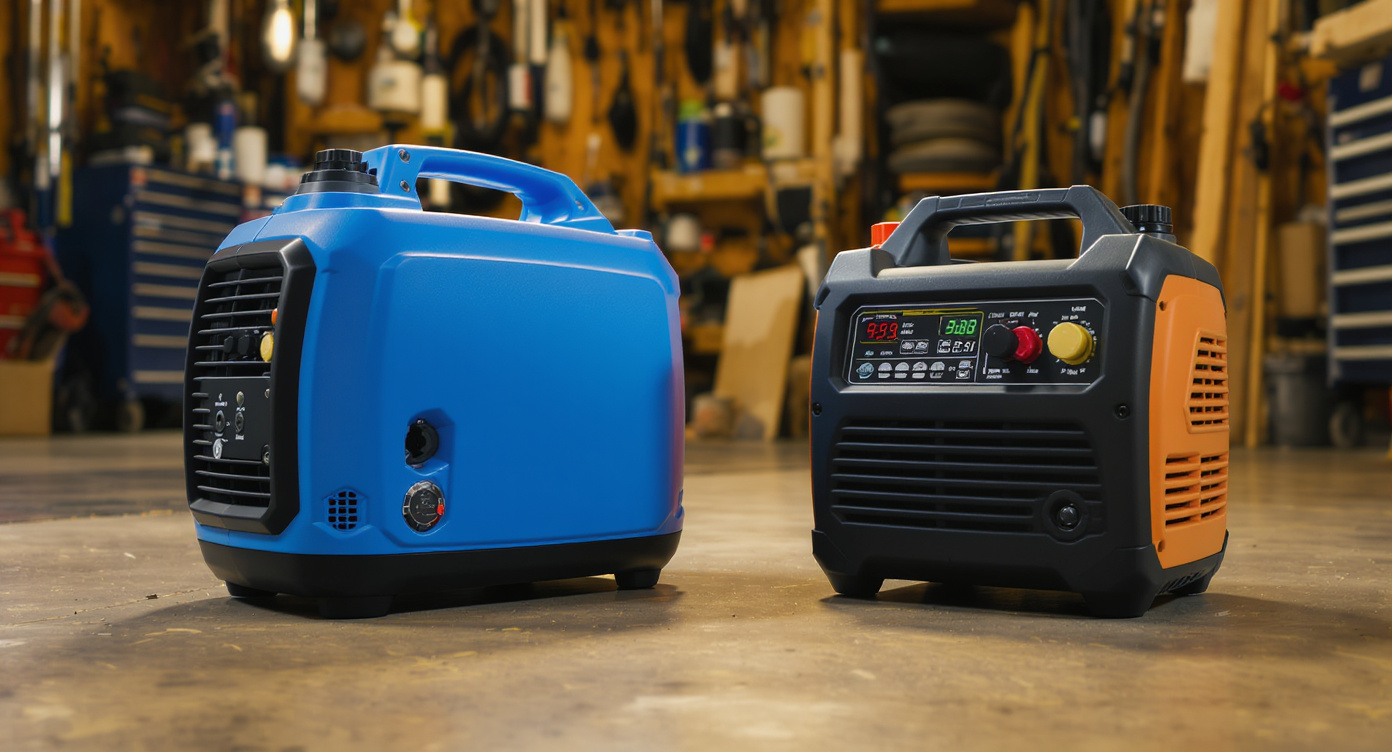
A well-maintained gas generator has a lifespan of roughly 1,000–2,000 engine hours, which translates to 10–20 years of occasional use. But “well-maintained” is doing a lot of work in that sentence — generators need regular oil changes, fresh fuel or stabilizer treatment, carburetor cleaning, and periodic testing. Many people discover their generator won’t start during an actual emergency because it sat in a garage for two years untouched.
Solar panels themselves are remarkably durable — most quality panels carry 25-year performance warranties and degrade only about 0.5% per year. The batteries are the shorter-lived component: lithium iron phosphate (LiFePO4) batteries in quality power stations are typically rated for 2,000–3,500 charge cycles, which at daily use translates to 5–10 years. For a full breakdown, how long solar generators last covers this in detail. Solar wins on maintenance simplicity; generators win if you need a machine that sits idle and starts reliably on demand.
Insider tip: If you buy a gas generator for emergency backup, add a fuel stabilizer to the tank and run the engine for 15–20 minutes every 3 months. It’s the single most important maintenance habit to ensure it actually works when you need it.
Pros and Cons at a Glance
Solar Power System
- Pros: No fuel cost, silent operation, zero emissions, low maintenance, scalable, works indoors safely
- Cons: Higher upfront cost, weather-dependent recharge, limited output for large loads, battery replacement needed over time
Traditional Generator
- Pros: Lower upfront cost, high power output, weather-independent, widely available, long runtime with fuel supply
- Cons: Ongoing fuel cost, noisy, produces CO emissions (outdoor use only), requires regular maintenance, fuel storage challenges
Choosing the Right Setup for Your Situation
If you’re a first-time buyer trying to figure out what size solar generator you need, the most useful starting point is listing the appliances you’d want to run during an outage and adding up their wattage. That number tells you what continuous output and battery capacity you need — and whether a solar setup, a generator, or a hybrid makes the most sense for your lifestyle.
For a deeper side-by-side on the fuel-burning side of things, the solar vs gas generator comparison breaks down that specific matchup with more granular detail. And if you’re already committed to the solar path and want to understand the hardware involved, how to build a solar generator is a great next read.
Top Equipment Picks for Both Sides of the Debate
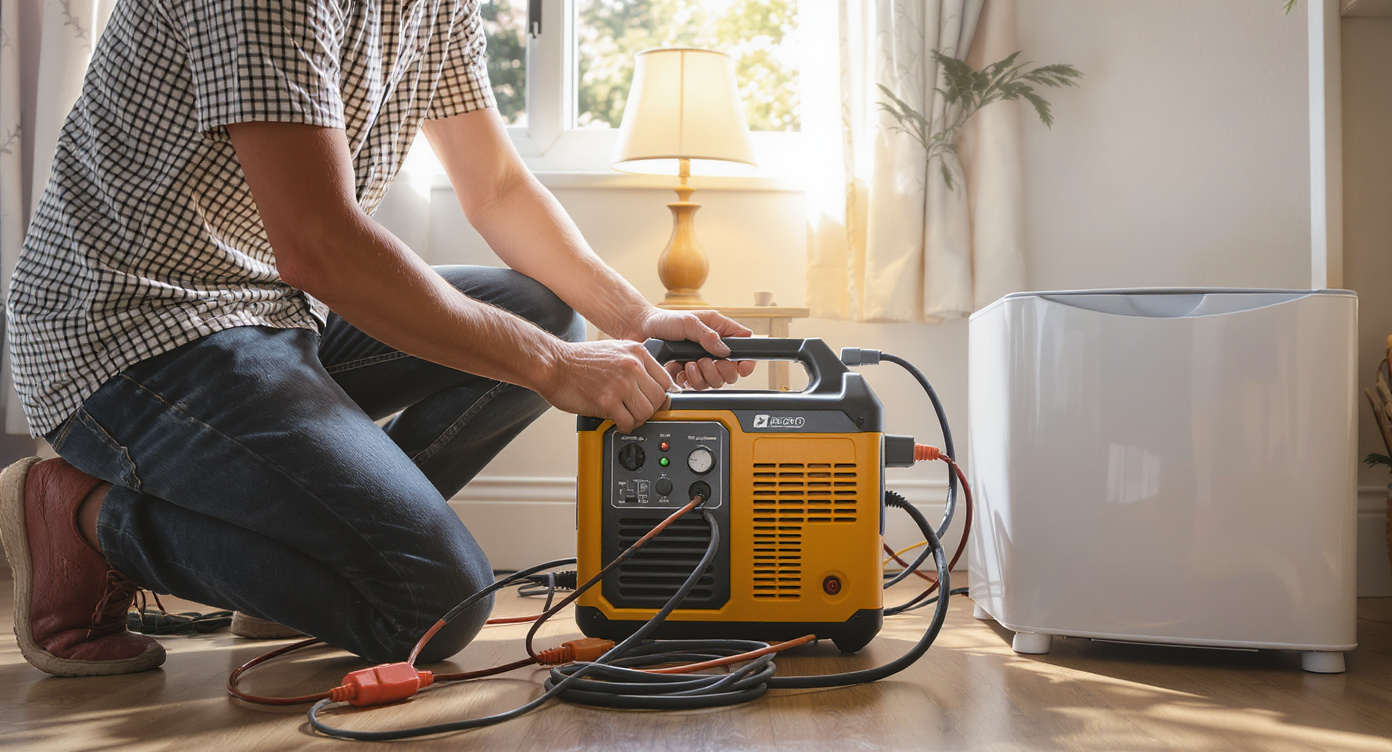
Whether you land on solar, generator, or a hybrid setup, here are five products worth serious consideration across the spectrum.
EcoFlow DELTA 2 Max
Brand: EcoFlow
Key Specs: 2,048Wh capacity, 2,400W AC output (5,000W surge), LiFePO4 battery, charges to 80% in ~50 min via AC
Why it fits: A high-capacity portable power station that bridges the gap between “camping unit” and “home backup” — handles refrigerators, power tools, and medical devices without breaking a sweat. Expandable battery capacity is a genuine differentiator.
Jackery Explorer 1000 Pro
Brand: Jackery
Key Specs: 1,002Wh capacity, 1,000W continuous output, pairs with Jackery SolarSaga 200W panels
Why it fits: A well-rounded mid-tier solar generator combo that’s genuinely portable, charges quickly with two 200W panels in good sun, and covers the most common backup needs without the complexity of a fixed installation.
Honda EU2200i
Brand: Honda
Key Specs: 2,200W max output, inverter generator (produces clean sine wave power), ~57 dB at 25% load, ~3.2 gallons fuel capacity
Why it fits: The gold standard for portable gas generators — quieter than most competitors, fuel-efficient, and safe for sensitive electronics. Ideal as a primary generator or as a hybrid backup charger for a solar battery system.
Bluetti AC200L
Brand: Bluetti
Key Specs: 2,048Wh capacity, 2,400W output, accepts up to 1,200W of solar input, dual AC charging supported
Why it fits: Excellent for users who want fast solar recharge times. The high solar input wattage means you can recharge the battery meaningfully even in a few hours of afternoon sun — a key advantage in the solar vs generator reliability debate.
Generac GP3600
Brand: Generac
Key Specs: 3,600W rated output, 4,500W surge, gasoline-powered, electric start, ~7.5 gallon tank
Why it fits: A high-output conventional generator at a competitive price point. Best suited for users who need to power multiple large appliances simultaneously and want maximum runtime per tank — the raw power argument for traditional generators, made tangible.
Frequently Asked Questions
Can I use solar and a generator together in the same system?
Yes, and it’s increasingly common. Many portable power stations accept generator input through their AC charging port, letting you top off the battery when sunlight is unavailable. Some advanced systems use a charge controller (a device that regulates the flow of electricity into the battery to prevent overcharging) to manage both inputs automatically. This hybrid setup is particularly popular for off-grid cabins and extended RV trips.
Which is better for a power outage that lasts several days?
It depends on the weather. If the outage is storm-related with heavy cloud cover, a generator has the advantage because it doesn’t rely on sunlight. If it’s a sunny-weather grid failure (like a heat wave overloading the grid), solar recharges daily and costs nothing to run. Many preparedness-focused households keep a modest solar setup for routine outages and a generator as a deep backup for extended emergencies.
Do solar generators require any permits or installation?
Portable solar generators — a power station plus panels — generally require no permits. Fixed rooftop solar installations typically do require permits and utility interconnection agreements, though the process is handled by your installer. Standby generators also often require permits and professional installation for the transfer switch (a device that safely switches your home’s electrical load between grid power and generator power).
What’s the fastest way to recharge a solar generator?
The fastest recharge typically combines wall AC charging with solar panel input simultaneously — many modern power stations support this. Some units can reach 80% in under an hour via AC alone. For solar-only recharge speed, more panels equal faster fill times, up to the unit’s maximum solar input rating. The fastest charging solar generators article compares specific models if speed is your priority.
If I already have rooftop solar panels, do I still need a generator?
Not necessarily, but it depends on your battery storage capacity. Rooftop solar without battery storage actually goes offline during a grid outage (for safety reasons). With battery storage, you may be fully self-sufficient. The article on whether solar panel owners still need a generator covers this scenario in detail.
Conclusion: The Honest Verdict
The solar vs generator question doesn’t have a universal winner — it has a right answer for your specific situation. If you need high power output, weather-independent reliability, and the lowest possible upfront cost, a quality inverter generator is hard to beat. If you value silence, zero fuel dependency, low long-term cost, and the ability to run equipment safely indoors, solar with battery storage is the stronger long-term play.
For most households, the smartest move is understanding your actual power needs first. List your critical appliances, calculate your daily watt-hour consumption, and then match the technology to the load — not the other way around. The equipment on this site can help you get there, whether you’re starting with a portable power station, sizing a full solar array, or building a hybrid system that covers all your bases.
Ready to go deeper? Explore how to build a solar generator for a hands-on starting point, or use the product cards above to begin comparing real hardware today.