You’ve done enough research to know you want a solar generator — but now you’re staring at spec sheets full of charging times, wattage figures, and port lists, and it all blurs together. The one thing you keep coming back to is speed: how fast can this thing actually recharge? That’s a fair obsession. A solar generator that takes 20 hours to top off isn’t much use if a weather event or a long weekend off-grid gives you only a narrow window of good sunlight. Finding the fastest charging solar generator for your situation is genuinely worth prioritizing — and this guide walks you through exactly how to do that, step by step, even if this is your first time buying one.
What Does “Fastest Charging” Actually Mean on a Solar Generator?
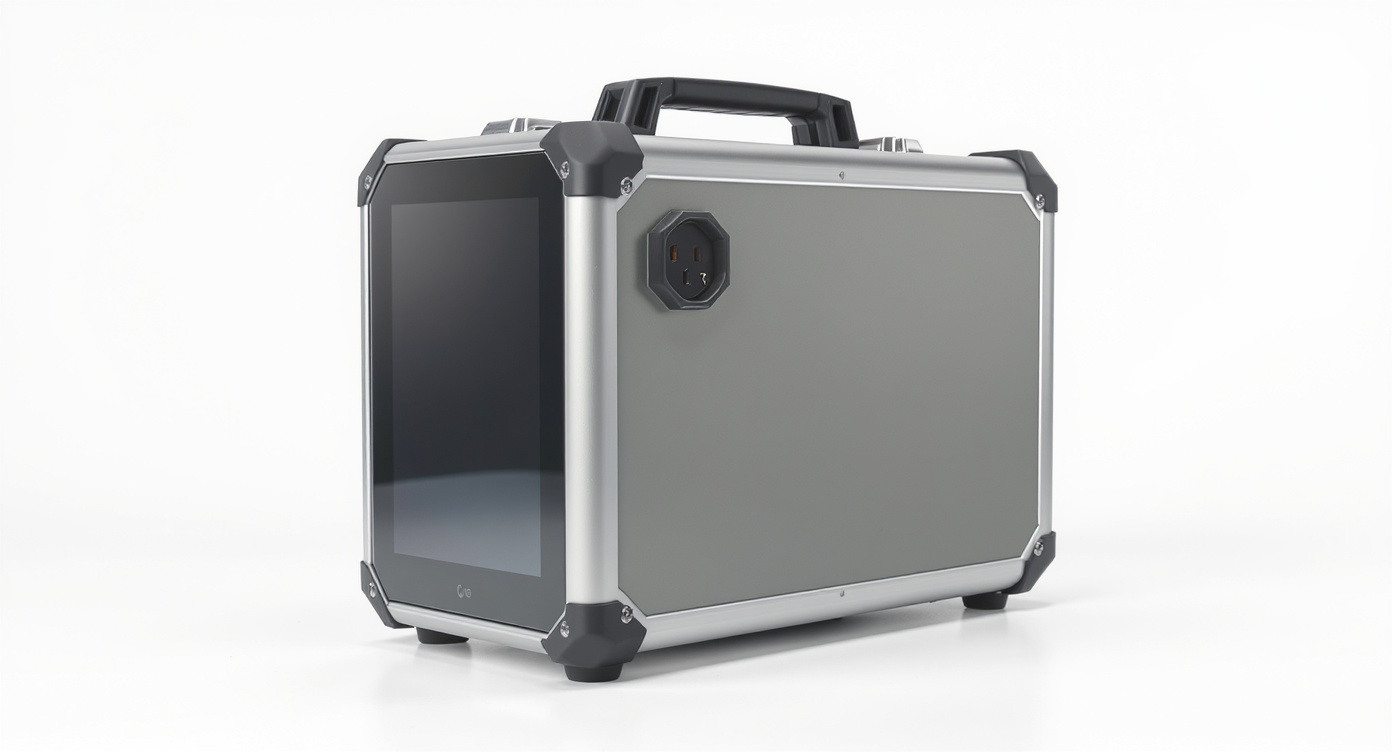
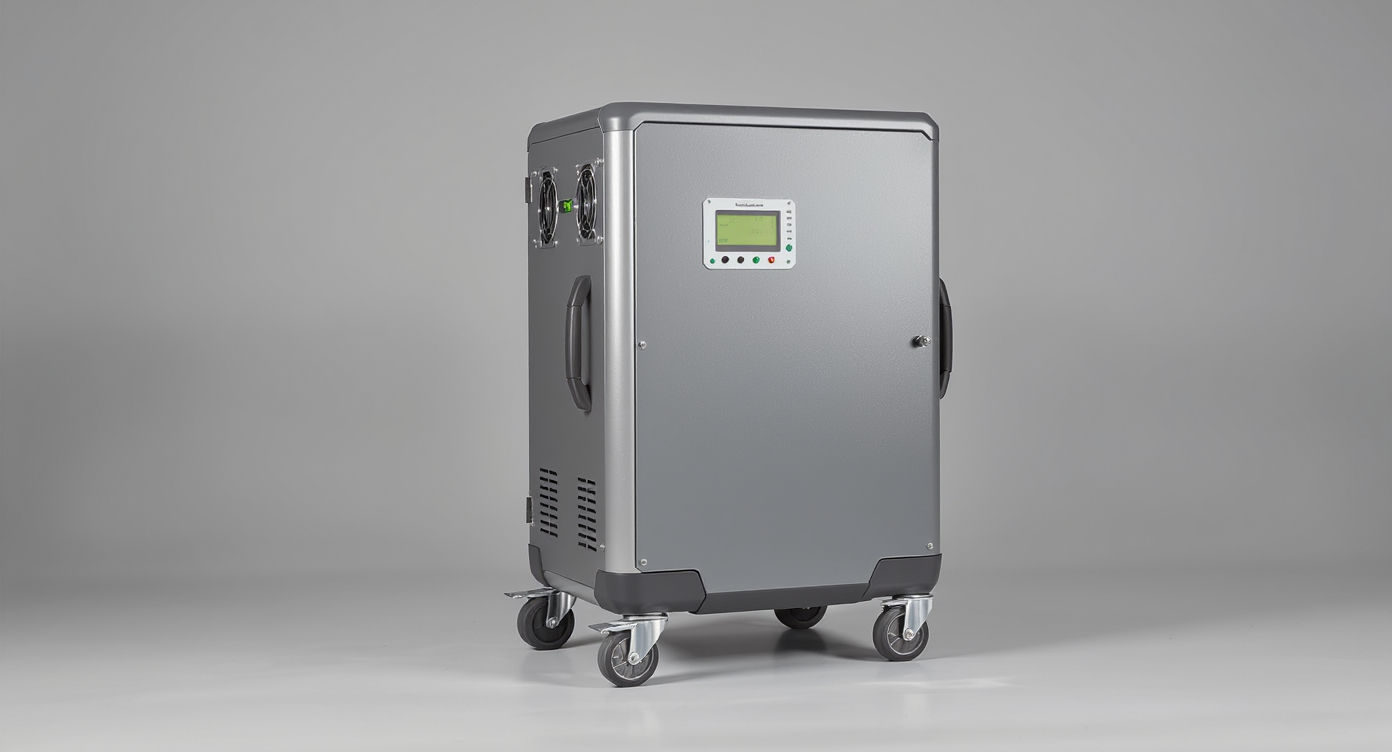
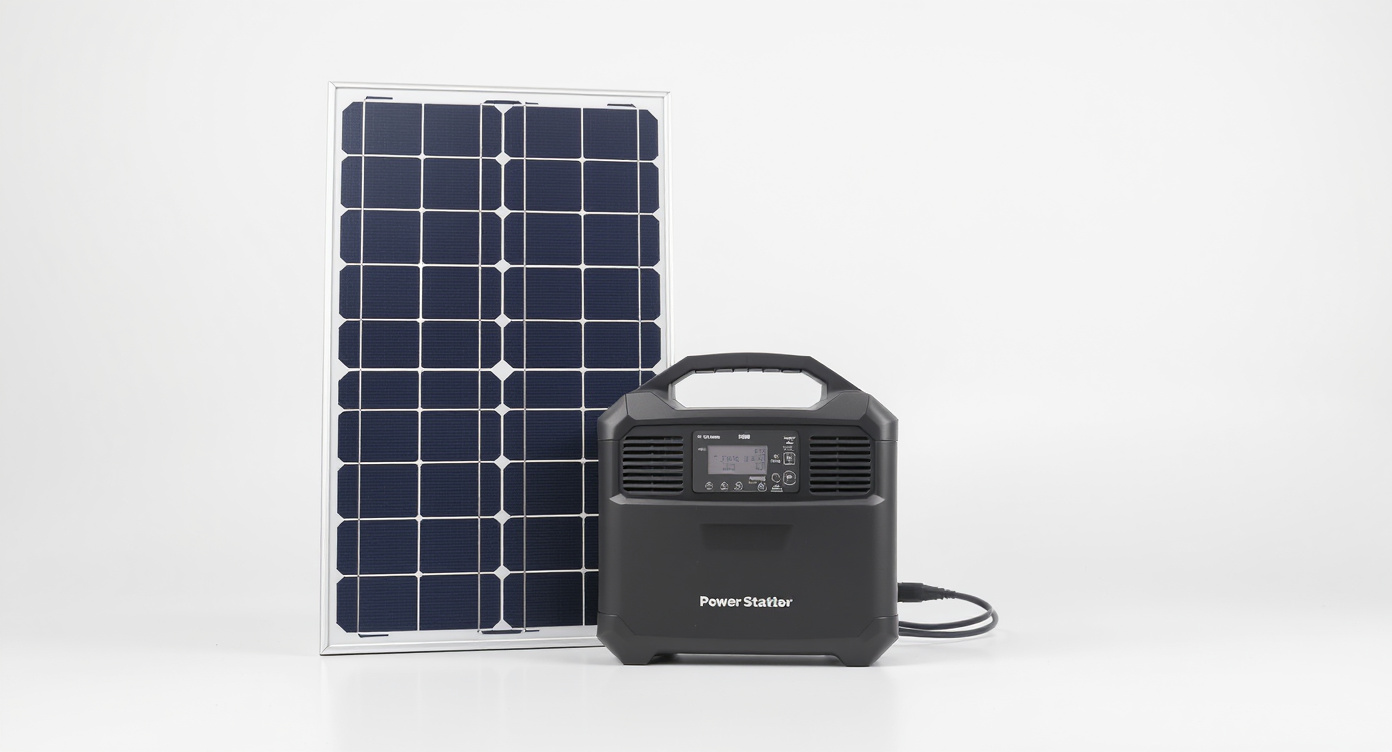
Before you can compare models, it helps to understand what charging speed really refers to. A solar generator has two main components: a portable power station (the battery + inverter unit) and one or more solar panels that feed it. Charging speed is shaped by both sides of that equation.
The battery capacity is measured in watt-hours (Wh) — think of it like the fuel tank size. Charging speed is determined by the input wattage the unit can accept. If a 1,000 Wh station accepts up to 500W of solar input, it can theoretically refill from empty in about two hours under perfect conditions. In practice, you’ll rarely hit that ceiling perfectly, but higher input wattage still translates directly to faster real-world recharge times. So when you see “solar input: 400W max,” that number matters a lot.
There’s also MPPT charging (Maximum Power Point Tracking — a smart controller that continuously adjusts to squeeze the most available energy out of your panels regardless of angle or partial shade). Units with MPPT charge controllers consistently outperform those without them, sometimes by 20–30% in real-world conditions. If a model doesn’t mention MPPT, that’s worth noting.
Quick Answer: The fastest charging solar generators combine a high solar input rating (400W or more), an MPPT charge controller, and compatibility with high-wattage panels. Units in the 1,000–2,000 Wh range with 500W+ solar input can reach a full charge in 2–4 hours of strong sunlight with the right panels connected.
Step 1 — Know Your Capacity Before You Chase Speed
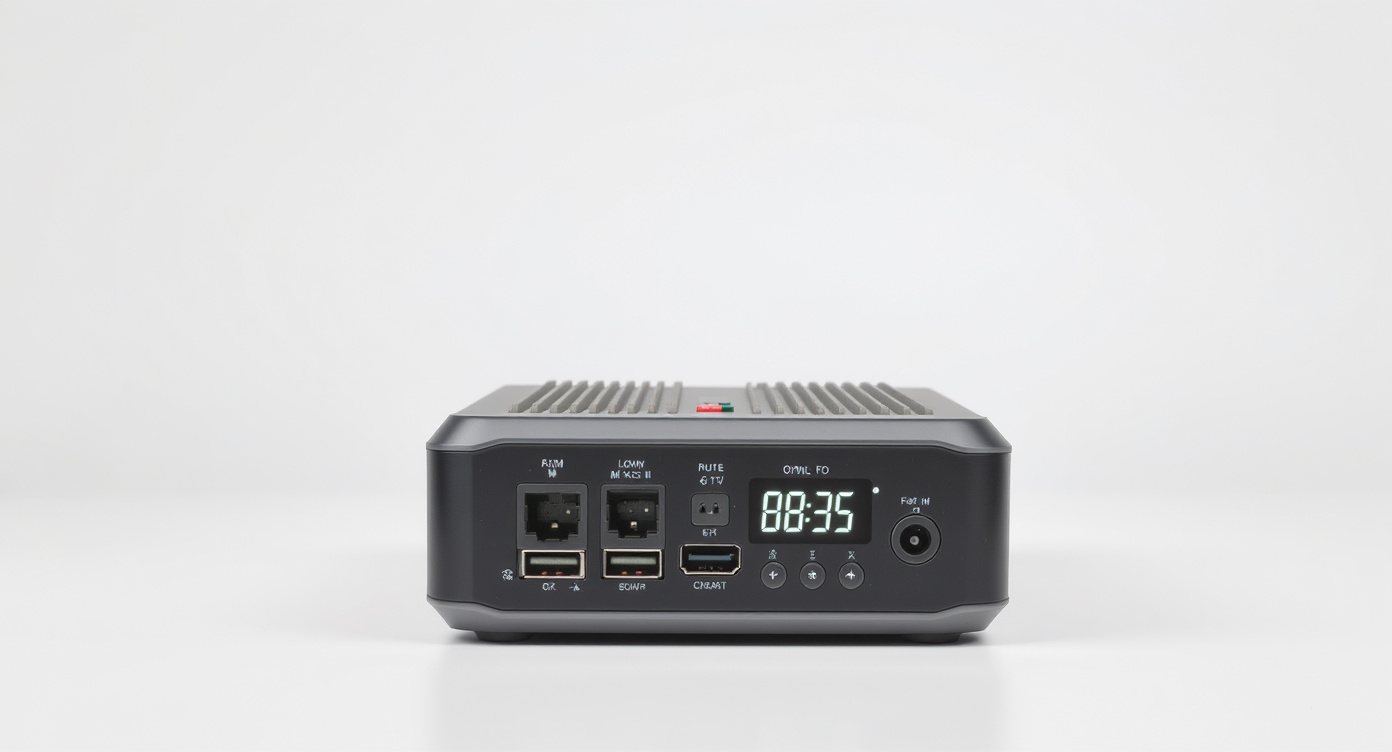
Here’s a step that first-time buyers often skip: figuring out how much capacity you actually need before worrying about how fast it charges. A 500 Wh unit that charges in 90 minutes might sound great until you realize it can’t run your refrigerator through the night. Conversely, a 2,000 Wh powerhouse that takes 6 hours to charge via solar might be perfectly fine if you’re using it at a stationary off-grid cabin with panels mounted all day.
To get a rough sense of what size you need, add up the wattage of the devices you plan to run and multiply by the hours you’d use them. A laptop at 60W for 4 hours = 240 Wh. A small refrigerator at 100W running 8 hours = 800 Wh. Add those together and you’ve got a baseline. For a deeper breakdown of this process, check out our guide on choosing the right solar generator size — it walks through the math without the headache.
Once you know your target capacity range, you can focus on finding the fastest-charging option within that range. A 1,000 Wh station with 600W solar input will almost always beat a 500 Wh station with 200W input on recharge time, even though the bigger unit has twice the capacity to fill.
Step 2 — Understand the Three Ways These Units Charge
Most solar generators support multiple charging inputs, and knowing all three helps you plan for faster top-ups when sunlight isn’t cooperating.
- Solar panels: The cleanest source. Speed depends on panel wattage, sunlight quality, and the unit’s max solar input rating. This is what you’re optimizing for.
- AC wall outlet: Often the fastest single method — many newer units accept 1,000W–1,800W of AC input and can fully charge in under two hours. Useful when you arrive home with a depleted unit before a trip.
- Car/DC input (12V): Slowest option, typically 60–120W. Fine for topping off during a long drive, not for primary charging.
The best fast-charging units let you combine inputs simultaneously — solar + AC at the same time — for a combined input that dramatically cuts recharge time. This is sometimes called dual charging or simultaneous charging, and it’s a feature worth checking the spec sheet for. If you’re curious how these units fit into a broader energy setup, our overview of what a solar generator is and how it works gives a solid foundation.
Step 3 — Match Your Panels to Your Station’s Input Rating
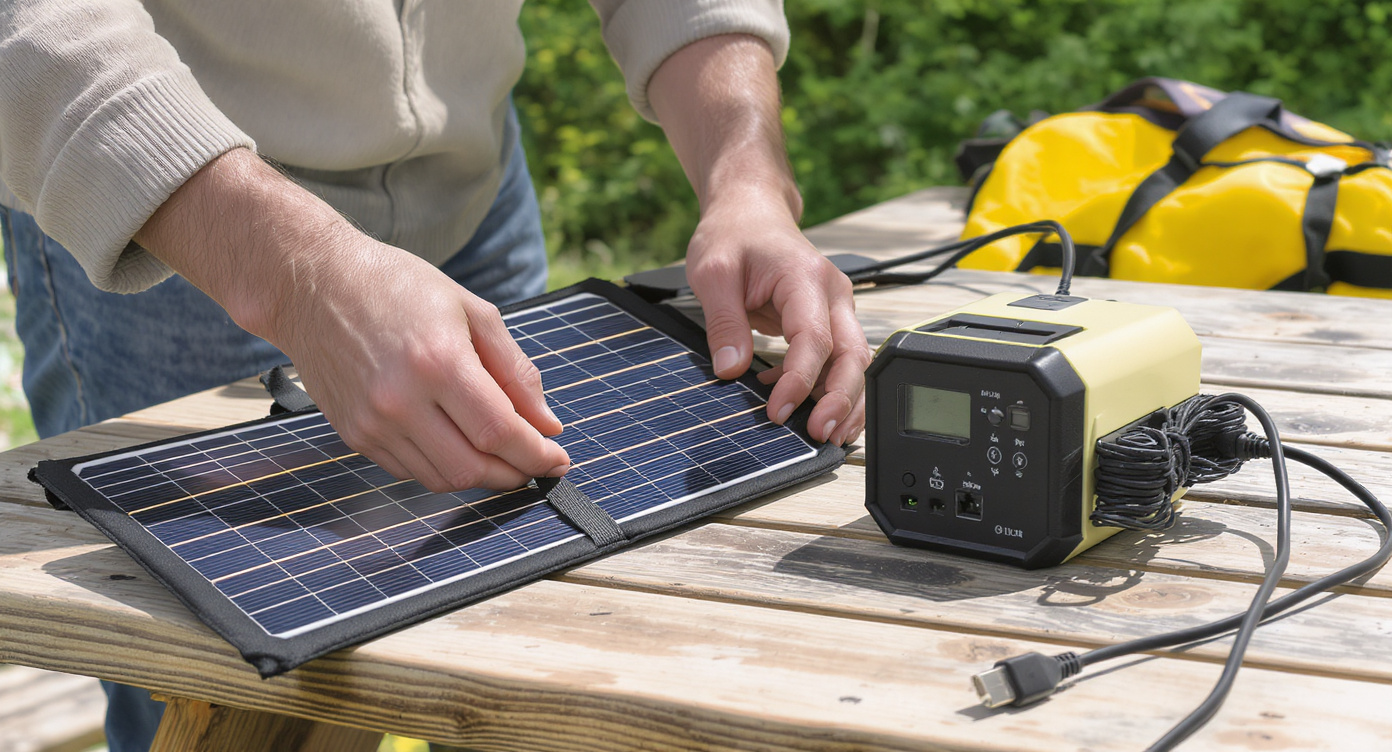
This is where a lot of buyers leave speed on the table. You can own a station that accepts 600W of solar input, but if you’re only connecting 200W worth of panels, you’re charging at one-third the potential speed. The panels are the bottleneck.
Panel wattage is cumulative — two 200W panels connected in the right configuration deliver 400W. Most portable solar generators accept panels wired in series (voltage adds up) or parallel (current adds up), and the correct wiring depends on your station’s input voltage range. Check your unit’s spec sheet for the maximum open-circuit voltage (Voc) and maximum input current (A) before connecting multiple panels.
Insider tip: Portable foldable panels are convenient, but rigid monocrystalline panels deliver higher efficiency per square foot — typically 20–23% vs. 15–18% for flexible options. If your charging window is limited to 4–5 hours of direct sun, rigid panels will consistently outperform foldable ones of the same rated wattage in real conditions.
Also worth knowing: panel output ratings are tested at STC (Standard Test Conditions) — 25°C cell temperature and 1,000 W/m² irradiance. On a hot summer day, panel output can drop 10–25% from rated wattage because heat reduces efficiency. Slightly cooler, overcast-but-bright days can actually produce better results than blazing heat. Don’t be surprised if your 400W panel array delivers 320–350W on a hot afternoon.

Step 4 — Read the Spec Sheet Like a Pro
When you’re comparing models, these are the numbers that actually determine charging speed:
- Max solar input (W): The ceiling for how fast solar can charge it. Higher is better.
- Max AC charging input (W): For wall charging speed. Look for 1,000W+ on faster units.
- Battery capacity (Wh): Divide this by the max input wattage for a theoretical minimum charge time.
- MPPT vs. PWM controller: MPPT is the better technology for speed and efficiency.
- Expandable battery support: Some units accept add-on battery packs, which increases capacity without necessarily slowing recharge if input wattage scales too.
Ask yourself: does this unit’s solar input scale with the panels I can realistically deploy? There’s no point buying a station with 1,200W solar input if you’ll only ever use two 100W panels on a camping trip.
Fast-Charging Solar Generators Worth Considering
EcoFlow DELTA 2 Max
Brand: EcoFlow
- Capacity: 2,048 Wh (expandable to ~6,144 Wh)
- Max solar input: 1,000W
- AC charging: up to 2,400W (wall to full in ~1 hour)
- MPPT charge controller included
Why it fits: One of the highest solar input ratings available at this capacity tier. Ideal for home backup or extended off-grid use where recharge speed is critical.
Jackery Explorer 2000 Plus
Brand: Jackery
- Capacity: 2,042 Wh (expandable)
- Max solar input: 1,200W
- AC charging: up to 2,000W
- LiFePO4 battery chemistry for long cycle life
Why it fits: High solar input ceiling pairs well with 6-panel arrays. A strong choice for RV users who want fast solar top-ups during travel stops.
Anker SOLIX C1000
Brand: Anker
- Capacity: 1,056 Wh
- Max solar input: 600W
- AC charging: up to 1,500W (full charge ~43 minutes)
- Compact, lightweight for the capacity class
Why it fits: Exceptional AC charging speed for a mid-size unit. Best for users who want solar capability but also need a near-instant wall charge before heading out.
Bluetti AC200L
Brand: Bluetti
- Capacity: 2,048 Wh (expandable)
- Max solar input: 1,200W
- Dual charging (AC + solar simultaneously)
- Multiple AC outlets, USB-C, and DC outputs
Why it fits: Simultaneous dual-charging capability means you can combine solar and AC inputs to hit very short recharge windows when both sources are available.
Step 5 — Factor In Real-World Conditions, Not Just Spec Sheet Math
Here’s something the marketing pages won’t tell you upfront: charging time estimates assume ideal conditions. In practice, you might get 70–80% of the rated solar input on a clear day, less in partial cloud cover, and significantly less if your panels are at a suboptimal angle. Plan for real-world charging windows of 1.5–2× the spec sheet minimum.
That said, there are practical ways to close the gap. Orienting panels perpendicular to the sun and adjusting tilt throughout the day can recover 15–20% of lost output. Keeping panels clean matters more than most people think — a thin film of dust can reduce output by 5–10%. And if you’re stationary for the day, a simple adjustable panel stand pays for itself in recovered charge time.
It’s also worth thinking about what you’re powering and whether you actually need the unit fully charged. If you only need to run a CPAP overnight and charge some devices, a 60% charge might be perfectly sufficient — which means your effective “ready time” is shorter than a full charge would suggest. Understanding what a solar generator can and can’t handle in your specific home or off-grid setup is covered well in our article on whether a solar generator can power a house.
Pros and Cons of Prioritizing Charging Speed
- Pro: Faster recharge means more usable energy cycles per day — critical during multi-day outages or extended off-grid trips.
- Pro: High AC input speeds let you top off quickly from a wall outlet before you leave, even if solar conditions are poor.
- Pro: Units with high solar input ratings tend to be more versatile — they can scale up with more panels as your needs grow.
- Con: High-input models are generally more expensive. You’ll pay a premium for 1,000W+ solar input vs. a 300W unit.
- Con: To actually use a 1,000W solar input, you need enough panels — which adds weight, cost, and setup time.
- Con: Faster AC charging (1,500W+) draws significant current from your home circuit. Check your outlet’s circuit rating before plugging in.
If budget is a real constraint, it’s worth reading through our breakdown of solar generator pricing to understand where the money goes — and where you can save without sacrificing too much performance.
How Does a Solar Generator Compare to a Gas Generator for Recharge Flexibility?
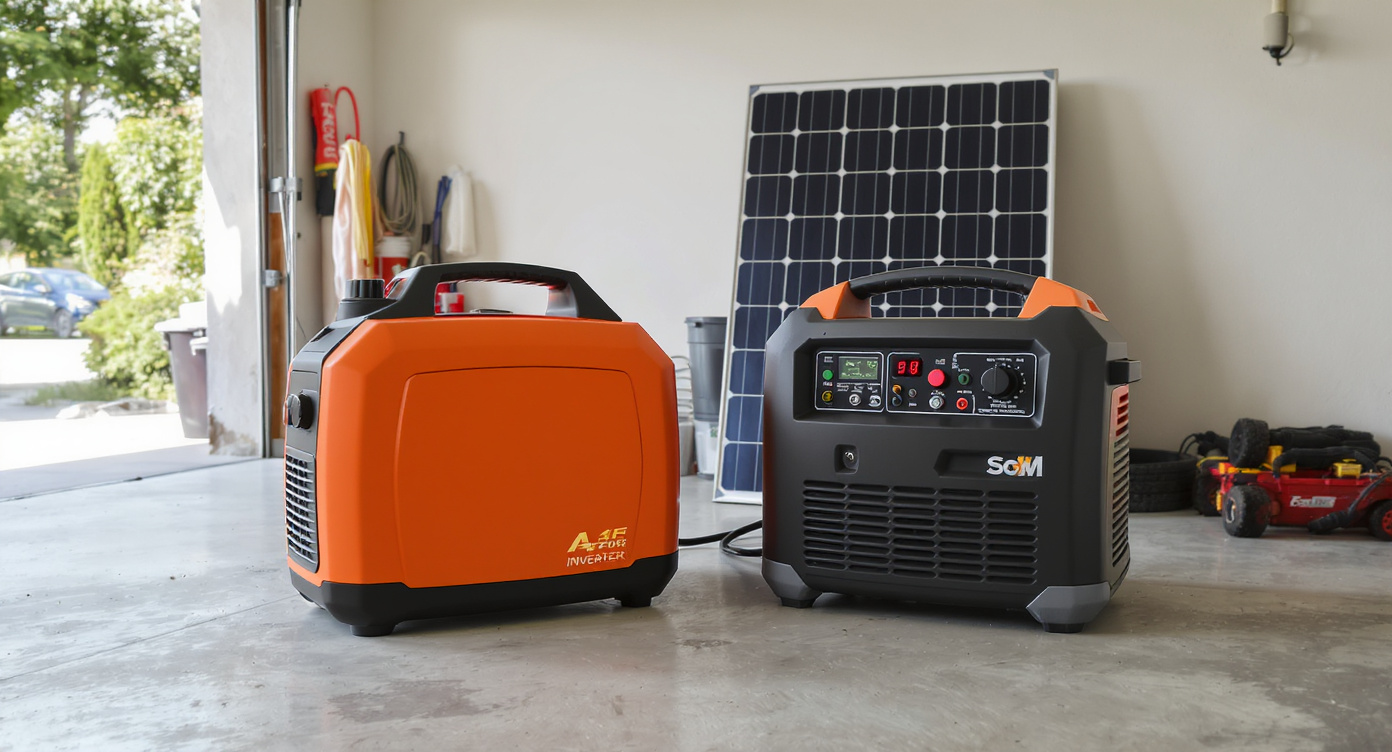
This question comes up a lot, and it’s a fair one. A gas generator doesn’t “recharge” — it runs continuously as long as you feed it fuel. That’s a real advantage in prolonged outages where sunlight is scarce. But solar generators win on convenience, silence, zero emissions, and zero fuel logistics for everyday use. The full picture is more nuanced than either side usually admits — our solar vs. gas generator comparison covers the tradeoffs honestly, including the scenarios where each genuinely wins.
Some people end up using both: a solar generator for daily and moderate backup use, and a gas or propane generator as a last resort for extended outages. If you’re thinking about how those two systems could work together, our guide on connecting a generator to a solar system explains how to do it safely.
One More Thing: Battery Chemistry Affects Long-Term Speed
Most fast-charging solar generators today use LiFePO4 (lithium iron phosphate) batteries rather than older NMC (nickel manganese cobalt) lithium cells. LiFePO4 handles high charge rates better over time — it degrades more slowly when charged and discharged repeatedly at higher speeds. For a unit you plan to charge and use frequently, LiFePO4 chemistry means the charge speed you get on day one is much closer to what you’ll have after 1,000+ charge cycles. If longevity matters to you, check out our article on how long solar generators last — battery chemistry is one of the biggest factors.
Insider tip: Some manufacturers quote “0–80% charge time” rather than 0–100%. The final 20% of a lithium battery charges more slowly due to how the cells behave near full capacity (similar to how a sponge absorbs water quickly when dry but slows down near saturation). When comparing charge times across brands, make sure you’re comparing the same metric — full charge vs. 80% charge times aren’t the same number.
Frequently Asked Questions
Can I charge a solar generator faster by adding more panels?
Yes — up to the unit’s maximum solar input rating. If your station accepts 600W max and you’re currently running 200W of panels, adding more panels will speed up charging. Once you hit the ceiling, adding more panels won’t help (and could damage the charge controller if you exceed the voltage limits).
Does charging speed affect how long the battery lasts over time?
Moderate fast charging (within the manufacturer’s rated input) is generally fine for modern LiFePO4 units. Consistently charging at the absolute maximum rate in extreme heat can accelerate wear slightly, but reputable brands design their MPPT controllers to protect the battery from harmful charge rates.
Is a solar generator with fast charging good for running a space heater?
Space heaters are among the most power-hungry appliances — typically 1,000–1,500W. A solar generator can run one, but it will drain the battery quickly. Fast recharging helps you recover capacity between uses. For a full breakdown of this use case, see our guide on running a space heater on a solar generator.
What’s the difference between a solar generator and a DIY battery system?
A solar generator is an all-in-one packaged unit — battery, inverter, charge controller, and ports in one box. A DIY system lets you choose each component separately, often at lower cost per watt-hour, but requires more technical knowledge to assemble safely. If you’re curious about the DIY route, our walkthrough on how to build a solar generator covers what’s involved.
Do solar generators work on cloudy days?
Yes, but at reduced output — typically 10–25% of rated panel wattage on heavily overcast days, and 30–60% on partly cloudy days. Fast-charging units with high solar input ratings handle this better because even a reduced percentage of a large input ceiling delivers more usable watts than the same percentage of a small one.
Your Next Step Toward Faster, Smarter Solar Power
Choosing the fastest charging solar generator isn’t just about finding the biggest number on a spec sheet — it’s about matching input capacity to the panels you’ll actually deploy, understanding how battery chemistry affects long-term performance, and being realistic about real-world solar conditions. The good news is that the current generation of solar generators has made genuine leaps in charging speed, and even mid-range units now offer performance that would have been flagship-level just a few years ago.
Start with your capacity needs, identify the fastest-charging option in that range, pair it with enough panel wattage to actually hit the input ceiling, and you’ll have a system that keeps up with your energy demands. If you want to go deeper on how solar and generator options compare across the board, our solar vs. generator overview is a great next read. You’ve got the framework — now go find the unit that fits your setup.