So you’ve started researching solar generators and the Titan solar generator keeps showing up in every forum thread you visit. That’s not an accident. The Titan — built by Point Zero Energy — has earned a devoted following among serious off-grid enthusiasts, RV travelers, and home backup preppers alike. But if you’re a first-time buyer, the spec sheet can feel like reading a foreign language. This guide is your step-by-step walkthrough: what the Titan actually is, how to read its numbers, how it stacks up against the competition, and whether it’s the right fit for your specific situation.
What Exactly Is the Titan Solar Generator? (A Plain-Language Answer)
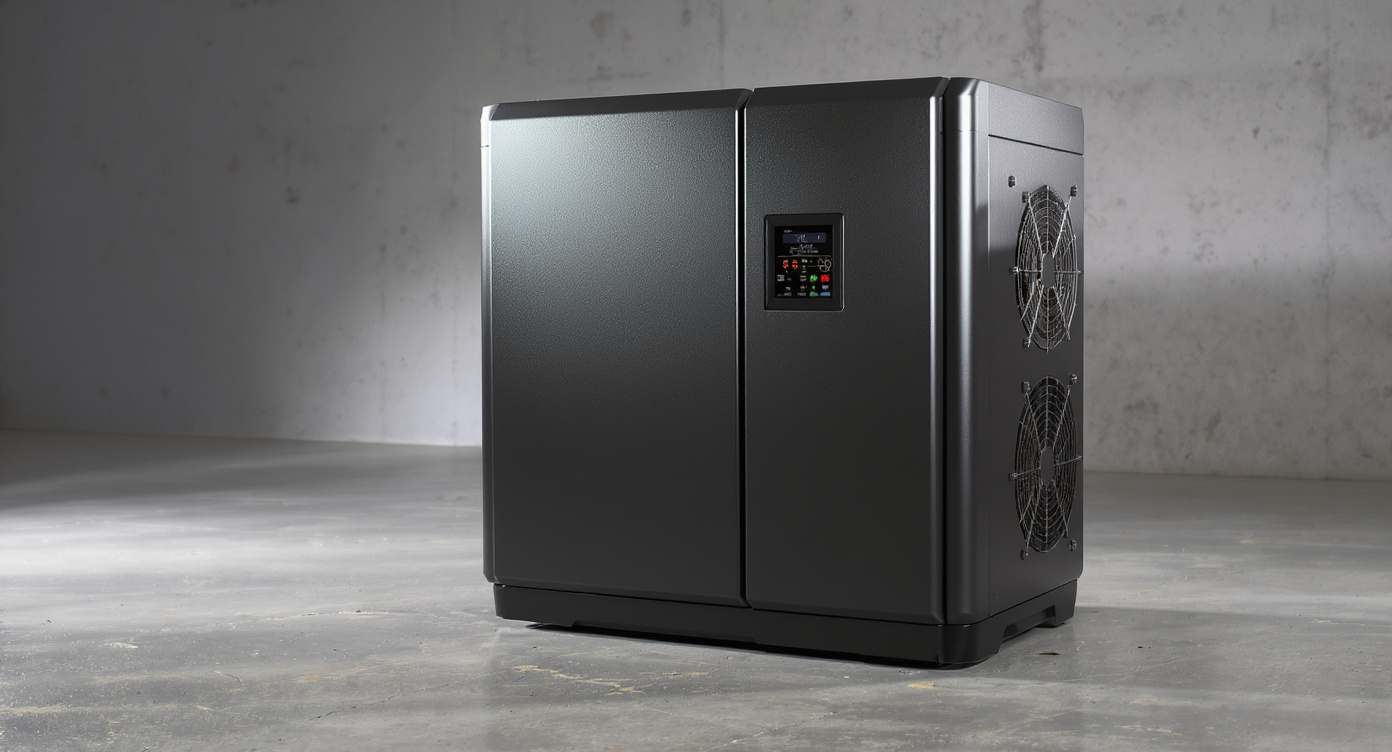
A solar generator is a combination of three things packed into one portable unit: a lithium battery bank (stores energy), an inverter (a device that converts battery DC power into the AC power your appliances use), and a charge controller (the traffic cop that regulates incoming solar energy so it doesn’t overcharge or damage the battery). The Titan bundles all three into a modular, expandable system — meaning you can add extra battery packs over time rather than replacing the whole unit.
Here’s a quick snapshot for featured-snippet purposes:
- Battery capacity: ~2,000 Wh per battery module (expandable)
- Inverter output: 3,000W continuous AC power
- Solar input: Up to 2,000W of solar panels simultaneously
- Battery chemistry: Lithium NMC (Nickel Manganese Cobalt)
- Best for: Heavy appliances, home backup, off-grid cabins, RV full-timers
Step 1 — Understand What “Watt-Hours” Actually Means for Your Life
Before you can evaluate any solar generator — Titan or otherwise — you need to understand watt-hours (Wh), which is the unit that measures how much energy a battery can store and deliver. Think of it like the fuel tank on a car: the bigger the tank, the longer you can drive before refueling. A 2,000 Wh battery can, in theory, power a 100-watt light bulb for 20 hours, or a 500-watt mini-fridge for roughly 4 hours before needing a recharge.
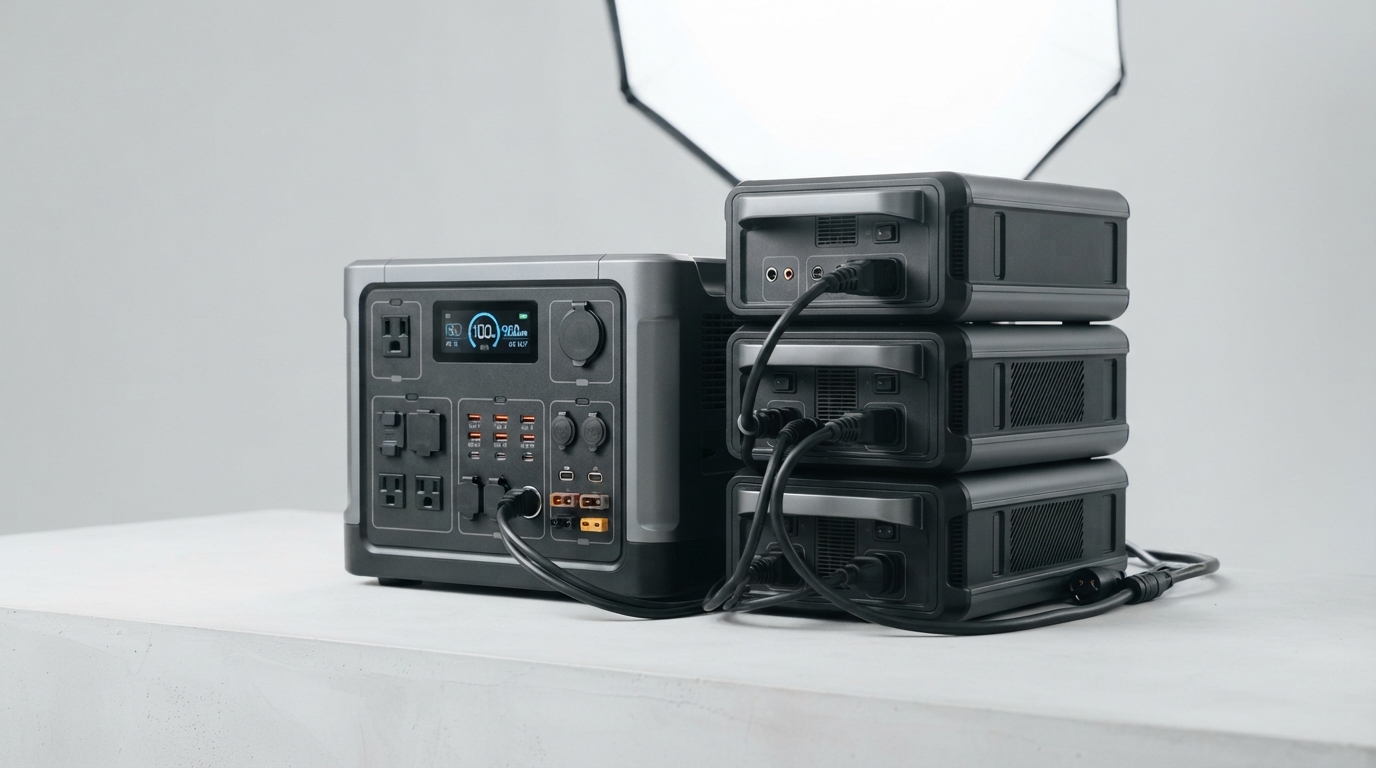
The Titan’s base configuration starts at around 2,000 Wh, but its modular design lets you stack additional battery packs — potentially reaching 6,000 Wh or more. That’s a meaningful distinction from most competitors, which are sealed, fixed-capacity units. Ask yourself: are you powering a weekend camping trip, or are you trying to run a refrigerator, CPAP machine, and a few lights through a multi-day grid outage? Your answer should guide your capacity decision more than any spec sheet ever will.
Step 2 — Learn the Inverter Numbers (and Why 3,000W Matters)
The inverter rating is arguably the most important number after capacity. The Titan’s 3,000W continuous inverter means it can power appliances drawing up to 3,000 watts simultaneously without tripping or shutting down. Many competing units in the same price range cap out at 1,500W–2,000W continuous. Why does this matter? Because common household appliances have surge wattage (the brief spike of power needed at startup, often 2–3× their running wattage). A refrigerator compressor, a well pump, or a window AC unit can easily surge past 2,000W at startup — and a generator that can’t handle that surge simply won’t start those loads.
This is one area where the Titan genuinely differentiates itself. If you’re comparing it to something like the Bluetti solar generator lineup, you’ll notice that some Bluetti models match or exceed this output — but often at a higher price point or with different battery chemistry tradeoffs.
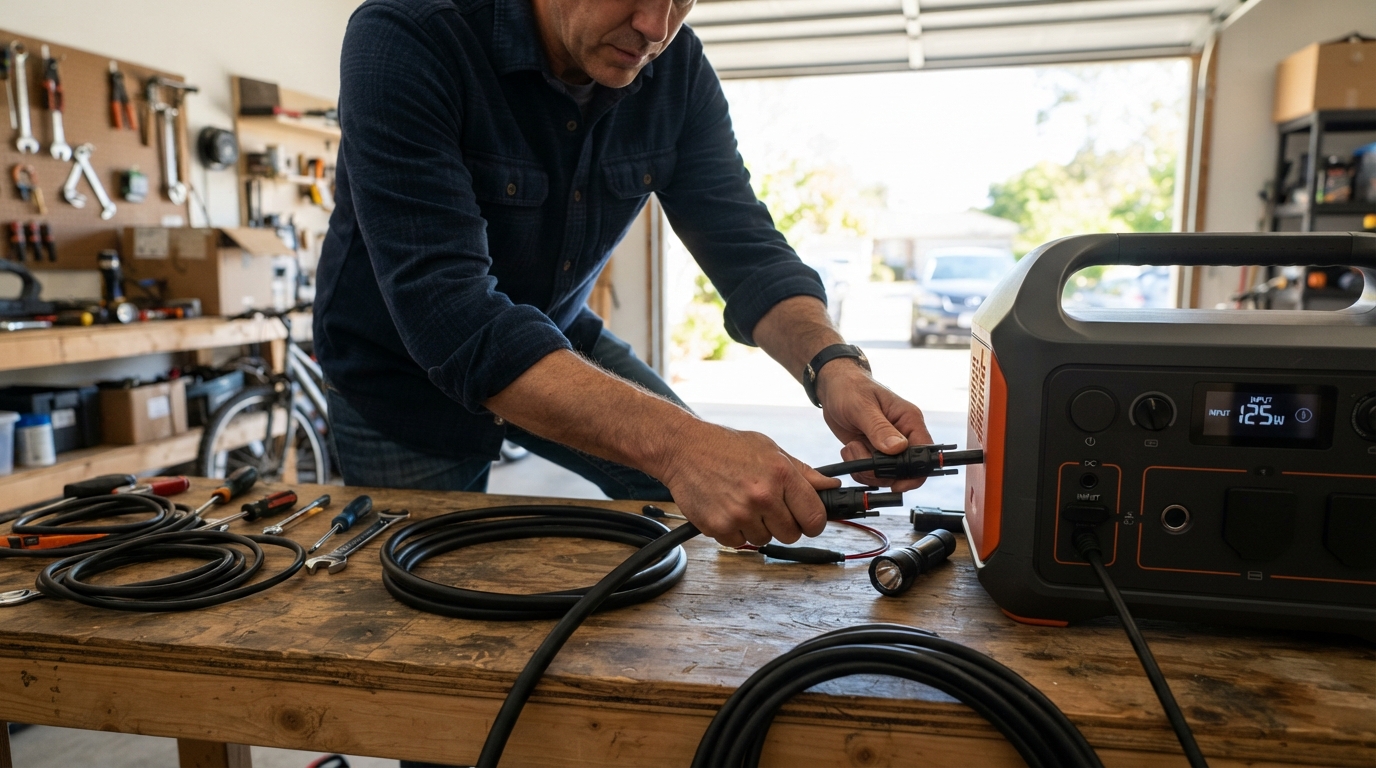
Step 3 — Map Out Your Solar Input Options
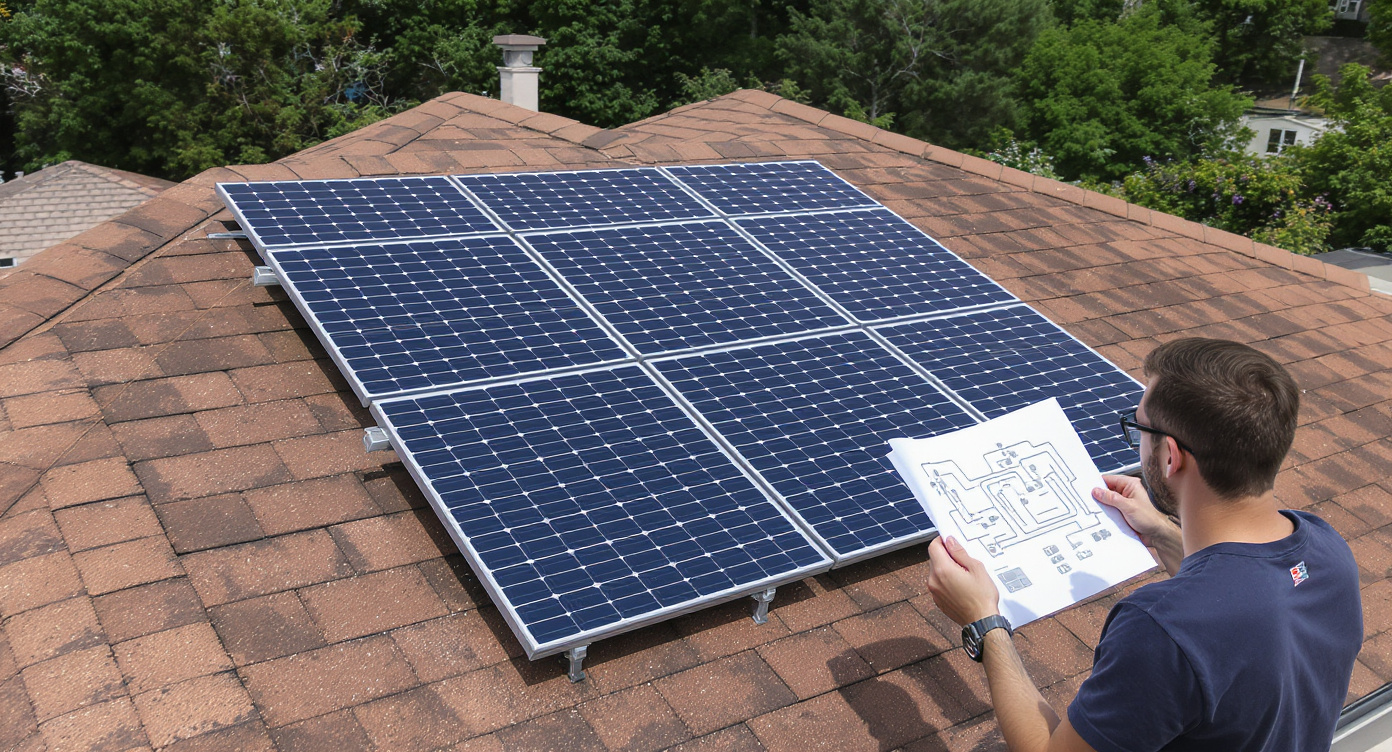
A solar generator without solar panels is just a large, expensive battery. The Titan accepts up to 2,000W of solar input, which is unusually high for a portable system. Most entry-level units cap solar input at 200W–400W, meaning recharge times stretch painfully long on cloudy days or during high-demand situations. The Titan’s wide input window means you can pair it with multiple panels and genuinely recharge the battery in a reasonable window — sometimes as fast as 4–6 hours under good sun conditions with a full panel array.
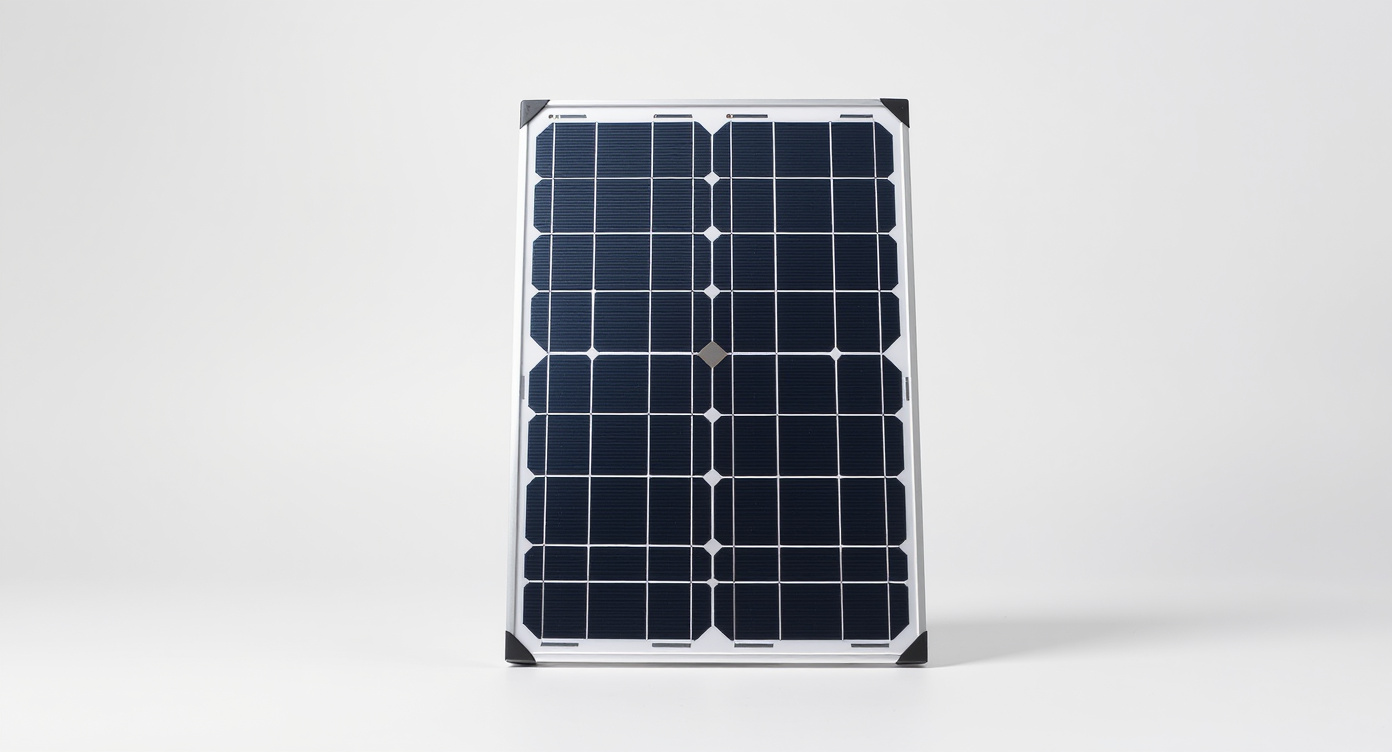
When you’re choosing panels, look for high-efficiency monocrystalline panels (cells cut from a single silicon crystal, which convert more sunlight per square foot than cheaper polycrystalline alternatives). The Titan is compatible with most standard 12V, 24V, and 48V panel configurations, giving you flexibility to mix and match from different brands.
Insider Tip: Don’t just buy the maximum panel wattage your generator can accept on day one. Start with enough panels to cover your daily usage, then add more as your needs grow. Over-paneling a system you’re still learning to use leads to frustration and wasted money.
Step 4 — Compare the Titan Against Key Competitors
First-time buyers almost always ask: “Is the Titan the best option, or am I paying for a name?” That’s a fair question. Here’s an honest look at where it sits in the market.
The Titan competes most directly with high-capacity units from brands like Bluetti, Goal Zero, and Lion Energy. If you look at Goal Zero Yeti 1250 reviews, you’ll see a capable unit with a strong ecosystem — but its older lead-acid battery chemistry and lower inverter output put it at a disadvantage for heavy loads. Similarly, a Goal Zero Yeti 400 review reveals a more budget-friendly entry point, but at 400 Wh it’s really a camping companion rather than a home backup solution.
On the premium end, the Bluetti 2400Wh solar generator is a genuine rival — it matches or beats the Titan on raw capacity and has excellent LiFePO4 (Lithium Iron Phosphate — a battery chemistry known for exceptional cycle life and thermal stability) chemistry. The Titan uses NMC lithium, which is energy-dense but doesn’t quite match LiFePO4’s longevity. That’s a real tradeoff worth knowing about before you buy.
For buyers on a tighter budget, the Lion solar generator series offers solid mid-range performance, and the Patriot solar generator lineup appeals to the preparedness-focused crowd with straightforward, rugged builds.

Step 5 — Identify Your Use Case Before You Buy
This is the step most buyers skip, and it’s the one that leads to the most regret. The Titan is a serious, heavy piece of equipment — the base unit weighs around 45–50 lbs before you add battery modules. It’s not something you’re casually tossing in a daypack for a hiking trip. So who is it actually right for?
- Off-grid cabin owners who need reliable power for days at a time and can keep the unit stationary
- Full-time RVers with a dedicated storage space and a roof solar array
- Home backup users who want to power a refrigerator, medical devices, and key electronics through extended outages
- Small homesteaders building toward energy independence one step at a time
If your needs are lighter — a camping weekend, a tailgate, or powering a laptop and phone on a road trip — you’d likely be better served by something like the Flashfish solar generator or the Patriot Power Sidekick, both of which are compact, lightweight, and purpose-built for casual portability.
Honest Pros and Cons of the Titan Solar Generator
No solar generator is perfect for every buyer. Here’s a balanced look at what the Titan gets right — and where it falls short.
- Pro: Modular battery expansion is genuinely rare at this price point and adds long-term value
- Pro: 3,000W inverter handles heavy appliances and startup surges that smaller units can’t
- Pro: 2,000W solar input allows fast recharge when paired with a full panel array
- Pro: Active community of users and solid manufacturer support
- Con: NMC battery chemistry has fewer charge cycles than LiFePO4 competitors
- Con: Weight makes it less portable than many rivals — this is a “set it up and leave it” unit
- Con: Higher upfront cost compared to entry-level options
- Con: Point Zero Energy is a smaller brand, so long-term parts availability is worth monitoring
Insider Tip: If cycle life is a priority for you — meaning you plan to charge and discharge this unit daily for years — seriously consider whether a LiFePO4-based competitor like the best LiFePO4 solar generator options might serve you better over the long run, even if the upfront specs look similar.

Top Solar Generator Picks for Serious Power Users
Point Zero Energy Titan
Brand: Point Zero Energy
Key Specs: ~2,000 Wh per module (expandable), 3,000W continuous inverter, up to 2,000W solar input, NMC lithium battery
Why it fits: The modular design and high inverter output make this the top choice for off-grid cabins and full-time RVers who need serious, expandable power and plan to grow their system over time.
Bluetti AC200MAX
Brand: Bluetti
Key Specs: 2,048 Wh, 2,200W inverter, expandable with B230/B300 battery modules, LiFePO4 chemistry
Why it fits: A strong Titan alternative for buyers who prioritize battery longevity. LiFePO4 chemistry delivers significantly more charge cycles, making it ideal for daily-use home backup scenarios.
EcoFlow Delta Pro
Brand: EcoFlow
Key Specs: 3,600 Wh base (expandable to 25 kWh), 3,600W inverter, 1,600W solar input, LFP battery
Why it fits: For buyers who want the highest capacity ceiling in a polished, app-connected package. The Delta Pro’s ecosystem is one of the most developed in the consumer solar generator market.
Jackery Explorer 2000 Pro
Brand: Jackery
Key Specs: 2,160 Wh, 2,200W inverter, 1,400W solar input, NMC lithium
Why it fits: A more portable alternative for buyers who want substantial capacity without the Titan’s weight penalty. Better suited to RV travel where you’re moving frequently.
Generac PWRcell Portable
Brand: Generac
Key Specs: Varies by configuration; known for robust build quality and grid-tie integration options
Why it fits: For buyers who also want to explore grid-tied options and want a brand with deep warranty support. See our full Generac solar generator reviews for detailed specs and use-case breakdowns.

Frequently Asked Questions About the Titan Solar Generator
Can the Titan run a full-size refrigerator?
Yes — the 3,000W inverter handles the startup surge of most standard refrigerators, and the 2,000 Wh battery can run a typical 150W–200W fridge for 8–12 hours before needing a recharge. Add solar panels and you can extend that indefinitely during daylight hours.
How many solar panels do I need to keep the Titan charged?
For most home backup scenarios, a 600W–1,200W panel array provides a practical balance between recharge speed and cost. If you’re running high loads daily, pushing toward the 2,000W input maximum makes sense — but that requires 6–8 standard 250W–300W panels, which is a significant roof or ground-mount installation.
Is the Titan worth the price compared to cheaper alternatives?
It depends entirely on your load requirements. If you need to power heavy appliances and want a system that grows with you, the Titan’s modular design and high inverter output justify the premium. If you only need to charge devices and run small loads, something like the PowerSource 1800 solar generator delivers solid performance at a lower entry price.
What’s the difference between the Titan and a Generac standby generator?
A Generac standby generator runs on natural gas or propane and produces power continuously as long as fuel is available — it doesn’t store energy. The Titan stores solar energy in a battery and delivers it silently, without fuel or emissions. They serve different roles: standby generators are better for indefinite, high-load outages; solar generators shine for daily use, off-grid living, and situations where fuel access is uncertain.
Does the Titan work with third-party solar panels?
Yes. The Titan’s charge controller is compatible with most standard solar panels. You’re not locked into a proprietary panel ecosystem, which is a genuine advantage — it lets you shop for the best panel prices independently. Always verify voltage and current compatibility with Point Zero Energy’s published specifications before purchasing panels.
Conclusion: Is the Titan the Right First Solar Generator for You?
If you’ve made it through this guide, you now have a clearer picture than most buyers do when they start researching. The Titan solar generator earns its reputation for a specific type of buyer: someone who needs serious power output, values expandability, and is setting up a semi-permanent or stationary system. It’s not the lightest, not the cheapest, and not the longest-lasting battery chemistry on the market — but its combination of high inverter output, modular design, and generous solar input makes it one of the most capable all-in-one systems available to consumers.
Your next step is simple: write down your three most critical appliances, look up their running wattage and startup surge, and add them up. If the total running load sits comfortably under 3,000W and your daily energy consumption is in the 1,500–4,000 Wh range, the Titan is a genuinely strong match. If your needs are lighter, explore the more portable options linked throughout this guide. And if you want to dig deeper into the LiFePO4 vs. NMC chemistry debate before committing, our full be prepared solar generator reviews resource covers that tradeoff in detail.
The right solar generator isn’t the most expensive one — it’s the one sized precisely for your actual life. Now you have the knowledge to find it.