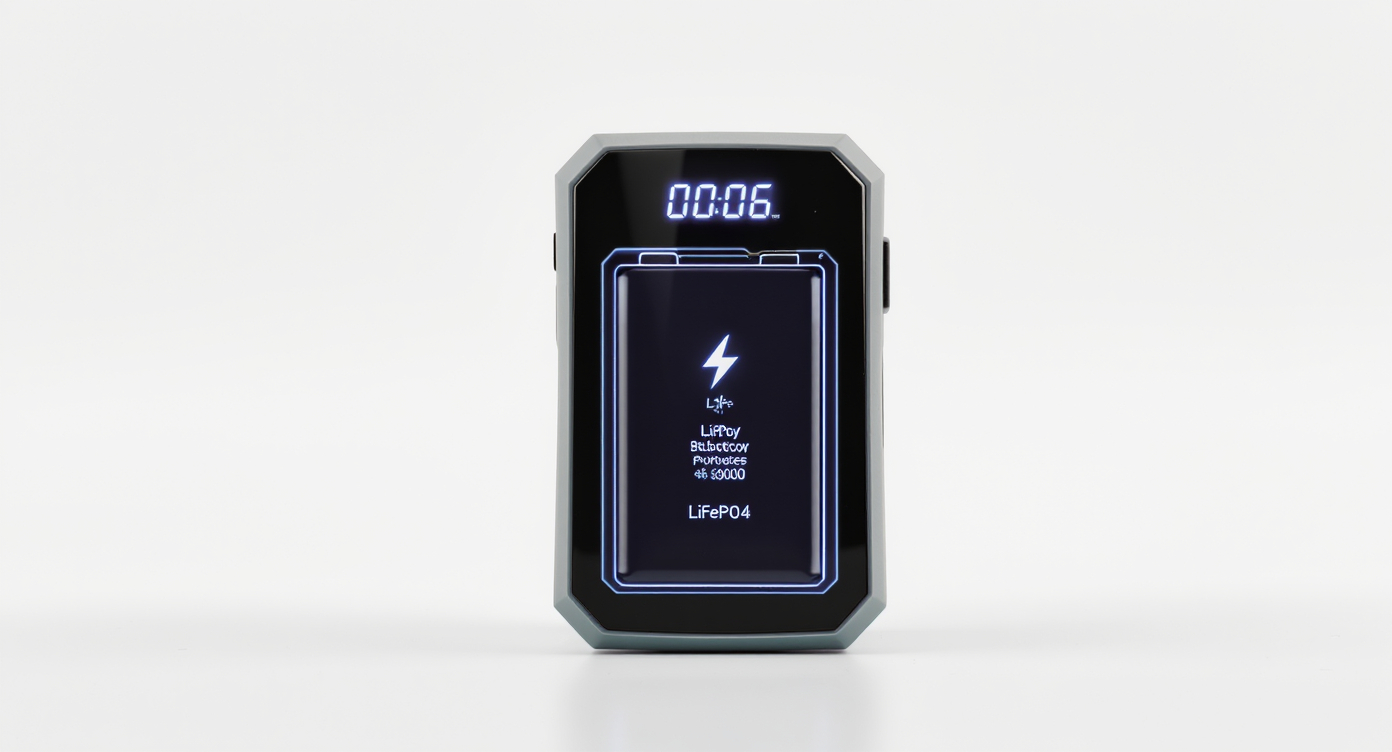
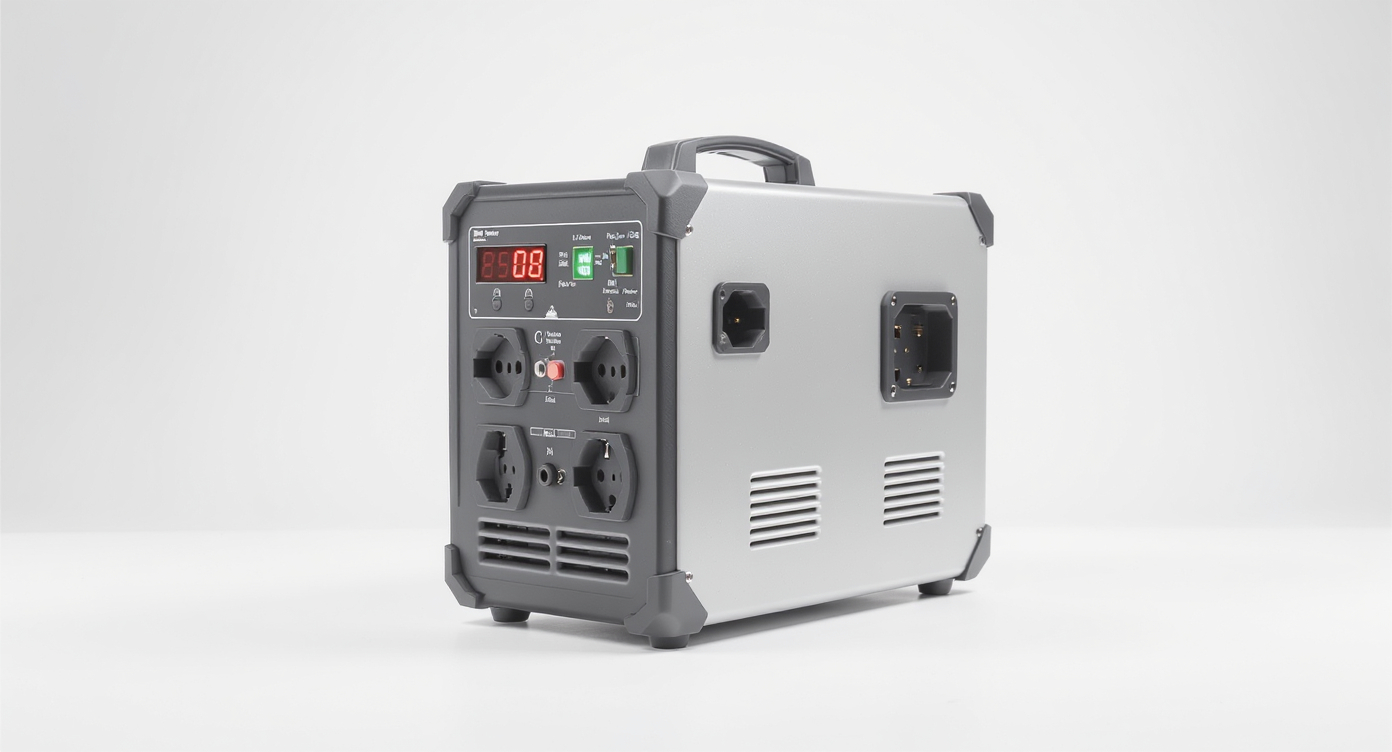
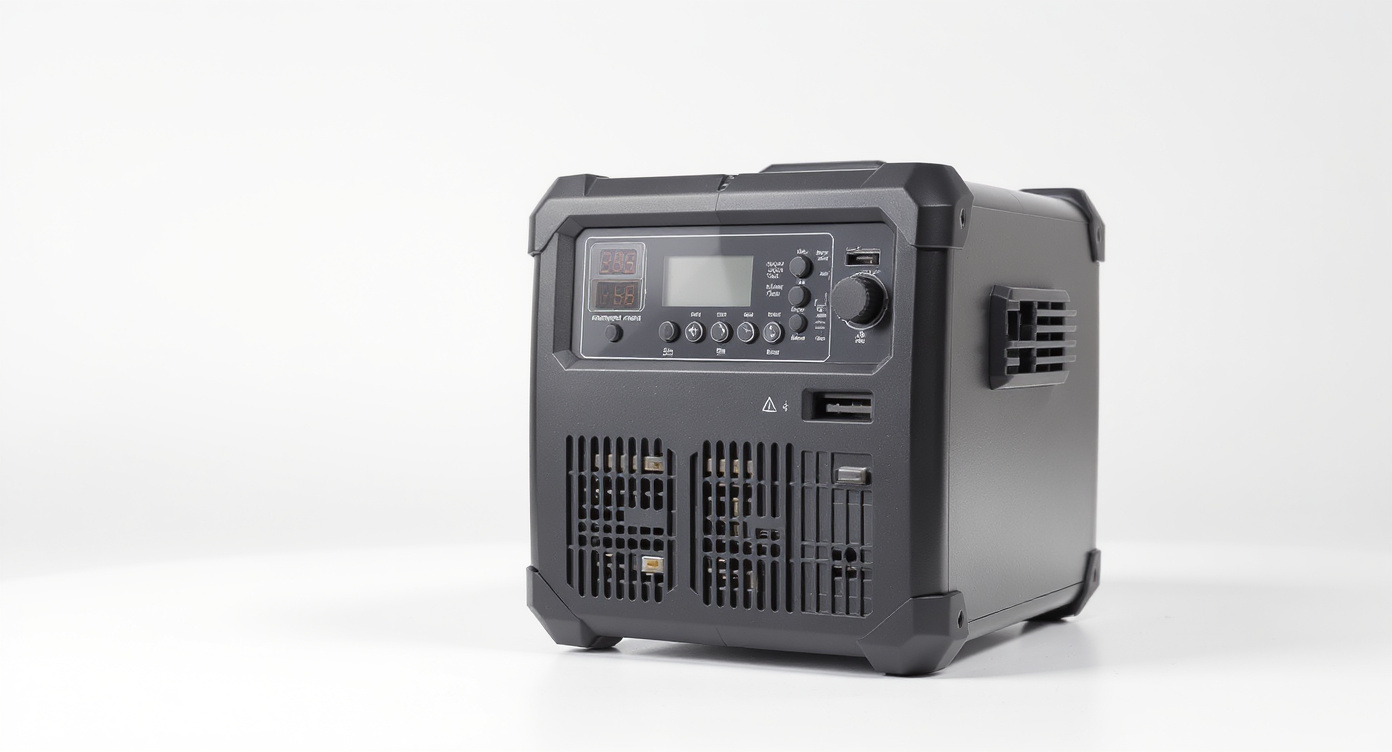
Most people assume that powering an entire house with solar backup means a six-figure installation and months of contractor visits. The truth is, the best whole house solar generator setups have become dramatically more accessible in the last few years — and understanding a handful of key specs is all that stands between you and a genuinely capable home energy backup system. Whether you’re sizing up for whole-home coverage or trying to figure out where a portable unit fits into a larger strategy, this guide walks you through everything you need to make a confident decision.
What Exactly Is a Whole House Solar Generator?
A whole house solar generator combines three core components: solar panels (which capture sunlight and convert it to DC electricity), a battery bank (which stores that electricity for use when the sun isn’t shining), and an inverter (a device that converts the stored DC power into the AC power your home’s outlets and appliances actually use). Some systems add a charge controller (a regulator that manages how power flows from panels into the battery to prevent overcharging) and a transfer switch (a safety device that disconnects your home from the utility grid before your backup power kicks in, preventing dangerous backfeed to utility workers).
Think of the whole system like a freight train: the solar panels are the locomotive generating momentum, the battery bank is the cargo cars carrying stored energy, and the inverter is the loading dock that converts that cargo into something your home can actually use. Every link in that chain has to be sized correctly, or the whole train slows down.
Quick Answer: A whole house solar generator typically requires between 10–20+ kWh (kilowatt-hours) of battery storage and a solar array of 5–15 kW (kilowatts) to cover average U.S. home energy needs, depending on your consumption habits and local sun hours. For partial-home or critical-load backup, a 2–5 kWh portable power station paired with 400–800W of panels can cover essentials like refrigerators, lighting, and medical devices.
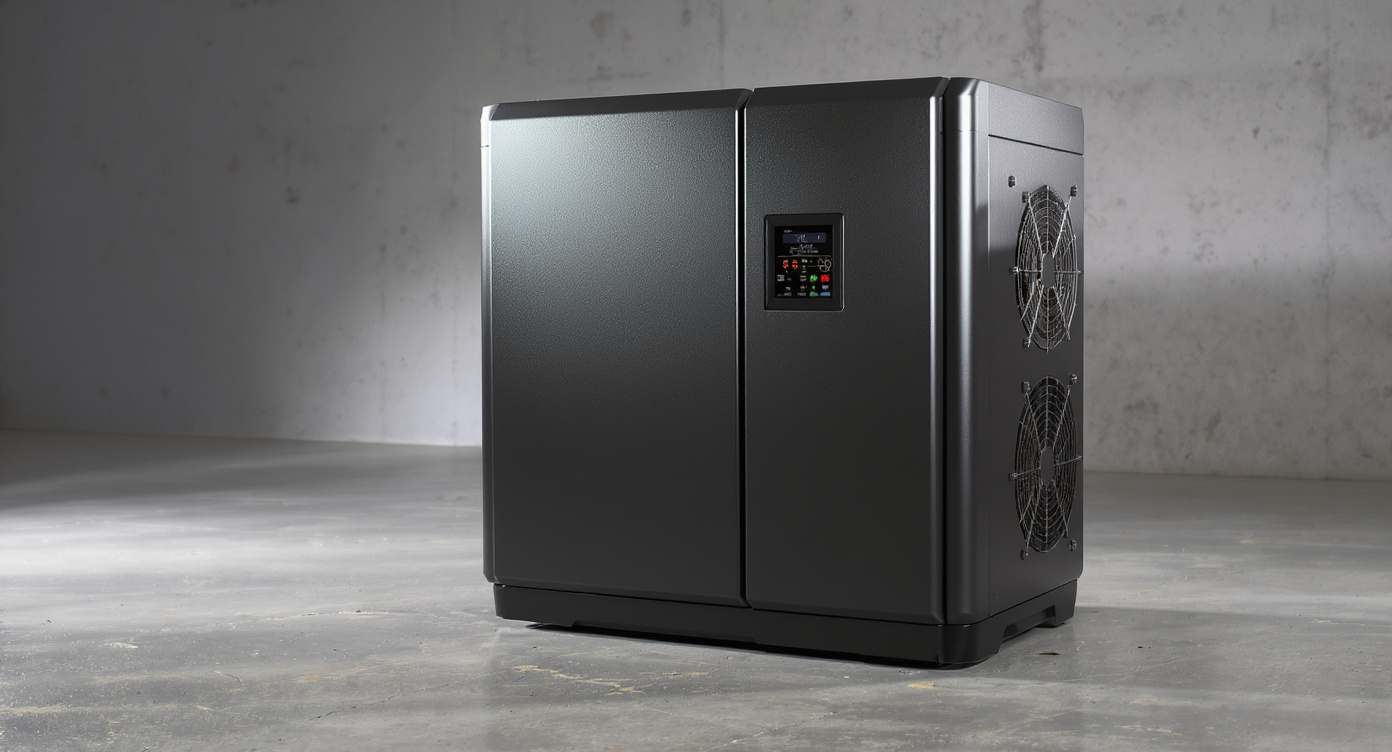
How Do You Actually Size a System for a Whole House?
This is where most buyers get tripped up, and honestly, it’s the most important question to answer before you spend a dollar. Start with your average daily energy consumption — you can find this on your utility bill, usually expressed in kWh per month. Divide that monthly number by 30 to get your daily average. A typical American home uses somewhere between 28–35 kWh per day, though homes in mild climates with efficient appliances can come in well below that.
From there, you need to think about two separate goals: full-home replacement (running everything as normal) versus critical-load backup (keeping the essentials alive — refrigerator, HVAC, lights, medical equipment, and charging devices). Full-home replacement is expensive and requires large fixed installations. Critical-load backup is where most homeowners find the sweet spot between cost and capability.
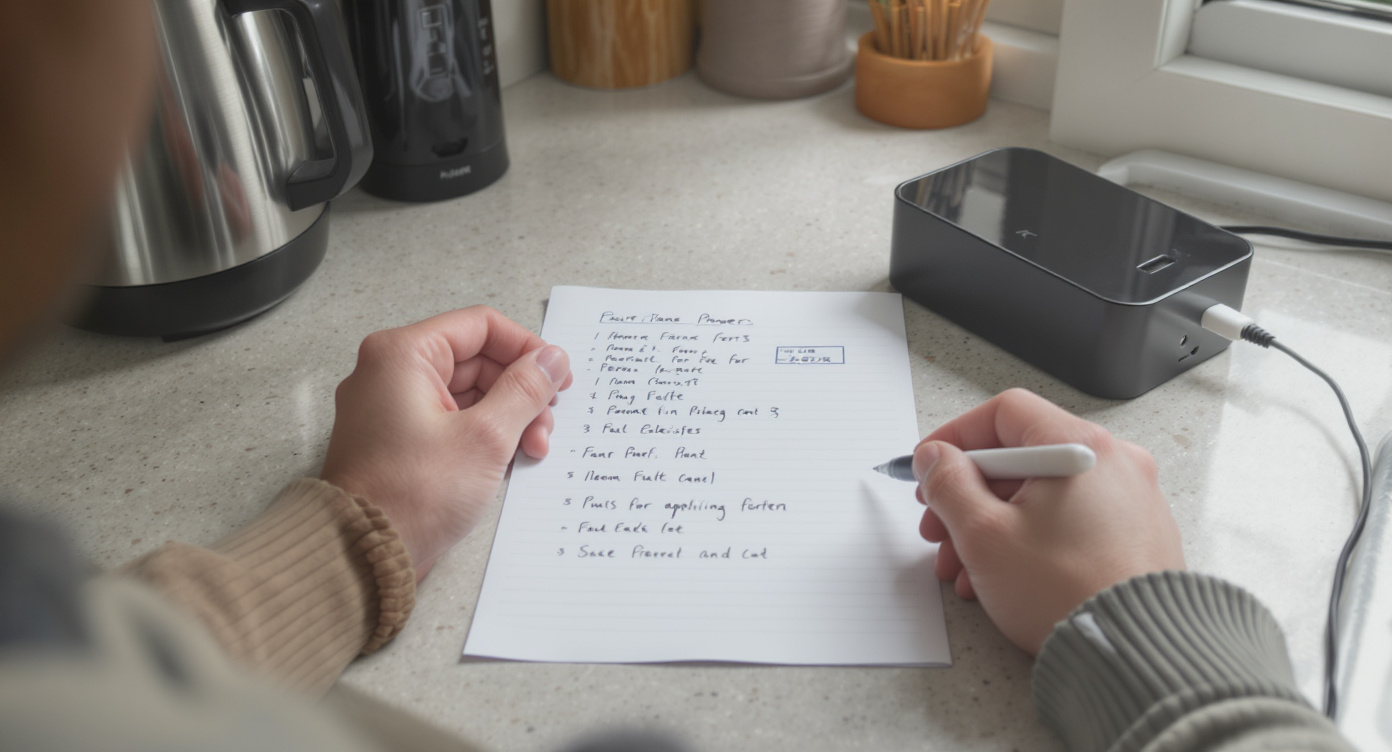
Ask yourself: what would genuinely disrupt your household if it stopped working for 24–48 hours? That list is your critical load, and it’s the smartest place to start sizing your system.
- Refrigerator: ~100–400W running, 1–2 kWh per day — check out our guide to the best solar generator for refrigerator use for detailed sizing help.
- CPAP machine: 30–60W — surprisingly easy to power; see our breakdown of the best solar generator for CPAP machines.
- Window AC unit: 500–1,500W running, much higher on startup
- Lighting (LED): 10–60W per room
- Phone/laptop charging: 20–100W
The Spec That Most Buyers Overlook: Surge Capacity
Everyone focuses on continuous output wattage — how many watts a system can deliver steadily. But motors (refrigerators, AC units, well pumps, sump pumps) draw two to three times their running wattage for a split second when they start up. This is called surge capacity or peak power, and if your inverter can’t handle it, the system shuts down or trips a breaker right when you need it most.
A system rated at 3,000W continuous might handle 6,000W of surge — which is enough for most home appliances. But a central air conditioner compressor can demand 4,000–5,000W at startup alone. This is why knowing your largest motor-driven appliance’s startup wattage is non-negotiable when shopping for the best 3,000 watt solar generator or larger whole-home system.
Insider Tip: When in doubt, add up your critical loads’ running wattage, then multiply by 1.5 to account for surge. That’s your minimum inverter size. Then add 20% headroom for future flexibility. You’ll thank yourself later.
Fixed Installation vs. High-Capacity Portable Power Stations
There’s a genuine spectrum here, and it’s worth understanding both ends before committing. Fixed whole-home solar systems — think rooftop panels wired to a battery bank like a Tesla Powerwall or similar — are permanent, high-capacity, and often grid-tied (meaning they can sell excess power back to the utility). They’re the gold standard for full-home backup but require professional installation, permits, and a significant upfront investment.
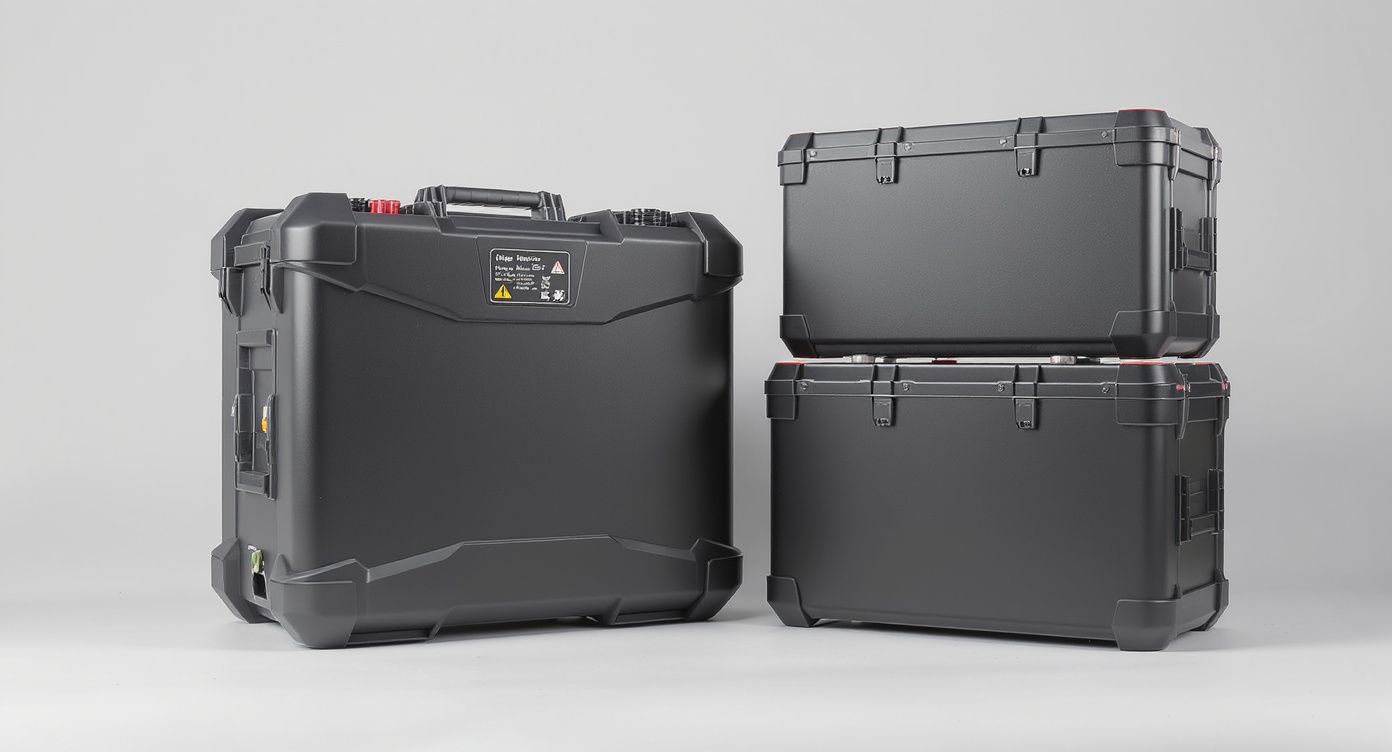
On the other end, high-capacity portable power stations (units like the EcoFlow DELTA Pro or Bluetti AC300) have pushed into the 2–5 kWh range and can be expanded with additional battery modules. They’re not truly “whole house” in the traditional sense, but for a well-managed critical-load setup, they get surprisingly close — and you can take them with you if you move. For RV owners who also want home backup capability, our guide to the best solar generator for RV use covers dual-purpose options in detail.
The honest middle ground? A high-capacity portable station as your primary backup for critical loads, supplemented by a dedicated solar array on your roof or ground-mounted panels. This hybrid approach gives you flexibility, scalability, and a much lower barrier to entry than a full fixed installation.
Top Whole House Solar Generator Systems Worth Considering
EcoFlow DELTA Pro Ultra
Brand: EcoFlow
- Capacity: 6 kWh base, expandable to ~21.6 kWh with extra batteries
- Output: 7,200W continuous AC output
- Solar Input: Up to 5,600W
- Notable Features: Smart home panel integration, whole-home transfer switch compatible, bidirectional charging
Why it fits: One of the few portable-origin systems that genuinely crosses into whole-home territory. Scalable battery capacity means you can start small and grow, and the smart panel integration makes it a real contender for critical-load whole-house backup without a full fixed installation.
Bluetti EP500 Pro
Brand: Bluetti
- Capacity: 5,100 Wh
- Output: 3,000W continuous, 6,000W surge
- Solar Input: Up to 2,400W
- Notable Features: Built-in UPS (uninterruptible power supply — keeps power on without a gap when grid fails), wheeled design, 24/7 touchscreen monitoring
Why it fits: The EP500 Pro’s UPS function is a standout for whole-home use — sensitive electronics like computers and medical devices stay on without even a flicker. Its 5.1 kWh capacity handles a full day of critical loads for most households.
Anker SOLIX F3800
Brand: Anker
- Capacity: 3,840 Wh base, expandable to ~26.9 kWh
- Output: 6,000W continuous, 120/240V output
- Solar Input: Up to 2,400W
- Notable Features: Native 240V output (runs dryers, EV chargers, well pumps), home integration kit available
Why it fits: The 240V output is a game-changer for whole-home backup. Most portable stations only deliver 120V, which means high-voltage appliances are off-limits. The F3800 eliminates that limitation and its expansion potential rivals many fixed systems.
Goal Zero Yeti 6000X
Brand: Goal Zero
- Capacity: 6,071 Wh
- Output: 2,000W continuous (3,500W surge)
- Solar Input: Up to 600W
- Notable Features: Robust build quality, Wi-Fi app monitoring, expandable with Goal Zero’s Link module for additional units
Why it fits: Goal Zero has a long track record of reliability and the Yeti 6000X’s large base capacity makes it ideal for multi-day critical load coverage. The lower solar input limit means you’ll want a robust panel setup to keep it topped up.
Jackery Explorer 5000 Plus
Brand: Jackery
- Capacity: 5,000 Wh, expandable
- Output: 4,000W continuous, 8,000W surge
- Solar Input: Up to 3,000W
- Notable Features: High surge rating, fast solar recharge, LFP (lithium iron phosphate — a battery chemistry known for longer cycle life and better thermal stability) cells
Why it fits: The 8,000W surge capacity is among the highest in the portable category, making it one of the more capable options for homes with multiple motor-driven appliances. Fast solar recharge means less downtime between uses.
Honest Tradeoffs: What You Gain and What You Give Up
No system is perfect, and a whole house solar generator setup comes with real tradeoffs worth knowing before you commit.
Pros:
- Fuel-free operation — no gasoline runs, no exhaust fumes, no generator noise
- Scalable: start with critical loads, expand capacity as budget allows
- LFP battery chemistry offers 3,000–6,000+ charge cycles (roughly 10+ years of daily use)
- Silent operation — no noise ordinance issues, usable indoors (with proper ventilation for some units)
- Portable systems offer flexibility fixed installations can’t match
Cons:
- High upfront cost compared to a conventional gas generator
- Solar recharge is weather-dependent — cloudy stretches reduce input significantly
- True whole-home coverage (HVAC, water heater, dryer) requires large, expensive setups
- Portable systems need manual management of loads; you can’t just “plug everything in”
- 240V appliances require specifically capable inverters — not all units support them
Insider Tip: If you’re buying a portable power station for whole-home backup, invest in a smart plug with energy monitoring for each major appliance. Seeing real-time wattage draw on your phone lets you manage your battery like a pro — you’ll know exactly how long your remaining capacity will last at your current consumption rate, instead of guessing.
Frequently Asked Questions
Can a solar generator run a central air conditioner?
It depends on the unit’s size and your system’s output. A small window AC (5,000–8,000 BTU) typically draws 500–900W running and can be handled by a capable 3,000W+ system. Central AC compressors, however, often require 3,000–5,000W at startup alone, which pushes into territory that only the largest portable systems or fixed installations can handle. If AC is a priority, focus on systems with high surge ratings and at least 5–6 kWh of storage.
How long will a whole house solar generator last without sun?
This depends entirely on your load. A 5 kWh system running a refrigerator (~1.5 kWh/day), a few LED lights, phone charging, and a CPAP machine (~0.3 kWh/night) might comfortably run 2–3 days without any solar input. Add an electric stove, space heater, or window AC and that drops dramatically. The key is knowing your actual daily consumption — not an estimate.
Do I need a licensed electrician to install a whole house solar generator?
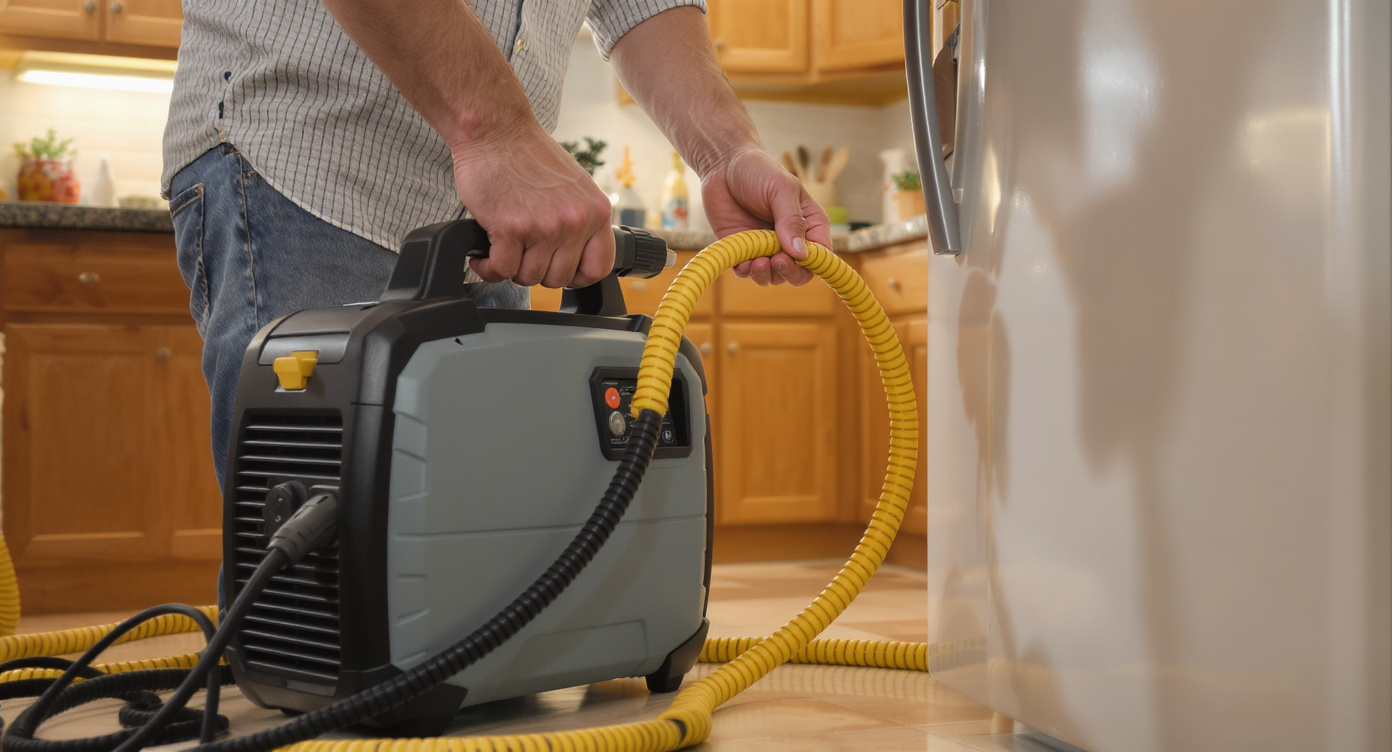
For portable power stations used with extension cords and plug-in connections, generally no. But if you’re connecting to your home’s breaker panel — even through a transfer switch — most jurisdictions require a licensed electrician and a permit. This isn’t just bureaucracy: an improperly installed transfer switch can backfeed power onto utility lines and endanger workers. Always check local codes.
Is lithium iron phosphate (LFP) worth the premium over standard lithium-ion?
For whole-home backup, almost always yes. LFP batteries tolerate deeper discharge cycles, have better thermal stability (lower fire risk), and typically last two to three times longer in cycle count than standard lithium-ion. The price premium is real but pays off over a 10-year ownership horizon.
What’s the difference between a solar generator and a solar-plus-storage system?
Mostly marketing language. “Solar generator” typically refers to a self-contained portable unit with built-in inverter, battery, and charge controller. “Solar-plus-storage” usually describes a fixed installation with separate components. The underlying technology overlaps significantly; the distinction is mainly about form factor, capacity, and installation complexity.
Putting It All Together: Your Next Steps
Finding the best whole house solar generator for your home comes down to three honest questions: How much energy do you actually need to keep running? What’s your budget ceiling? And are you looking for a permanent installation or something you can move or expand over time?
Start by auditing your critical loads — that list tells you everything about what size system to buy. If you’re new to solar backup entirely, our comprehensive best solar generator overview is a great place to build your foundational knowledge before diving into whole-home sizing. From there, match a system’s continuous output and surge capacity to your largest appliances, confirm it supports the battery expansion you might want later, and check whether it outputs 240V if you have high-voltage loads.
The technology has genuinely caught up with the ambition. A well-chosen solar generator setup today can carry your household through extended outages quietly, cleanly, and without a trip to the gas station. Take the time to size it right, and you’ll have a system that earns its place in your home for a decade or more.