You’re parked at a remote desert site, no hookups in sight, and you’ve just realized your coffee maker, CPAP machine, and laptop all need power before sunrise. This is exactly the scenario where choosing the best solar generator for RV use stops being an abstract decision and becomes a very practical one. RV solar setups have a unique set of demands — you’re dealing with limited roof space, weight restrictions, variable sun exposure on the road, and appliances that range from low-draw LED lighting to high-draw air conditioning. Getting the right system means understanding those constraints before you ever compare brand names.
This guide is built around use-case and setup planning — not a generic product dump. We’ll walk through how to size your system for real RV life, what specs actually matter when you’re rolling down the highway, and which products are genuinely well-suited to the demands of full-time or weekend RV travel.
What Makes an RV Solar Setup Different from Home Backup?
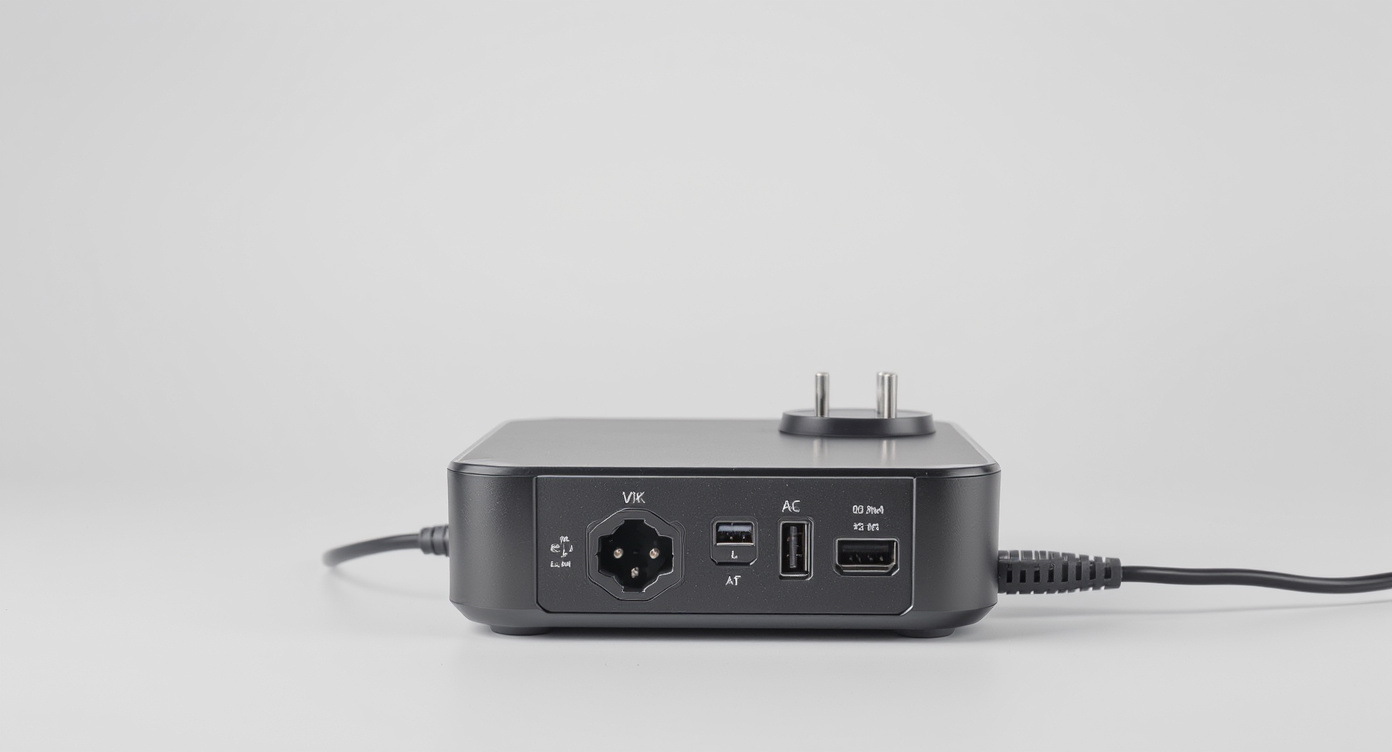
A lot of buyers make the mistake of treating RV solar the same way they’d approach a home backup system. The physics are similar, but the constraints couldn’t be more different. At home, you can bolt a 400-pound battery bank to a garage wall and run conduit through the walls. In an RV, every pound matters, roof space is finite, and your panels need to survive highway vibration, rain, and the occasional low-hanging branch.
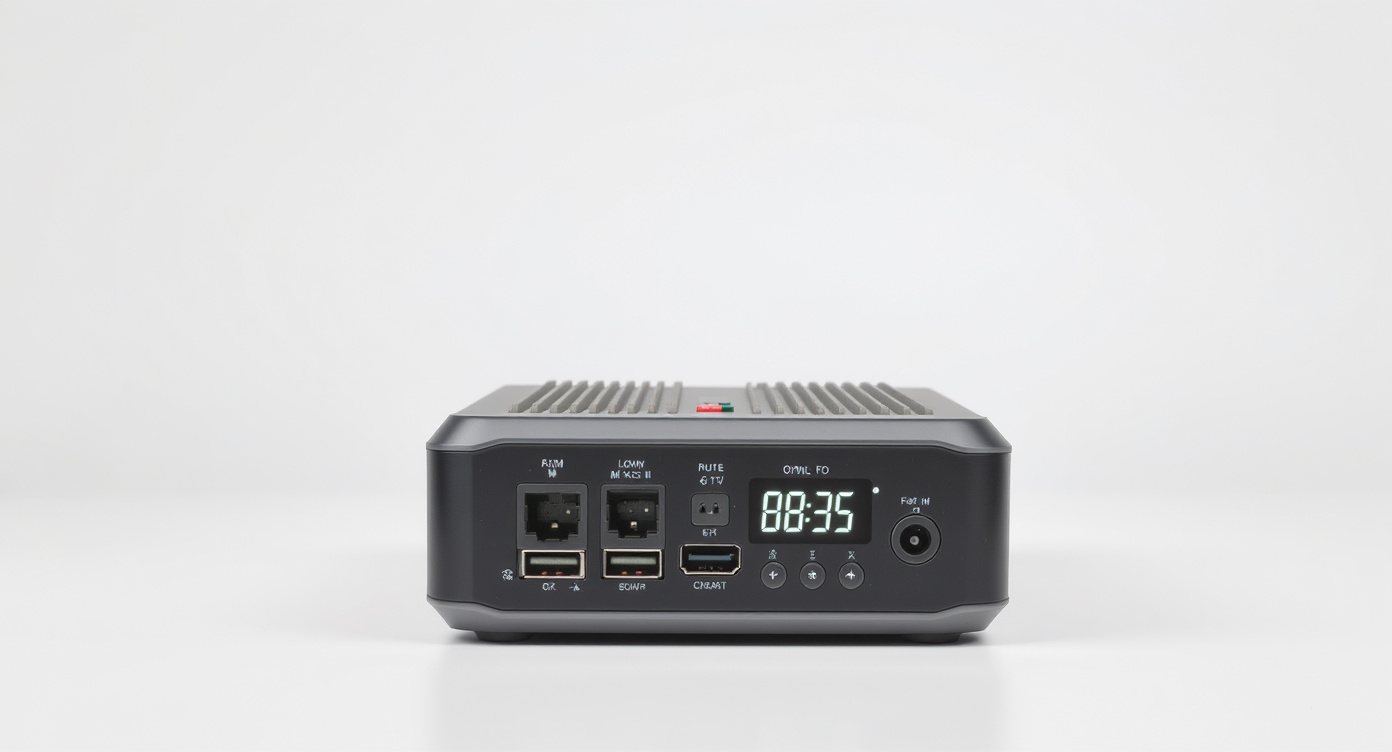
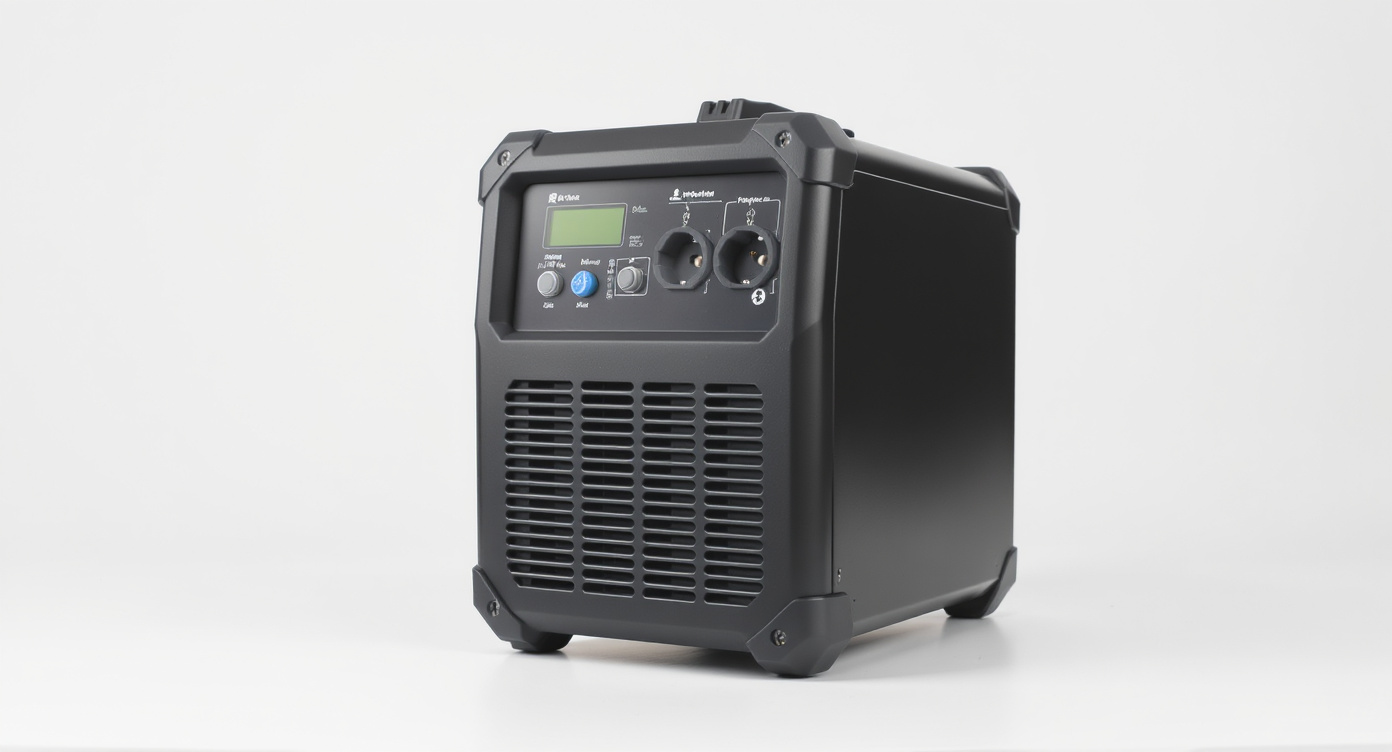
RV solar generators are typically all-in-one portable power stations — units that combine a lithium battery, an inverter (a device that converts stored DC battery power into the AC electricity your appliances use), a charge controller (which regulates the flow of power from your panels into the battery so it doesn’t overcharge), and multiple output ports into a single portable unit. Compare that to a home system, which separates those components across dedicated hardware. For RV use, the integrated approach wins on simplicity, portability, and ease of installation.
If you want a broader look at how these systems compare across different use cases, our guide to the best solar generator options overall is a good companion read. But for RV-specific planning, let’s go deeper.
How Much Power Does Your RV Actually Need?
Before you pick a unit, you need to do a quick load audit. Think of your RV’s power system like a checking account — you can only spend what you deposit, and your solar panels are your daily income. If your appliances withdraw more than the sun puts in, you’ll eventually hit zero. Here’s a simple way to estimate your needs:
- List every device you’ll run and its wattage (usually printed on a label or in the manual).
- Estimate daily hours of use for each device.
- Multiply watts × hours to get watt-hours (Wh) per device per day.
- Add them up for your total daily consumption estimate.
- Add a 20–30% buffer for inefficiency, cloudy days, and the things you forgot to list.
As a rough benchmark: a 12V RV refrigerator might use 30–60Wh per hour, a CPAP machine without a humidifier typically draws 30–60W, LED lighting across the rig might total 20–40W, and a laptop charger might pull 45–90W. A modest weekend setup could get by on 500–800Wh of storage. Full-timers running a refrigerator, CPAP, fans, and charging devices daily will likely want 1,500Wh or more — and possibly much more if you’re running air conditioning (which is a serious power hog at 1,000–1,500W running draw).
If you’re specifically sizing for a refrigerator, our deep-dive on the best solar generator for refrigerator use covers that calculation in detail. And if a CPAP is part of your nightly routine, don’t miss our guide to the best solar generator for CPAP machines — CPAP has some quirks (like pressure-related wattage spikes) that are worth knowing before you buy.

Key Specs to Prioritize for RV Solar Generators
Not every spec on the product page deserves equal attention. Here’s what actually moves the needle for RV use:
Battery Capacity (Wh)
This is the fuel tank. Bigger is better up to the point where weight and cost become prohibitive. For most weekend RVers, 1,000–1,500Wh is a sweet spot. Full-timers should look at 2,000Wh+ or plan to chain multiple units.
Continuous AC Output (Watts)
This tells you how much power the unit can deliver at once. A 1,000W continuous output is fine for lights, a CPAP, and phone charging simultaneously. If you want to run a microwave (typically 1,000–1,500W) or a coffee maker (800–1,200W), you’ll need a unit rated for at least that load — ideally with headroom to spare. Also check the peak/surge wattage, which is the brief spike of power a unit can deliver when a motor-driven appliance (like a fridge compressor) starts up. That surge can be 2–3× the running wattage.
Solar Input Capacity (Watts)
This determines how fast your panels can recharge the battery. A unit that accepts 400W of solar input will recharge significantly faster on a sunny day than one capped at 200W. For RV use where you’re often relying on solar alone, higher input capacity is genuinely valuable — especially if you’re parked somewhere with only 5–6 peak sun hours.
Battery Chemistry: LiFePO4 vs. NMC
LiFePO4 (lithium iron phosphate) batteries are increasingly the preferred choice for RV use. They handle more charge/discharge cycles (often 2,000–3,500+ vs. 500–800 for older NMC chemistries), perform better in heat, and are inherently more thermally stable — important when your rig is sitting in the Arizona sun. NMC (nickel manganese cobalt) batteries can offer higher energy density (more Wh per pound), but LiFePO4’s longevity advantage typically wins for RV applications.
Weight and Form Factor
A 2,000Wh LiFePO4 unit can weigh anywhere from roughly 40 to 60+ pounds. That’s manageable if it lives in a bay or under a dinette seat, but you’ll want to confirm it fits your storage space before ordering. Some manufacturers now offer modular systems where you can add battery expansion packs — a smart option for RVers who want to start small and scale up.
Insider tip: Check the unit’s operating temperature range before you buy. Some lithium units won’t charge in temperatures below 32°F (0°C) without a built-in battery heating system. If you’re winter camping or traveling through cold climates, this spec matters more than most buyers realize.
Solar Panel Options for Your RV Roof
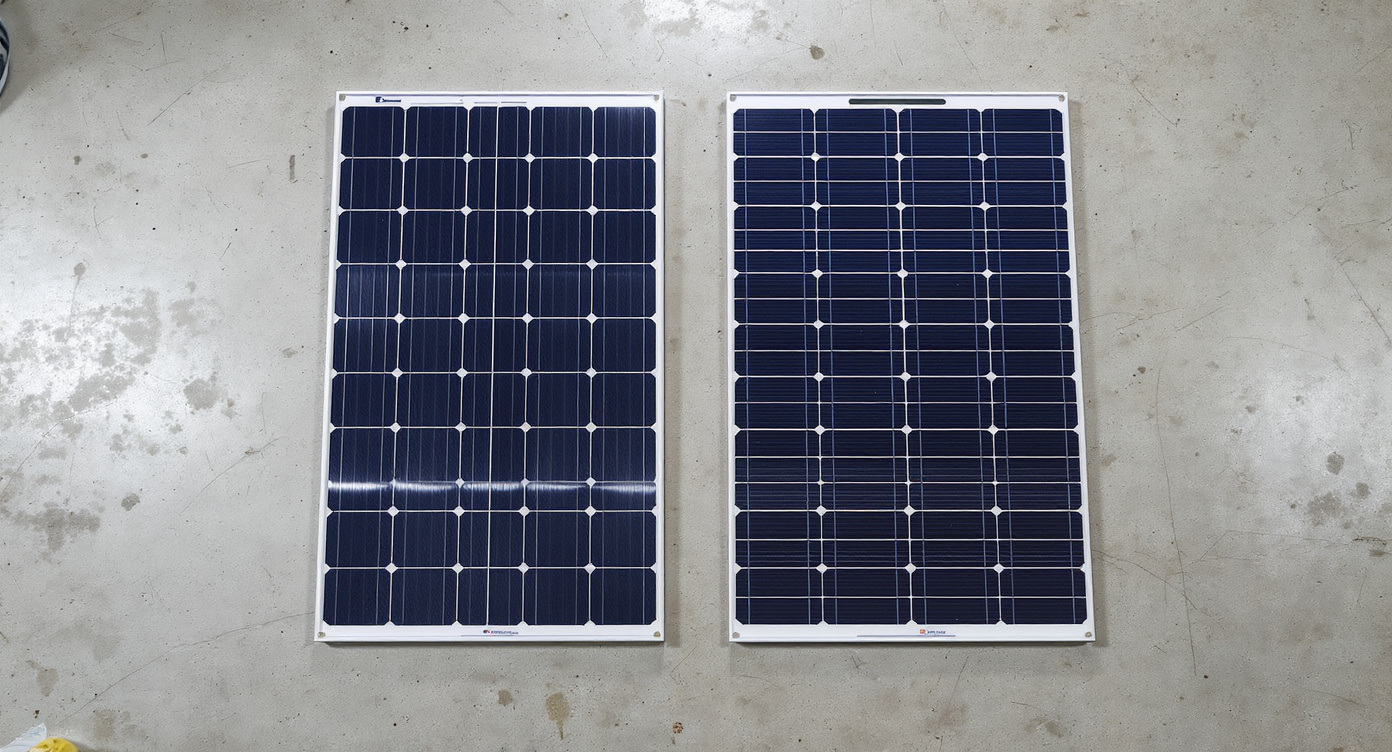
Your solar generator is only as good as the panels feeding it. For RV use, you’ve got three main panel types to consider:
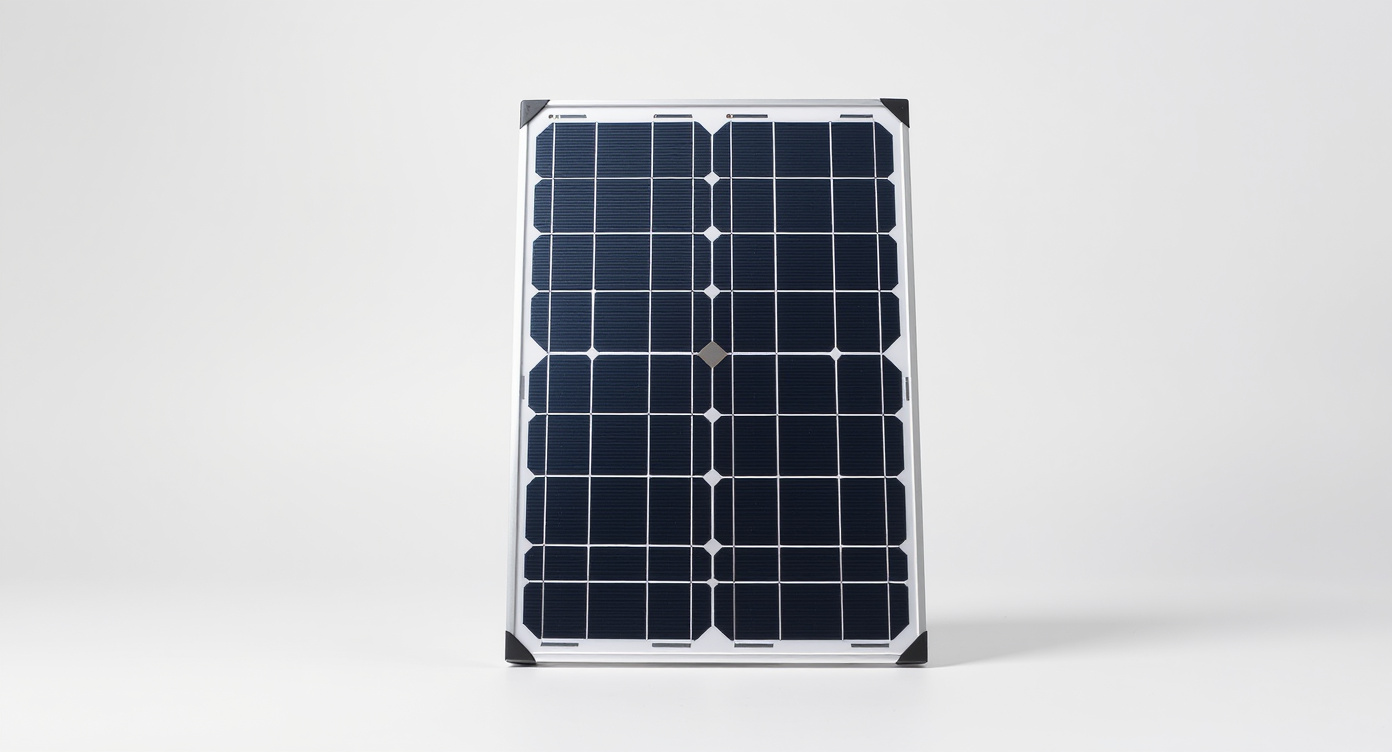
- Rigid monocrystalline panels: Most efficient per square foot, durable, and cost-effective. Best for RVers who want a permanent roof mount and have the space. Typically 15–22% efficiency.
- Flexible panels: Thin, lightweight, and can conform to curved roof surfaces. Convenient for installation, but generally less efficient and have shorter lifespans than rigid panels. Good for vans and smaller rigs with curved rooflines.
- Portable foldable panels: Fold-out briefcase-style panels you can deploy on the ground and aim at the sun. Excellent for boondockers who park in shaded spots — you can set the panel in full sun while the rig sits under trees. Most solar generators pair well with these.
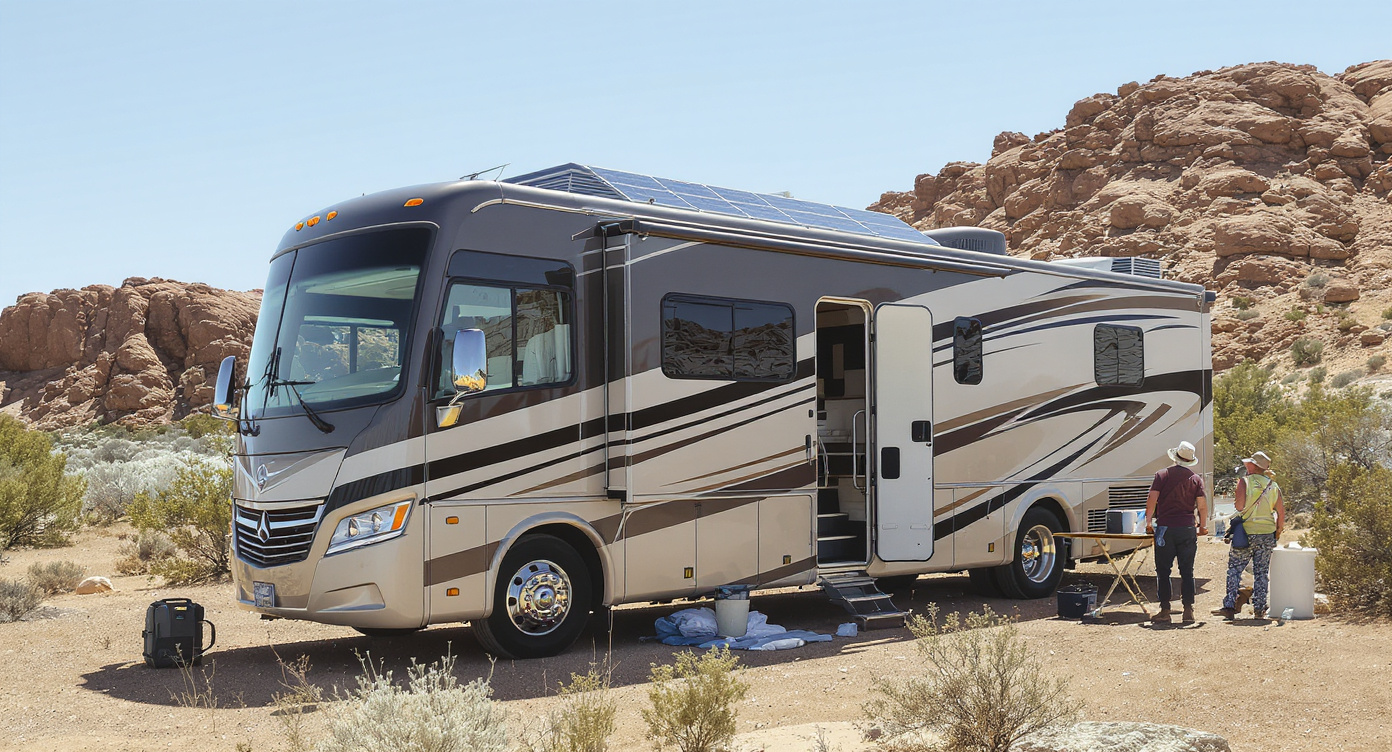
A practical combination for many RVers: a modest permanent roof array (200–400W) for baseline daily charging, plus a portable foldable panel (100–200W) for extra capacity when you’re stationary. This hybrid approach gives you flexibility without over-committing to a complex roof installation.
Top RV Solar Generator Picks for Different Setups
EcoFlow Delta 2
Brand: EcoFlow
Key Specs: 1,024Wh LFP battery, 1,800W AC output (2,700W surge), up to 500W solar input, ~12kg (26.4 lbs), X-Stream fast charging
Why it fits RV use: The Delta 2 hits the sweet spot for weekend to moderate full-time RVers. Its LFP chemistry promises 3,000+ cycles, and the 500W solar input means a full recharge is achievable in 3–4 hours with adequate panels. Expandable with an extra battery for more capacity. Manageable weight for moving in and out of storage bays.
Jackery Explorer 2000 Plus
Brand: Jackery
Key Specs: 2,042Wh LFP battery, 3,000W AC output, up to 1,200W solar input (with expansion), modular battery design
Why it fits RV use: Designed for heavier loads and longer stays. The 3,000W output handles most RV appliances short of central AC. The modular expansion system lets you add capacity as your needs grow — ideal for RVers who start part-time and transition to full-time living.
Bluetti AC200L
Brand: Bluetti
Key Specs: 2,048Wh LFP battery, 2,400W AC output (3,600W surge), up to 1,200W solar input, 16 output ports
Why it fits RV use: The AC200L is a workhorse for RVers who run multiple devices simultaneously. Sixteen output ports means you’re not fighting over charging spots. The 1,200W solar input is one of the highest in its class, making it an excellent choice for full-timers who need fast daily recharging.
Anker SOLIX C800 Plus
Brand: Anker
Key Specs: 768Wh LFP battery, 2,400W AC output (HyperFlash), up to 600W solar input, ~17 lbs
Why it fits RV use: For weekend warriors and lighter users, the C800 Plus delivers impressive output in a compact, lightweight package. At roughly 17 lbs, it’s easy to reposition and store. A solid entry point for RVers not yet ready to commit to a heavier 2,000Wh system.
Goal Zero Yeti 1500X
Brand: Goal Zero
Key Specs: 1,516Wh lithium NMC battery, 2,000W AC inverter (3,500W surge), up to 600W solar input, tank-style build quality
Why it fits RV use: Goal Zero has a long track record with the outdoor and overlanding community. The Yeti 1500X is rugged, well-supported, and compatible with a wide ecosystem of Goal Zero panels and accessories — handy if you’re already invested in their ecosystem or value long-term parts availability.
Do You Also Need a Backup Generator?
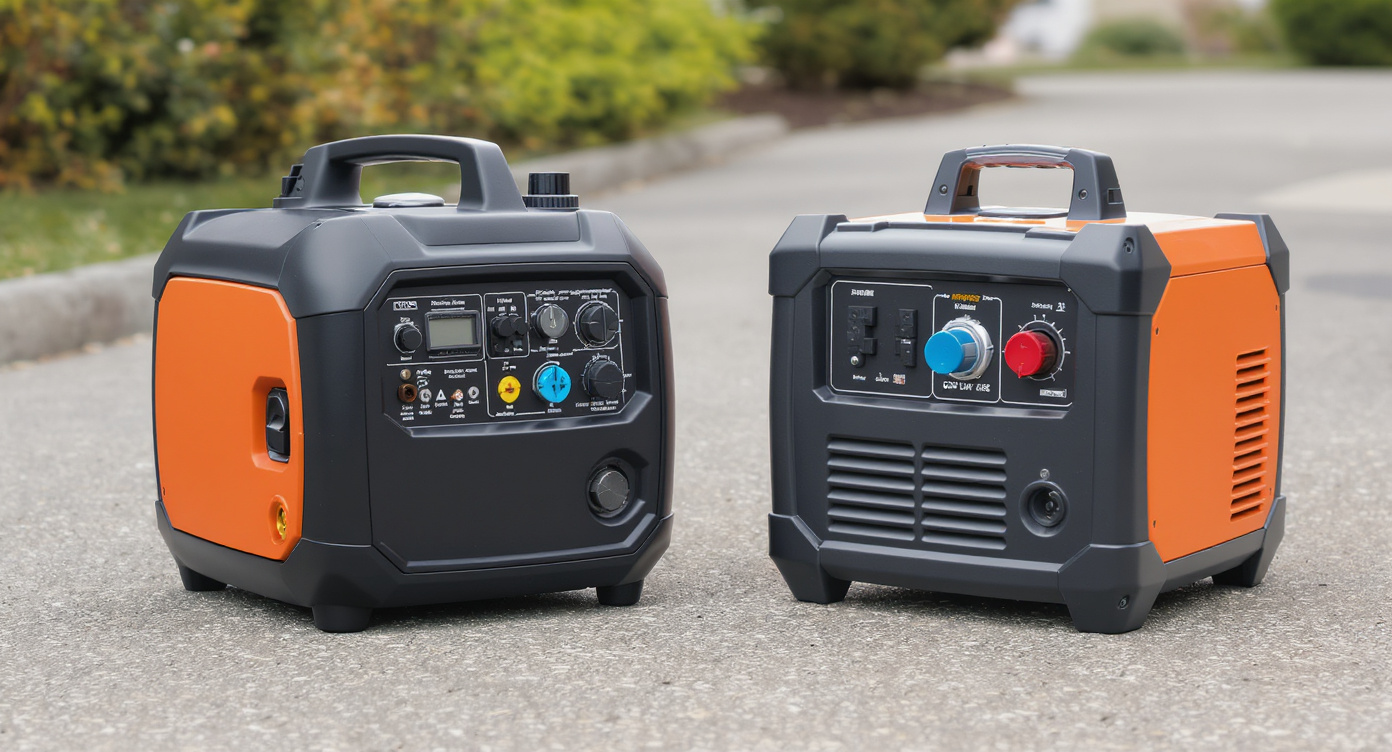
Here’s a question worth sitting with: should your solar generator be your only power source on the road? For many RVers, the honest answer is no — at least not yet. Extended cloudy stretches, high-draw appliances, and unexpected power needs can all outpace what solar alone can deliver. A small inverter generator (1,000–2,000W) as a backup charging source gives you a safety net without replacing your solar system. Many solar generators accept AC wall/generator input alongside solar input, so you can charge from both simultaneously in a pinch.
If you’re thinking about scaling up significantly — say, powering an entire large RV or a cabin with whole-house-style loads — our guide to the best whole house solar generator systems covers that territory. And if you need serious wattage for heavy appliances, the best 3000 watt solar generator options are worth a look for high-draw RV setups.
Insider tip: When using a gas generator to charge your solar power station, check the unit’s AC input wattage limit. Some stations can only accept 200–400W of AC input even though their solar input is much higher. Charging from a generator at a limited rate can take many hours — worth knowing before you’re sitting in a parking lot waiting.
Frequently Asked Questions
Can I run my RV air conditioner on a solar generator?
It depends on the AC unit and the generator’s output. A typical RV rooftop air conditioner draws 1,200–1,800W running and may spike to 2,500–3,500W on startup. You’ll need a solar generator with a high surge rating and enough continuous output — generally 2,000W+ continuous and 3,500W+ surge. Even then, running AC heavily will drain even a 2,000Wh battery in 1–2 hours, so solar recharging capacity matters enormously. Dedicated “soft start” devices (which reduce the startup surge of an AC unit) can make this more feasible.
How many solar panels do I need to keep a 1,500Wh battery topped up daily?
Assume 4–5 peak sun hours per day as a conservative average (this varies significantly by location and season). A 400W panel array producing 400W × 5 hours = 2,000Wh per day — theoretically enough to refill a 1,500Wh battery with room to spare. In practice, factor in shading, panel angle, and system inefficiencies. A 400–600W panel array is a reasonable target for a 1,500Wh system in moderate sun conditions.
Can I leave my solar generator plugged into panels all the time while parked?
Yes, and this is actually one of the best features of modern solar power stations. The built-in charge controller manages the incoming solar current and prevents overcharging. Most units will trickle-charge to maintain full capacity without damaging the battery. Just make sure panels aren’t shaded and the unit is in a well-ventilated spot — lithium batteries prefer not to bake in direct sun for extended periods.
Is it safe to use a solar generator inside my RV?
Unlike gas generators, solar power stations produce no exhaust and no carbon monoxide, making them completely safe to use inside your rig. This is one of their biggest advantages for RV use. That said, ensure reasonable ventilation if the unit runs warm, and don’t stack items on top of it during operation.
What’s the difference between a solar generator and just adding a second RV battery?
A traditional second RV battery (usually AGM or lead-acid) adds raw storage but requires a separate inverter, charge controller, and wiring to be useful for AC appliances. A solar generator integrates all of that in one unit, making it far simpler to install and use. The tradeoff is cost per watt-hour — dedicated battery banks with separate components can be cheaper at larger scales, which is why some full-timers eventually graduate to a custom system after starting with a portable power station.
Conclusion: Plan the Setup Before You Buy the Hardware
Choosing the best solar generator for RV use isn’t really about picking a brand — it’s about matching a system to your actual travel style, appliance load, and roof space. Start with your daily watt-hour consumption, then size your battery and solar input accordingly. Prioritize LFP chemistry for longevity, check surge ratings against your biggest appliances, and don’t underestimate the value of a portable foldable panel for flexibility when you’re parked in imperfect sun.
The products in this guide represent strong options across different budget and capacity tiers, but the right choice depends on your specific rig and how you use it. If you’re still exploring your options, our roundup of the best solar generators across all categories is a great next step — and if you want to go even bigger, check out our coverage of the best 3000 watt solar generator systems for high-demand setups. Your rig, your power — make sure the system you choose is built for the road you’re actually on.