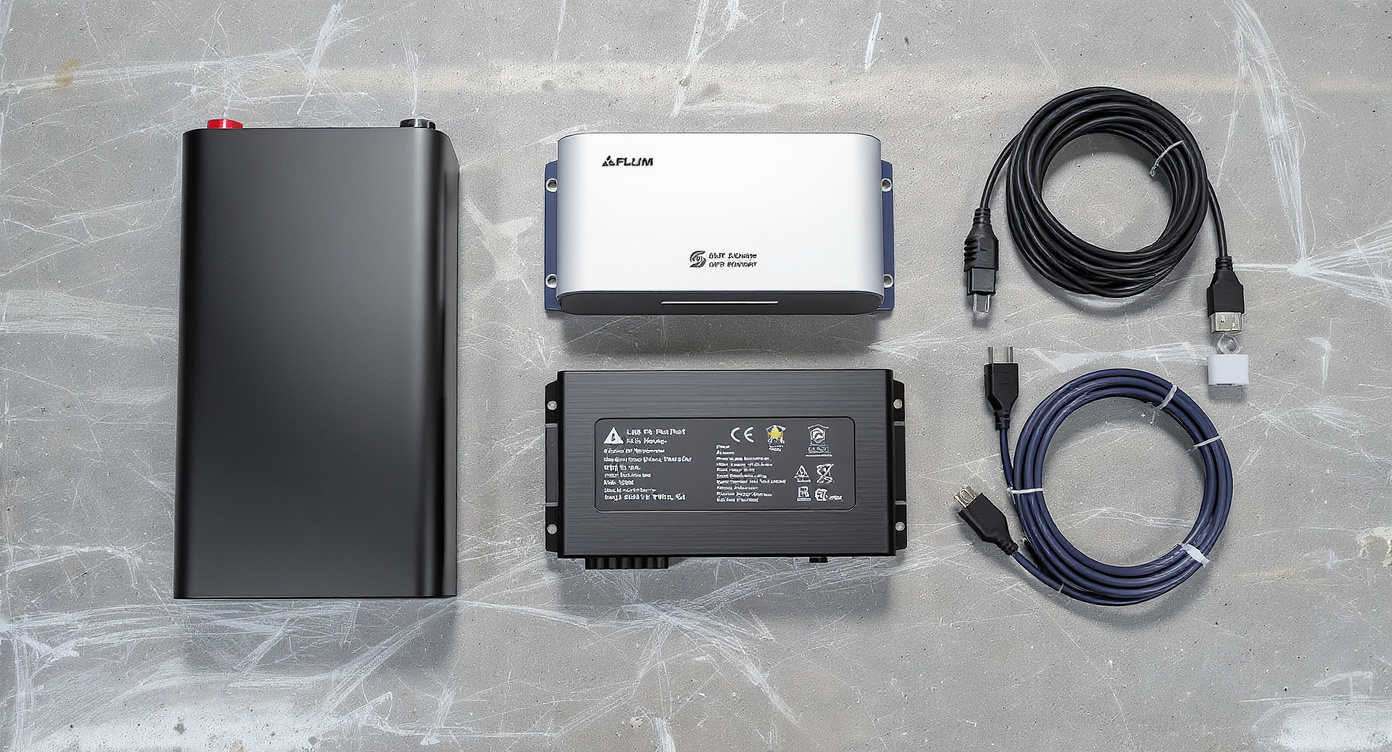
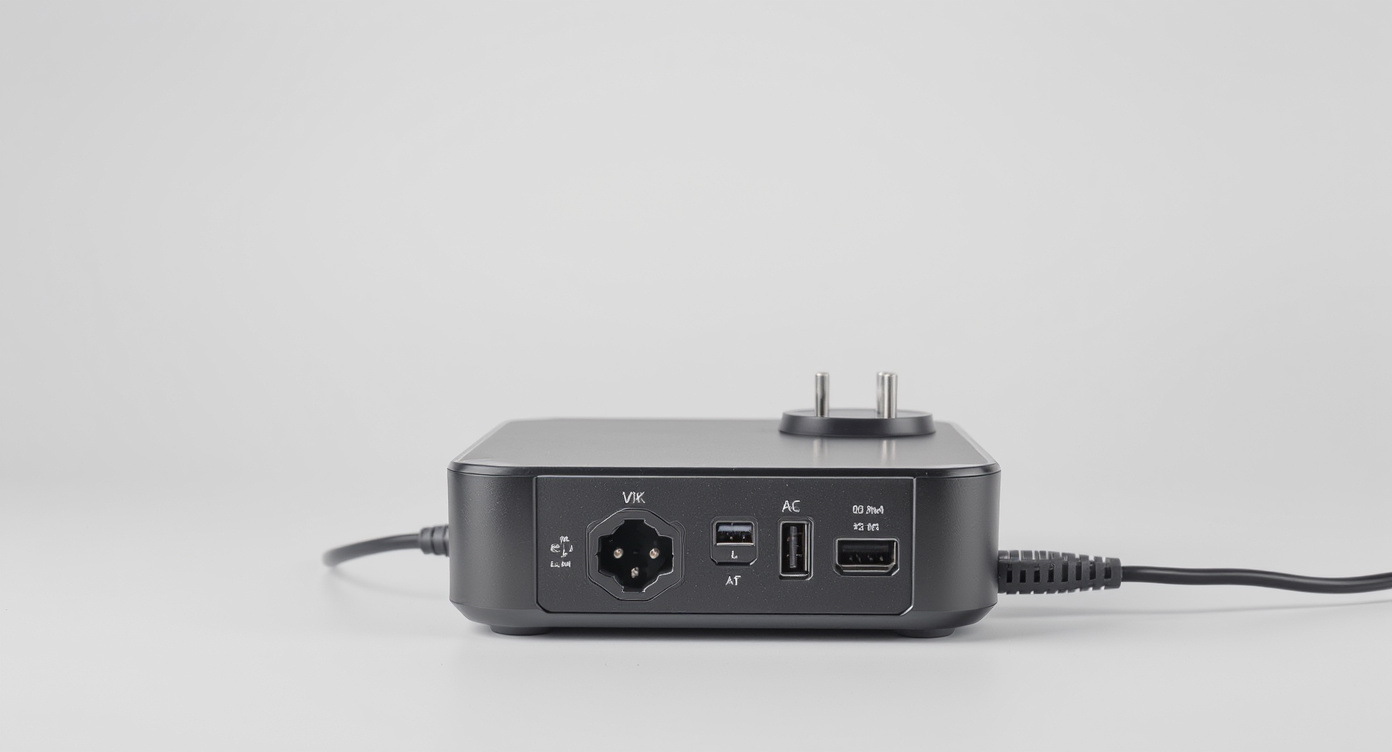
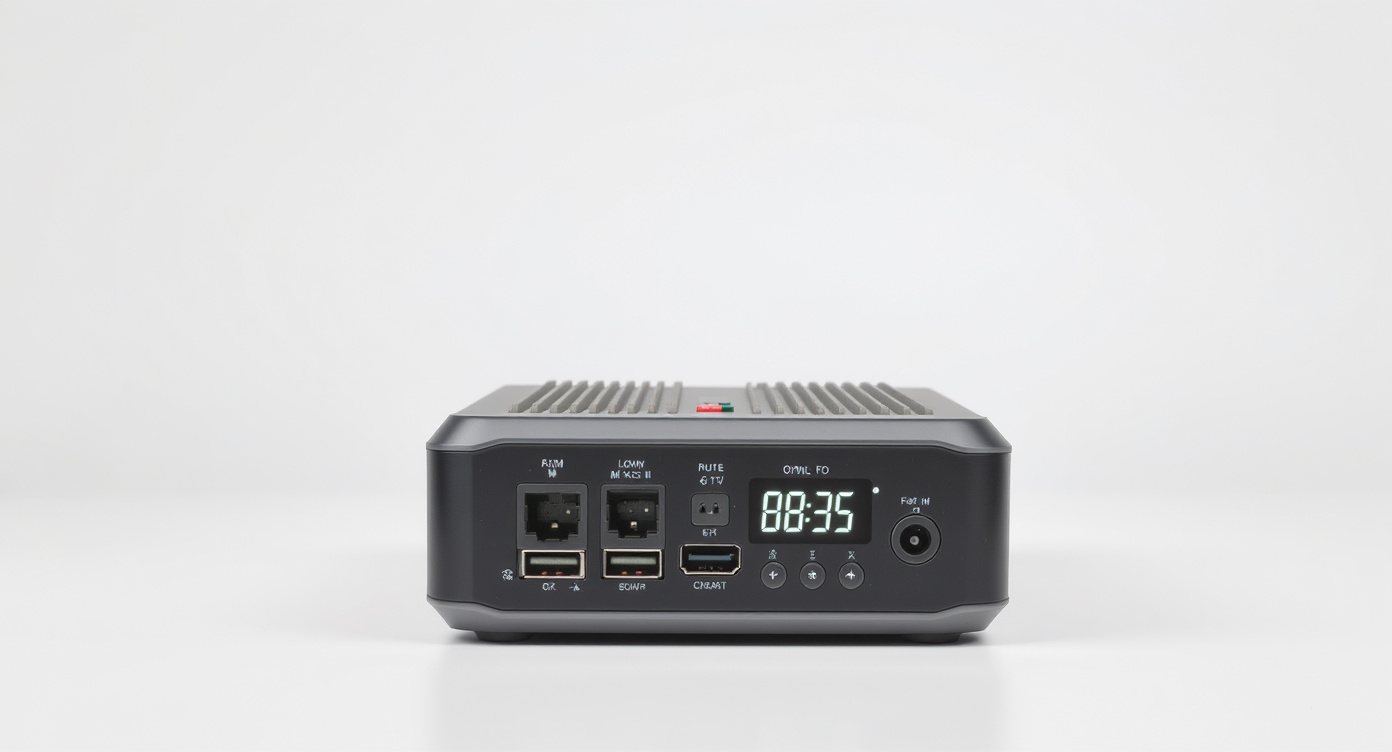
If you rely on a CPAP machine to sleep safely, you already know that a dead battery isn’t just an inconvenience — it’s a genuine health concern. Finding the best solar generator for CPAP use means asking different questions than most buyers do. It’s not just about raw watt-hours; it’s about output quality, compatibility with your specific device, and whether the system will actually hold up night after night in a camping trip, a power outage, or a remote cabin stay.
This guide is structured as an expert Q&A, because honestly, that’s how CPAP users actually shop. You come in with very specific, sometimes anxious questions — and you deserve direct, honest answers. Let’s work through them.
Quick Answer: What Do You Actually Need to Power a CPAP?
Most CPAP machines draw between 30 and 60 watts per hour, though units with a heated humidifier can climb to 100–120 watts. For a single night’s sleep (roughly 8 hours), you’re looking at 240–480 watt-hours of actual consumption — before accounting for inverter efficiency losses. A solar generator with 500–1,000 Wh of capacity covers most users for one to two nights, and pairing it with a solar panel input of 100–200W keeps it topped up during the day.
Does Output Type Actually Matter for CPAP Machines?
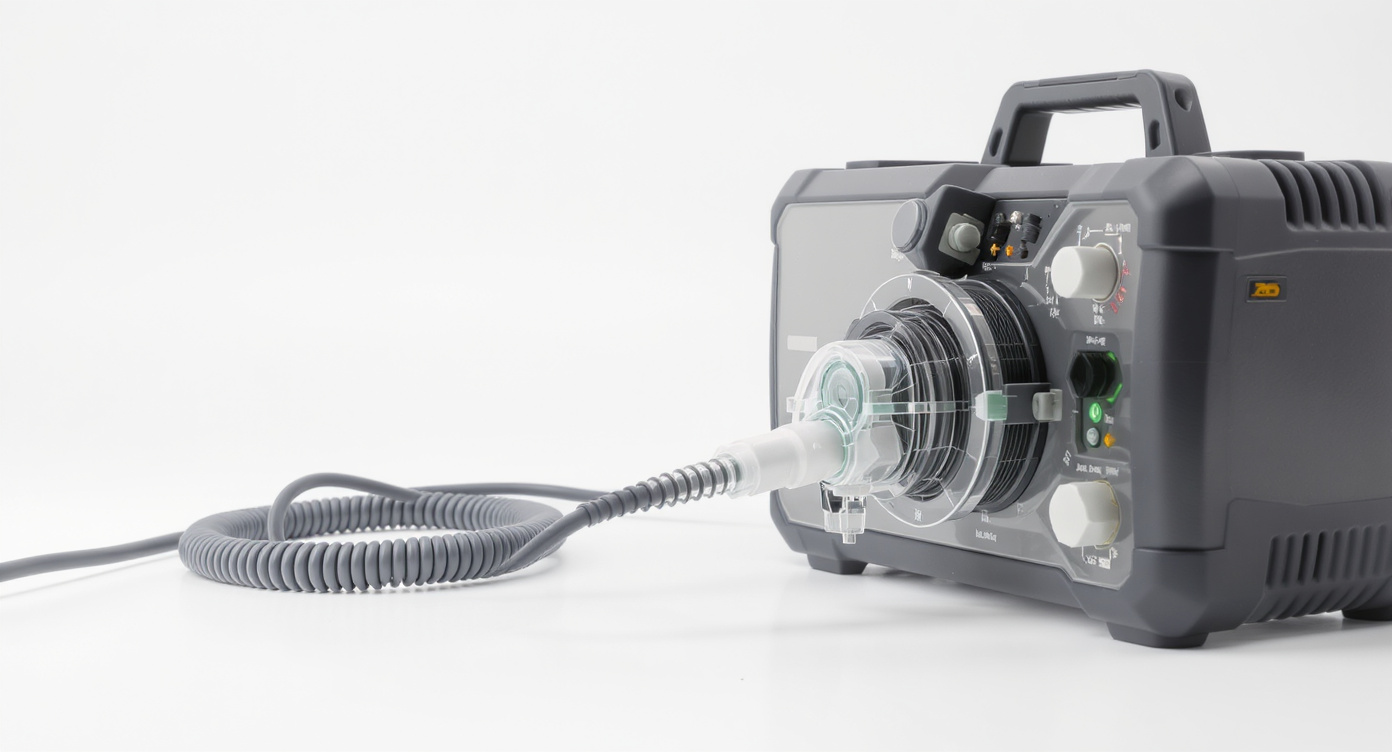
This is the question most buyers don’t think to ask — and it matters enormously. Your CPAP machine is a sensitive medical device, and it needs pure sine wave AC output (a smooth, consistent electrical waveform that mimics utility grid power). Some cheaper power stations use modified sine wave output (a stepped, choppy approximation of AC power), which can cause CPAP motors to run hotter, trigger error codes, or produce audible buzzing. In some cases, it can shorten the motor’s lifespan.
Every quality solar generator you’ll see recommended here produces pure sine wave output. If you’re ever comparing budget options on your own, that’s the first spec to verify — it’s usually listed right on the product page.
How Much Capacity Do You Really Need?
Think of a solar generator’s battery capacity like a fuel tank in a car — the tank size tells you how far you can go before you need to refuel, but your actual mileage depends on how hard you’re driving. Your CPAP’s pressure setting, whether the humidifier is on, and whether you’re running DC directly (more on that shortly) all affect real-world runtime.
Here’s a practical breakdown:
- CPAP without humidifier (30–50W): A 500 Wh generator gives you roughly 8–12 hours — one solid night.
- CPAP with heated humidifier (80–120W): You’ll want 700–1,000 Wh for a reliable 8-hour session with buffer.
- BiPAP machines (higher pressure, typically 50–80W): Budget toward the 700–1,000 Wh range as well.
- Travel CPAP (15–30W): Even a compact 300 Wh station can cover two nights — a sweet spot for backpackers.
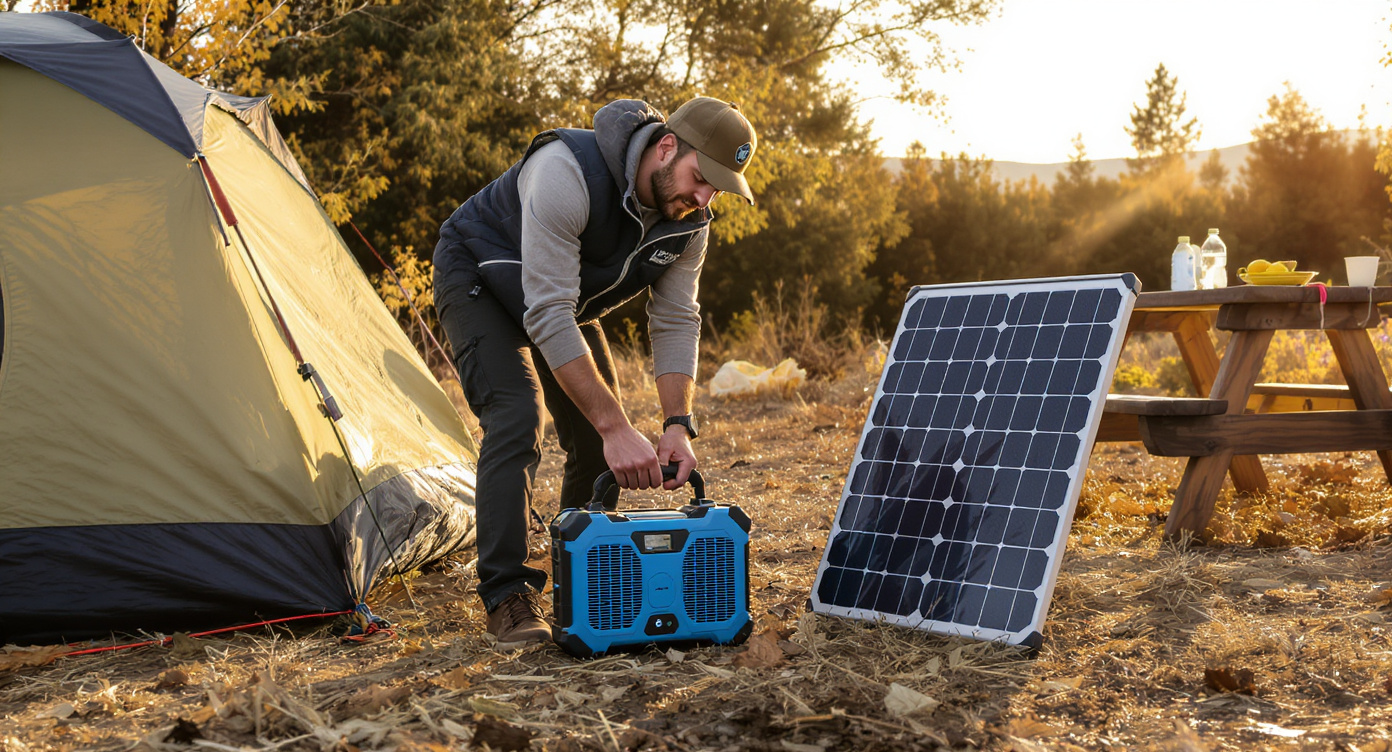
If you’re planning extended off-grid stays, you’ll want to think about solar recharge rate too. A 200W panel in good sun can replenish roughly 800–1,000 Wh over a full day, keeping you self-sufficient indefinitely. That’s the same principle behind choosing a solar generator for RV travel — daily recharge has to match or exceed daily use.
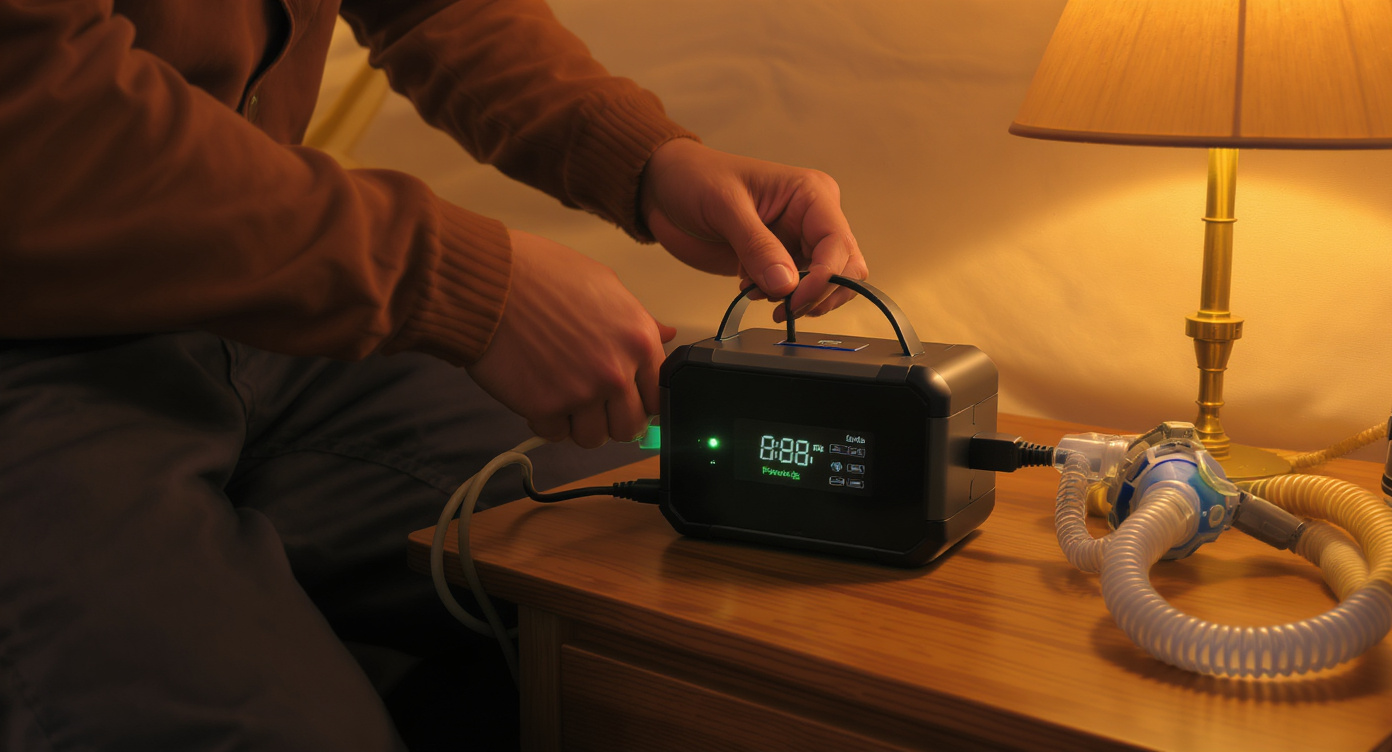
Can You Run a CPAP on DC Power Instead of AC?
Yes — and this is one of the most valuable insider tips for CPAP users. Many modern CPAP machines (particularly ResMed and some Philips models) accept a 12V or 24V DC input directly via a dedicated cable. Running DC-direct from a solar generator’s 12V output bypasses the inverter entirely, which means you skip the 10–15% efficiency loss that comes with AC conversion. That translates to meaningfully more runtime per charge.
Insider Tip: Check your CPAP’s manual or the manufacturer’s website for a compatible DC travel cable before you buy a solar generator. Not all machines support this, but if yours does, it can add an extra hour or two of runtime per night — which adds up fast on a week-long camping trip.
What Solar Panel Size Pairs Well With a CPAP Setup?
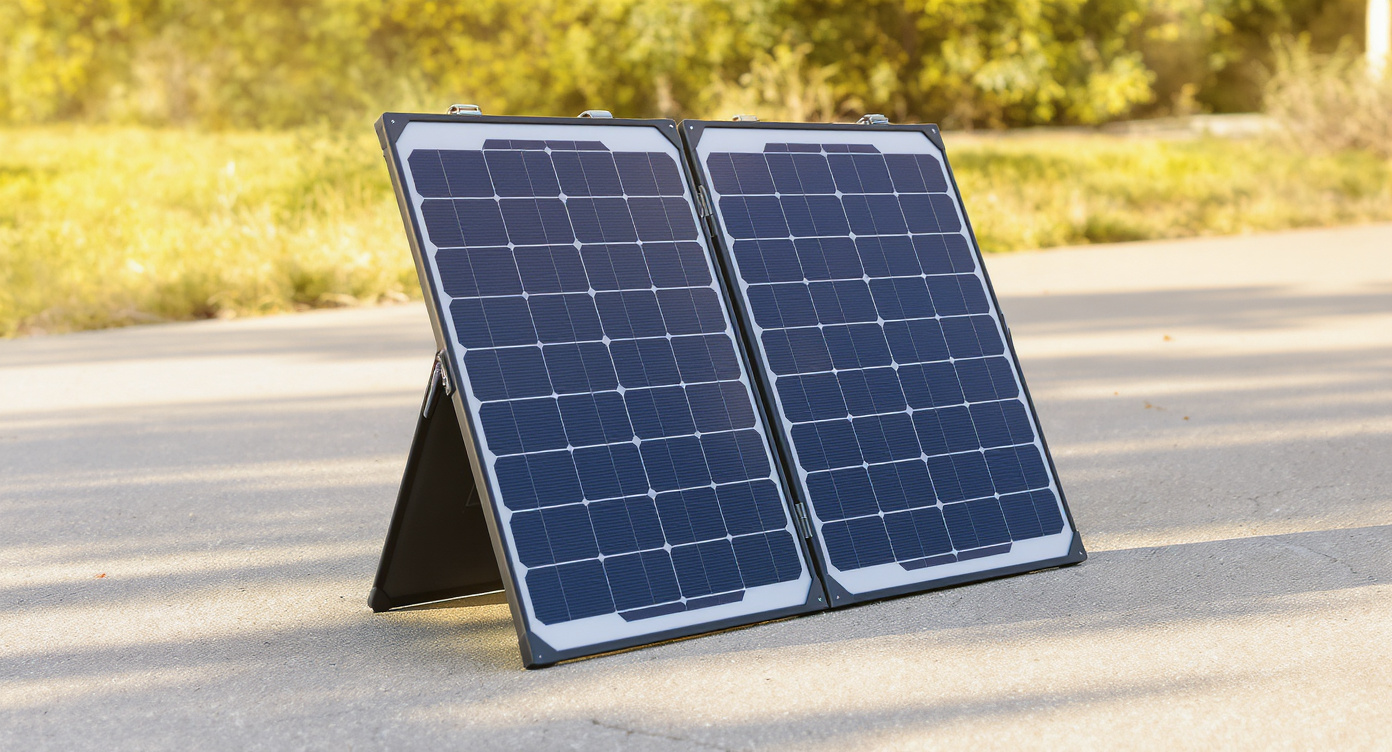
For a CPAP-focused solar generator setup, a 100W to 200W portable solar panel is the sweet spot for most users. A 100W panel in full sun generates roughly 400–500 Wh over a good 5-hour solar window — enough to recover most of what a CPAP uses overnight. A 200W panel gives you faster recharge and a buffer for cloudy days.
Foldable or briefcase-style panels are popular here because they’re easy to angle toward the sun and pack down small. If you’re setting up a more permanent cabin or home backup situation, you’d approach panel sizing differently — the same logic that applies to choosing a solar generator for a refrigerator (where continuous load matters more than nightly cycles) helps frame that comparison.
Top Solar Generators for CPAP Users in 2026
These picks are chosen specifically for CPAP compatibility — pure sine wave output, appropriate capacity range, and real-world portability for the people who need them most.
Jackery Explorer 1000 Pro
Brand: Jackery
- Capacity: 1,002 Wh
- AC Output: 1,000W continuous, pure sine wave
- Solar Input: Up to 200W
- Weight: ~28 lbs
Why it fits: Enough capacity for 2+ nights of standard CPAP use, fast solar recharge, and a well-documented pure sine wave inverter. Widely compatible with CPAP machines and travel-friendly enough to take camping or on road trips.
EcoFlow RIVER 2 Pro
Brand: EcoFlow
- Capacity: 768 Wh
- AC Output: 800W continuous (X-Boost up to 1,600W), pure sine wave
- Solar Input: Up to 220W
- Weight: ~17 lbs
Why it fits: One of the lightest options in this capacity class, with fast recharge (under 1 hour via AC). Excellent for travelers who need reliable CPAP power without lugging heavy gear. The X-Boost feature also lets it handle brief high-draw accessories.
Bluetti AC180
Brand: Bluetti
- Capacity: 1,152 Wh
- AC Output: 1,800W continuous, pure sine wave
- Solar Input: Up to 500W
- Weight: ~35 lbs
Why it fits: A strong choice for users with a humidifier or BiPAP who need extra headroom. The 500W solar input is unusually fast for this size class, and the higher continuous output means it can run other appliances alongside your CPAP without strain. Also a great starting point if you’re eyeing a versatile all-purpose solar generator beyond just CPAP use.
Anker SOLIX C800
Brand: Anker
- Capacity: 768 Wh
- AC Output: 800W continuous, pure sine wave
- Solar Input: Up to 200W
- Weight: ~19 lbs
Why it fits: Compact, relatively lightweight, and built with LFP (lithium iron phosphate — a battery chemistry known for longer cycle life and better thermal stability) cells. A good pick for users who want longevity from their investment and don’t need the largest capacity tier.
Goal Zero Yeti 1500X
Brand: Goal Zero
- Capacity: 1,516 Wh
- AC Output: 2,000W continuous, pure sine wave
- Solar Input: Up to 600W
- Weight: ~43 lbs
Why it fits: The largest option here — ideal for users who want 3+ nights of CPAP runtime without recharging, or who are building a more complete home backup or cabin setup. If you’re thinking bigger picture, the same platform scales toward a high-capacity solar generator system for broader home use.
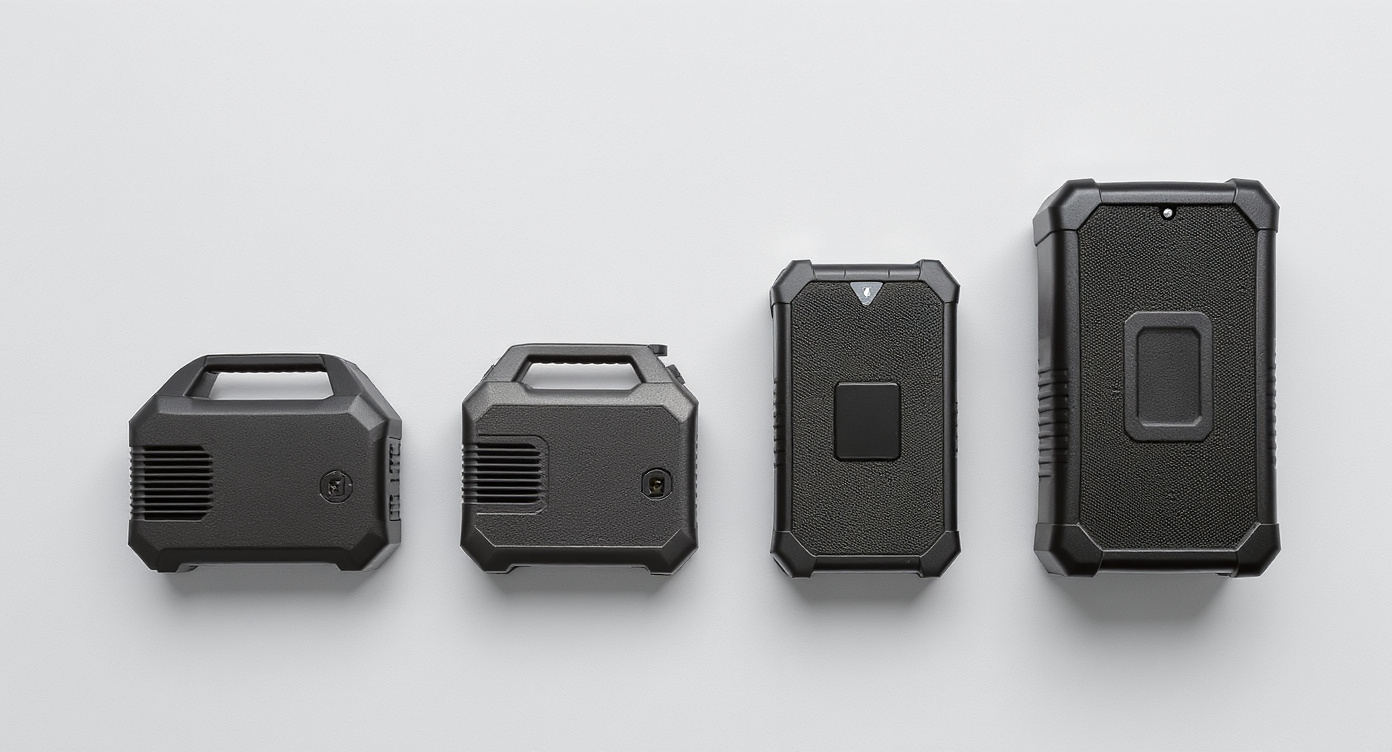
Honest Pros and Cons of Using a Solar Generator for CPAP
No product category is perfect, and CPAP users deserve a straight answer on the tradeoffs.
Pros:
- Silent operation — no fuel smell, no exhaust, no engine noise to disturb sleep
- Indoor-safe — unlike gas generators, these can sit right next to your bed
- Renewable recharge via solar panels means indefinite off-grid use in sunny conditions
- Pure sine wave output protects sensitive CPAP electronics
- Doubles as a general backup power source for phones, lights, and small appliances
Cons:
- Upfront cost is higher than a basic battery pack — quality units run $400–$1,200+
- Cloudy or short-day conditions reduce solar recharge significantly
- Heavier units (35–45 lbs) aren’t ideal for backpacking or airline travel
- Not a substitute for a whole-home backup system — if you need to run a CPAP and your fridge and lights, you’re looking at a different class of equipment entirely (see our guide to the best whole house solar generator options)
Is a Dedicated CPAP Battery Different From a Solar Generator?
Good question — and worth addressing directly. Some CPAP manufacturers sell dedicated travel battery packs (like the ResMed AirMini Power Station or the Medistrom Pilot-24 Lite). These are lighter and more purpose-built, but they have smaller capacity and can’t be recharged by a solar panel without an additional adapter. A solar generator is more versatile and better suited to multi-night off-grid use, but a dedicated battery pack wins on weight and airline approval for travel.
If you’re primarily concerned with camping or cabin trips where you can recharge daily, the solar generator wins. If you’re flying to a destination and need something that fits in a carry-on, a dedicated CPAP battery may be the smarter call — and you can supplement with a small solar generator at the destination.
For users building out a broader off-grid or RV energy system, the solar generator you choose for your CPAP can absolutely pull double duty. The same unit that powers your CPAP overnight can charge devices and run a fan during the day — it’s the same efficiency logic that makes a solar generator for RV setups so practical.
Frequently Asked Questions
Will altitude or high-pressure settings drain the battery faster?
Yes, higher pressure settings require the CPAP motor to work harder, which increases power draw. If you’re using a machine set to 15+ cm H₂O, factor in roughly 20–30% more consumption than the baseline wattage listed on the device. Always check your specific machine’s power spec sheet rather than relying on general estimates.
Can I leave the solar generator plugged in while using the CPAP at night?
If you have AC grid power available (like at a campsite with hookups), yes — most solar generators support pass-through charging (the ability to charge the internal battery while simultaneously powering connected devices). This is ideal because you wake up with a full battery even after a full night of CPAP use.
What happens if my solar generator runs out mid-sleep?
Most quality solar generators include a low-battery warning alarm and will shut off cleanly rather than producing erratic output. Your CPAP will simply stop — it won’t be damaged. That said, this is exactly why sizing up (rather than buying the smallest unit that technically works) is worth the extra investment for a medical device.
Are there solar generators specifically approved by CPAP manufacturers?
No solar generator brand holds official CPAP certification as a universal standard, but several CPAP manufacturers (notably ResMed) publish compatibility notes for third-party power sources. ResMed specifically recommends pure sine wave inverters and notes that DC power via their dedicated cable is the preferred method. Always check your machine’s manual or the manufacturer’s FAQ before finalizing your purchase.
How does a CPAP solar setup compare to using a gas generator?
A gas generator can certainly power a CPAP, but it introduces noise, exhaust fumes, and the need to run it outdoors — none of which are compatible with sleeping. Solar generators win decisively for overnight medical device use. For broader home backup needs that go well beyond a single CPAP, you’d want to look at a full-featured solar generator system or even a whole-home solution.
Conclusion: Sleep Well, Power Smart
Choosing the best solar generator for CPAP use isn’t about finding the biggest or most expensive option — it’s about matching capacity to your specific machine’s needs, confirming pure sine wave output, and thinking through how you’ll recharge in the field. For most users, a 500–1,000 Wh unit with a 100–200W solar panel covers one to two nights reliably, and the DC-direct option (where available) stretches that even further.
Start by checking your CPAP’s wattage on the device label or in the manual. Then use that number to size your battery, add a 20–30% buffer for efficiency losses, and choose a unit with LFP chemistry if long-term durability matters to you. If your needs are larger — powering multiple devices, running a full RV system, or backing up a home — take a look at our guides on the best solar generators for refrigerators and the best 3,000-watt solar generator options to find the right scale for your setup. Your sleep — and your health — are worth getting this right.