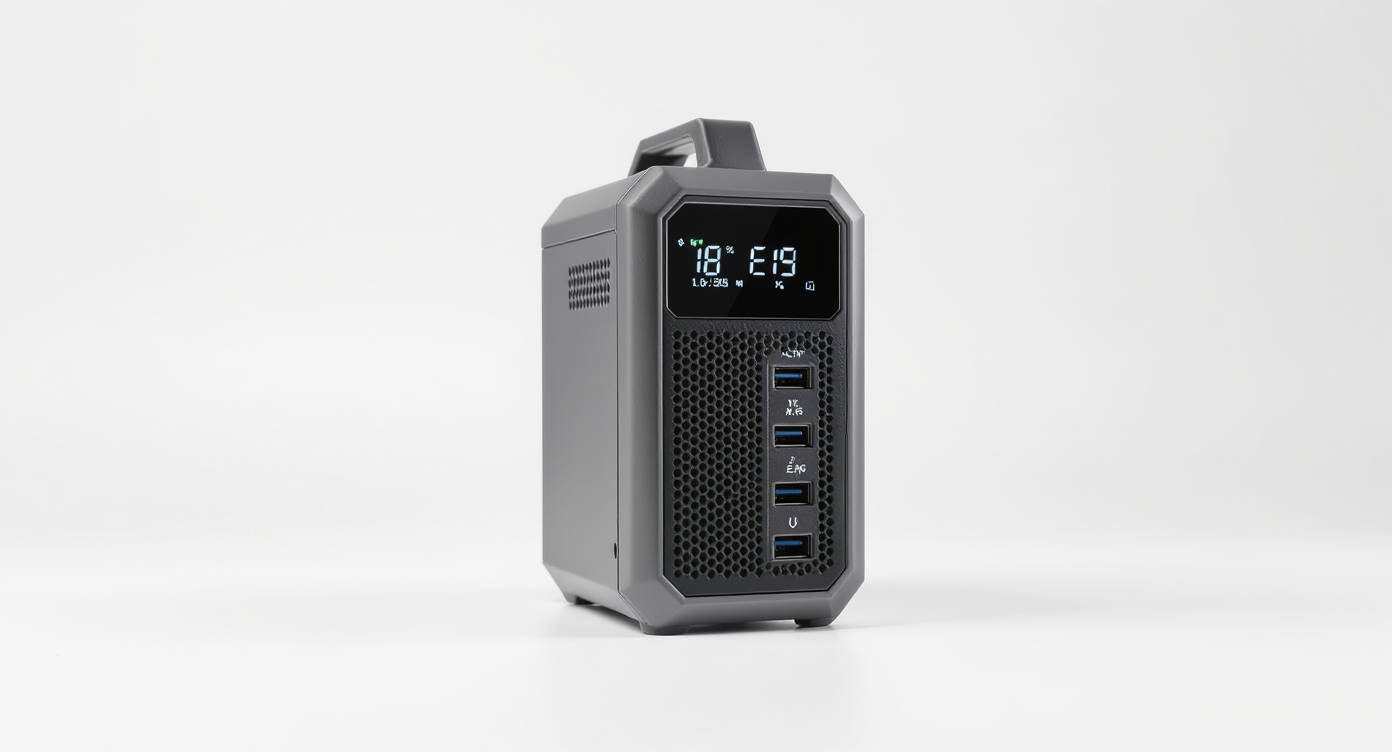
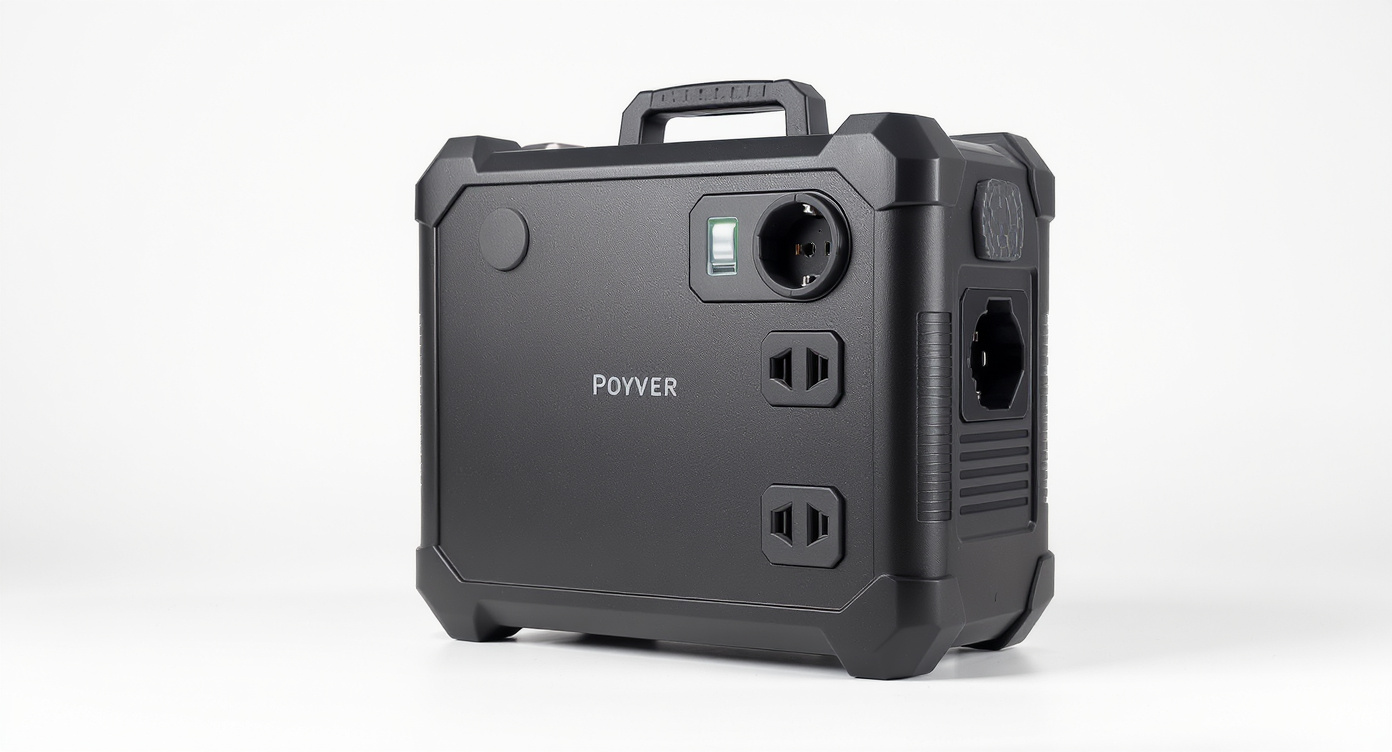
Here’s something most people don’t realize until they’re already shopping: the term “solar generator” is a little bit of a misnomer. It doesn’t generate power the way a gas engine does — it stores solar energy and delivers it on demand. That distinction matters enormously when you’re trying to figure out which one actually fits your life. Whether you’re sizing up the best solar generator for a whole-house backup plan or just want to keep your devices charged at a campsite, the right choice depends on understanding a handful of specs that most product pages gloss over.
This guide cuts through the noise. We’ll walk you through how solar generators actually work, what specs to prioritize, which use cases demand which features, and which models are genuinely worth your money right now.
What Exactly Is a Solar Generator — and How Does It Work?
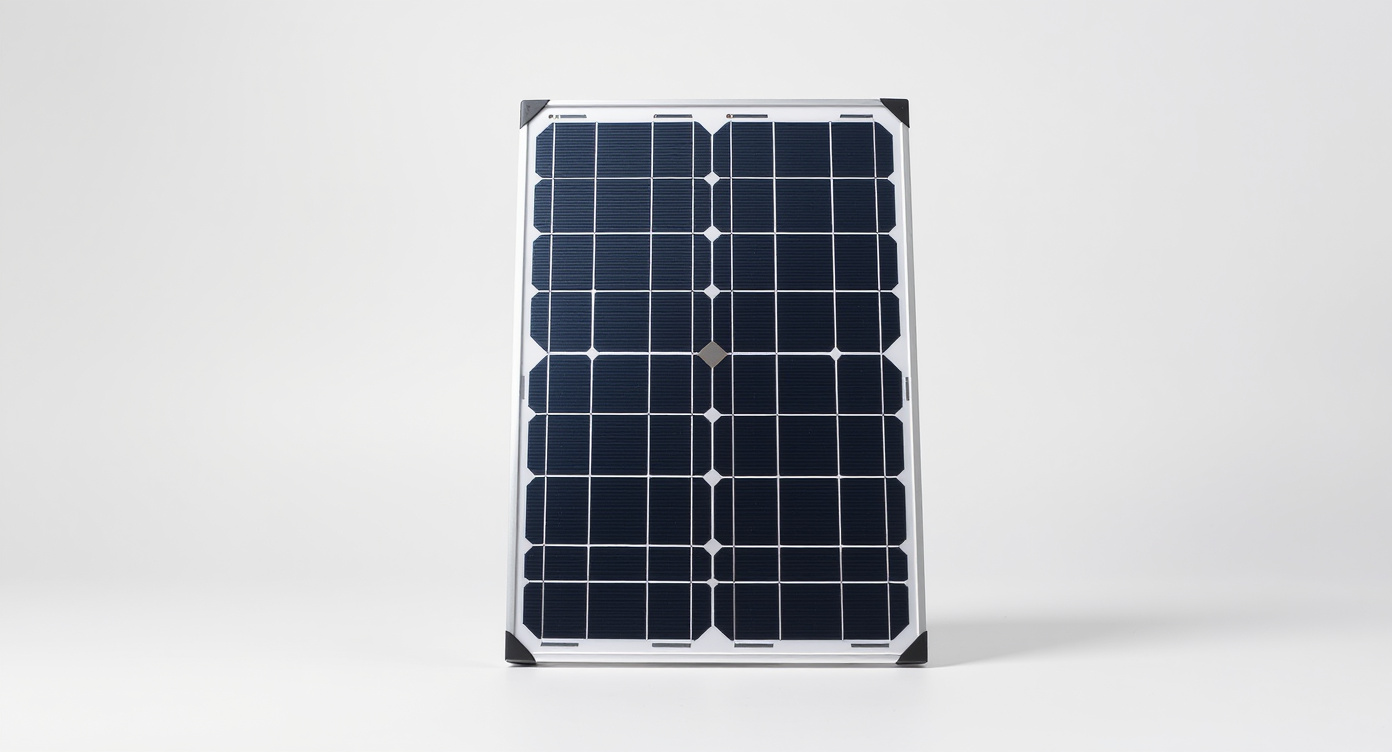
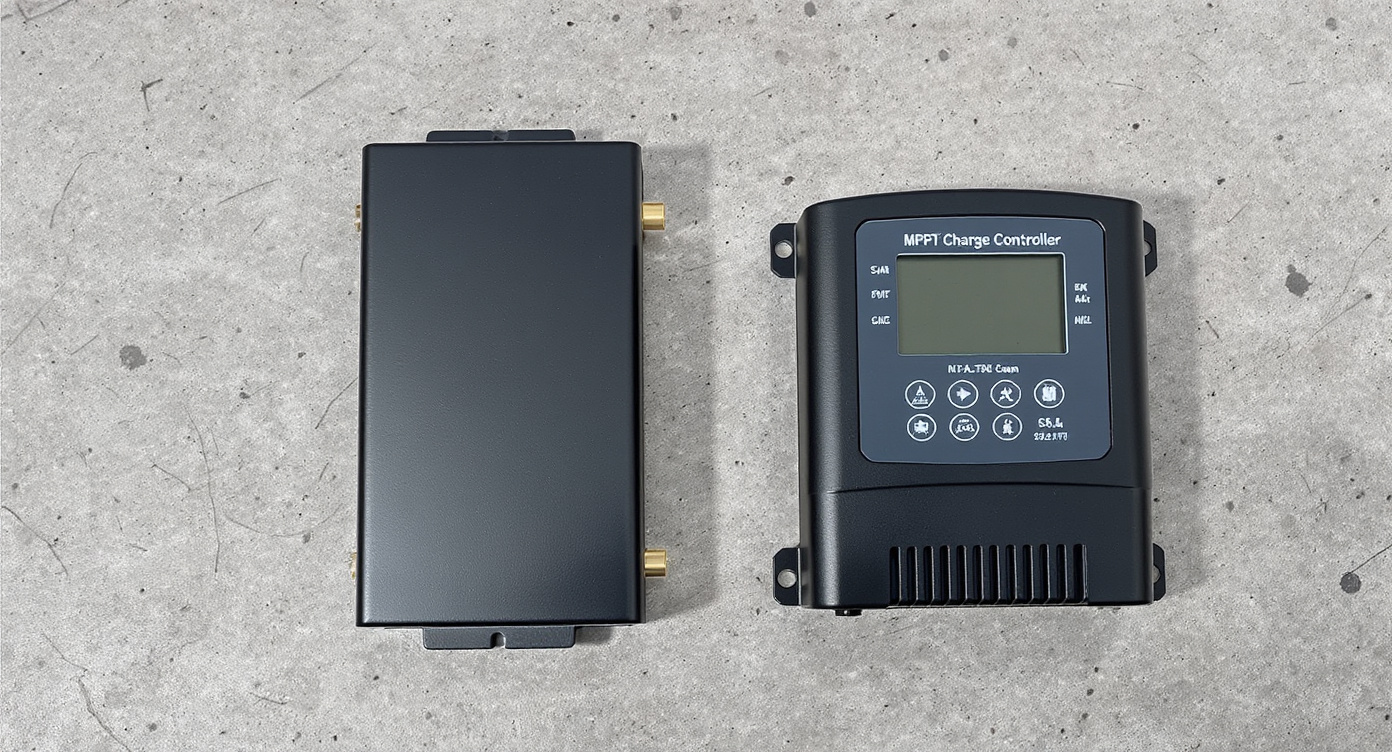
A solar generator is a system that combines three core components: a lithium battery bank (the storage vessel), a charge controller (a device that regulates incoming solar power to protect the battery from overcharging), and an inverter (a device that converts the battery’s DC power into the AC power your appliances use). Some units also include a built-in MPPT charge controller — MPPT stands for Maximum Power Point Tracking, which is a smarter algorithm that extracts up to 30% more energy from your solar panels compared to older PWM controllers.
Think of the whole system like a rechargeable flywheel: solar panels spin energy into the wheel during the day, and you draw that stored momentum out whenever you need it. The bigger the flywheel (battery capacity in watt-hours, or Wh), the longer you can run things before it needs to spin back up.
Most modern solar generators use LiFePO4 (lithium iron phosphate) chemistry, which offers a significantly longer cycle life — often 2,000–3,500 full charge cycles — compared to older NMC lithium cells. That translates to roughly 5–10 years of regular use before you see meaningful capacity degradation.
The Specs That Actually Matter (and the Ones That Don’t)
Spec sheets can be overwhelming, so here’s a focused breakdown of what to pay attention to:
- Capacity (Wh): This tells you how much total energy the unit can store. A 1,000 Wh unit can theoretically run a 100W device for 10 hours — though real-world efficiency losses (around 10–15%) mean you’ll get slightly less.
- Continuous output wattage (W): This is the maximum power the inverter can deliver continuously. A 2,000W output rating means you can run appliances that together draw up to 2,000W at the same time.
- Peak/surge wattage: Many motor-driven appliances (refrigerators, AC units, pumps) draw 2–3× their running wattage for a fraction of a second at startup. Your solar generator needs to handle that surge, or it’ll trip a protection circuit.
- Solar input wattage: How fast the unit can accept power from panels. A 1,000W input rating means you can connect up to 1,000W of solar panels for faster recharge.
- Number and type of output ports: AC outlets, USB-A, USB-C (look for 100W PD), DC barrel, and car lighter ports all serve different devices.
What doesn’t matter as much as marketing suggests? Brand-name “X-Boost” or proprietary charging mode names — always look at the underlying specs those features are built on.
Quick Answer: The best solar generator for most people is a 1,000–2,000 Wh LiFePO4 unit with at least 2,000W continuous AC output and 500W+ solar input. That combination covers most home backup essentials, RV needs, and extended camping trips without being oversized or overpriced.
How Much Capacity Do You Actually Need?
This is the question most buyers get wrong because they either underestimate their loads or panic-buy a unit that’s twice what they need. Let’s be practical about it.
Start by listing the devices you must keep running during an outage or off-grid period, then find their wattage (usually on a label on the back of the device or in its manual). Multiply watts by the number of hours you’d run it per day to get watt-hours. Add those up, then add a 20% buffer for efficiency losses and unexpected usage.
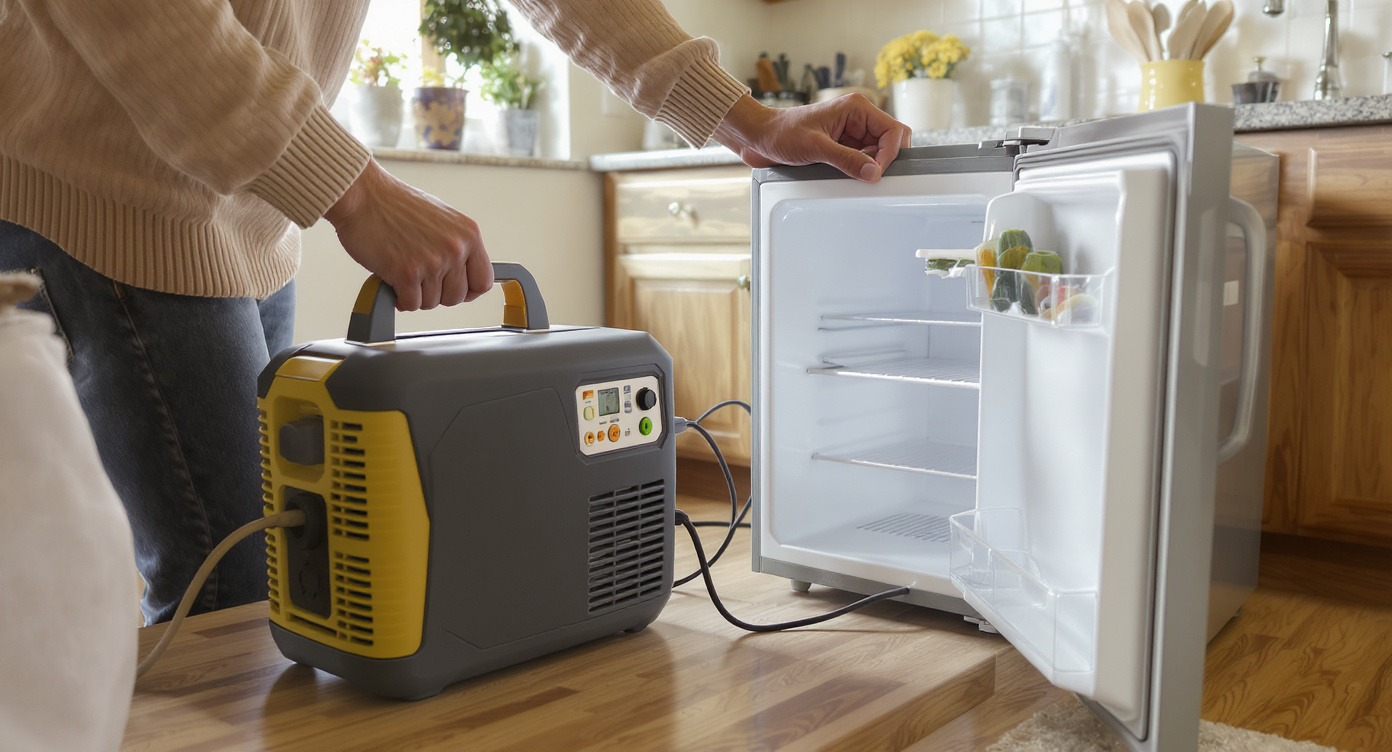
For example: a mini-fridge (~60W running) for 24 hours = 1,440 Wh. Add a few phone charges (~20 Wh each), a CPAP machine (~30–60W for 8 hours = 240–480 Wh), and a few LED lights (~10W × 5 hours = 50 Wh), and you’re looking at roughly 1,800–2,000 Wh per day. That tells you a 2,000 Wh unit is a reasonable minimum for overnight coverage — or you’ll need solar panels large enough to replenish it during the day.
If keeping a full-size refrigerator running is your priority, check out our dedicated guide to the best solar generator for refrigerator use — it covers surge wattage requirements and panel sizing in much more detail.
Matching the Generator to Your Use Case
Not all solar generators are built for the same job, and buying the wrong one is an expensive mistake. Here’s how to think about it by scenario:
Home Backup Power
For home backup, you want high capacity (2,000 Wh minimum, ideally 3,000+ Wh), strong continuous output (2,000W+), and ideally the ability to connect additional battery modules as your needs grow. You’ll also want to think about whether you need a transfer switch (a device that safely switches your home’s circuits between grid power and your generator). If you’re planning to run an entire home’s critical circuits, our guide to the best whole house solar generator goes deep on what that actually requires.
RV and Road Travel
RV users need a balance of capacity and portability, plus compatibility with rooftop solar panels. Look for units with high solar input wattage (600W+) and robust DC output options for 12V RV systems. Our breakdown of the best solar generator for RV setups covers panel mounting, wiring, and which units integrate best with existing RV electrical systems.
Medical Equipment (CPAP, Oxygen Concentrators)
Running medical devices adds a layer of responsibility. Pure sine wave output (AC power that flows in a smooth, clean wave — as opposed to modified sine wave, which can damage sensitive electronics) is non-negotiable here. For CPAP users specifically, our article on the best solar generator for CPAP machines walks through runtime calculations and the DC adapter option that can extend battery life significantly.
High-Wattage Appliances and Tools
If you’re running power tools, a microwave, or an electric grill, you need a unit with serious output — at least 3,000W continuous. The options in this category are fewer and pricier, but they exist. See our picks for the best 3000 watt solar generator options currently available.
Top Solar Generator Picks for 2026
EcoFlow Delta Pro Ultra
Brand: EcoFlow
Capacity: 6,144 Wh (expandable to 21.5 kWh with add-on batteries)
Output: 7,200W continuous AC
Solar Input: Up to 5,600W
Notable Features: Smart Home Panel 2 integration, LiFePO4 cells, whole-home backup capability
Why it fits: The most capable expandable home backup solar generator on the market. Designed for users who want to replace a traditional standby generator entirely.
Jackery Explorer 2000 Plus
Brand: Jackery
Capacity: 2,042 Wh (expandable to 12 kWh)
Output: 3,000W continuous (6,000W surge)
Solar Input: Up to 1,000W
Notable Features: LiFePO4 battery, app control, UPS (uninterruptible power supply) mode, 4,000 cycle life
Why it fits: A strong mid-range pick that handles most home backup and RV scenarios while remaining reasonably portable. The 6,000W surge handles refrigerator and AC compressor startups.
Anker SOLIX C1000
Brand: Anker
Capacity: 1,056 Wh
Output: 1,800W continuous (2,400W surge)
Solar Input: Up to 600W
Notable Features: LiFePO4, 1-hour fast charging, compact form factor, 3,000 cycle life
Why it fits: An excellent entry-level to mid-range option for campers, van lifers, or as a dedicated CPAP/device backup unit. Fast charging means you can top it up from shore power quickly when solar isn’t available.
Bluetti AC300 + B300 Battery Module
Brand: Bluetti
Capacity: 3,072 Wh per B300 module (up to 12,288 Wh with 4 modules)
Output: 3,000W continuous (6,000W surge)
Solar Input: Up to 2,400W
Notable Features: Modular design, LiFePO4, pure sine wave, dual-voltage 240V output with two AC300 units
Why it fits: Ideal for users who want to start with a manageable investment and scale up capacity over time. The modular approach means you’re not locked into a fixed system size.
Goal Zero Yeti 1500X
Brand: Goal Zero
Capacity: 1,516 Wh
Output: 2,000W continuous (3,500W surge)
Solar Input: Up to 600W
Notable Features: WiFi app integration, expandable with Yeti Tank batteries, rugged build, strong ecosystem of compatible accessories
Why it fits: A reliable choice for outdoor enthusiasts and RV users who value a mature ecosystem of compatible solar panels and accessories. Goal Zero’s panel compatibility is among the broadest in the industry.
Honest Pros and Cons of Solar Generators
No product is perfect for everyone, and solar generators are no exception. Here’s a straightforward look at the tradeoffs:
- ✅ Silent operation: Unlike gas generators, solar generators produce zero noise — a major advantage in campgrounds, HOA communities, or overnight indoor use.
- ✅ Zero fuel cost: Once you own the panels, your “fuel” is free and renewable.
- ✅ Low maintenance: No oil changes, spark plugs, carburetors, or fuel stabilizers to manage.
- ✅ Indoor safe: No combustion means no carbon monoxide risk — you can run one inside.
- ❌ Recharge depends on sunlight: On cloudy days or in winter, solar recharge slows dramatically. You’ll need a grid or generator backup charging option.
- ❌ Higher upfront cost: A quality solar generator system costs more than a comparable gas generator, though the operating cost advantage closes that gap over time.
- ❌ Limited peak output: Even the largest portable solar generators max out around 7,000–8,000W continuous. High-draw appliances like central AC, electric dryers, or well pumps may require a dedicated whole-home system.
- ❌ Weight and portability: Large-capacity units can weigh 60–100+ lbs, limiting how easily you can move them.
Insider Tip #1: If you’re buying a solar generator for home backup, check whether the unit supports “pass-through charging” — this means it can power your devices while simultaneously charging from solar or the grid. Not all units handle this efficiently; some run the battery through a full discharge/recharge cycle instead, which adds unnecessary wear.
Sizing Your Solar Panels to Match Your Generator
Buying a solar generator without the right panel setup is like buying a high-performance car and only ever putting a gallon of gas in it. Your panels need to match your generator’s solar input capacity and your daily energy consumption.
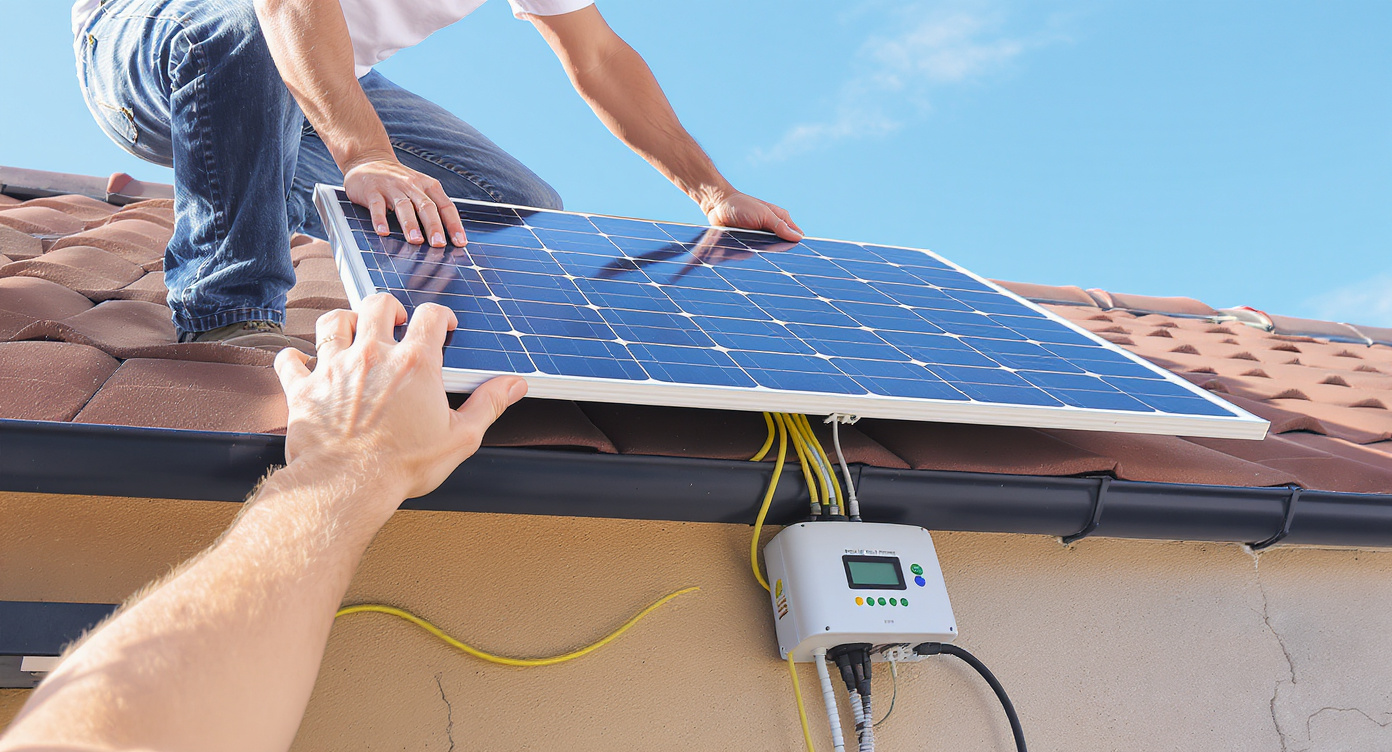
A rough rule: divide your daily watt-hour consumption by the average peak sun hours in your area (typically 4–6 hours in most of the US) to get the panel wattage you need. If you consume 2,000 Wh per day and get 5 peak sun hours, you need approximately 400W of panels — though adding 20–30% extra accounts for panel inefficiency, shading, and less-than-ideal angles.
Insider Tip #2: When connecting panels in series (stringing them end-to-end to increase voltage), make sure the combined open-circuit voltage (Voc) doesn’t exceed your charge controller’s maximum input voltage. Exceeding this limit, even briefly on a cold morning when Voc spikes, can permanently damage the controller. Always check the spec sheet before wiring.
Frequently Asked Questions
Can a solar generator run a window air conditioner?
A window AC unit typically draws 500–1,500W depending on its BTU rating. A solar generator with 2,000W+ continuous output can run smaller window units, but you’ll drain a 2,000 Wh battery in 2–4 hours. For extended AC use, you’d need either a very large battery bank or constant solar input to offset the draw. It’s doable — just plan your capacity accordingly.
How long does it take to recharge a solar generator from panels?
Divide the battery capacity (Wh) by your total panel wattage, then add 20% for real-world losses. A 2,000 Wh battery with 500W of panels takes roughly 5 hours of good sunlight to fully recharge from empty. Most users start with a partially charged unit, so real-world top-up times are often shorter.
Is a solar generator the same as a solar battery backup system?
Functionally, yes — they’re the same concept. “Solar generator” is the consumer-friendly term for portable units you can buy as a self-contained package. “Solar battery backup” or “energy storage system” tends to refer to installed, fixed systems like the Tesla Powerwall. Both store solar energy and deliver AC power; the main differences are scale, installation requirements, and portability.
Do solar generators work on cloudy days?
Yes, but at reduced output. Solar panels still produce power in diffuse light — typically 10–25% of their rated wattage on heavily overcast days. A 400W panel array might produce 40–100W on a cloudy day, which is enough to trickle-charge your battery but won’t fully replenish it. This is why having a secondary charging option (AC wall charging or a car charging cable) is worth having as a backup.
What’s the difference between a solar generator and a gas inverter generator?
A gas inverter generator produces power on demand by burning fuel, making it excellent for sustained high-wattage loads with no recharge limit. A solar generator stores energy and is limited by battery capacity, but it’s silent, fuel-free, and safe indoors. Many serious preppers and off-gridders use both: solar for daily use and a gas inverter generator as a backup for extended cloudy periods or high-demand situations.
Conclusion: Choosing the Best Solar Generator for Your Situation
The best solar generator isn’t a single model — it’s the one that’s sized correctly for your actual loads, matches your use case (camping vs. home backup vs. RV), and fits your budget without leaving critical gaps in capacity or output. Start with your watt-hour needs, confirm the unit handles surge wattage for motor-driven appliances, and verify the solar input is large enough to recharge it within a reasonable window.
From there, the specific product picks above give you a strong starting point across different price ranges and use cases. And if you have a specific application in mind — whether that’s keeping a refrigerator running, powering an RV, supporting a CPAP machine, or backing up an entire home — we’ve got dedicated guides for each of those scenarios linked throughout this article.
Take your time with this decision. A well-chosen solar generator is something you’ll rely on for a decade or more. Get the specs right, and it’ll earn its place in your home or rig many times over.