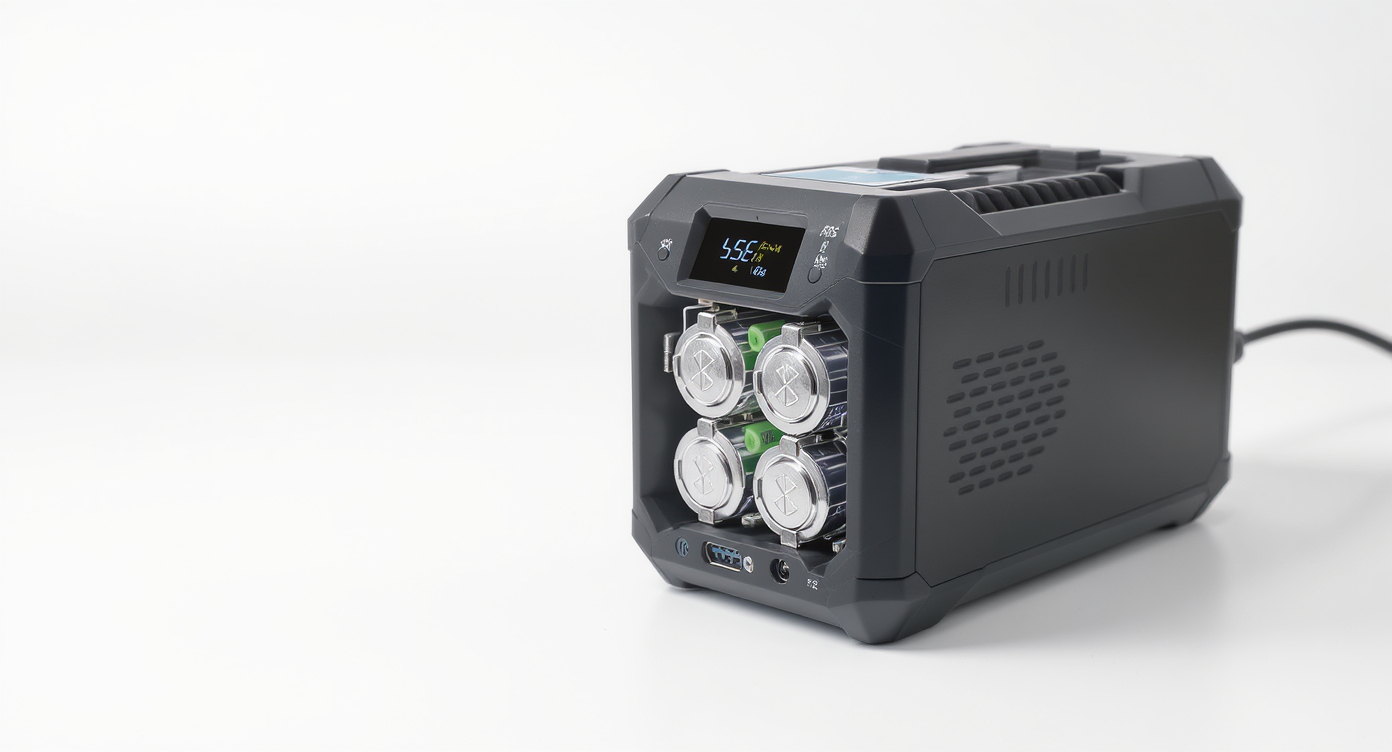
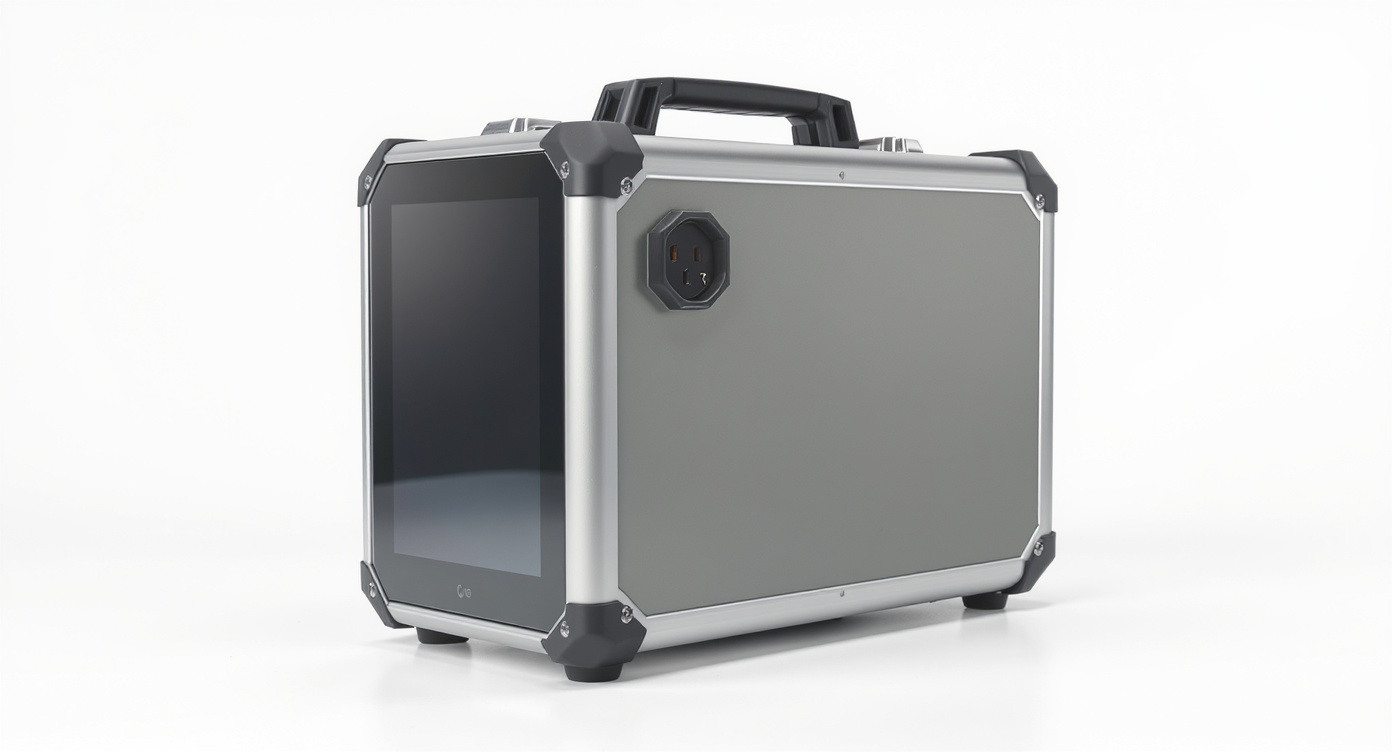
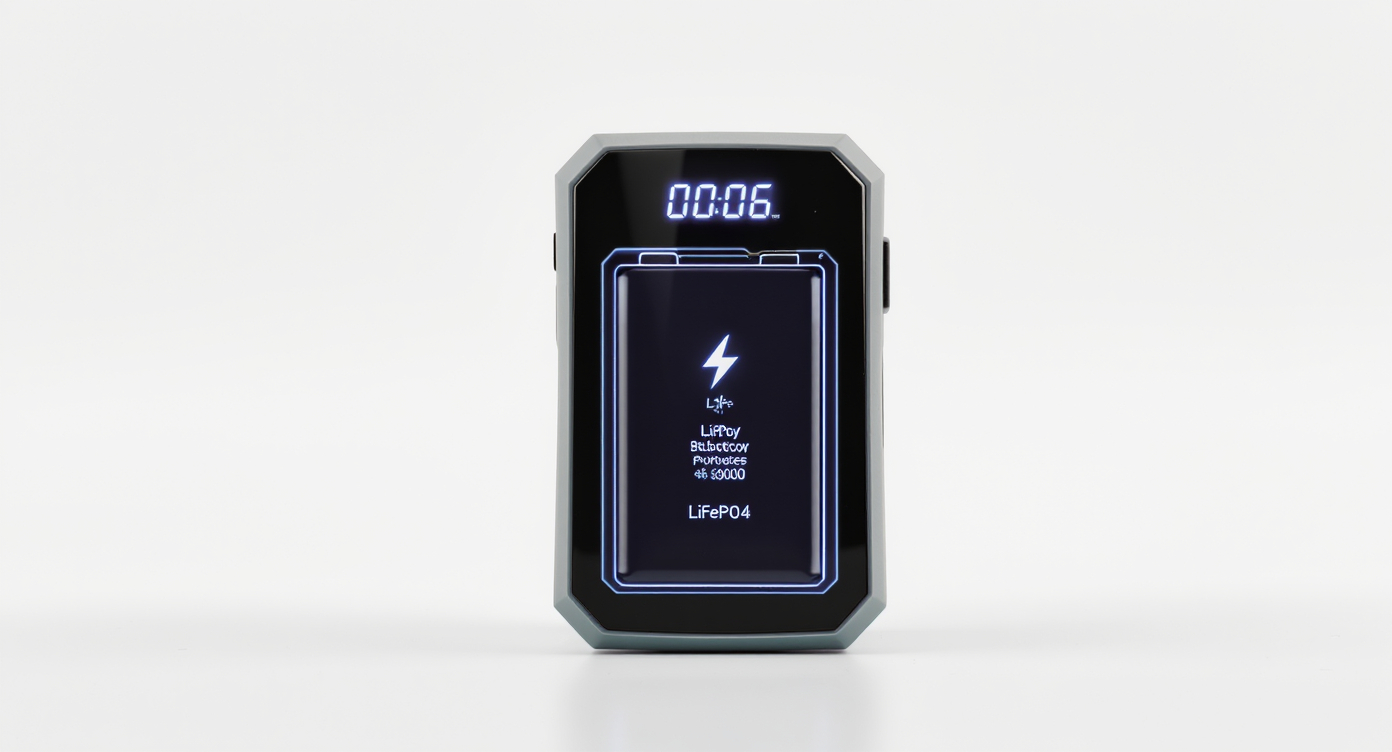
You’ve done the math on your power needs, maybe even made a list of every appliance you’d want to keep running, and you’ve landed on one conclusion: a 3,000-watt system is the sweet spot. Not too modest, not overkill. The best 3000 watt solar generator sits in a category that can genuinely handle a full-size refrigerator, a window AC unit, a sump pump, power tools, and several smaller devices — all without the noise, fumes, or fuel bills of a conventional gas generator. If you’re standing at the crossroads of “is this the right size for me?” and “which one should I actually buy?”, this guide is built for exactly that decision.
What Does a 3000 Watt Solar Generator Actually Give You?
Before diving into specific models, let’s get the terminology straight, because the specs on these machines can feel like alphabet soup. A solar generator is a combination of three core components: a lithium battery bank (measured in watt-hours, or Wh — the total energy it can store), an inverter (a device that converts the battery’s DC power into the AC power your appliances use), and a charge controller (a regulator that safely manages the flow of power coming in from solar panels so the battery doesn’t overcharge).
When a product is labeled “3000 watts,” that number typically refers to the inverter’s continuous AC output — meaning it can deliver 3,000 watts of power to your devices at any given moment. This is different from the battery capacity. A unit might have a 3,000W inverter but only a 2,400Wh battery, which means it can run a 3,000W load for roughly 48 minutes before needing a recharge. Understanding this distinction is the single most important thing you can do before buying.
Think of it this way: the inverter wattage is like the width of a highway — it determines how much traffic can flow at once. The battery capacity is the length of that highway — it determines how long the journey lasts. You need both to be right for your situation.
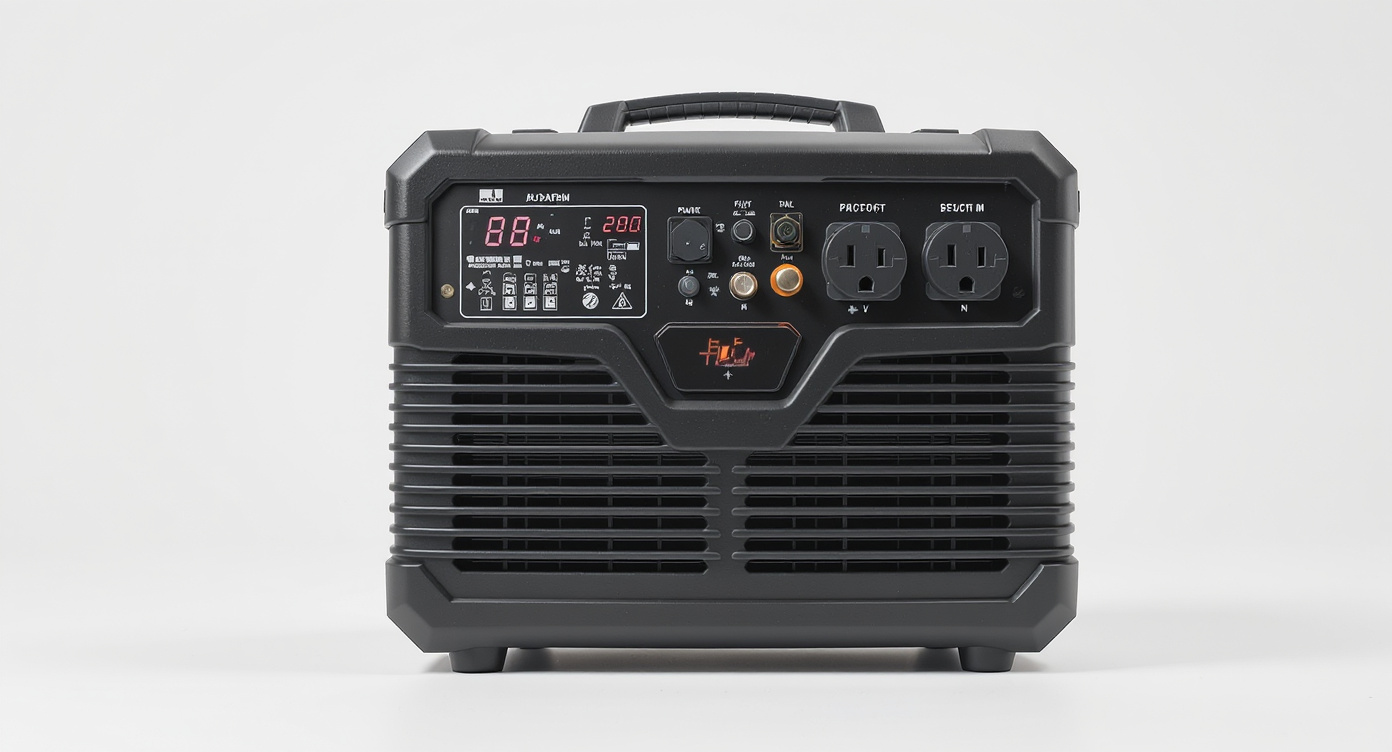
Who Actually Needs a 3000W Solar Generator?
This size class isn’t for everyone, and that’s worth saying plainly. If your primary goal is charging phones, running a CPAP machine, and keeping a few lights on, a 1,000–1,500Wh unit will serve you better at a lower price and lighter weight. But if any of the following describes you, the 3,000W tier makes real sense:
- Home backup users who want to keep a refrigerator, some lighting, a router, and maybe a small window AC or space heater running during an outage.
- RV travelers who want full-time off-grid capability without running a propane generator all night. (If that’s your situation, our guide to the best solar generator for RV use goes deep on that specific setup.)
- Off-grid cabin owners who need a serious battery bank that can be recharged daily by solar panels and handle real household loads.
- Contractors and job-site workers running power tools in locations without grid access.
- Homeowners bridging toward whole-house backup, though if that’s your end goal, you’ll also want to read about whole house solar generator options that scale beyond a single unit.
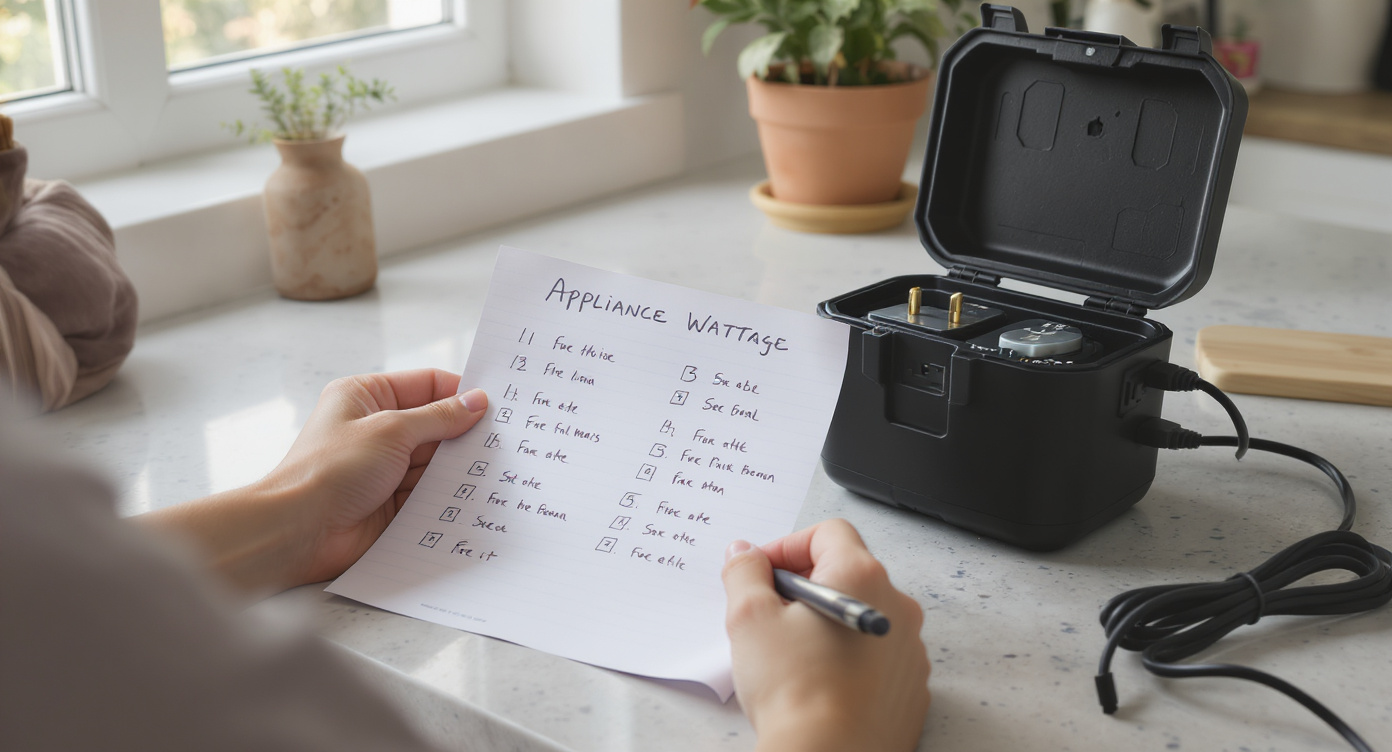
So ask yourself: what’s the single highest-wattage device you’d need to run simultaneously with other loads? If that number, combined with your other devices, approaches or exceeds 2,000W, you’re in the right section of the market.
Key Specs to Compare When Shopping This Category
Not all 3,000W solar generators are built the same, and the spec sheet differences matter more than brand names. Here’s what to evaluate side by side:
Battery Chemistry: LFP vs. NMC
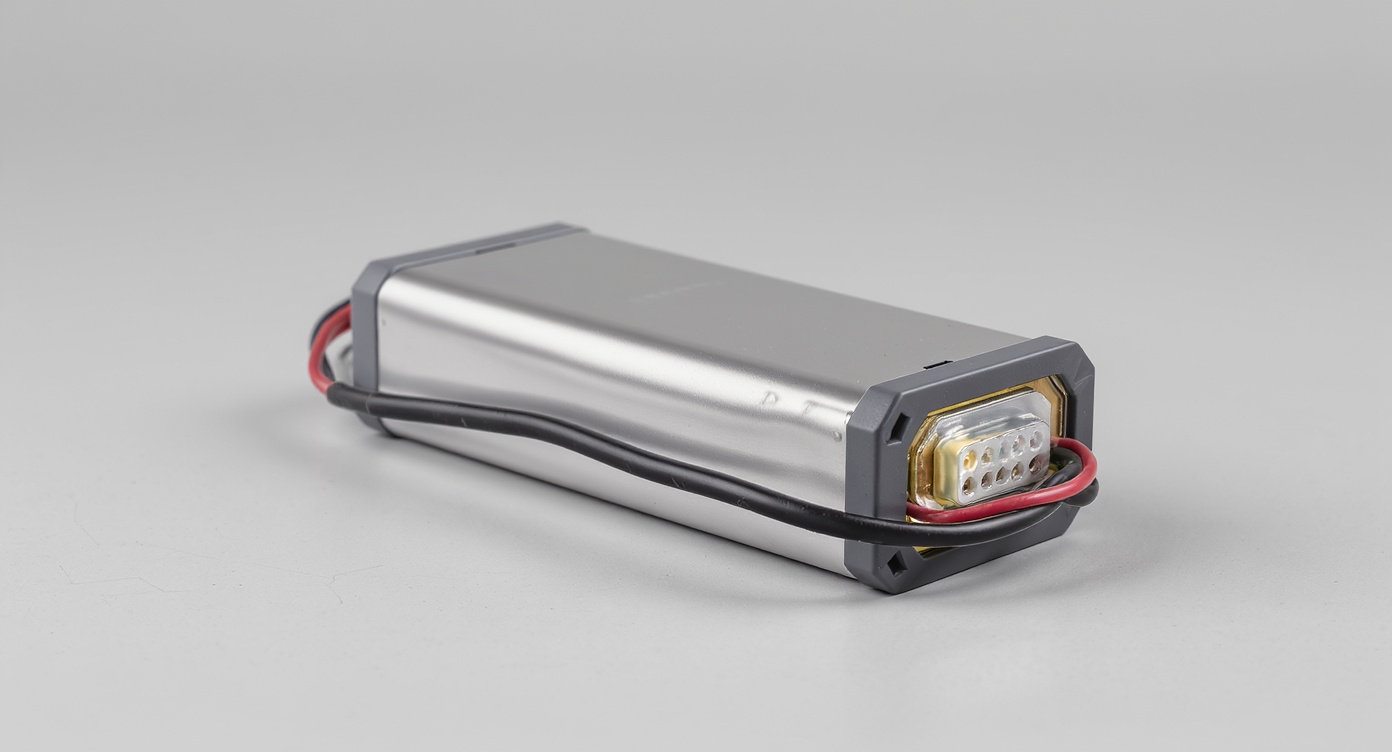
Lithium iron phosphate (LFP) batteries are the gold standard for solar generators right now. They offer 2,000–3,500+ charge cycles (meaning you can fully charge and discharge them thousands of times before capacity degrades significantly), they’re thermally stable (less prone to overheating), and they last longer. NMC (nickel manganese cobalt) batteries are more energy-dense, which can mean a lighter unit, but they typically have a shorter cycle life of 500–1,000 cycles. For a unit you’re relying on for years, LFP is almost always the smarter long-term investment.
Solar Input Capacity (MPPT Wattage)
The MPPT charge controller (Maximum Power Point Tracking — a smart algorithm that constantly adjusts to pull the maximum available power from your panels) has a wattage ceiling. A 3,000W unit might accept anywhere from 600W to 2,400W of solar input. If you’re planning a serious off-grid setup with multiple panels, you want the highest solar input rating you can get, so you can recharge the battery fully within a reasonable window of daylight.
Pass-Through Charging
This feature lets you use the generator’s outlets while it’s simultaneously charging from solar or the grid. Not all units handle this elegantly — some throttle output during charging. Look for units that explicitly advertise full-power pass-through without derating.
Expandable Battery Capacity
Many top-tier 3,000W generators now support add-on battery modules that can double or triple the base capacity. If you think your needs might grow, prioritizing expandability upfront can save you from buying an entirely new system in two years.
Top 3000 Watt Solar Generator Picks for 2025–2026
These recommendations are based on the combination of inverter output, battery quality, solar input flexibility, and real-world user reliability. Prices shift frequently, so treat these as directional — always verify current pricing before purchasing.
EcoFlow DELTA Pro
Brand: EcoFlow
Key Specs: 3,600Wh base capacity (expandable to 25kWh), 3,600W AC output (X-Boost up to 4,500W), up to 1,600W solar input, LFP battery, ~3,500 cycle life
Why it fits: The DELTA Pro is the benchmark unit in this category. Its expandable battery ecosystem means you’re not locked into one capacity, and the high solar input ceiling makes it genuinely viable for daily off-grid recharging. It’s also one of the few units with a smart home panel integration option.
Jackery Explorer 3000 Pro
Brand: Jackery
Key Specs: 3,024Wh capacity, 3,000W AC output, up to 1,800W solar input (6 panels simultaneously), LFP battery, ~2,000 cycle life
Why it fits: Jackery’s build quality and app ecosystem are mature and reliable. The 1,800W solar input is one of the highest in its price range, meaning you can realistically recharge from near-empty in under two hours of strong sunlight with a full panel array. A strong choice for RV users who want fast solar recharge.
Anker SOLIX F3800
Brand: Anker
Key Specs: 3,840Wh capacity, 6,000W AC output (dual inverter), up to 2,400W solar input, LFP battery, ~3,000 cycle life
Why it fits: The F3800 punches above the 3,000W category with its 6,000W inverter, making it ideal for users who occasionally need to run high-surge appliances like a well pump or central AC. The 2,400W solar input is the highest of this group, and it’s designed to integrate with a home’s electrical panel as a true backup system.
Bluetti AC300 + B300 Bundle
Brand: Bluetti
Key Specs: 3,072Wh (with one B300 battery), 3,000W AC output, up to 2,400W solar input, LFP battery, ~3,500 cycle life
Why it fits: The modular AC300 system is one of the most scalable options available. The base unit has no internal battery — it runs entirely on add-on B300 modules — so you can start with one and add more as your needs grow. Ideal for users who want to build a serious home energy storage system incrementally.
Growatt INFINITY 1500 (Paired Setup)
Brand: Growatt
Key Specs: 1,512Wh per unit (pair for ~3,000Wh), 2,000W per unit AC output, up to 1,400W solar input per unit, LFP battery
Why it fits: For budget-conscious buyers, pairing two Growatt INFINITY 1500 units gives you redundancy and flexibility at a lower combined cost than single top-tier units. Each unit can operate independently, which is useful for distributing loads across different areas of a home or RV.
Honest Pros & Cons of the 3000W Solar Generator Category
No buying guide is complete without a straight look at the tradeoffs. Here’s what you’re actually signing up for:
Pros
- Genuine household capability: Runs refrigerators, medical equipment, small AC units, and power tools — not just phone chargers.
- Zero emissions during use: No exhaust, no carbon monoxide risk, safe indoors.
- Silent operation: No engine noise — a real quality-of-life difference during extended outages or overnight RV use.
- Solar rechargeability: With enough panels, you can maintain indefinite runtime off-grid.
- Low ongoing cost: No fuel purchases; maintenance is minimal compared to gas generators.
Cons
- High upfront cost: Quality 3,000W units typically range from $2,000 to $4,500+. This is a significant investment.
- Weight and portability: Most units in this category weigh 60–100 lbs. They’re “portable” in the sense that they have wheels, but you’re not hiking with one.
- Solar recharge speed depends on weather: Cloudy days dramatically extend recharge time. You’ll want a grid or generator backup charging option for extended bad weather.
- Limited surge capacity on some models: Check the peak/surge wattage carefully if you plan to start motors (AC compressors, pumps) — some units handle this better than others.
- Battery degradation over time: Even LFP batteries lose some capacity after thousands of cycles. Plan for a 10–15 year battery lifespan under normal use.
One insider tip worth knowing: the surge wattage (also called peak wattage) matters more than most buyers realize. A refrigerator compressor or a circular saw can draw 2–3x its running wattage for a fraction of a second at startup. If a unit’s surge capacity is only 10–20% above its continuous rating, you may trip the inverter’s overload protection when starting certain appliances. Look for units with a surge rating at least 1.5–2x the continuous output.
Pairing Solar Panels with Your 3000W Generator
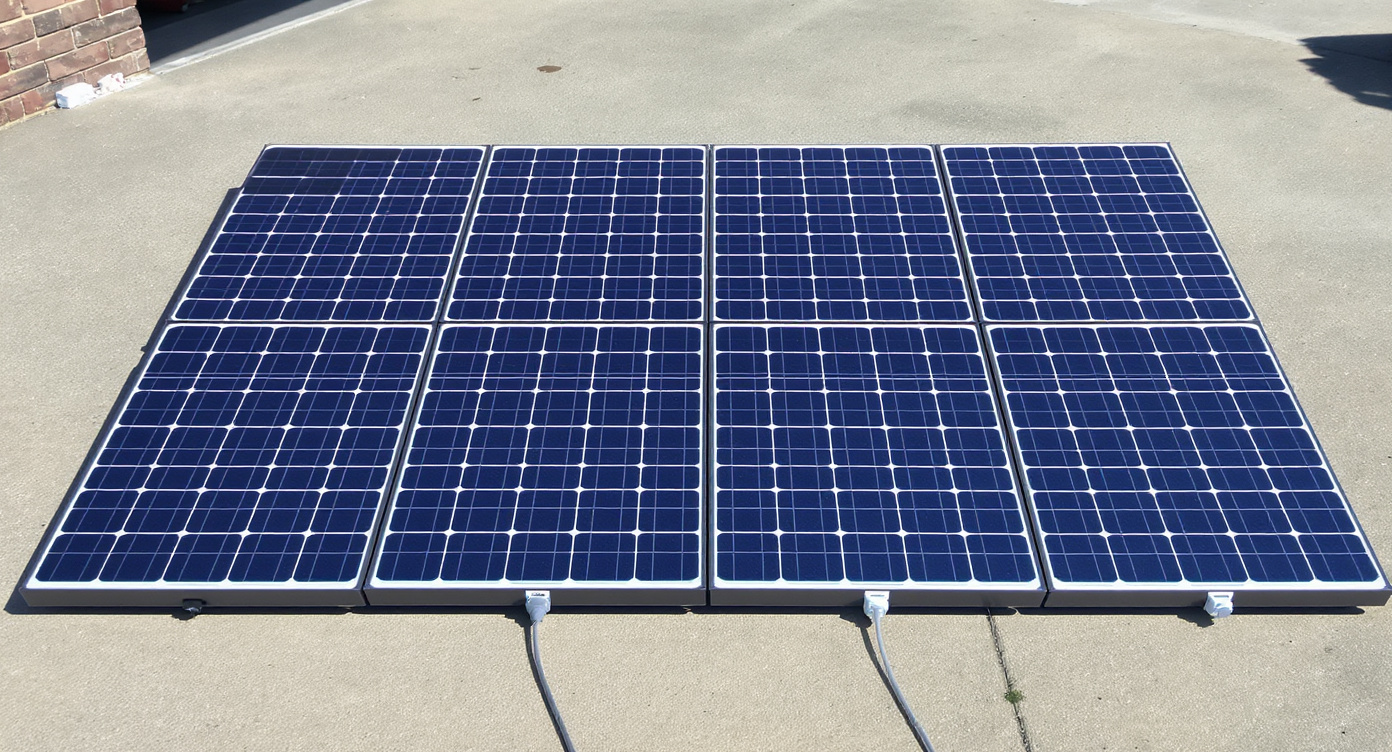
The generator is only half the system. To make it truly solar-powered, you need panels — and the right panels for your situation. For home or stationary use, rigid monocrystalline panels (typically 200–400W each) offer the best efficiency per dollar. For RV or camping use, foldable or semi-flexible panels are more practical despite being slightly less efficient.
To fully recharge a 3,000Wh battery in a single day, you’d need roughly 600–800W of panel capacity in ideal conditions (accounting for real-world efficiency losses of 20–30%). In practice, most users deploy 1,000–1,600W of panels to ensure a full recharge even on partially overcast days. Always check your generator’s maximum solar input rating before buying panels — there’s no benefit to connecting more panel wattage than the MPPT controller can accept.
If you’re also thinking about keeping a refrigerator running as a priority load, the best solar generator for refrigerator setups have specific guidance on panel sizing and runtime calculations that’s worth reading alongside this guide.
Frequently Asked Questions
Can a 3000 watt solar generator run central air conditioning?
Most central AC systems require 3,000–5,000W to run and significantly more to start up (surge). A 3,000W solar generator can typically run a window AC unit (typically 500–1,500W) or a mini-split (typically 700–2,000W depending on size), but not a full central AC system. Check your specific unit’s BTU rating and corresponding wattage before assuming compatibility.
How long will a 3000W solar generator power a refrigerator?
A modern full-size refrigerator typically uses 100–200W on average (it cycles on and off). With a 3,000Wh battery, you’d expect roughly 15–25 hours of refrigerator runtime, assuming no other significant loads. Add a few lights and device charging and you’re looking at 10–18 hours realistically. Our dedicated article on the best solar generator for refrigerator use covers this calculation in detail.
Is a 3000W solar generator the same as the “best solar generator” overall?
Not necessarily — the best solar generator for any given person depends entirely on their specific power needs. The 3,000W category is excellent for medium-to-heavy home and RV use, but lighter users may find it oversized and overly expensive for their actual needs.
Can I use a 3000W solar generator with a CPAP machine?
Absolutely — a CPAP draws only 30–60W typically, so a 3,000Wh battery could theoretically run it for 50–100 nights. The real concern is whether your CPAP is sensitive to the type of AC output (pure sine wave vs. modified sine wave). Always use a pure sine wave inverter with medical equipment. All the units recommended above use pure sine wave inverters. For more on this topic, see our guide to the best solar generator for CPAP users.
Do I need a transfer switch to use a solar generator for home backup?
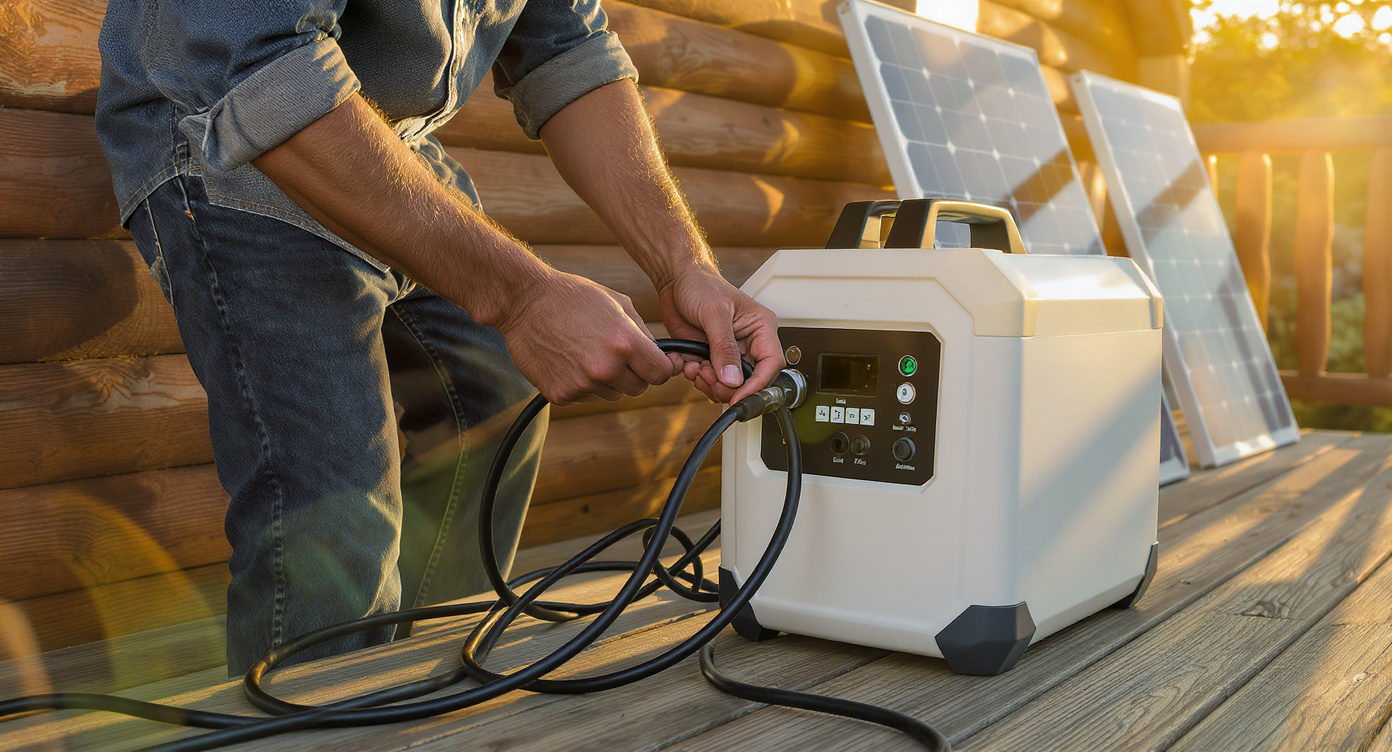
For running appliances directly from the generator’s outlets, no transfer switch is needed — you just plug in. But if you want to power hardwired circuits (like a built-in refrigerator, lighting circuits, or a well pump), you’ll need either a manual transfer switch or a smart home panel integration kit (offered by EcoFlow and Anker for their top-tier units). Never backfeed power into your home’s panel without proper isolation — it’s a safety and legal issue.
How does a 3000W solar generator compare to a whole-house backup system?
A portable 3,000W solar generator is a step below a dedicated whole-house system. It can cover essential circuits but won’t power an entire average home simultaneously. If whole-house backup is your goal, check out our comparison of whole house solar generator systems, which covers larger battery banks and panel arrays designed for that purpose.
Conclusion: Making the Right Call on a 3000W System
The 3,000W solar generator category has matured significantly in the last few years. What used to be a compromise between power and portability is now a genuinely capable power platform — one that can handle real household loads, recharge from solar in a single day with the right panel setup, and last a decade or more with proper care.
The key is matching the right unit to your specific situation. Prioritize LFP battery chemistry for longevity, high solar input wattage for off-grid recharging, and surge capacity for motor-driven appliances. If you’re primarily focused on RV use, the best solar generator for RV setups have additional considerations around weight and panel mounting worth reviewing. And if you’re not sure whether 3,000W is the right size at all, our overview of the best solar generators across all size classes can help you calibrate.
Ready to move forward? Pick the unit that aligns with your highest-wattage load, your battery runtime goals, and your budget — then build your panel array around it. You’ll have a system that’s quieter, cleaner, and more sustainable than anything running on gasoline.