So you’ve started researching solar generators and you’ve hit the same wall most buyers hit: the prices seem all over the place. A quick search turns up units for $200 and units for $5,000, and nobody seems to explain what you’re actually paying for. How much does a solar generator cost — really? The honest answer is anywhere from about $150 to over $5,000, and that range reflects genuine differences in capability, not just brand markup. This guide breaks down exactly what drives those price differences so you can stop guessing and start shopping with confidence.
What Exactly Is a Solar Generator (and What Are You Paying For)?
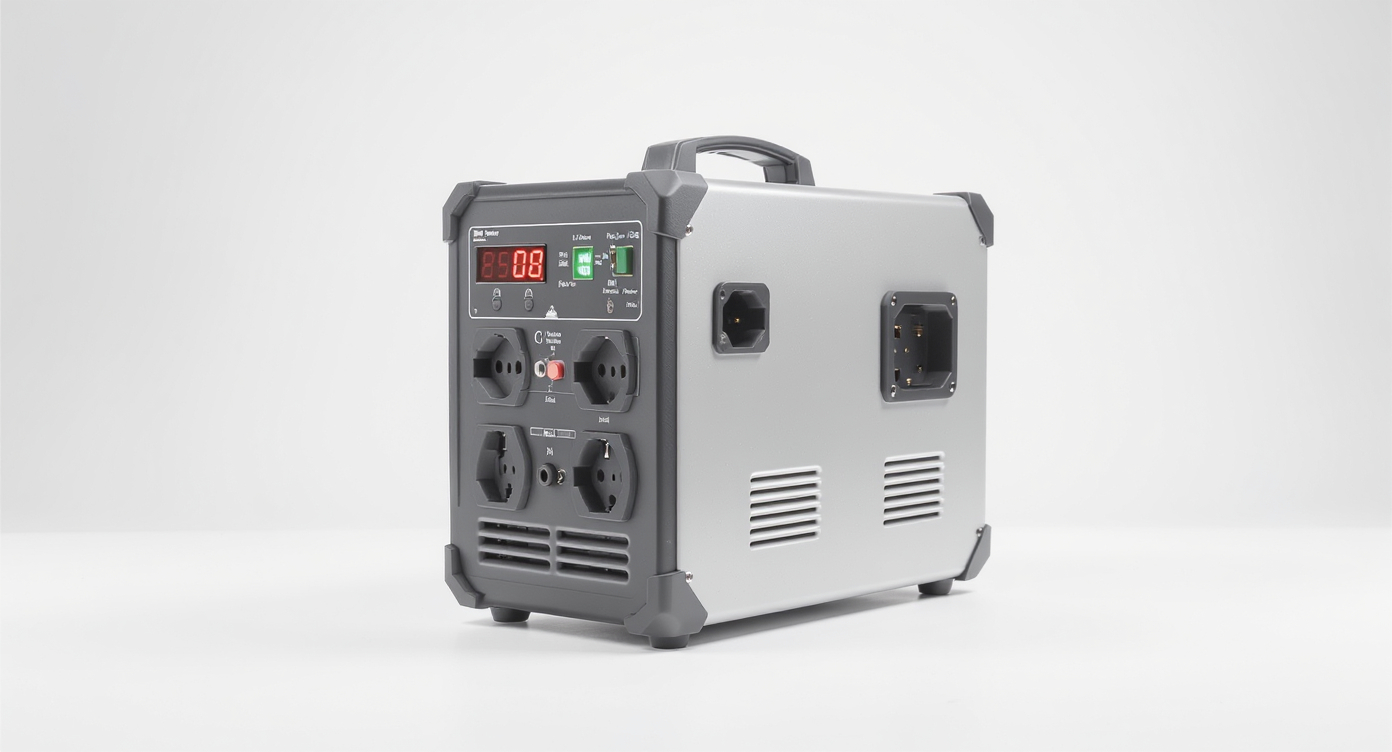
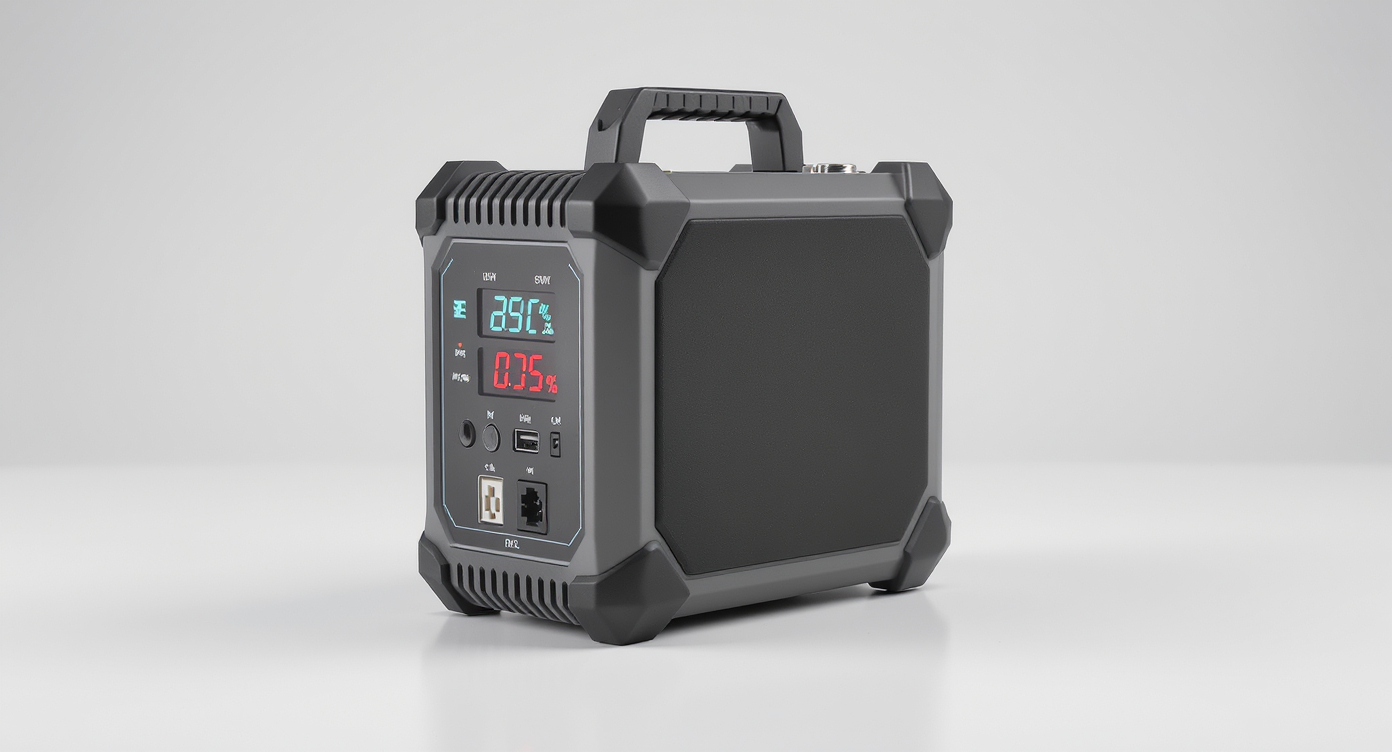
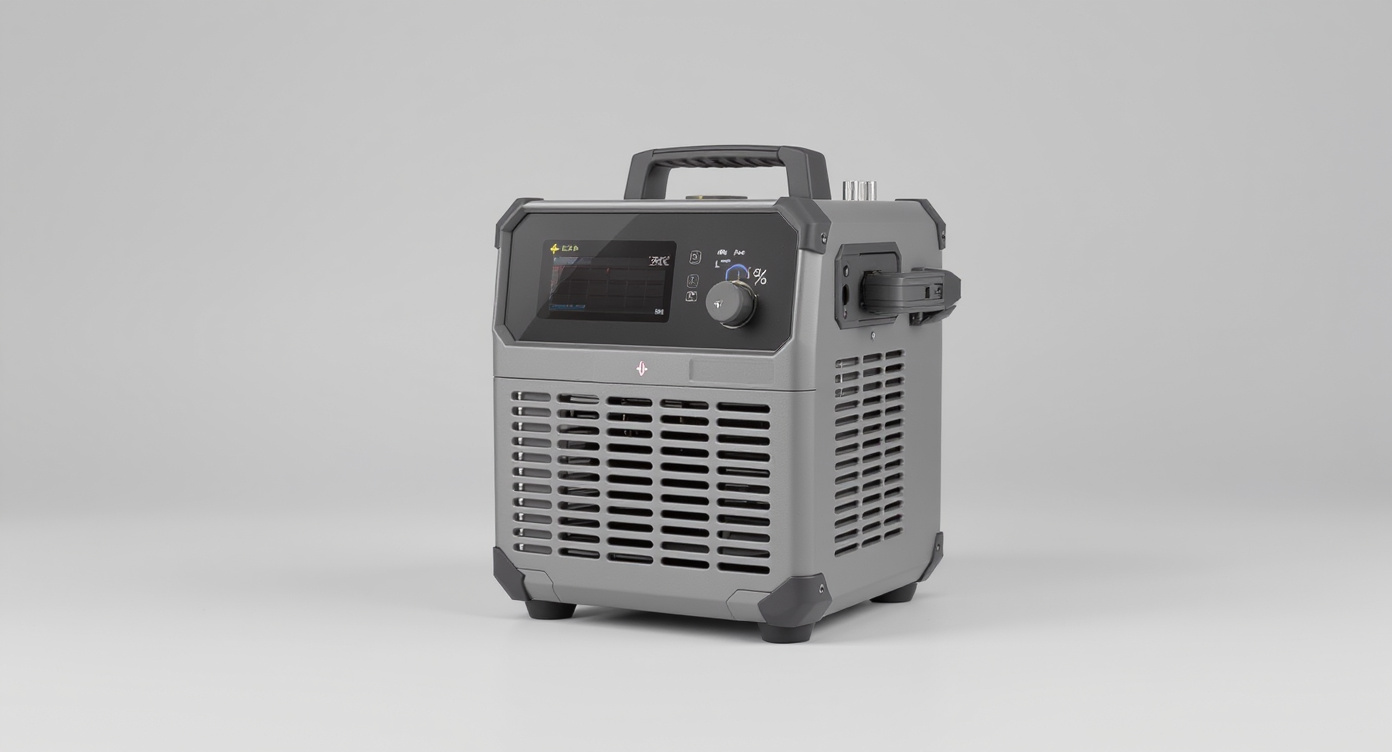
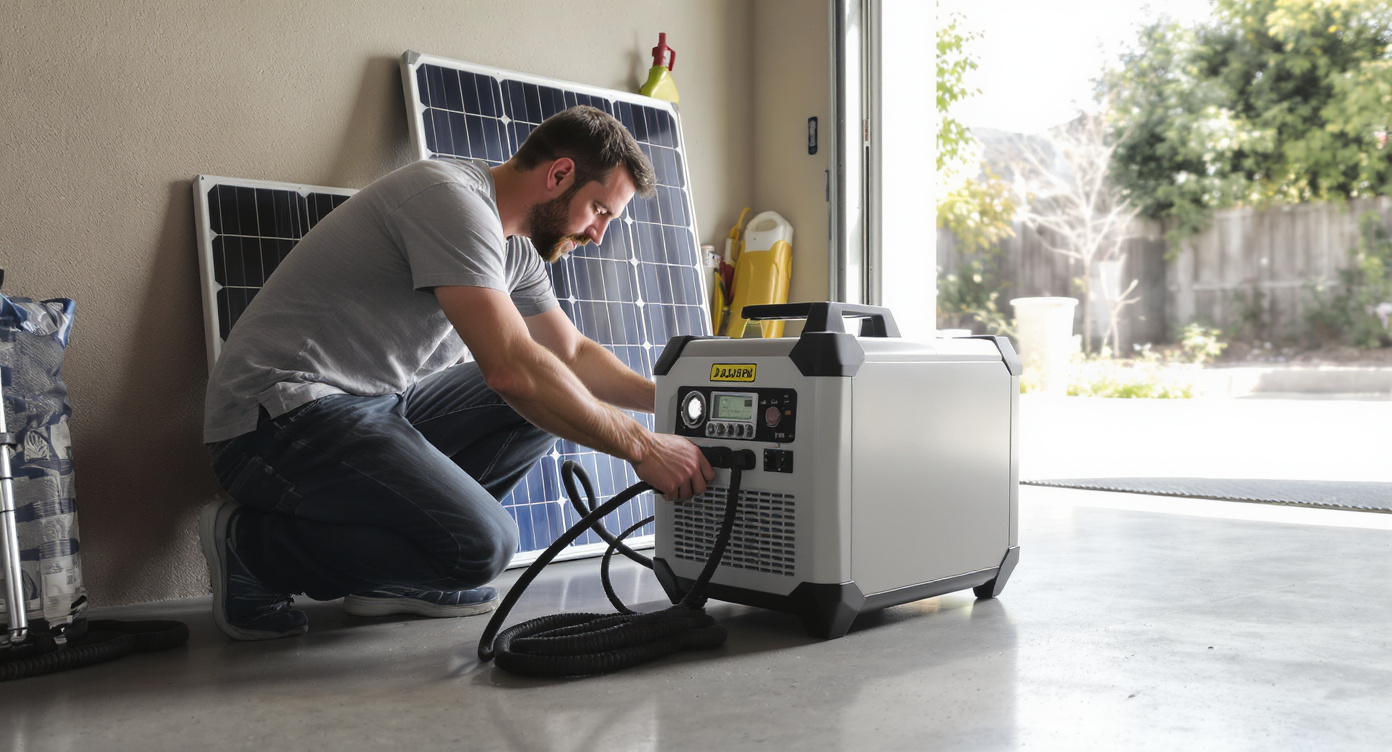
Before we talk dollars, it helps to know what’s inside the box. A solar generator is essentially a portable power station — a large lithium battery pack with a built-in inverter (a device that converts stored DC battery power into the AC power your household appliances use), a charge controller (circuitry that regulates the current coming in from solar panels so it doesn’t damage the battery), and a set of output ports. Solar panels are usually sold separately, though some kits bundle them together. For a fuller breakdown of what these components do, check out our guide on understanding solar generator technology.
When you’re comparing prices, you’re really comparing three core specs: battery capacity measured in watt-hours (Wh — think of this like the fuel tank size), continuous output wattage (how much power it can deliver at one time), and solar input rate (how fast it can recharge from panels). A unit with a bigger tank, higher output, and faster charging simply costs more. The tricky part is knowing which of those specs you actually need.
The Real Price Tiers: What Each Budget Gets You
Entry-Level Solar Generators ($150–$500)
At this price point, you’re looking at units with roughly 150Wh to 500Wh of capacity and continuous output ratings in the 200W–500W range. These are genuinely useful for charging phones, laptops, running LED lights, a small fan, or keeping a CPAP machine running overnight. They’re popular for car camping, weekend trips, and keeping a few essentials alive during a short outage. Don’t expect to run a refrigerator or power tools from one of these — the tank just isn’t big enough.
Mid-Range Solar Generators ($500–$1,500)
This is the sweet spot for most buyers. Units in this range typically offer 500Wh to 1,500Wh of capacity with continuous output between 500W and 1,500W. You can run a full-size refrigerator for several hours, power a small window AC unit briefly, charge multiple devices simultaneously, and handle most of what a typical household needs during a 12–24 hour outage. The battery chemistry at this price is usually LiFePO4 (lithium iron phosphate — a chemistry known for longer cycle life and better thermal stability than older lithium-ion cells), which matters a lot for longevity. If you’re asking yourself what size solar generator fits your situation, most households land somewhere in this tier.
Premium Solar Generators ($1,500–$3,500)
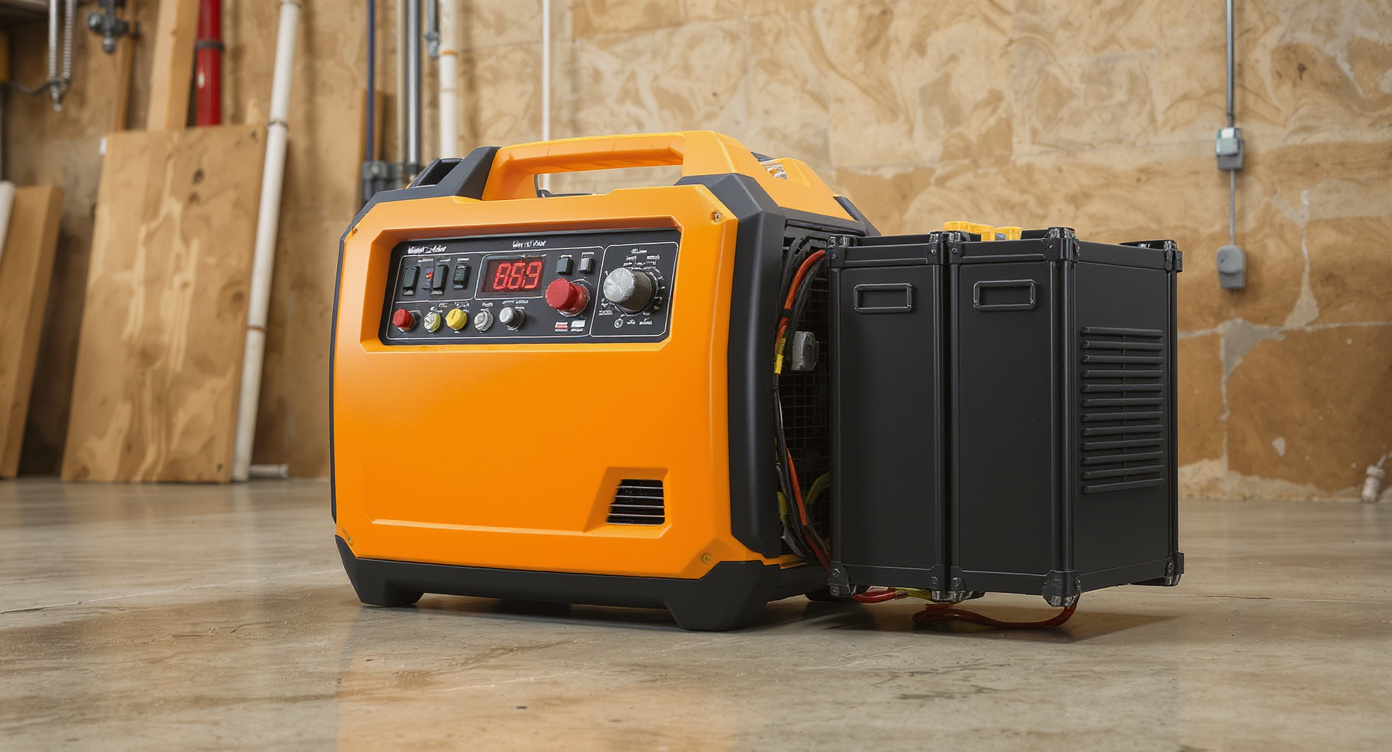
Step up here and you get units with 1,500Wh to 3,600Wh of capacity, output ratings that can handle 2,000W–3,600W continuously, and fast solar charging that can refill the battery in as little as 1–3 hours with enough panels. These units can genuinely run a full-size refrigerator, a sump pump, power tools, and multiple devices at once. Some models in this range support expandable battery modules (add-on battery packs that connect to the base unit to increase total capacity), which is a feature worth paying for if your needs might grow.
High-Capacity / Whole-Home Solar Generator Systems ($3,500–$10,000+)
At the top end, you’re looking at systems with 3,000Wh to 10,000Wh or more, often configured as a base unit with multiple expansion batteries. Some pair with a transfer switch (a device that safely connects your generator to your home’s electrical panel so it can power hardwired circuits). These are built for extended outages, off-grid cabins, or full home backup. If you’re wondering whether a solar generator can actually power a house, the answer depends heavily on which tier you’re buying in.
What Drives the Price Up? The Specs That Actually Matter
Here’s where a lot of buyers get confused — they see two units with similar capacity listed at very different prices and assume one is overpriced. Usually it’s not. These are the factors that legitimately push the price higher:
- Battery chemistry: LiFePO4 cells cost more to manufacture but last 2,000–3,500+ charge cycles versus 500–800 cycles for older lithium-ion cells. If you plan to use the unit regularly, this is worth paying for. Our article on solar generator lifespan covers this in detail.
- Solar input speed: A unit that can accept 1,000W of solar input recharges in a fraction of the time a 200W-input unit does. The fastest-charging solar generators use a technology called MPPT (Maximum Power Point Tracking — a smarter charging algorithm that extracts more power from panels under variable conditions) rather than cheaper PWM controllers.
- Pure sine wave output: Quality inverters produce a smooth, clean AC waveform that’s safe for sensitive electronics like medical equipment and modern appliances. Cheaper units sometimes use modified sine wave output, which can cause issues with certain devices.
- Expandability and app integration: Modular systems that let you add battery capacity or connect to a home panel command a premium, but they also future-proof your investment.
- Build quality and warranty: Waterproofing ratings, robust port covers, and a 3–5 year warranty versus a 1-year warranty all add to the price — and to the unit’s real-world value.
Insider Tip: Don’t fixate on peak watt ratings in marketing copy. The number that matters is continuous output watts — what the unit can sustain for more than a few seconds. Peak wattage (a brief surge for motor startups) is often 2x the continuous rating, and some brands lead with peak to make units sound more capable than they are.
Solar Generator vs. Gas Generator: Does the Price Math Work Out?
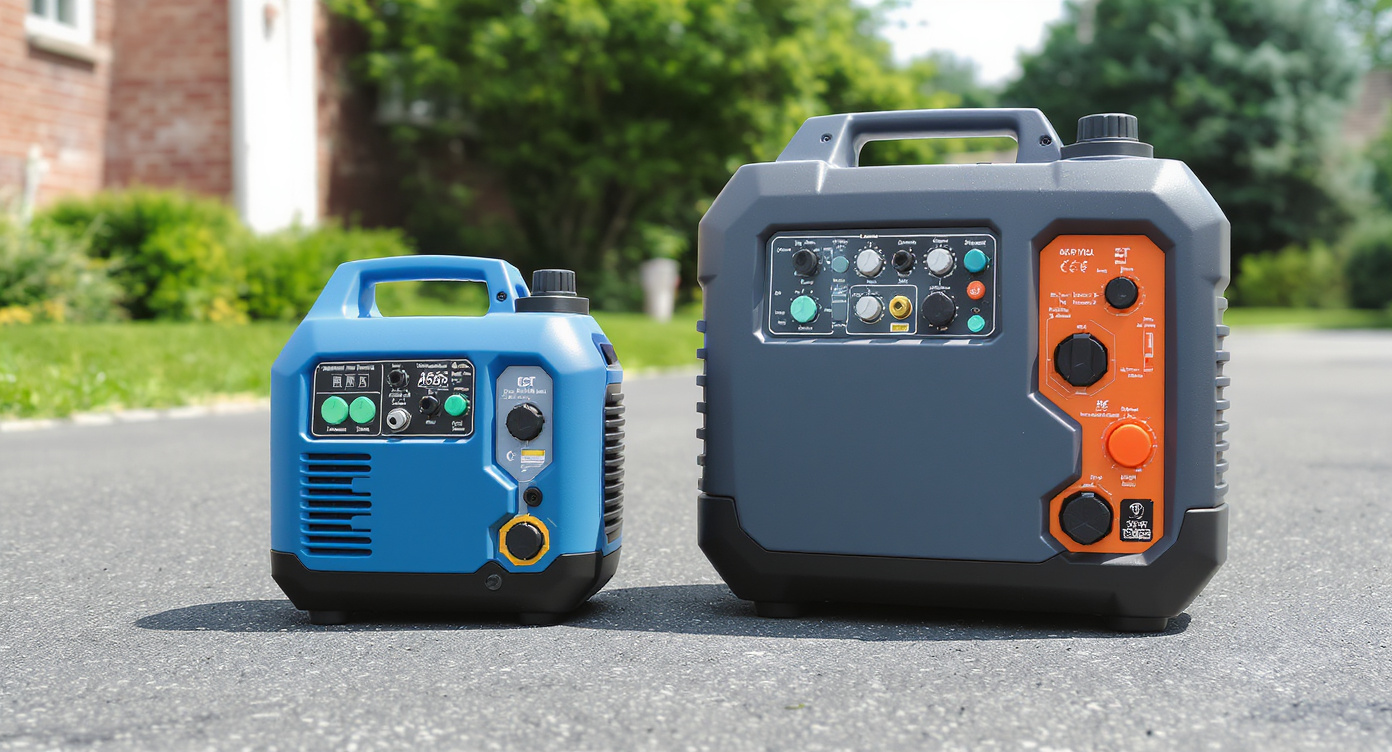
A gas generator at the same output level often costs less upfront — sometimes significantly less. But the total cost of ownership tells a different story. Gas generators require fuel (which adds up fast during extended outages), regular oil changes, carburetor maintenance, and proper storage. A solar generator’s “fuel” is sunlight, which is free. Over 3–5 years of regular use, many solar generator owners find the total cost comparable or lower. For a head-to-head breakdown, our solar vs. gas generator comparison lays out the full picture, and our broader solar vs. generator analysis covers the wider tradeoffs including noise, emissions, and use cases.
There’s also the question of what you’re powering. If you need to run a space heater, a gas generator’s higher continuous output is often more practical — solar generators can struggle with resistive heating loads. We’ve covered that limitation honestly in our piece on running a space heater on solar power. Similarly, air conditioning is a major load that most mid-range solar generators handle only briefly — see our breakdown of solar generators and AC units for realistic expectations.
Solar Generator Cost: Honest Pros and Cons
- Pro: No fuel cost — sunlight is free, and most units also charge from wall outlets or car ports.
- Pro: Silent operation — no exhaust, no noise ordinance issues, safe indoors.
- Pro: Low maintenance — no oil, no spark plugs, no carburetor to gum up.
- Pro: LiFePO4 models offer 2,000–3,500+ cycles, meaning a decade or more of regular use.
- Con: Higher upfront cost compared to equivalent gas generators.
- Con: Recharge time depends on sunlight — cloudy days slow everything down significantly.
- Con: Capacity limits mean they’re not ideal for very high-draw appliances (electric dryers, large HVAC systems) without expensive high-capacity systems.
- Con: Solar panels add to the total cost — budget for them separately unless buying a bundle.
Top Solar Generators Worth Considering at Each Price Point
Jackery Explorer 300 Plus
Brand: Jackery
Capacity: 288Wh | Output: 300W continuous | Chemistry: LiFePO4
A compact, genuinely portable unit that handles phones, laptops, and small appliances. A solid entry-level pick for camping and light backup use, with LiFePO4 longevity at a sub-$300 price point.
EcoFlow DELTA 2
Brand: EcoFlow
Capacity: 1,024Wh | Output: 1,800W continuous | Solar Input: up to 500W
One of the best mid-range values available. Fast charging, expandable via an extra battery module, and capable enough to run a full-size refrigerator for 10+ hours. A strong choice for home backup and extended camping.
Bluetti AC200MAX
Brand: Bluetti
Capacity: 2,048Wh | Output: 2,200W continuous | Solar Input: up to 900W
A premium mid-to-high unit with expandable capacity (up to ~8,192Wh with add-on batteries), fast solar charging, and a robust port selection. Excellent for off-grid cabins, extended outages, and RV use.
EcoFlow DELTA Pro
Brand: EcoFlow
Capacity: 3,600Wh | Output: 3,600W continuous | Solar Input: up to 1,600W
A serious home backup system. With optional expansion batteries and a Smart Home Panel, it can power hardwired circuits. If you’re evaluating whether to keep your existing generator or go solar, this is the unit that makes the comparison closest. Pairs well with rooftop solar if you have it.
Anker SOLIX F3800
Brand: Anker
Capacity: 3,840Wh | Output: 6,000W continuous (with power boost) | Solar Input: up to 2,400W
One of the most powerful portable power stations on the market. Designed for whole-home backup, it can handle high-draw appliances that most solar generators can’t touch. Premium price, but genuinely premium capability.
Don’t Forget the Cost of Solar Panels
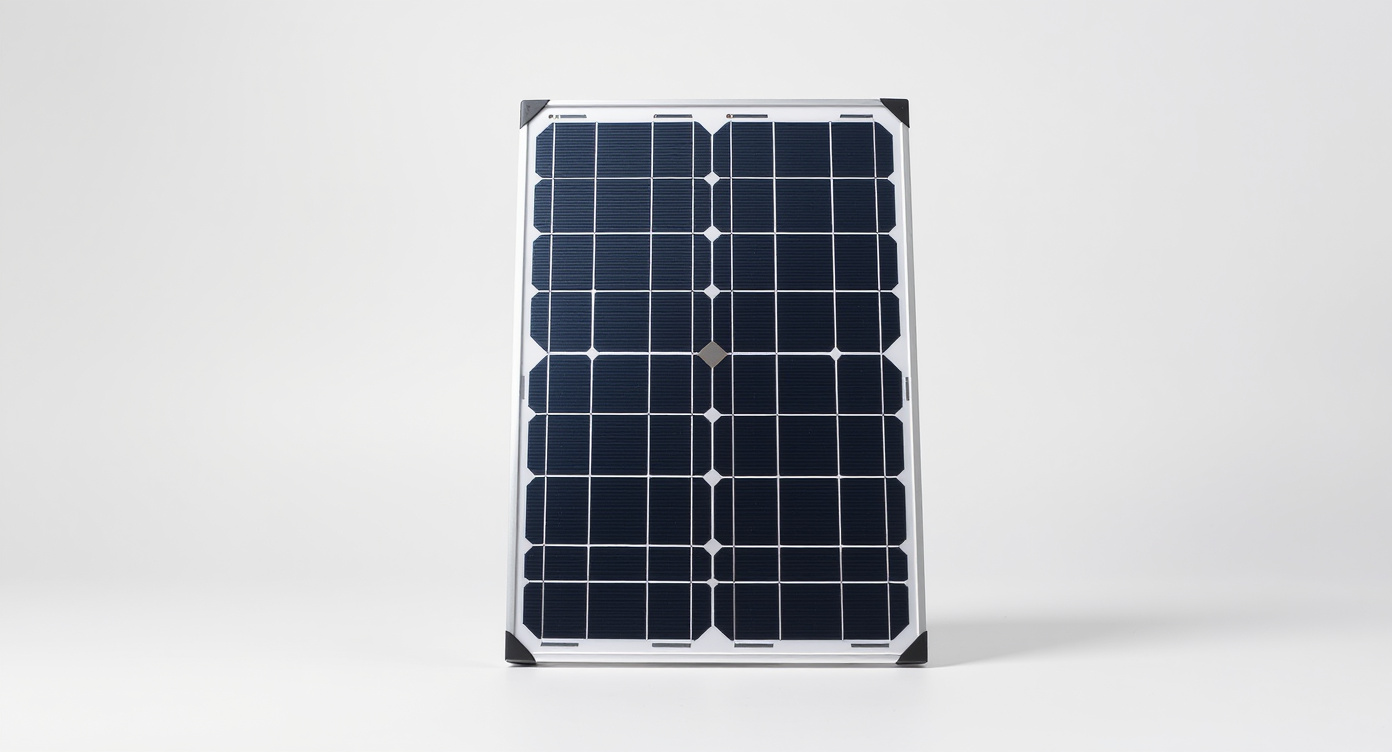
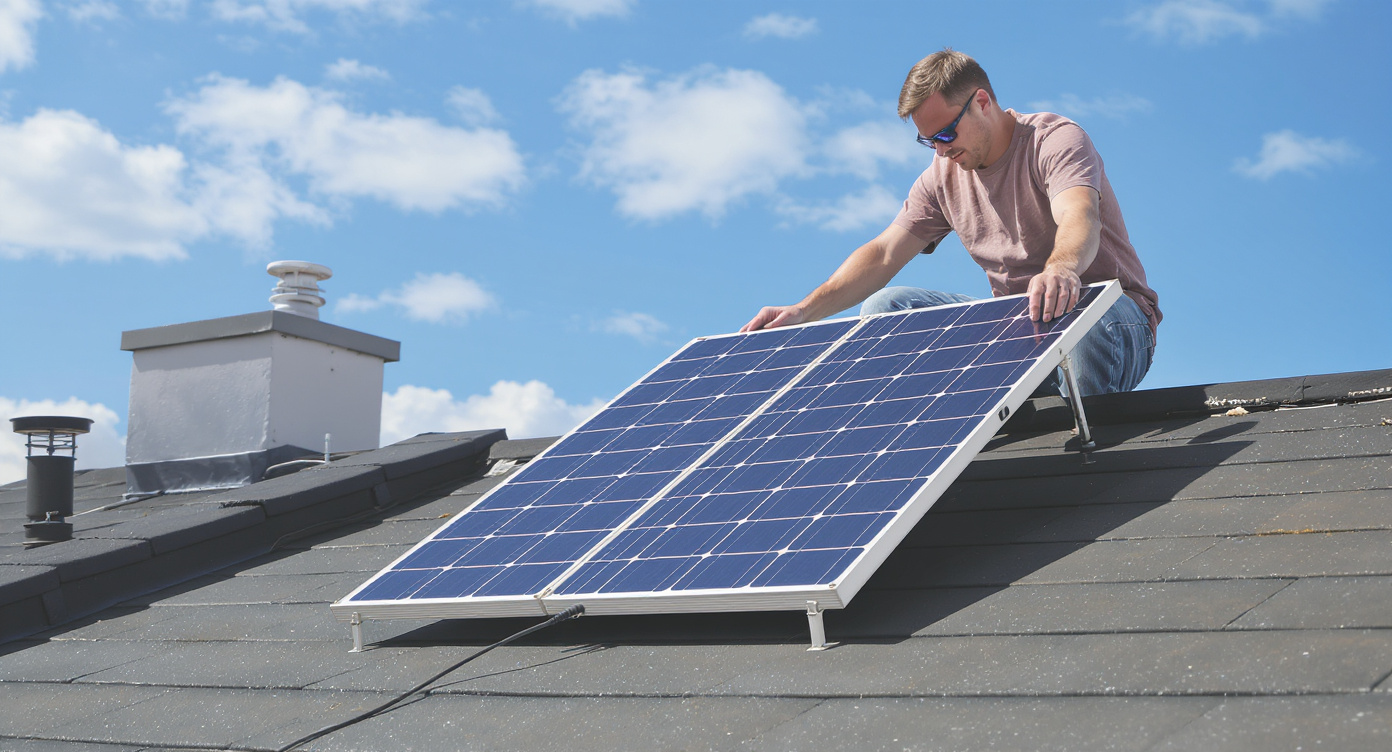
Here’s something a lot of first-time buyers miss: the solar generator unit itself is only part of the total system cost. If you want to recharge from the sun (which is, after all, the point), you’ll need solar panels — and they’re almost always sold separately. A quality 100W portable solar panel runs roughly $100–$200; a 200W panel, $150–$300. Most mid-range solar generators charge optimally with 200W–400W of panels, so budget an additional $200–$600 on top of the unit price for a complete, functional solar setup.
Insider Tip: Foldable monocrystalline panels are worth the premium over cheaper polycrystalline options when space is limited. They produce meaningfully more power per square foot in real-world conditions, which matters a lot when you’re trying to recharge a 1,000Wh battery in a single afternoon.
If you already have a rooftop solar array, you might be wondering whether you even need a standalone generator. Our article on whether solar panel owners need a generator addresses that question directly — the short answer involves how your system handles grid outages and whether you have battery storage.
Frequently Asked Questions About Solar Generator Pricing
Is it cheaper to build your own solar generator?
Sometimes, yes — a DIY build using individual components (lithium battery cells, a separate inverter, charge controller, and enclosure) can undercut the cost of a name-brand unit at the same capacity, especially at the higher end. But it requires technical knowledge and time. If you’re curious, our guide on building your own solar generator walks through what’s involved. For most buyers, the integrated warranty and safety certifications of a commercial unit make more sense.
Do solar generators hold their value?
Better than most consumer electronics, actually. A well-maintained LiFePO4 unit retains most of its capacity for years, and the used market for quality brands is reasonably active. That said, technology improves quickly in this space, so a unit that costs $1,500 today may be outperformed by a similarly priced unit in two years.
Can I connect a solar generator to my home’s electrical system?
Some high-end units support this via a transfer switch or a proprietary home panel kit. For most portable units, you plug appliances directly into the unit’s output ports rather than wiring it into your home’s circuits. Our guide on connecting a generator to a solar system covers the integration options in detail.
Are there ongoing costs after buying a solar generator?
Minimal. There’s no fuel, no oil changes, and no regular maintenance. The main “cost” over time is battery degradation — capacity gradually decreases with each charge cycle, though LiFePO4 units degrade very slowly. Some manufacturers offer battery replacement services after the warranty period, but most users find their unit still performs well after 5–7 years of regular use.
What’s the best value tier for most homeowners?
For the majority of homeowners who want reliable backup for a refrigerator, some lights, device charging, and a fan or two, the $700–$1,500 range hits the best balance of capability, longevity, and price. Units like the EcoFlow DELTA 2 or Bluetti EB70S represent genuinely strong value at this level.
The Bottom Line: Matching Your Budget to Your Real Needs
The question “how much does a solar generator cost” has a satisfying answer once you know what you’re buying: entry-level units start around $150–$500 for light portable use; mid-range units from $500–$1,500 cover most home backup and camping needs; premium systems from $1,500–$3,500+ handle serious power requirements; and whole-home setups can exceed $5,000–$10,000 with expansion batteries and panel arrays included. The key is matching the capacity and output to what you actually plan to power — not buying more than you need, and not buying less than will do the job.
Start by listing the appliances you’d want to run and their wattages. Add up the hours you’d need to run them. That gives you a rough watt-hour target, which maps directly to a price tier. From there, it’s about choosing a brand with a solid warranty, LiFePO4 chemistry if your budget allows, and a solar input rating that matches the number of panels you plan to pair with it.
Ready to dig deeper? Explore our full library of solar generator guides at Solarasphere — from choosing the right size to understanding how these systems fit into a broader home energy setup. The right system for your needs almost certainly exists at a price that makes sense; it’s just a matter of knowing what to look for.