You’ve gone through the hassle and expense of getting solar panels installed — so the question naturally comes up: if you have solar panels, do you need a generator? It feels like it should be a simple yes or no, but the honest answer depends on how your solar system is set up, where you live, and what you’re trying to protect. Let’s walk through the real comparison so you can make a confident decision — not one based on what a salesperson wants you to buy.
The Short Answer: It Depends on Your Solar Setup
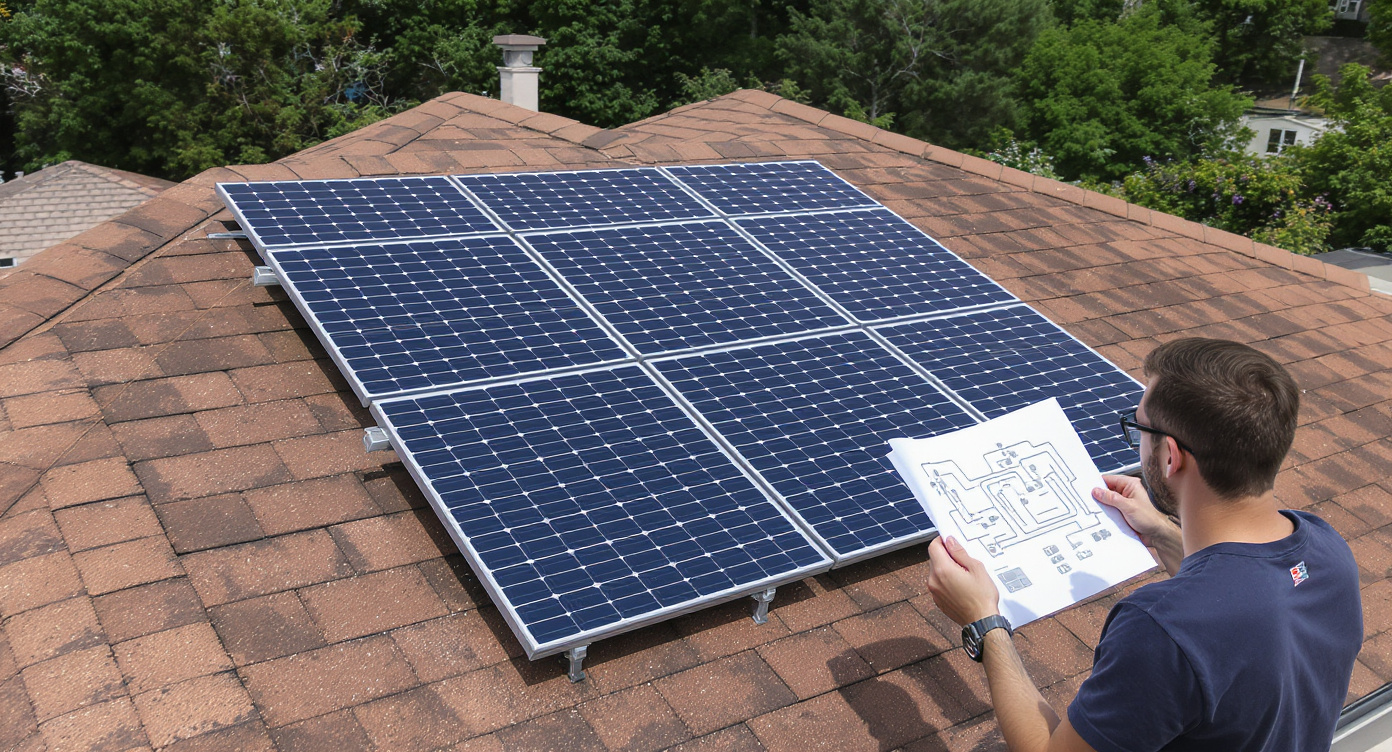
Here’s the concise version for anyone who wants the quick take: if your solar panels are paired with a battery storage system, you may not need a generator at all for most outages. But if your panels are grid-tied without battery backup (the most common residential setup), your system actually shuts off automatically during a grid outage — meaning you’d have zero power despite a roof full of panels. In that case, a generator or battery addition becomes worth serious consideration.
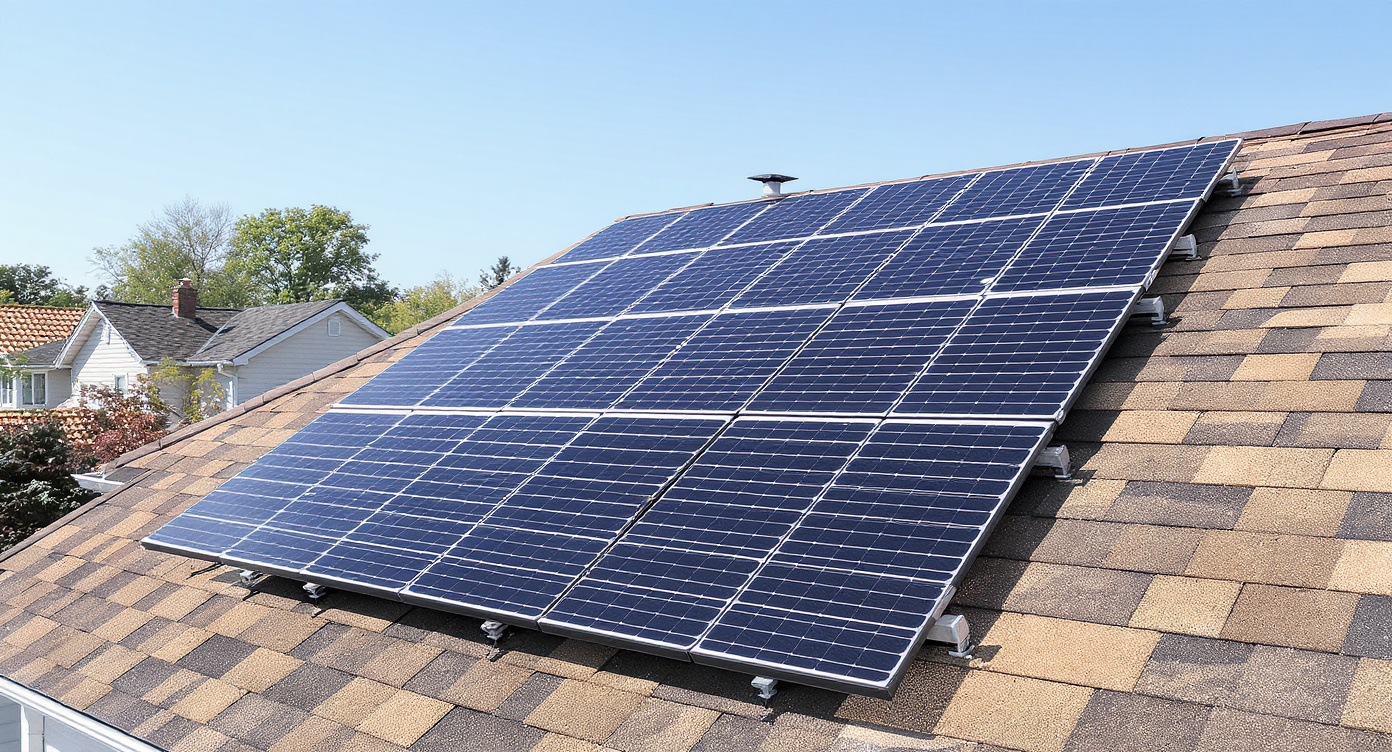
That grid-shutoff behavior surprises a lot of homeowners. It’s not a flaw — it’s a safety feature called anti-islanding protection (a mechanism that prevents your solar system from sending power back into utility lines while workers are trying to repair them). So the panels are fine; it’s the inverter (a device that converts the DC electricity your panels produce into the AC electricity your home uses) doing its job correctly. Knowing this changes the whole conversation.
Three Scenarios Where Solar Alone Isn’t Enough
Rather than a blanket recommendation, it helps to think about your specific situation. Here are the three most common cases where relying solely on solar panels leaves a real gap:
- Grid-tied system, no battery storage: As explained above, a blackout means your solar shuts off too. You’re left in the dark even on a sunny day.
- Extended cloudy periods or nighttime: Solar only generates power when the sun is shining. If a storm knocks out the grid for three days — and those days are overcast — even a battery bank can run low. Generators don’t care about cloud cover.
- High-demand appliances: Running central air conditioning, an electric water heater, or a well pump continuously requires sustained wattage that a modest solar-plus-battery setup might not sustain. A generator fills that gap reliably.
Worth asking yourself: what are the actual loads you’d need to run during an outage? If the answer is “just a few lights, the fridge, and phone charging,” a well-sized battery system probably handles it. If the answer includes a sump pump, medical equipment, and a chest freezer, you want a generator in the mix — or at minimum a serious battery bank.
When Solar Panels Plus Battery Storage Can Replace a Generator
A solar-plus-storage system — panels feeding a lithium battery bank through a charge controller (a device that regulates the voltage and current flowing from panels into batteries to prevent overcharging) — can genuinely eliminate the need for a conventional generator for many households. If your battery capacity is sized correctly for your daily usage, and your area gets reliable sun, you can sail through short outages without ever pulling a generator cord.
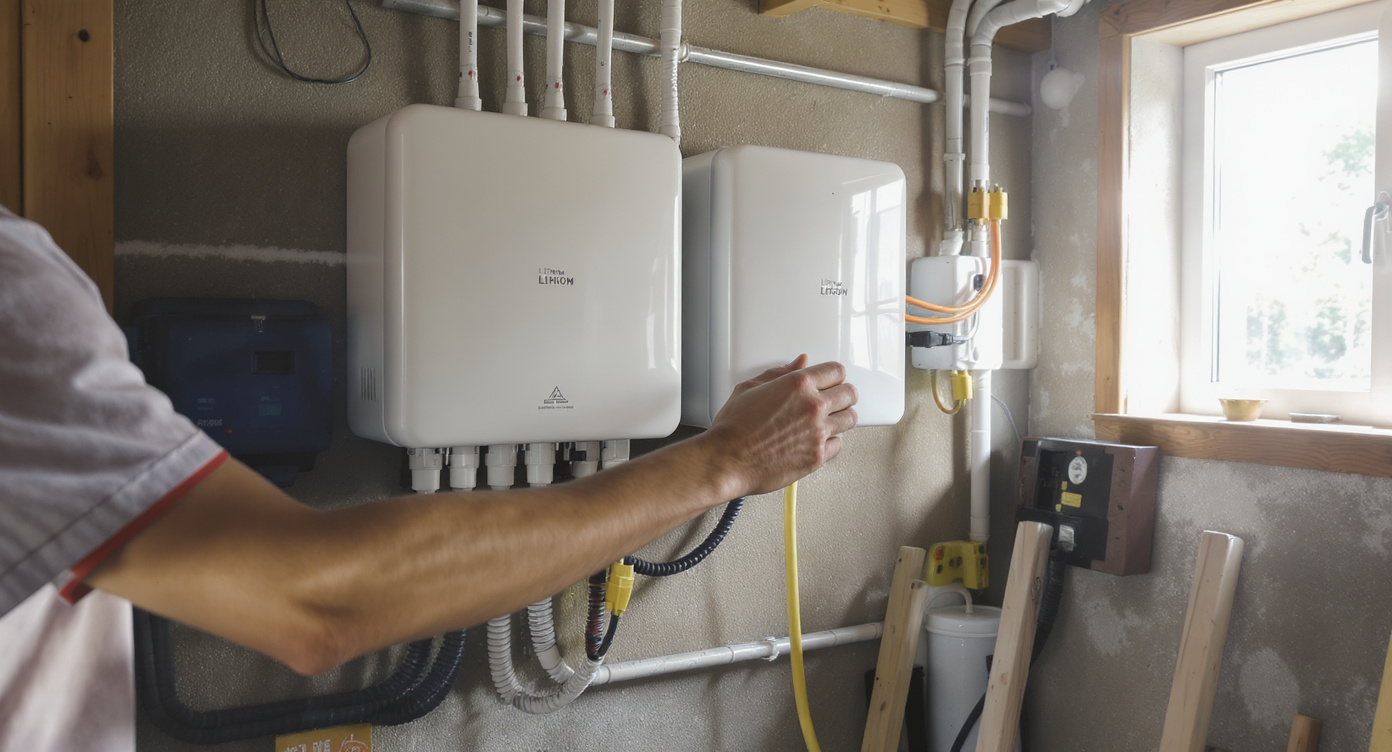
The key metric here is your battery’s usable capacity in watt-hours (Wh) — think of it like the fuel tank on a car: the bigger the tank, the longer you can drive before refueling. A typical home might consume 30–50 kWh per day; a 10–20 kWh battery system covers essential loads for one or two nights without any solar input. For a deeper look at how these systems pair together, our guide on connecting a generator to a solar system walks through the integration in detail.
If you’re curious whether a fully solar-powered approach can handle your whole home, the article on whether a solar generator can power a house covers realistic expectations by home size and load type — worth a read before you commit either way.
The Case for Keeping a Generator Alongside Your Solar Panels
Even die-hard solar advocates often keep a generator around — and there are solid reasons for it. A generator provides on-demand, weather-independent power. It doesn’t care if it’s been raining for a week. It doesn’t deplete overnight. And for high-wattage, short-duration tasks (running a table saw, jump-starting a well pump, or powering a portable AC unit), a generator often delivers that surge capacity more cost-effectively than scaling up a battery bank.
The comparison between these two approaches is worth understanding in depth — our breakdown of solar vs. generator systems covers the trade-offs in detail, including cost, maintenance, noise, and runtime. And if you’re specifically weighing fuel costs and emissions, the piece on solar vs. gas generator gets into the numbers.
Insider tip: If you do keep a gas generator alongside solar, consider an inverter generator rather than a conventional open-frame model. Inverter generators produce cleaner sine-wave power (important for sensitive electronics) and are significantly quieter — a real quality-of-life difference if you’re running it for hours.
Solar Generators: A Middle-Ground Option Worth Knowing
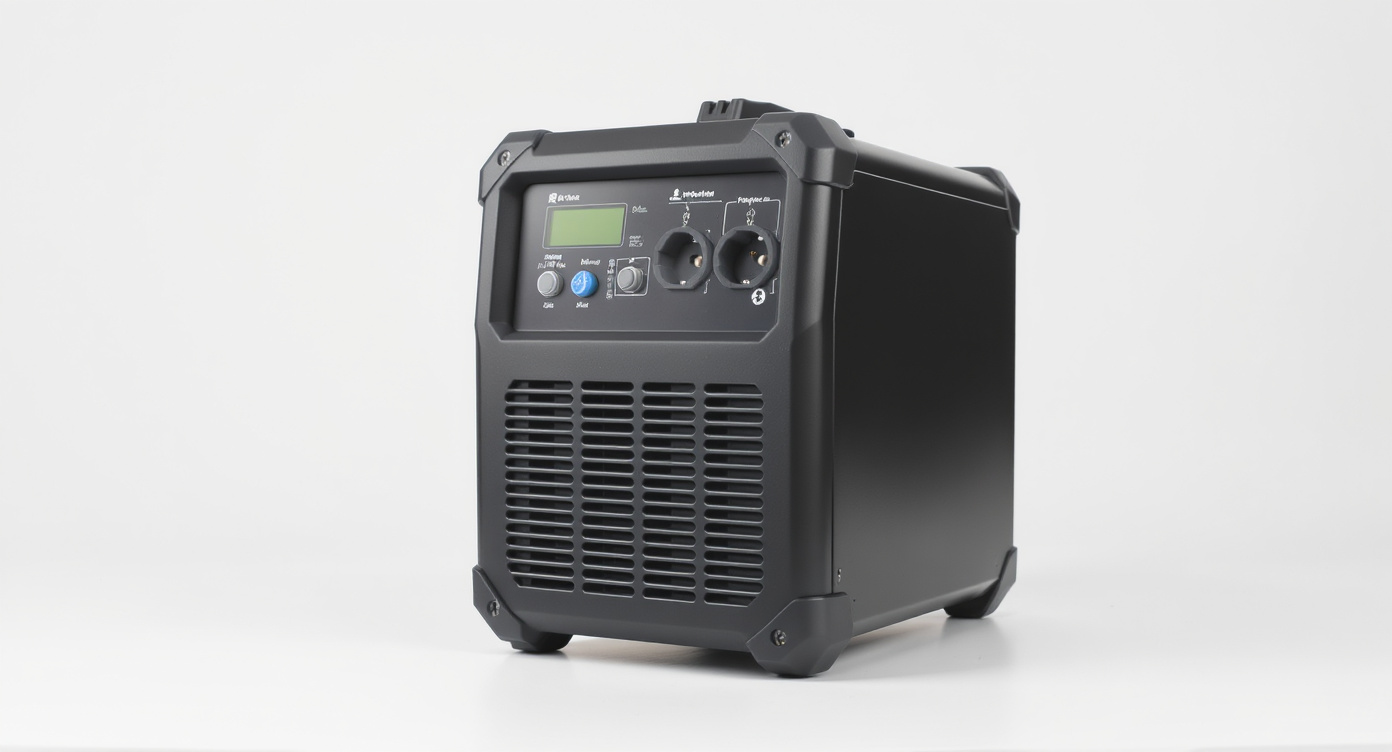
There’s a third category that often gets overlooked in this conversation: the solar generator (a portable power station paired with one or more solar panels, creating a self-contained, fuel-free backup power system). These units have matured enormously in the past few years. Modern solar generators can output 2,000–3,000W or more, handle sensitive electronics cleanly, and recharge entirely from sunlight.
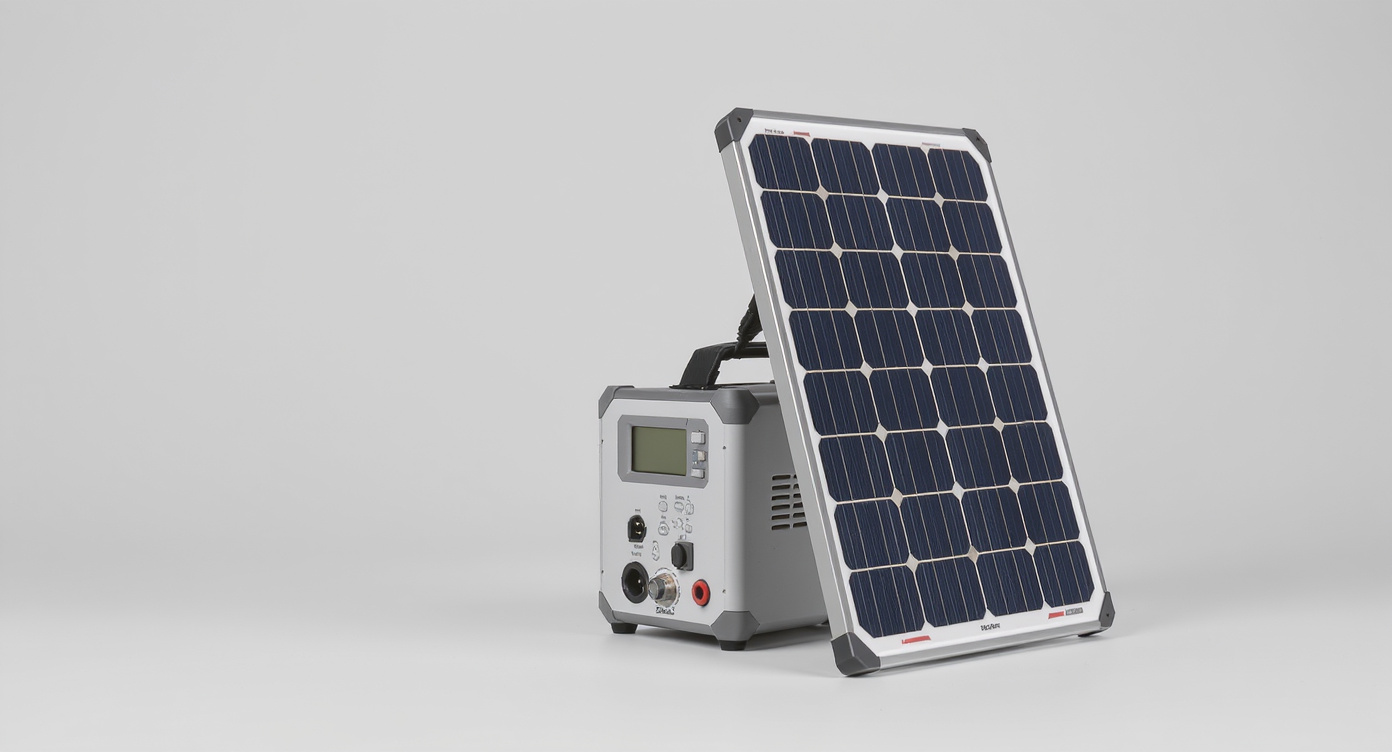
If you’re not sure what these systems actually are, our explainer on what a solar generator is gives you the full picture. And if you’re wondering about budget, the guide to solar generator costs breaks down price tiers from entry-level to whole-home capable. For sizing guidance — one of the most common sticking points — the article on choosing the right solar generator size is a practical starting point.
Solar generators won’t replace a whole-home standby generator for high-demand applications, but they’re genuinely useful for essential circuits — refrigerators, lighting, medical devices, routers, and phone charging. They’re also silent, require zero fuel storage, and can be used indoors safely, unlike gas generators.
Honest Pros and Cons: Solar-Only vs. Solar + Generator
Solar-Only (with battery storage):
- ✅ No fuel costs or storage requirements
- ✅ Silent, zero emissions, low maintenance
- ✅ Pairs naturally with your existing panels
- ❌ Limited by battery capacity and sun availability
- ❌ High upfront cost for adequate battery sizing
- ❌ May not cover sustained high-wattage loads
Solar + Generator (hybrid approach):
- ✅ Covers any outage scenario, regardless of weather or duration
- ✅ Generator handles surge loads; solar handles daily consumption
- ✅ Can use generator to top up batteries during extended cloudy spells
- ❌ Generator adds fuel costs, noise, and maintenance
- ❌ More complex system to manage
- ❌ Requires proper transfer switch setup for safety
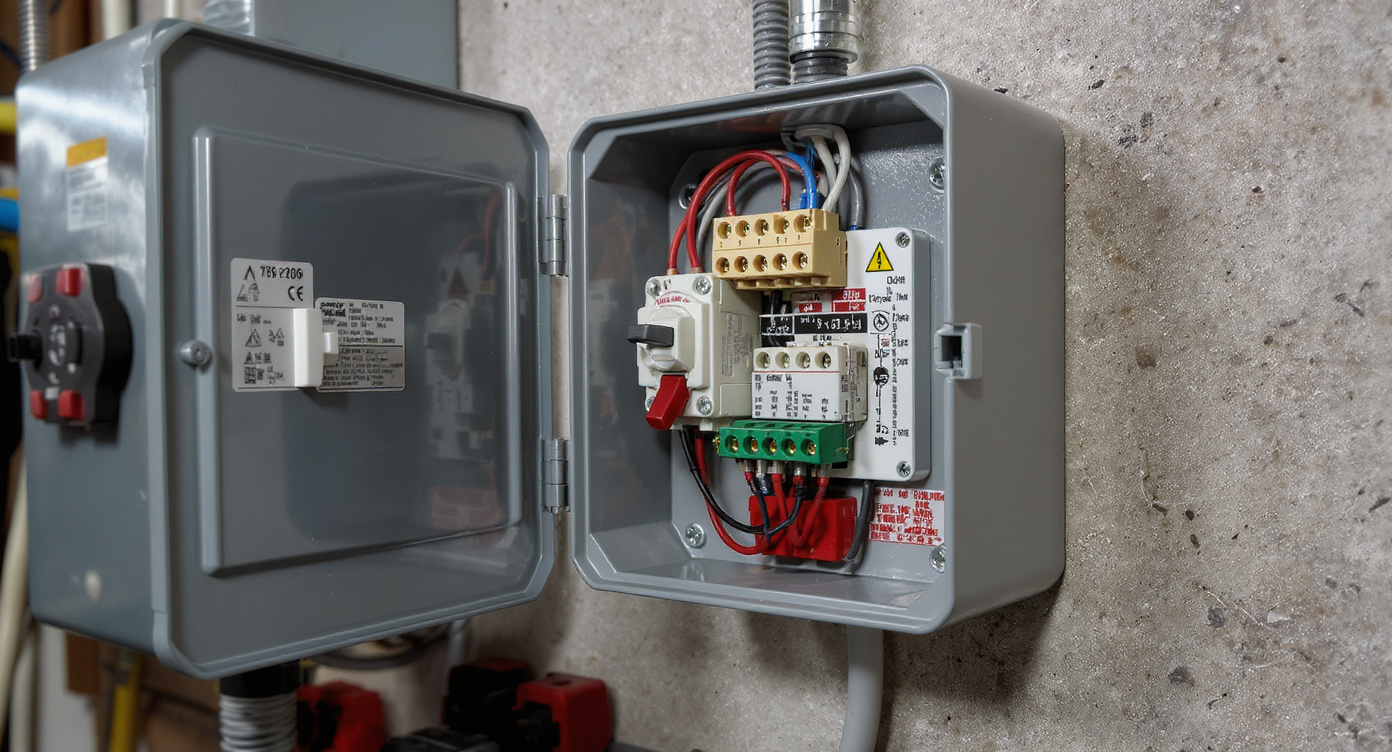
Insider tip: If you go the hybrid route, look into a transfer switch (a device that safely switches your home’s electrical panel between utility power, solar, and generator sources). A manual transfer switch is affordable; an automatic transfer switch (ATS) kicks in without you lifting a finger. This is especially valuable if you’re away from home during an outage.
Equipment Worth Considering for Your Setup
EcoFlow DELTA Pro Ultra
Brand: EcoFlow
Capacity: 6 kWh expandable to 90 kWh | Output: Up to 7,200W AC
A serious home-backup power station that integrates directly with solar panels and can be expanded with additional battery modules. If you want to reduce or eliminate generator dependence, this is the kind of system that makes it realistic for most households.
Jackery Explorer 2000 Plus
Brand: Jackery
Capacity: 2 kWh expandable | Output: 3,000W AC
A well-regarded mid-range solar generator that handles refrigerators, lighting, and small appliances comfortably. Good balance of portability and power for homeowners who want a solar-only backup without a full standby generator.
Honda EU7000iS Inverter Generator
Brand: Honda
Output: 7,000W peak / 5,500W rated | Fuel: Gasoline
If you’re keeping a gas generator alongside your solar setup, Honda’s EU7000iS is one of the quietest and most reliable in its class. The clean sine-wave output makes it safe to run alongside solar inverters and sensitive electronics.
Bluetti AC300 + B300 Battery Module
Brand: Bluetti
Capacity: 3 kWh per B300 module (up to 12 kWh) | Output: 3,000W AC
A modular solar generator system that scales with your needs. Pairs well with existing rooftop solar via a solar input and can be expanded as your backup power requirements grow — a smart choice for homeowners already invested in solar.
Generac Guardian 22kW Standby Generator
Brand: Generac
Output: 22,000W | Fuel: Natural gas or propane | Transfer: Automatic
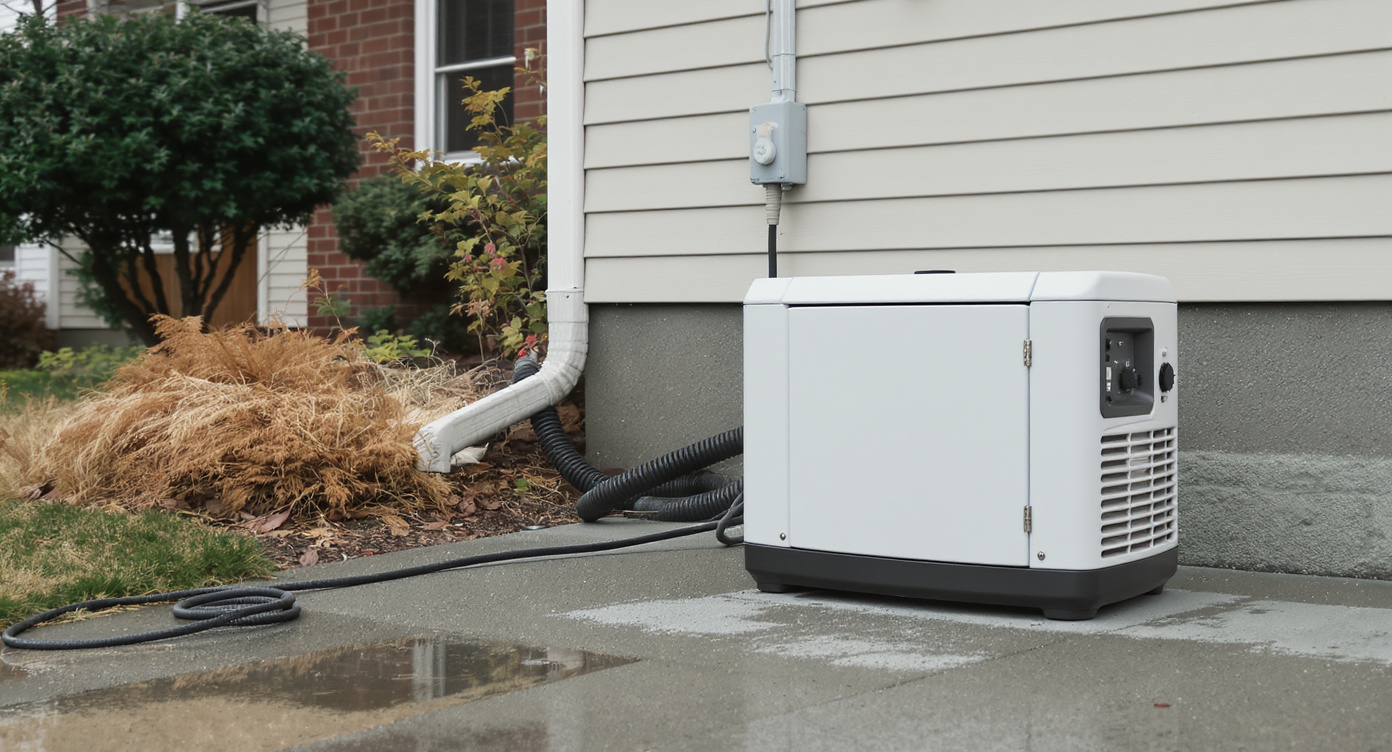
For homeowners who want whole-home coverage no matter what — and who already have solar for daily use — a standby generator like this is the belt-and-suspenders solution. It starts automatically, runs on natural gas or propane, and covers loads that no battery system can sustain indefinitely.
Frequently Asked Questions
Can I charge my solar generator with rooftop panels?
In many cases, yes — but it depends on the solar generator’s input voltage and current limits. Most portable power stations accept solar input from dedicated portable panels; connecting to a rooftop array requires matching voltage specs and possibly an additional charge controller. Check your unit’s specs carefully before attempting this.
Does having a generator void my solar panel warranty?
Not typically, as long as the generator is connected through a proper transfer switch and isn’t wired in a way that back-feeds into the solar inverter. Always have a licensed electrician handle the integration to stay within warranty terms and local electrical codes.
How long do solar generators actually last compared to gas generators?
Solar generators (lithium battery-based) typically offer 500–3,000+ charge cycles before the battery degrades to 80% capacity — often 5–15 years of real-world use depending on the chemistry and how you treat them. For a full breakdown, our guide on how long solar generators last covers this in detail. Gas generators, maintained properly, can last 1,000–2,000 hours of runtime.
Can a solar generator run a space heater or air conditioner?
These are high-draw appliances that challenge most portable systems. Space heaters typically pull 1,500W continuously — possible on larger solar generators but it drains capacity fast. Air conditioners are even more demanding. Our articles on running a space heater on a solar generator and powering an air conditioner with a solar generator give you realistic expectations for both.
What’s the fastest way to recharge a solar generator if I run it down?
Most high-end solar generators now support dual or triple charging inputs simultaneously — solar panels plus AC wall power plus a car outlet at the same time. Some units can recharge from near-empty in under two hours via AC. For a comparison of the quickest-recharging models, see our guide to the fastest charging solar generators available.
Is it worth building my own solar generator instead of buying one?
If you’re comfortable with basic electrical work and want to customize capacity and output, DIY can save money and teach you a lot. Our solar generator build guide walks through the components and process step by step.
The Bottom Line: Do You Need Both?
If you have solar panels with a robust battery storage system and your power needs are modest, you may genuinely not need a generator — and that’s a perfectly valid setup. But if your solar is grid-tied without storage, or if you live somewhere with extended cloudy seasons, or if you need to power high-demand appliances continuously, a generator — whether gas-powered or a capable solar generator — adds a layer of reliability that panels alone can’t provide.
The smartest approach for most homeowners is to audit your actual outage risks and load requirements honestly before spending money in either direction. Start with what you’d need to run for 24–72 hours, calculate the watt-hours, and work backward to the right solution. You might find a solar generator covers everything. You might find a small inverter generator is the perfect complement to your panels. Either way, you’ll be making the decision with real information — not assumptions.
Ready to dig deeper? Explore our full breakdown of solar vs. generator options, or browse our guides on specific equipment to find the right fit for your home and budget.