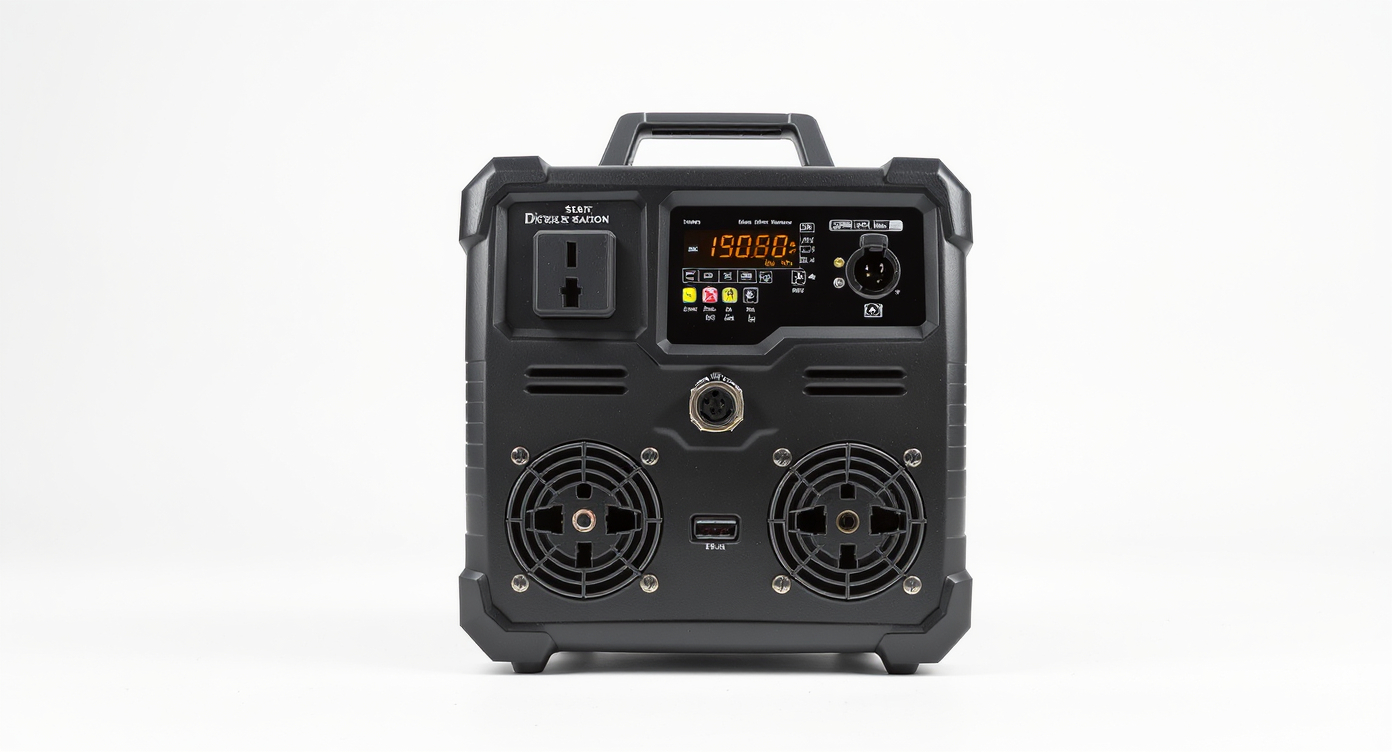
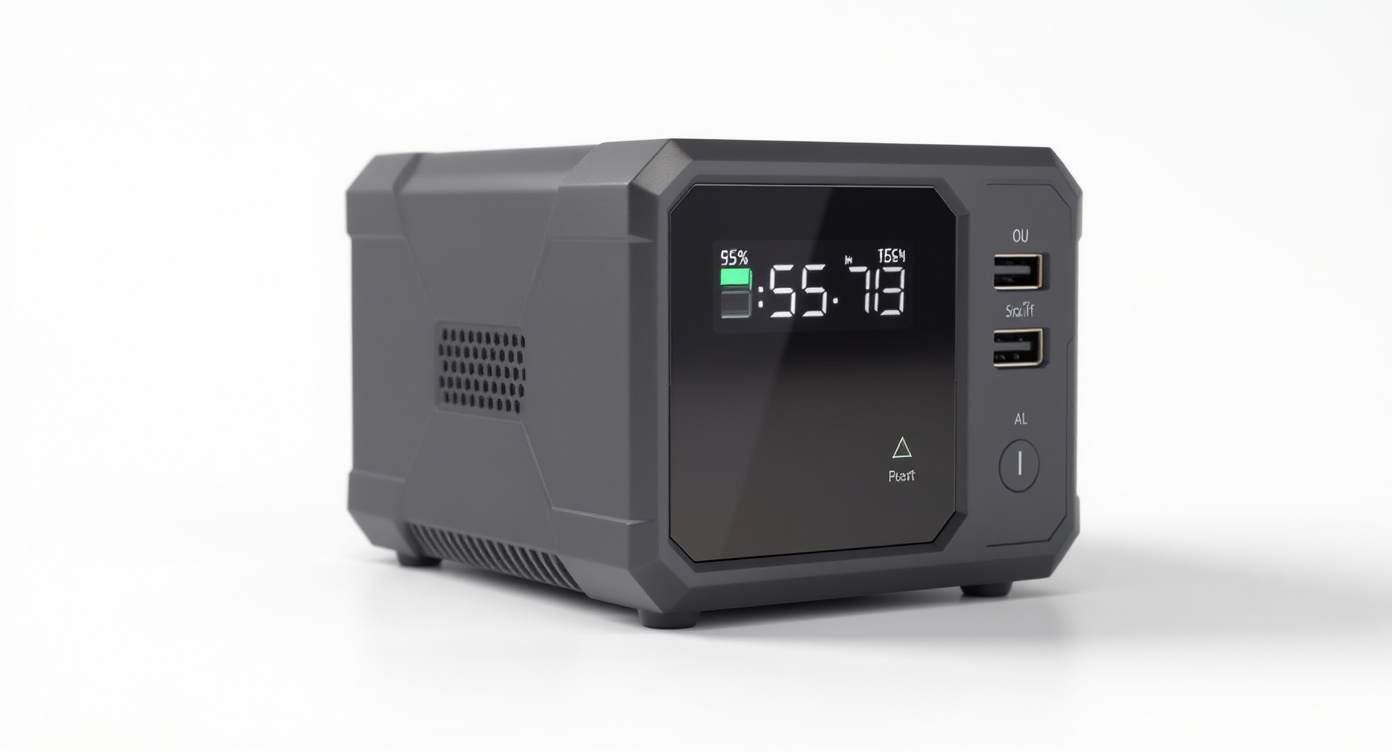
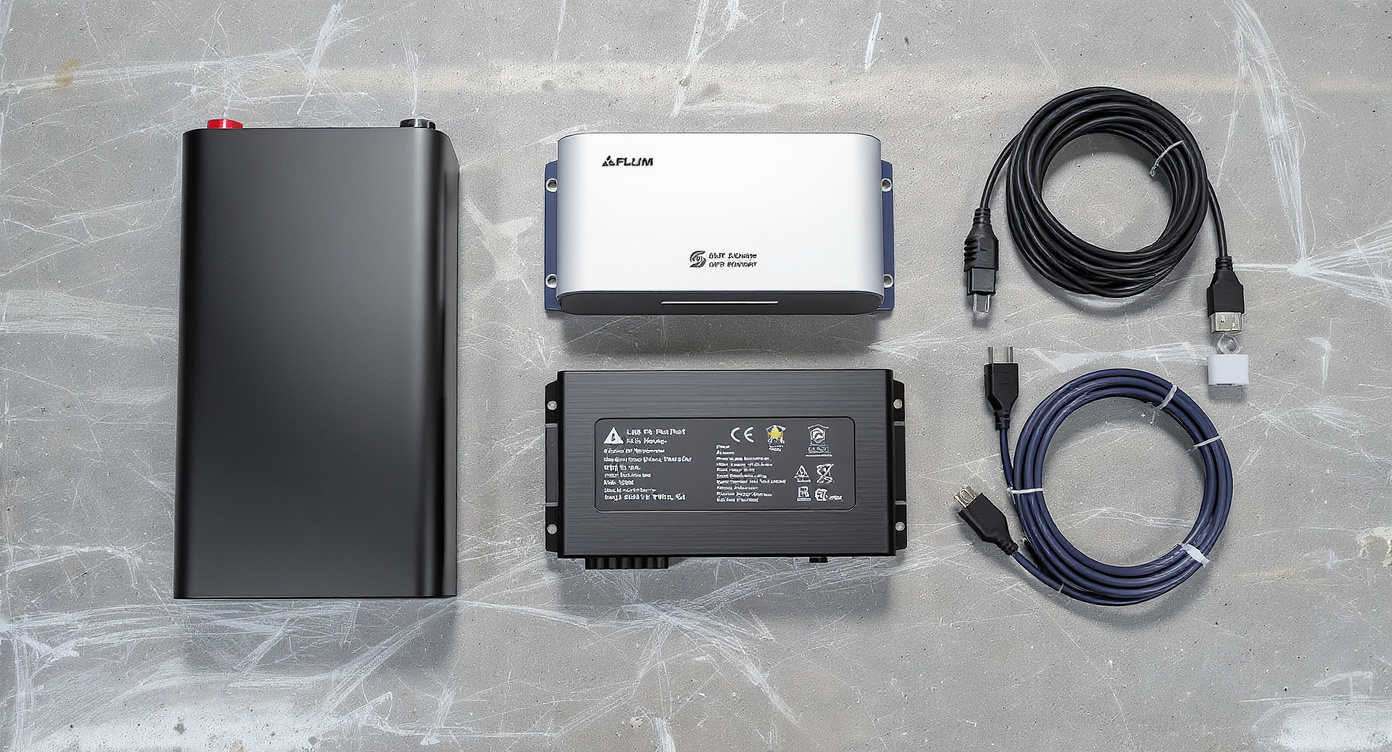
You’ve done enough scrolling to know that Lion solar generator reviews pop up constantly whenever someone starts researching portable solar power — and for good reason. Lion Energy has carved out a loyal following among RV owners, preppers, and homeowners who want a clean, quiet alternative to gas-powered backup. But if you’ve never bought a solar generator before, the specs, model names, and competing brands can feel like you’ve wandered into a hardware store where every label is written in a foreign language.
This guide is built specifically for first-time buyers. We’ll walk you through exactly what to look for in a Lion solar generator, how it compares to other leading brands, and which model fits which situation — so you can stop second-guessing and start powering the things that matter.
What Is a Solar Generator, Exactly? (A 60-Second Primer)
Before diving into Lion-specific models, here’s the short version for anyone brand new to this category: a solar generator is a portable power station (a rechargeable battery pack with built-in outlets) that can be charged by plugging in solar panels. That’s it. No fuel, no fumes, no pull-start cord.
The key specs you’ll encounter are capacity (measured in watt-hours, or Wh — think of it like the fuel tank size) and continuous output (measured in watts — think of it like the engine size). A unit with 1,000 Wh capacity and 1,000W output can run a 100W device for roughly 10 hours, or a 1,000W device for about one hour, before needing a recharge. Simple enough, right?
For a deeper look at how storage, inverters (devices that convert battery DC power into the AC power your appliances use), and charge controllers (regulators that protect your battery from overcharging) all work together, check out our full breakdown in the best LiFePO4 solar generator guide — it covers the foundational tech in detail so we don’t have to repeat it here.
Who Makes Lion Energy Solar Generators?
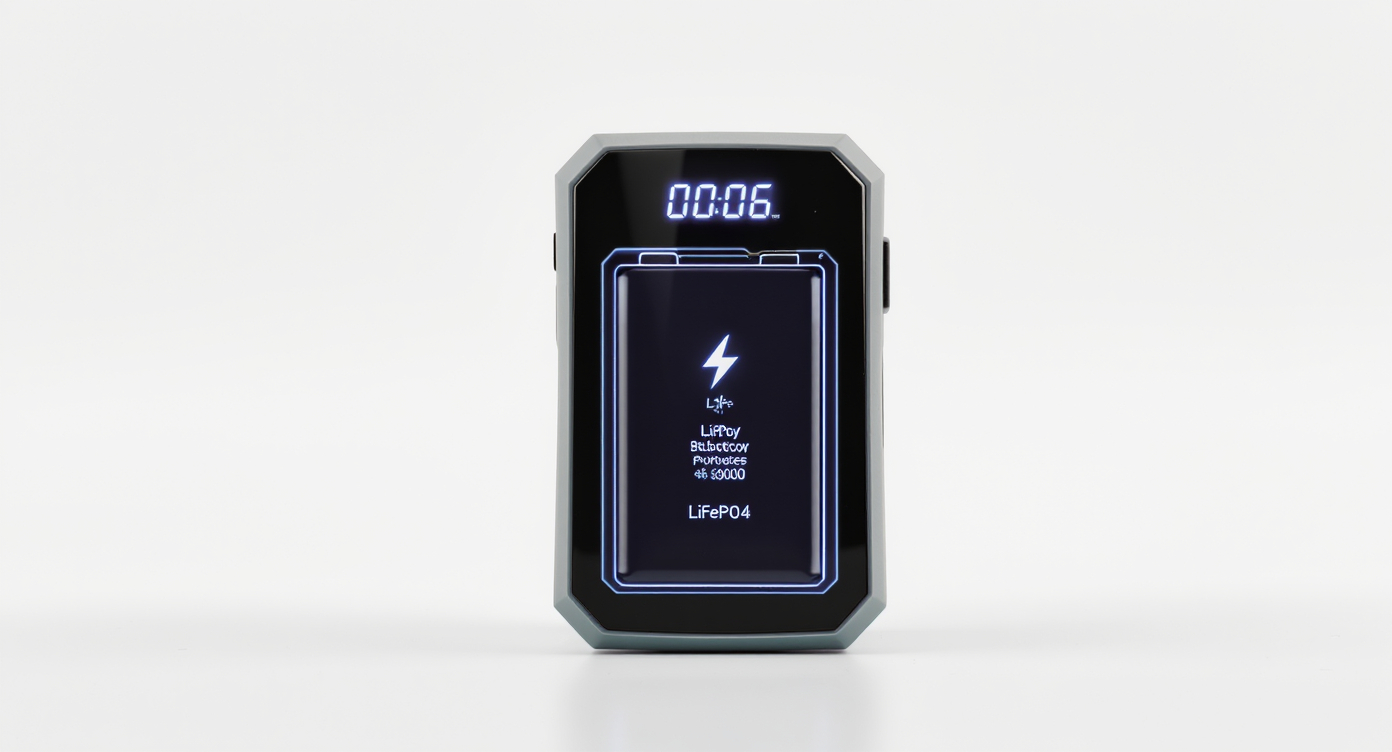
Lion Energy is a Utah-based company that focuses almost exclusively on lithium iron phosphate (LiFePO4) battery chemistry — the same chemistry praised for its long cycle life (often 2,000–3,500 charge cycles), thermal stability, and safer discharge behavior compared to older lithium-ion cells. That’s a meaningful distinction. Many budget solar generators use standard lithium-ion cells that degrade faster and can be more sensitive to heat.
Lion’s lineup centers on a few flagship models — most notably the Lion Safari ME, Lion Safari LT, and the larger Lion Safari UT battery-based systems — along with compatible folding solar panels. Their units tend to sit in the mid-to-upper price tier, which is worth keeping in mind as you compare options.
Step 1 — Figure Out What You Actually Need to Power
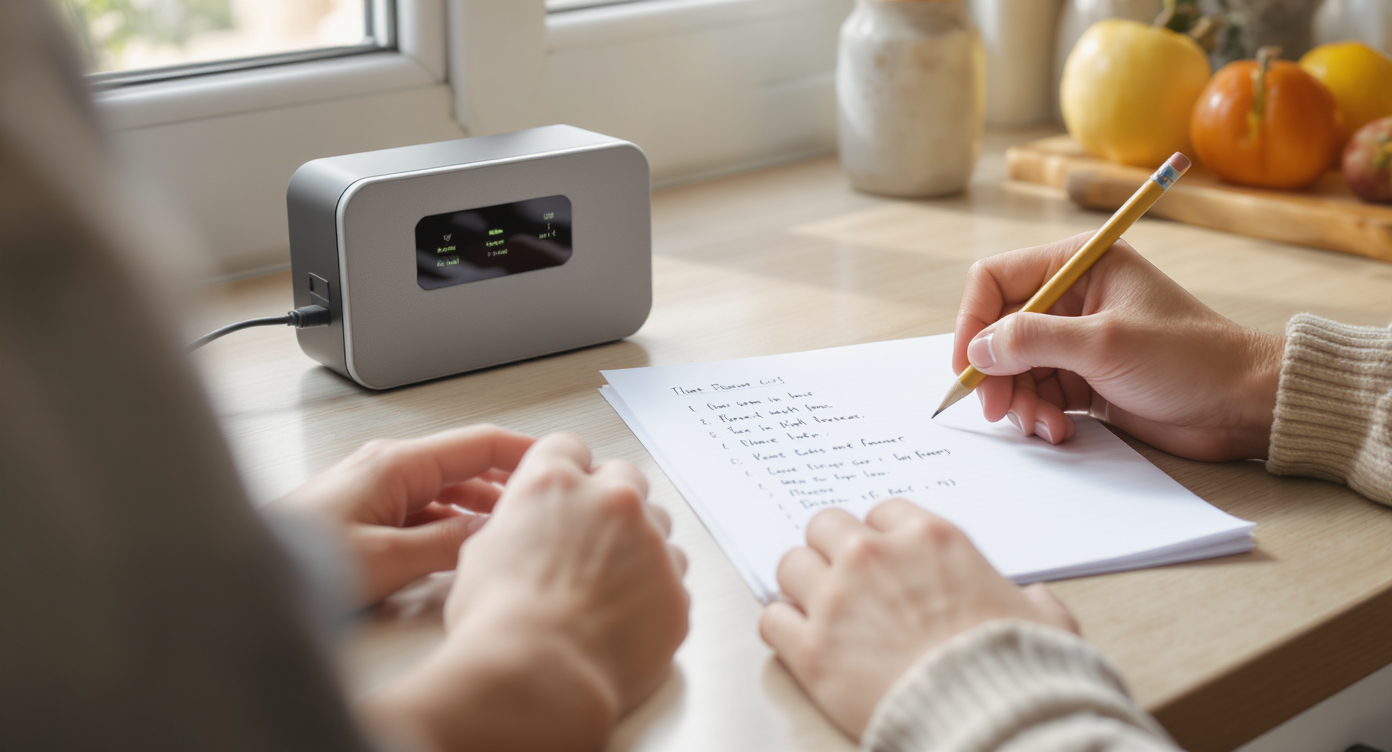
Here’s the step most first-time buyers skip: before you look at a single product, make a quick list of the devices you want to run. Grab a notepad (or your phone) and jot down each device, its wattage (usually on a label on the device or in its manual), and roughly how many hours per day you’d use it during an outage or off-grid trip.
- Small loads (under 300W total): Phone charging, LED lighting, a CPAP machine, a small fan — a 500–700 Wh unit handles this comfortably.
- Medium loads (300–800W total): A mini-fridge, laptop, TV, and a few USB devices — look at 1,000–1,500 Wh capacity.
- Heavy loads (800W+): A full-size refrigerator, microwave, electric skillet, or power tools — you’ll want 1,500 Wh and up, with a continuous output rating above 1,000W.
Why does this matter for Lion specifically? Because Lion’s most popular mid-range model, the Safari ME, delivers around 922 Wh of capacity and roughly 500W of continuous AC output. That’s excellent for CPAP users, campers, and light home backup — but it won’t run a window air conditioner or a full-size microwave. Knowing your load before you buy saves you from an expensive mismatch.
Step 2 — Understand the Lion Model Lineup
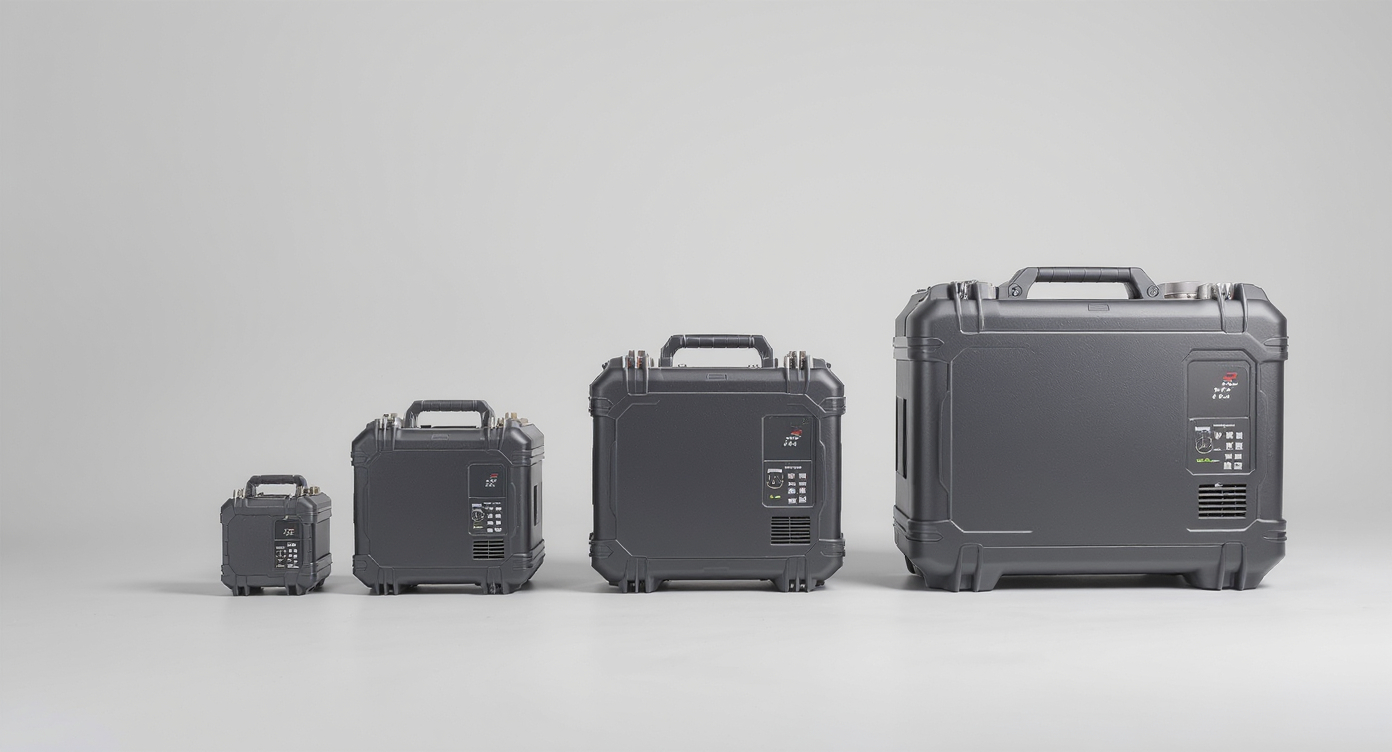
Lion Energy’s naming conventions can be a little confusing at first glance, so here’s a plain-language breakdown of the main tiers you’ll encounter in most Lion solar generator reviews:
Lion Safari LT
The entry-level option, compact and lightweight, designed for camping, hiking, and day-trip power needs. Capacity sits in the 500 Wh range with modest AC output. If your main concern is keeping devices charged on a weekend trip, this is the starting point.
Lion Safari ME
The sweet spot of the lineup for most buyers. Roughly 922 Wh, LiFePO4 cells, multiple AC outlets, USB-A, USB-C, and a 12V DC output. It charges via solar panels, a wall outlet, or a car port. This is the model that shows up most in reviews for RV use and light home backup.
Lion Safari UT / UT Pro
The heavy-hitter. Significantly larger capacity (often in the 2,000+ Wh range depending on configuration), higher continuous output, and designed for extended off-grid use or whole-room backup scenarios. This is where Lion starts competing directly with larger units from other brands — worth comparing against Bluetti 2400Wh solar generator options if you’re in this power tier.
Step 3 — Match the Right Solar Panels to Your Lion Unit
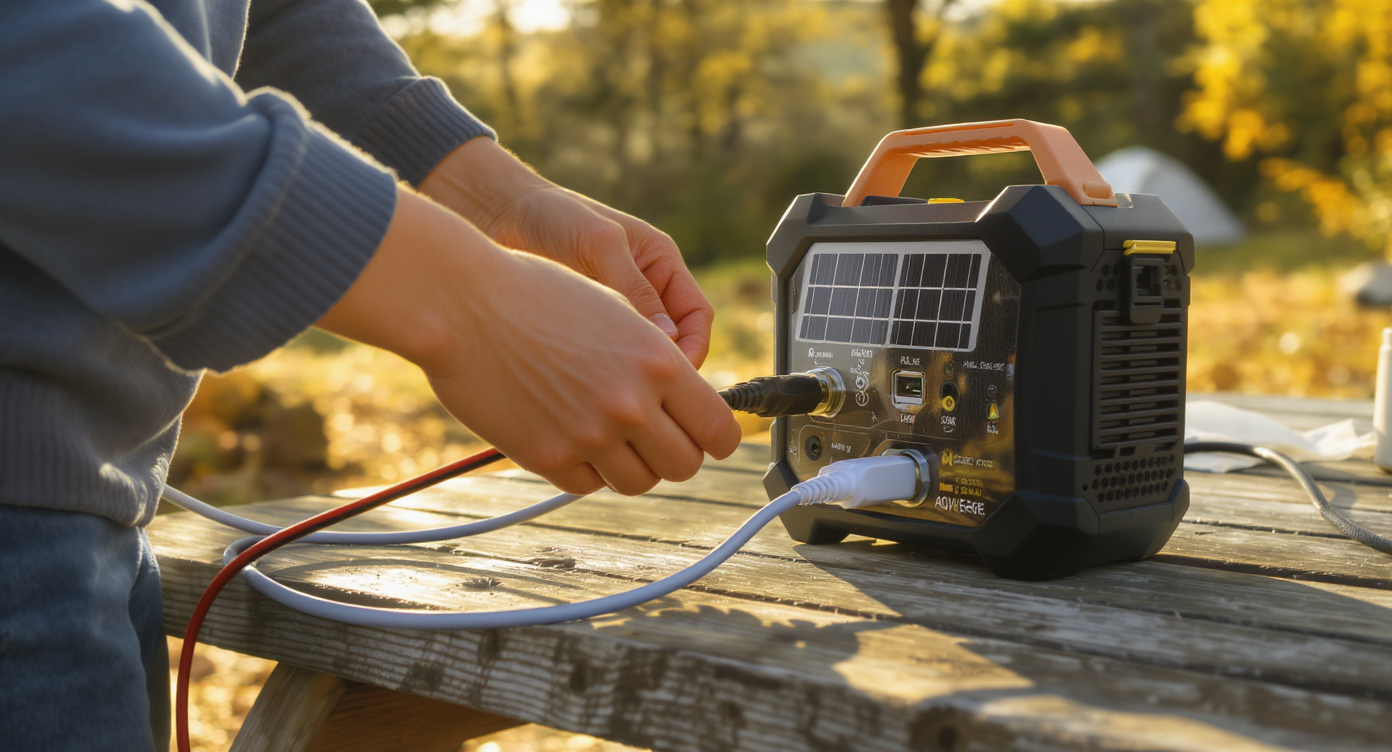
A solar generator without panels is just a big battery. Lion sells their own branded folding panels (typically 100W foldable units), but their charge ports are also compatible with third-party panels as long as voltage and connector type match. Insider tip: always check the maximum solar input voltage and wattage your unit accepts before buying third-party panels. Exceeding the input spec won’t give you faster charging — it can damage the charge controller inside the unit.
For the Safari ME, two 100W panels in parallel (connected side-by-side to combine current without raising voltage) will typically charge the unit from near-empty to full in around 4–6 hours of solid sun. One panel will get you there in 8–10 hours on a good day. If you’re planning extended off-grid use, two panels is the practical minimum.

Step 4 — Compare Lion Against the Competition Before You Buy
Lion makes excellent hardware, but they’re not the only game in town. Here’s how they stack up against the brands you’ll most likely encounter while researching:
- Lion vs. Bluetti: Both use LiFePO4 chemistry at their mid-to-upper tiers. Bluetti generally offers more models at more price points and tends to have higher peak surge ratings on comparable units. Our Bluetti solar generator reviews go deep on their lineup if you want a direct comparison.
- Lion vs. Goal Zero: Goal Zero’s Yeti series is well-established, though older Yeti models used lithium-ion rather than LiFePO4. For context, read through the Goal Zero Yeti 1250 solar generator review — it illustrates how an older lithium-ion design compares to modern LiFePO4 units in real-world use.
- Lion vs. Titan: The Titan is a modular, expandable system aimed at serious off-grid and whole-home backup users. If you’re thinking big, the Titan solar generator reviews cover that end of the market well.
- Lion vs. Generac: Generac plays mostly in the whole-home standby space. For a comparison at that scale, the Generac solar generator reviews are worth a read if you’re considering a permanent home installation rather than portable power.
Are you primarily shopping on budget, or is long-term cycle life your top priority? That single question will narrow your choice faster than any spec sheet.
Step 5 — Read Reviews the Right Way
One thing that trips up first-time buyers: reading reviews without context. A one-star review that says “it didn’t run my air conditioner” tells you nothing useful if the reviewer bought a 500 Wh unit expecting to run a 1,500W load. Before weighing any review — including Lion solar generator reviews — check whether the reviewer’s use case matches yours.
What you should look for in reviews: comments about long-term battery health after 12–18 months of use, customer service responsiveness, and real-world solar charging times under actual (not ideal) conditions. Those data points are far more valuable than first-week impressions.
Insider tip: Lion Energy offers a warranty that’s notably longer than many competitors on their LiFePO4 models. Confirm the current warranty terms directly with the retailer at time of purchase — warranty coverage is one of Lion’s genuine competitive advantages and worth factoring into a price comparison.
Honest Pros & Cons of Lion Solar Generators
Pros
- LiFePO4 chemistry across the lineup — longer cycle life and better thermal safety than standard lithium-ion
- Strong warranty support — one of the better coverage policies in the portable power category
- Quiet and clean operation — no exhaust, no fuel storage, no noise restrictions
- Modular-friendly — many models support external battery expansion
- USA-based customer service — generally well-reviewed for responsiveness
Cons
- Premium pricing — Lion units cost more upfront than many competitors at similar capacity
- Lower peak surge ratings on some mid-range models — can struggle with motor-start loads (like a refrigerator compressor kicking on)
- Fewer retail locations — harder to see in person before buying compared to brands sold at big-box stores
- Solar panel ecosystem — proprietary connectors on some models can limit third-party panel compatibility
Top Lion-Compatible Solar Generator Picks for First-Time Buyers
Lion Energy Safari ME
Brand: Lion Energy
Key Specs: ~922 Wh capacity, LiFePO4 cells, ~500W continuous AC output, multiple AC/USB/DC ports, solar + wall + car charging
Why it fits: The ideal first solar generator for CPAP users, campers, and light home backup. Manageable size, proven chemistry, and strong warranty make it the safest first purchase in the Lion lineup.
Lion Energy Safari UT Pro
Brand: Lion Energy
Key Specs: 2,000+ Wh expandable capacity, LiFePO4, higher continuous output, expandable with additional battery modules
Why it fits: For first-time buyers who already know they have heavy loads or want a system that grows with them. More investment upfront, but the expandability means you won’t outgrow it quickly.
Bluetti AC200MAX
Brand: Bluetti
Key Specs: 2,048 Wh, LiFePO4, 2,200W AC output, expandable battery ports, multiple charging methods
Why it fits: If Lion’s pricing puts you over budget but you still want LiFePO4 chemistry and high output, the AC200MAX is the strongest direct alternative — and worth comparing side-by-side.
Patriot Power Generator 1800
Brand: 4Patriots
Key Specs: ~1,500–1,800W output, solar-compatible, designed for emergency preparedness use
Why it fits: A popular alternative among preppers and emergency-focused buyers. Check out the full Patriot solar generator reviews for a detailed breakdown of how it compares to Lion in a backup power context.
Flashfish E200
Brand: Flashfish
Key Specs: ~200 Wh, lightweight, compact, budget-friendly entry-level option
Why it fits: Not a Lion product, but worth knowing about as a budget starting point. If you’re not sure solar power is for you yet, a low-cost unit like this lets you test the concept before committing to a premium system. See the Flashfish solar generator review for a full rundown.
Frequently Asked Questions About Lion Solar Generators
Can I use a Lion solar generator as my only power source in an RV?
For light RV use — lighting, device charging, a small fan, and occasional laptop work — yes, a Safari ME with two solar panels is a workable primary power source. For full-time RV living with a residential refrigerator and regular cooking appliances, you’d want to step up to the UT Pro tier or add a second battery module.
How long does a Lion LiFePO4 battery actually last?
LiFePO4 cells are typically rated for 2,000–3,500 full charge cycles before dropping to around 80% of original capacity. If you cycle the battery once per day, that’s roughly 5–10 years of useful life. Compare that to standard lithium-ion, which often degrades noticeably after 500–800 cycles.
Is a Lion solar generator safe to use indoors?
Yes — unlike gas generators, solar generators produce zero emissions and can be used safely indoors. The LiFePO4 chemistry in Lion units also has a lower risk of thermal runaway (a dangerous self-heating chain reaction) compared to older lithium-ion designs.
What’s the difference between the Safari ME and the PowerSource 1800?
These are very different products. The PowerSource 1800 is a different brand entirely — check the PowerSource 1800 solar generator review for a full breakdown. The Safari ME focuses on LiFePO4 longevity and portability, while the PowerSource 1800 targets higher output for home backup scenarios.
Should I buy directly from Lion Energy or through a third-party retailer?
Either works, but buying directly from Lion Energy or an authorized dealer ensures your warranty is valid and that you’re getting current firmware (yes, some models have firmware that can be updated). Third-party marketplace listings occasionally sell older stock or grey-market units — check seller credentials carefully.
Conclusion: Your Next Step as a First-Time Buyer
Here’s the honest summary: Lion Energy makes genuinely well-built solar generators, and the LiFePO4 chemistry they’ve committed to across their lineup is the right long-term bet for anyone who wants a system that holds up over years of real use. The Safari ME is the right starting point for most first-time buyers, and the UT Pro is worth the investment if you have heavier loads or want room to expand.
Before you click “buy,” do two things: make that quick device-wattage list we walked through in Step 1, and spend 20 minutes comparing Lion’s current pricing against one or two alternatives — the Be Prepared solar generator reviews and the Goal Zero Yeti 400 solar generator review are solid reference points for understanding where Lion sits in the broader market.
You don’t need to be an electrical engineer to buy the right solar generator. You just need to know your loads, understand the basics, and pick a brand with chemistry and warranty support you can trust. Lion checks both boxes — and now you have the framework to decide whether it’s the right fit for your specific setup.