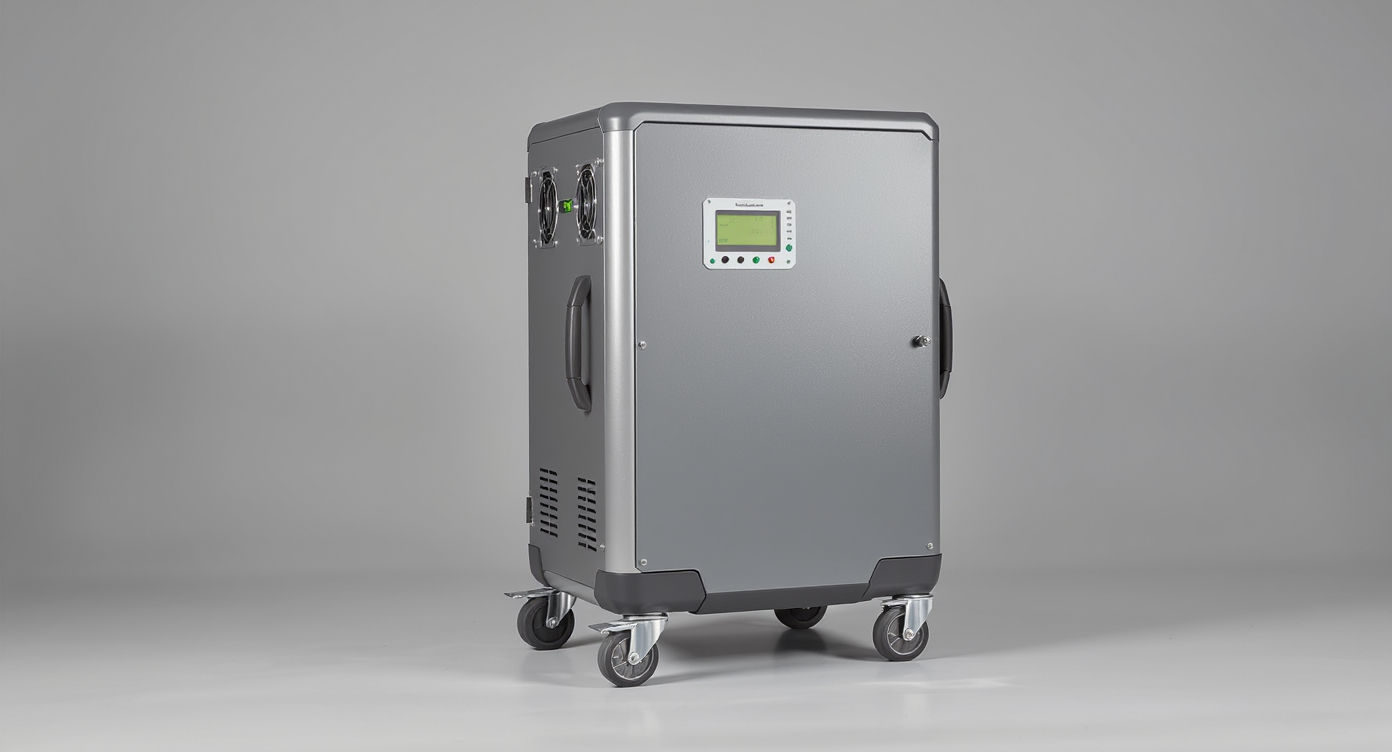
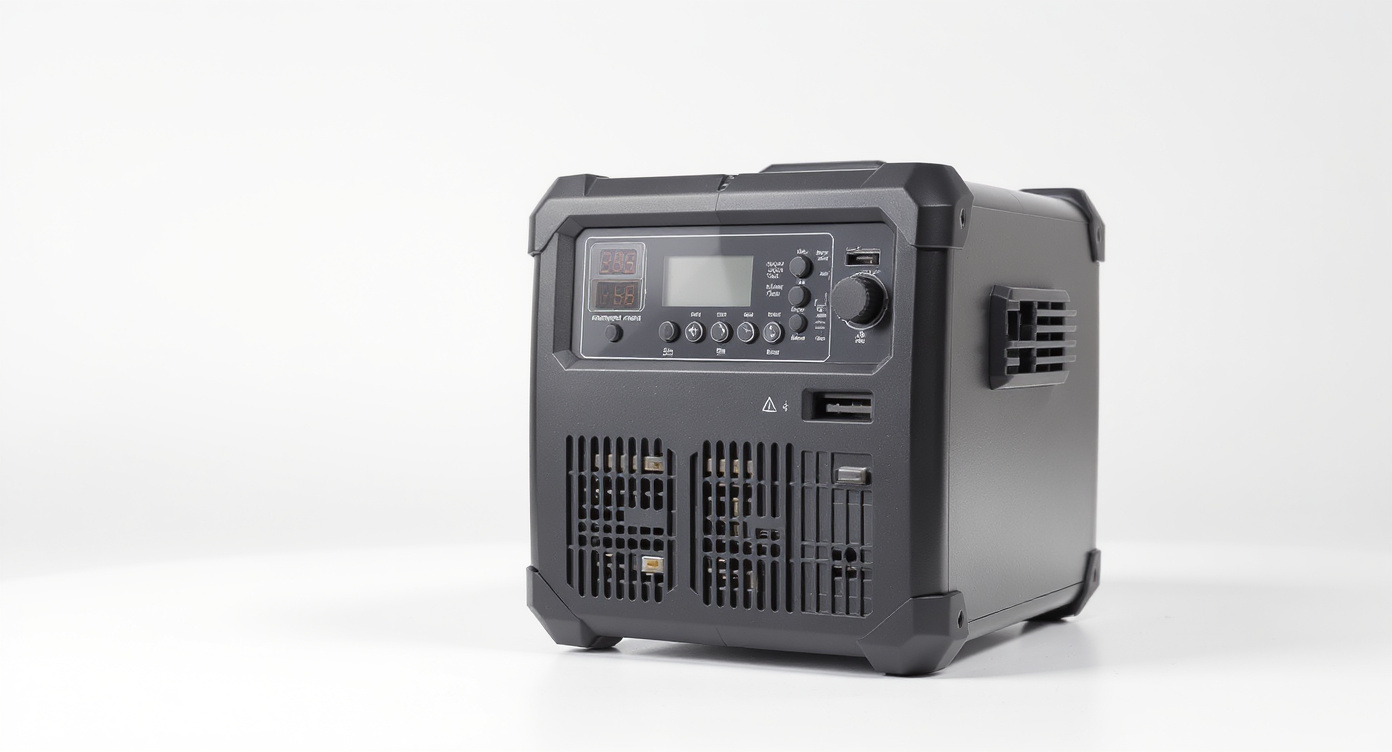
You’ve done the research, read the ads, and maybe even watched a few unboxing videos — and the Patriot Power Sidekick solar generator keeps popping up in your feed. But glowing marketing copy and real-world performance are two very different things. This guide cuts through the noise with an honest look at patriot power sidekick solar generator reviews, what buyers actually experience after months of use, and how this unit stacks up against the broader market of portable solar power stations.
The Sidekick is marketed primarily toward emergency preparedness audiences — people who want a compact, ready-to-go power source that doesn’t require fuel, doesn’t need a garage, and can be topped off with a folding solar panel on the back porch. That’s a genuinely useful niche. Whether it delivers on that promise is exactly what we’re here to figure out.
What Exactly Is the Patriot Power Sidekick?
Before diving into user feedback, it helps to understand what you’re actually buying. The Patriot Power Sidekick is a portable power station — a self-contained unit that combines a lithium battery, an inverter (a device that converts stored DC battery power into the AC electricity your appliances use), a charge controller (which regulates the flow of solar energy into the battery so it doesn’t overcharge), and multiple output ports, all in a single carry-anywhere case.
Think of it like a rechargeable extension cord that stores energy rather than just passing it through — except instead of a thin wire, it’s holding a meaningful reserve of power you can draw on whenever you need it. The Sidekick sits on the smaller end of the portable power station spectrum, which is both its strength and its limitation.
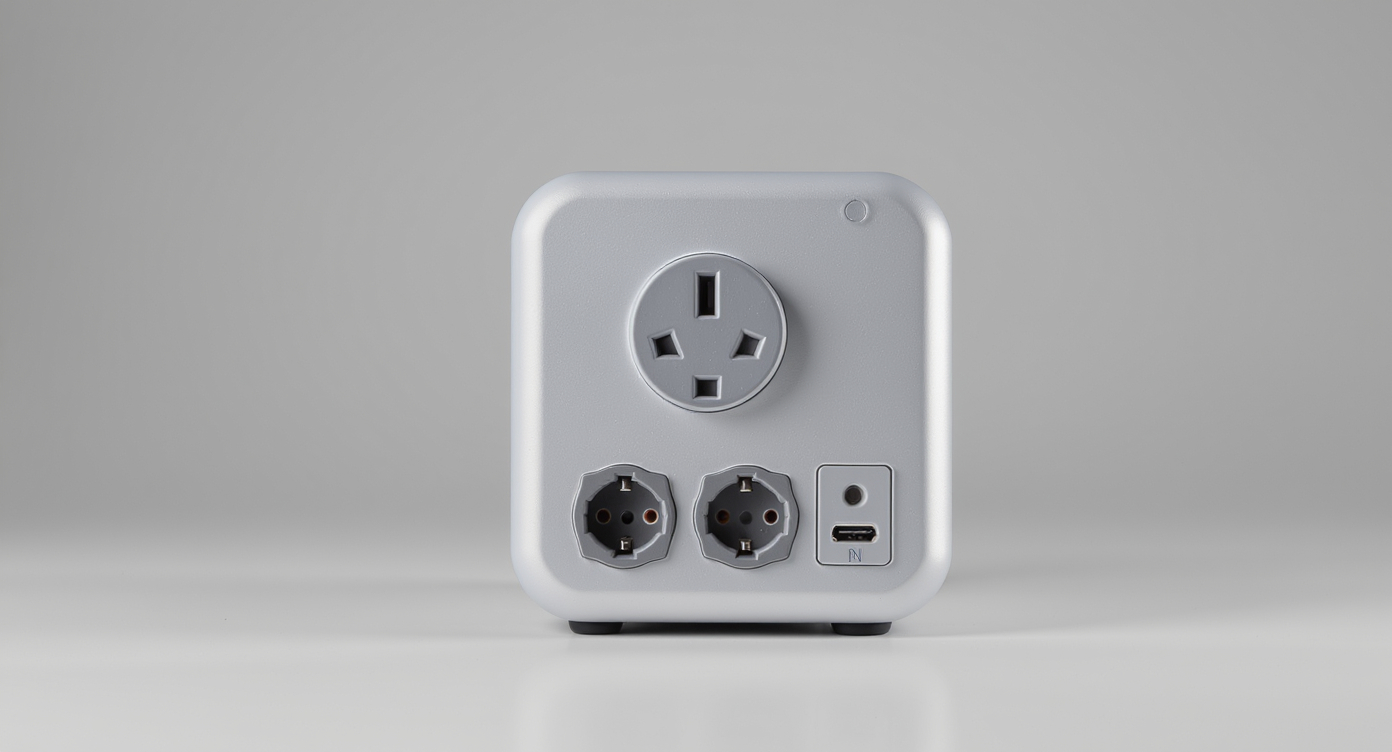
Quick Answer: The Patriot Power Sidekick is a compact lithium-based portable power station with solar charging capability, designed for emergency preparedness and light off-grid use. It typically offers output in the 300–500W range with a battery capacity suited for phones, tablets, CPAP machines, and small appliances — not whole-home backup.
What Do Real Buyers Say? Breaking Down the Reviews
Across verified purchase reviews and preparedness forums, a few themes emerge consistently. It’s worth separating the signal from the noise here, because the Sidekick has a passionate customer base that skews toward first-time solar buyers — which shapes the review landscape in interesting ways.
Where Buyers Are Genuinely Impressed
- Ease of setup: Nearly every positive review mentions how quickly new users get it running. No manual required beyond a quick glance — plug in the panel, plug in your device, done.
- Build quality feel: The unit has a solid, well-assembled feel that reviewers contrast favorably with cheaper no-name power banks.
- Customer support: 4Patriots (the parent brand) gets consistent praise for responsive customer service, which matters a lot when you’re buying emergency equipment.
- Portability: The compact form factor genuinely works for people who want something they can grab and go — whether that’s a power outage, a camping weekend, or a cross-country move.
Where Buyers Push Back
- Capacity vs. price ratio: This is the most common criticism. Compared to competitors at a similar price point, the Sidekick’s watt-hour (Wh) capacity — the total energy the battery can store — tends to be on the lower end. You’re paying a brand premium.
- Solar charging speed: Buyers who pair it with the included or companion solar panel report slower-than-expected recharge times, especially on partly cloudy days.
- Limited high-draw appliances: Reviewers who tried to run microwaves, space heaters, or power tools were disappointed. This unit isn’t designed for those loads.
- Marketing vs. reality gap: Some buyers feel the advertising implies broader capability than the specs actually support.
How Does the Sidekick Compare to the Competition?
Context matters enormously when evaluating any portable power station. The Sidekick doesn’t exist in a vacuum — it competes with a crowded field of well-funded brands with strong engineering teams. Here’s how it stacks up across a few key dimensions.
Capacity and Output
Brands like Bluetti and Goal Zero offer units at similar or lower price points with significantly higher watt-hour ratings. If you’re comparing, check out Bluetti solar generator reviews for a sense of what that brand delivers at various price tiers. For deeper capacity comparisons, Bluetti 2400Wh solar generator reviews show what a larger-format lithium unit can handle if your needs go beyond light emergency use.
Battery Chemistry
One area worth scrutinizing is whether the unit uses LiFePO4 (lithium iron phosphate) chemistry — a battery type known for longer cycle life (often 2,000–3,500 full charge cycles) and better thermal stability compared to standard lithium-ion. If long-term durability matters to you, it’s worth checking what chemistry the Sidekick uses before purchasing, and comparing it to options listed in our guide to the best LiFePO4 solar generators on the market.
Brand Ecosystem
The Patriot brand is closely associated with the preparedness community, which shapes its marketing heavily. If you want a broader perspective on the brand’s larger lineup, Patriot solar generator reviews cover the full range of their products, including the more powerful units that might better fit your needs if the Sidekick feels underpowered.
Honest Pros & Cons of the Patriot Power Sidekick
No product is perfect, and the Sidekick is no exception. Here’s a balanced breakdown:
Pros
- Genuinely easy to use for solar newcomers
- Compact and lightweight — easy to store and transport
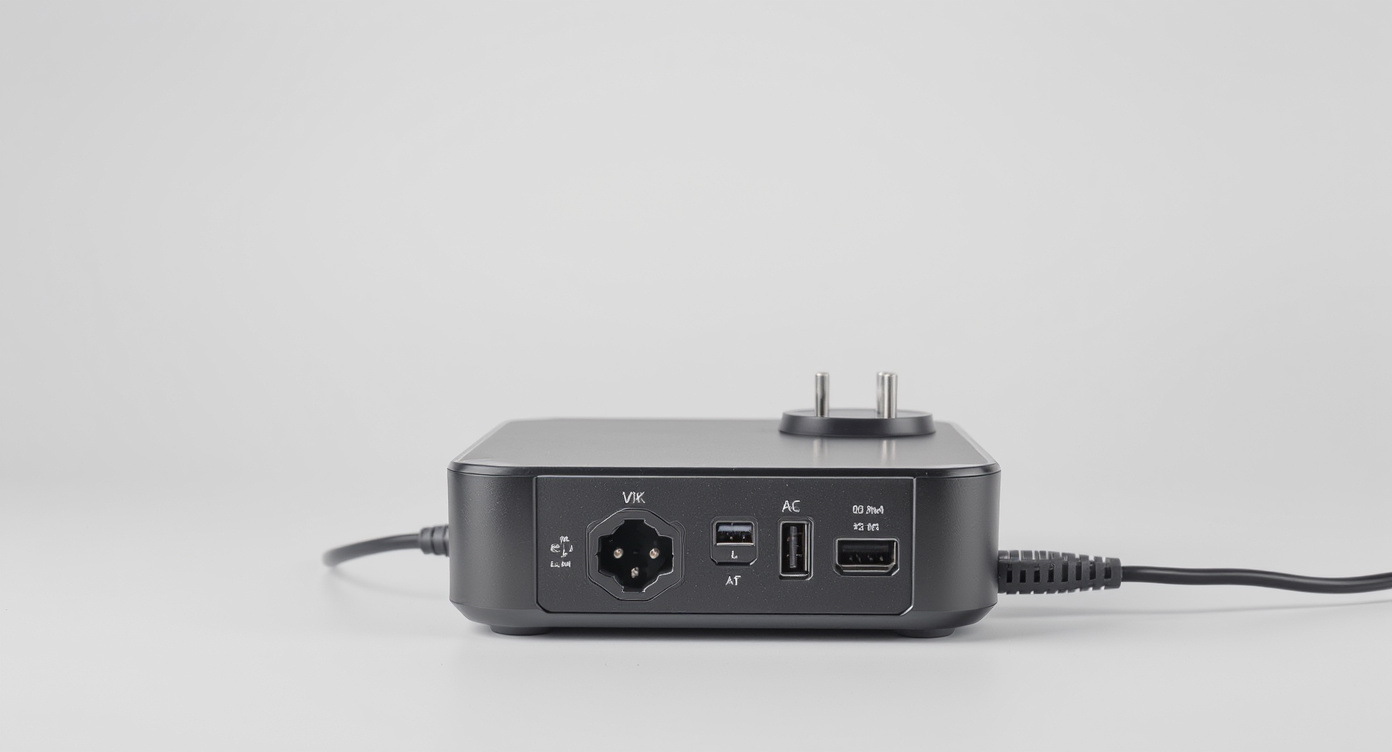
- Multiple output ports (USB-A, USB-C, AC) for versatile device charging
- Solar charging works well in full sun conditions
- Strong brand support and customer service reputation
- Good for phones, tablets, small fans, and medical devices like CPAP machines
Cons
- Higher price-per-watt-hour compared to competitors like Bluetti or EcoFlow
- Not suitable for high-draw appliances (microwaves, electric kettles, power tools)
- Recharge time via solar can be slow without a high-wattage panel
- Battery chemistry and cycle life aren’t always clearly disclosed in marketing materials
- Limited expandability — you can’t add external battery packs to increase capacity
Who Should Actually Buy the Patriot Power Sidekick?
Here’s a question worth sitting with: Are you buying this because it genuinely fits your power needs, or because the marketing spoke to your preparedness instincts? Both are valid starting points, but they lead to different purchasing decisions.
The Sidekick is a genuinely good fit if you:
- Want a simple, no-fuss unit for keeping phones and small devices charged during a short outage
- Are new to solar and want a low-stakes entry point before committing to a larger system
- Need something compact enough to store in a closet or toss in a car trunk
- Value brand support and a company with a clear customer service track record
It’s probably not the right choice if you:
- Need to run a refrigerator, sump pump, or any high-wattage appliance
- Want the most watt-hours per dollar spent
- Are planning extended off-grid stays where recharge opportunities are limited
- Already own a larger system and are looking to expand rather than supplement
Insider Tip: If you’re on the fence about capacity, calculate your actual daily power needs before buying anything. Add up the wattage of every device you’d realistically want to run, multiply by the hours per day you’d use each one, and that gives you your daily watt-hour requirement. The Sidekick’s capacity needs to comfortably exceed that number — not just barely meet it.
Alternatives Worth Considering at This Price Point
The portable power station market has exploded with options, and several competitors offer compelling alternatives. For a broader view of what’s available, Generac solar generator reviews cover a brand with deep roots in backup power, while Goal Zero Yeti 400 solar generator review and Goal Zero Yeti 1250 solar generator review show how a well-established outdoor power brand handles similar use cases at different capacity levels.
For those interested in more powerful or feature-rich options in the same preparedness space, Titan solar generator reviews cover a modular, expandable unit that’s popular with serious off-grid enthusiasts who’ve outgrown compact units.
Top Portable Power Stations to Consider Alongside the Sidekick
EcoFlow RIVER 2
Brand: EcoFlow
- Capacity: 256 Wh
- Output: 300W AC (600W with X-Boost)
- Battery: LiFePO4 — rated for 3,000+ cycles
- Recharge: 0–100% in about 1 hour via AC
Why it fits: Comparable size to the Sidekick but with faster charging, better battery longevity, and a lower price — a strong apples-to-apples alternative for light emergency use.
Jackery Explorer 300 Plus
Brand: Jackery
- Capacity: 288 Wh
- Output: 300W AC
- Battery: LiFePO4 — 3,000+ cycle life
- Weight: Under 8 lbs
Why it fits: Extremely portable, well-reviewed for reliability, and pairs cleanly with Jackery’s SolarSaga panels — a practical compact setup for preparedness or camping.
Bluetti EB3A
Brand: Bluetti
- Capacity: 268 Wh
- Output: 600W AC (1,200W surge)
- Battery: LiFePO4 — 2,500+ cycles
- Solar Input: Up to 200W
Why it fits: Punches above its weight class with a 600W inverter, making it one of the most versatile compact units available — handles more appliances than the Sidekick at a competitive price.
Goal Zero Yeti 500X
Brand: Goal Zero
- Capacity: 505 Wh
- Output: 300W AC continuous
- Battery: Lithium NMC
- Ecosystem: Compatible with Goal Zero’s full panel and accessory lineup
Why it fits: Roughly double the capacity of the Sidekick with a proven ecosystem of compatible panels — worth considering if you want room to grow your setup.
Insider Tip: When comparing power stations, don’t just look at the advertised watt-hours — check the usable capacity. Most manufacturers reserve 10–20% of battery capacity to protect battery health, so a 300 Wh unit may only deliver 240–270 Wh of real-world power. Ask the brand or check independent reviews for this figure.
Frequently Asked Questions About the Patriot Power Sidekick
Can the Sidekick run a CPAP machine overnight?
Possibly, depending on your CPAP’s power draw and whether you use a humidifier. A basic CPAP without humidification typically draws 30–60W. At that draw rate, a unit in the 300–500 Wh range could run it for 5–10 hours — enough for a single night in many cases. Always check your specific CPAP’s wattage and factor in the battery’s usable capacity.
How long does it take to recharge using solar panels?
That depends entirely on panel wattage, sunlight hours, and the battery’s maximum solar input rate. In ideal conditions with a 100W panel and 5 peak sun hours, you’d theoretically add around 500 Wh — but real-world efficiency losses typically reduce that by 20–30%. Partial cloud cover can cut output dramatically. Plan for longer recharge windows than the best-case math suggests.
Is the Patriot Power Sidekick worth the price compared to competitors?
That’s the central tension in most reviews. If brand trust, customer service, and ease of use are your top priorities, the premium may be justified. If raw watt-hours per dollar is your metric, competitors like EcoFlow and Bluetti offer more capacity for the money. Neither answer is wrong — it depends on what you’re optimizing for.
Can I use the Sidekick while it’s charging from solar?
Most portable power stations, including units in this category, support pass-through charging — meaning you can draw power from the unit while it simultaneously charges from a solar panel or wall outlet. Confirm this feature in the product specs, as it’s not universal across all models.
Are there other preparedness-focused solar generators worth comparing?
Yes — the preparedness niche has several solid options. Be Prepared solar generator reviews cover another brand targeting the same audience, while Lion solar generator reviews highlight a brand with a loyal following among emergency preparedness communities. Both are worth reading before making a final decision.
Final Verdict: Should You Buy the Patriot Power Sidekick?
After working through what real buyers say and how the specs compare, the Patriot Power Sidekick earns a qualified recommendation — with clear caveats. It’s a well-built, easy-to-use unit that genuinely delivers on its promise of simple solar charging for light loads. The brand’s customer service reputation is a real differentiator, and for someone brand-new to portable solar power, the low learning curve has genuine value.
But if you’re a comparison shopper who’s done your homework, you’ll find more watt-hours for your money elsewhere. The Sidekick’s price reflects brand positioning as much as raw hardware value, and that’s a trade-off you should make consciously rather than by default.
The best next step? Define your actual power needs in watt-hours, set a realistic budget, and then compare two or three units side by side on those specific numbers. If the Sidekick wins that comparison for your situation — great. If a competitor edges it out on the specs that matter to you, that’s useful information too. Either way, you’re making a decision based on your needs, not someone else’s marketing.
Ready to dig deeper? Explore our full range of Flashfish solar generator reviews and the PowerSource 1800 solar generator review to see how other compact and mid-size units compare — so you can walk into your purchase with full confidence.