You’ve done a little research, landed on a few Generac solar generator reviews, and now you’re staring at a wall of specs — watts, watt-hours, lithium vs. lead-acid — wondering where to even begin. That feeling is completely normal, and this guide is built specifically for you: the first-time buyer who wants a clear, honest walkthrough before spending several hundred (or several thousand) dollars on a solar generator system.
Generac is one of the most recognized names in backup power, and their solar-integrated products have earned a solid reputation among homeowners and off-grid enthusiasts alike. But Generac isn’t the only player worth knowing about, and understanding how their offerings stack up against the broader market will help you make a smarter decision — whether you end up going with Generac or not.
What Exactly Is a Solar Generator? (A Quick, Honest Definition)
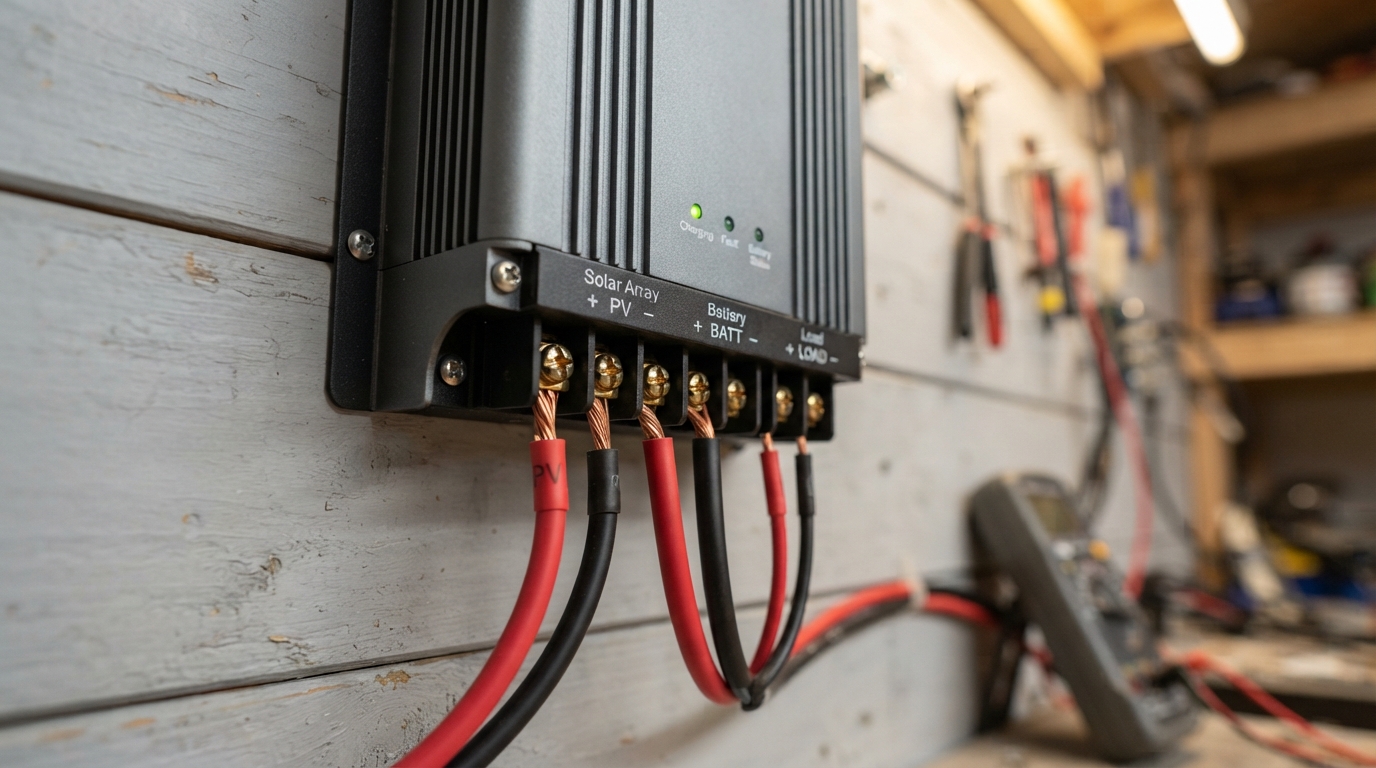
Before diving into specific models, let’s make sure we’re speaking the same language. A solar generator isn’t a generator in the traditional sense — it doesn’t burn fuel. Instead, it’s a combination of a lithium (or lead-acid) battery bank, a charge controller (a device that regulates the flow of electricity from solar panels into the battery so it doesn’t overcharge), and an inverter (a device that converts the DC power stored in the battery into the AC power your appliances actually use). The solar panels themselves are usually sold separately or as a bundle.
Think of the whole system like a rechargeable toolbox: the solar panels are the charging dock, the battery is the storage compartment, and the inverter is the outlet on the side. The charge controller is the safety latch that keeps everything from overloading.
How Do You Read a Solar Generator Spec Sheet Without Getting Lost?
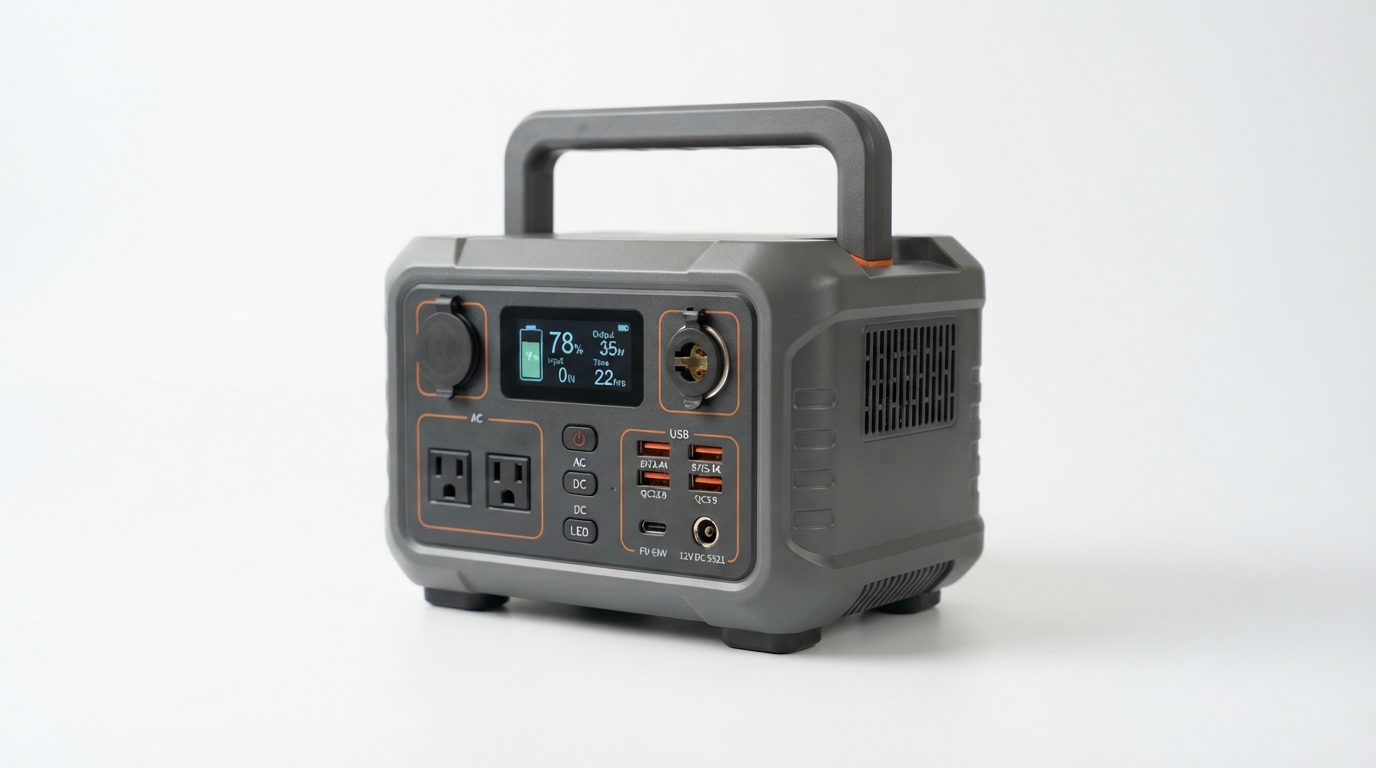
This is where most first-time buyers hit a wall. Here are the three numbers that matter most:
- Capacity (Wh — watt-hours): This tells you how much energy the battery can store. A 1,000Wh battery can theoretically run a 100W device for 10 hours, or a 500W device for 2 hours. Think of it as the “fuel tank” size.
- Continuous Output (W — watts): This is the maximum power the unit can deliver at any given moment to your devices. If your refrigerator draws 150W and your CPAP draws 30W, you need at least 180W of continuous output — ideally with headroom to spare.
- Solar Input (W): The maximum wattage of solar panels the unit can accept for charging. A higher solar input rating means faster recharging on sunny days.
One spec that trips up beginners is the difference between peak (surge) watts and continuous watts. Motors — like those in refrigerators, sump pumps, or air conditioners — draw a spike of power at startup (sometimes 2–3× their running wattage). Your solar generator needs to handle that surge without shutting down. Always check the peak watt rating, not just the continuous output.
Generac’s Approach to Solar: What Makes It Different?
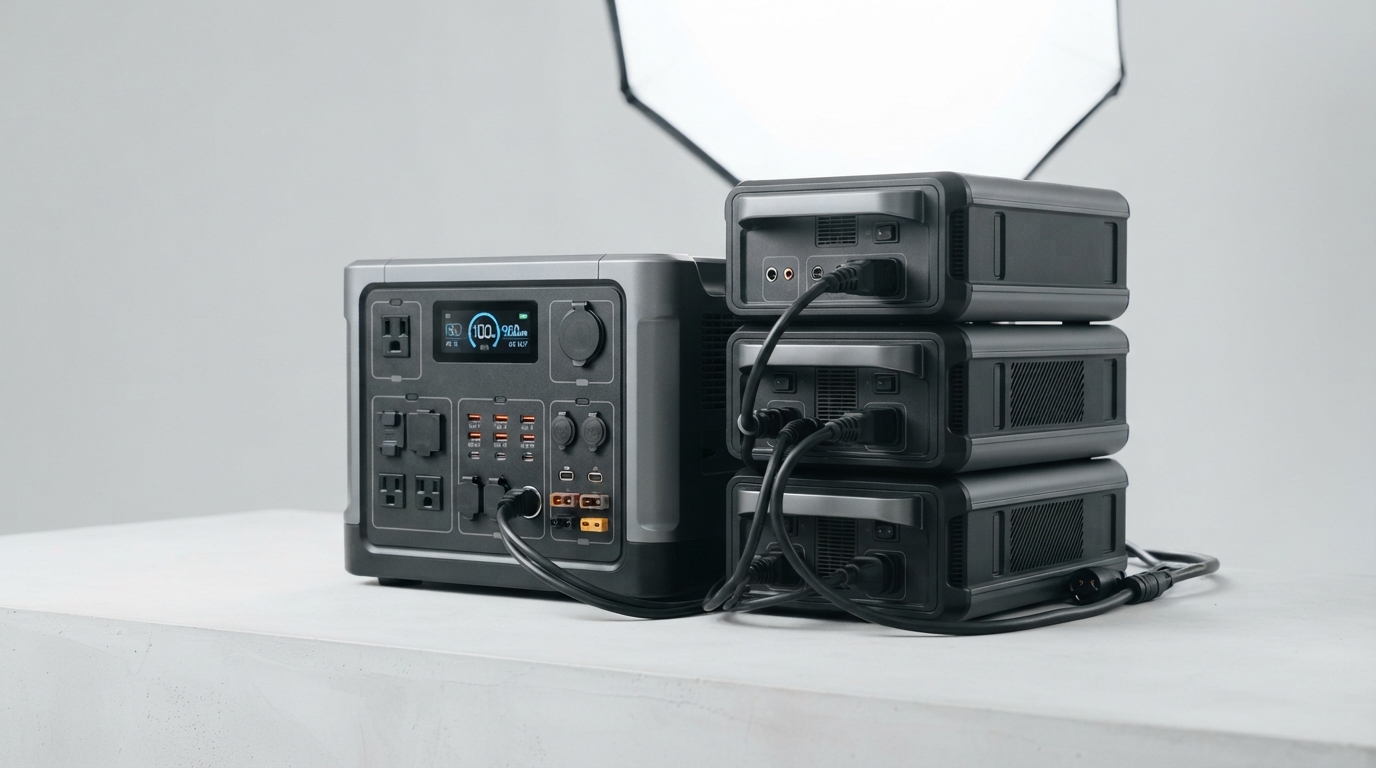
Generac built its reputation on standby home generators — the kind that automatically kick on when the grid goes down. Their move into solar storage (most notably through the PWRcell system) reflects that same whole-home backup philosophy. The PWRcell is a modular battery system designed to pair with solar panels and integrate with Generac’s existing generator ecosystem, offering scalable storage that can grow with your energy needs.
What sets Generac apart from purely portable brands is the emphasis on grid-tied and hybrid operation — meaning the system can work with your utility power, your solar panels, and a backup generator simultaneously. For homeowners who want seamless, automatic backup rather than a portable unit they have to wheel out and plug in, this architecture is genuinely compelling.
That said, the PWRcell system is a professional-installed, permanent solution — not something you unbox and set up in an afternoon. If you’re looking for a plug-and-play portable unit, Generac’s smaller portable solar-ready inverter generators may be a better fit, though they lean more toward traditional generator territory with solar charging as an add-on feature.
Step-by-Step: How to Choose the Right Solar Generator for Your Situation
Step 1 — Identify Your Critical Loads
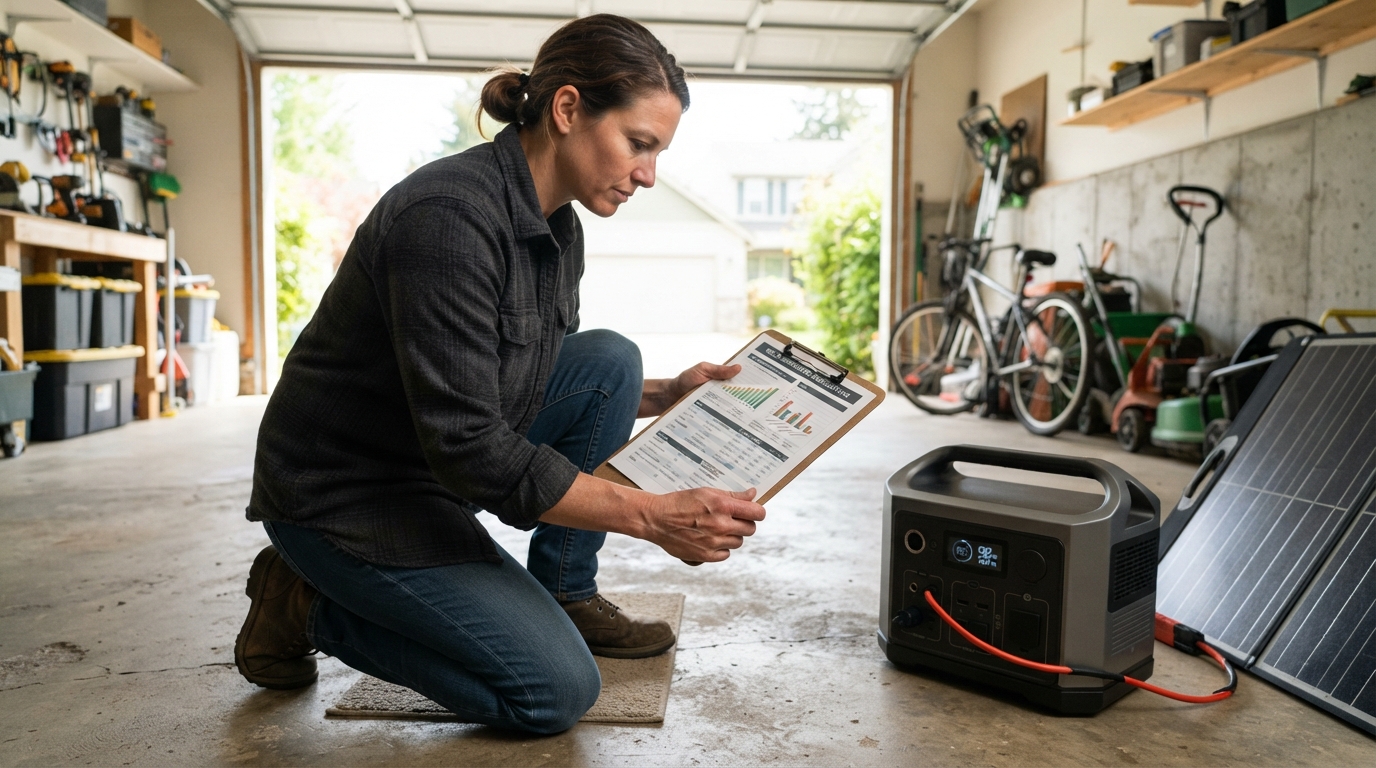
Write down everything you’d want to power during an outage or off-grid stay. Be specific: refrigerator, phone chargers, router, medical devices (CPAP, oxygen concentrator), lights. Look up the wattage on each device — it’s usually on a label on the back or bottom, or in the manual. Add them up to get your simultaneous draw (total watts running at once) and estimate your daily energy use (watt-hours per day).
Step 2 — Match Capacity to Your Runtime Goals
If you want 24 hours of backup for a 500Wh daily load, you need at least 500Wh of usable capacity — but realistically more, because you shouldn’t drain most batteries below 20% regularly (doing so shortens battery life). A good rule of thumb: size your battery at 1.5–2× your daily load for comfortable, battery-friendly operation.
Step 3 — Factor in Solar Recharging
A solar generator that can only recharge from the wall isn’t much of a solar generator. Check the unit’s MPPT charge controller (Maximum Power Point Tracking — a smarter type of charge controller that extracts more energy from panels under varying light conditions) and its maximum solar input wattage. In most U.S. locations, you can realistically count on 4–5 “peak sun hours” per day for sizing purposes.
Step 4 — Consider Battery Chemistry
LiFePO4 (lithium iron phosphate) batteries have become the gold standard in solar generators because they offer more charge cycles (often 2,000–3,500+), better thermal stability, and a longer usable lifespan than older lithium-ion or lead-acid options. If longevity and safety matter to you — and they should — prioritize LiFePO4. You can explore the best LiFePO4 solar generator options to see how these compare across brands.
Step 5 — Set a Realistic Budget
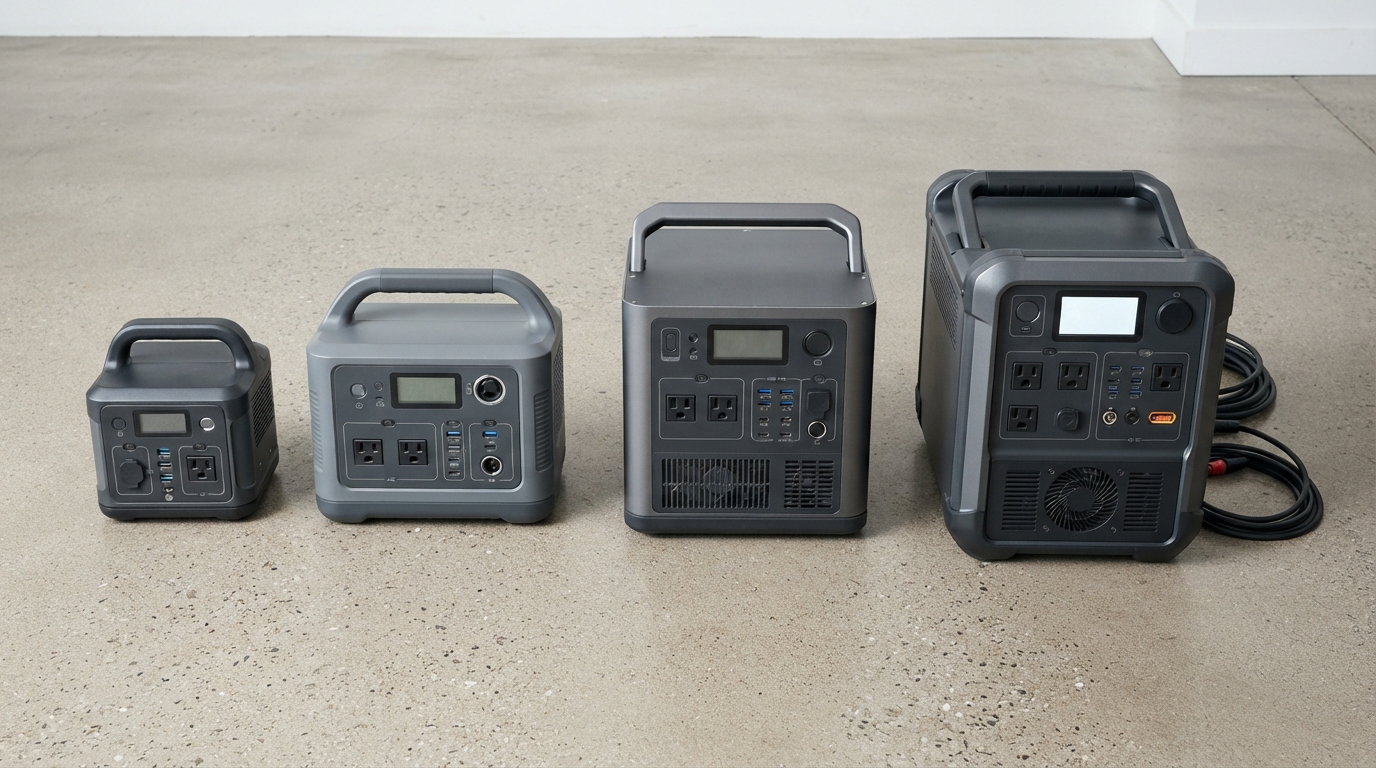
Entry-level portable solar generators (under 500Wh) typically run $200–$500. Mid-range units (500Wh–2,000Wh) land in the $500–$2,000 range. Whole-home systems like the Generac PWRcell can run $10,000–$20,000+ installed. Know which tier you’re shopping in before you start comparing specs.
Solar Generator Models Worth Knowing About (Beyond Generac)
Reading Generac solar generator reviews is a great starting point, but the market is wide. Here’s a quick landscape of brands and models that frequently come up in buyer research:
- For a deep look at another established brand, check out Bluetti solar generator reviews — Bluetti has built a strong reputation for high-capacity LiFePO4 units with excellent solar input rates.
- If you’re interested in emergency preparedness-focused designs, Patriot solar generator reviews cover a brand that specifically targets the prepper and emergency-ready market.
- For mid-range capacity seekers, the PowerSource 1800 solar generator review walks through a well-regarded unit in that sweet spot between portable and powerful.
- Compact, lightweight options like the Flashfish solar generator are worth considering if portability is your top priority over raw capacity.
- For premium portable power with a long track record, the Goal Zero Yeti 1250 remains a benchmark for serious campers and overlanders.
Recommended Solar Generators for First-Time Buyers
Generac PWRcell (Home Storage System)
Brand: Generac
Capacity: 9–18kWh (modular, scalable) | Chemistry: Lithium-ion | Key Feature: Integrates with Generac standby generators and grid-tied solar
Best for first-time buyers who own a home and want a permanent, professionally installed whole-home backup solution that can expand over time.
Bluetti AC200P
Brand: Bluetti
Capacity: ~2,000Wh | Output: 2,000W continuous | Chemistry: LiFePO4 | Solar Input: Up to 700W
An excellent mid-range choice for first-timers who want substantial capacity, fast solar recharging, and the durability of LiFePO4 chemistry — without a professional installation.
Goal Zero Yeti 400
Brand: Goal Zero
Capacity: ~396Wh | Output: 300W continuous | Key Feature: Compact, lightweight, beginner-friendly interface
A great entry-level unit for campers and weekend adventurers. Read the full Goal Zero Yeti 400 solar generator review for a detailed breakdown. Not ideal for whole-home backup, but perfect for learning the ropes.
Titan Solar Generator
Brand: Point Zero Energy
Capacity: ~2,000Wh (expandable) | Output: 3,000W continuous | Chemistry: LiFePO4 | Solar Input: Up to 2,000W
A powerhouse for serious off-grid and emergency users. The Titan solar generator stands out for its exceptionally high solar input — ideal if you want to recharge quickly from a large panel array.
Honest Pros & Cons of Going the Solar Generator Route
No buying guide is complete without a straight look at the tradeoffs. Here’s what you’re signing up for:
- ✅ No fuel costs or storage: Unlike gas generators, solar generators cost nothing to “refuel” on a sunny day.
- ✅ Silent operation: Zero engine noise — a genuine quality-of-life advantage, especially indoors or in campgrounds.
- ✅ Low maintenance: No oil changes, no spark plugs, no carburetor issues.
- ✅ Scalable: Many systems allow you to add battery modules or panels over time.
- ❌ Weather-dependent recharging: Cloudy days dramatically slow solar recharging. You’re not fully energy-independent in all conditions.
- ❌ Higher upfront cost: Equivalent capacity costs more than a gas generator, especially with quality LiFePO4 chemistry.
- ❌ Limited surge capacity on smaller units: Budget-tier solar generators may struggle with high-surge appliances like well pumps or central AC.
- ❌ Slower recharge vs. gas: Even with optimal solar input, recharging a large battery bank takes hours, not minutes.
Insider tip: If you live somewhere with frequent cloudy stretches, look for a unit that also accepts AC wall charging and DC car charging simultaneously — some higher-end units allow all three input methods at once, dramatically cutting recharge time when the sun isn’t cooperating.
A Note on “Be Prepared” and Niche Solar Generator Brands
As you research, you’ll encounter brands that specifically market to emergency preparedness audiences. Be Prepared solar generator reviews and products like the Patriot Power Sidekick are designed with simplicity and reliability in mind — often at the cost of raw capacity. These can be excellent choices if your primary goal is a no-fuss emergency kit rather than daily off-grid living.
Ask yourself: am I buying this for occasional emergency use, or do I want a system that becomes part of my daily energy routine? That question will steer you toward very different product categories.
Frequently Asked Questions
Can a solar generator run a full-size refrigerator?
Yes, but capacity matters. A full-size refrigerator typically draws 100–200W continuously and cycles on and off. A 1,000Wh+ unit can usually run one for 8–12 hours without solar recharging. With adequate solar input during daylight, you can extend that indefinitely on sunny days.
Do I need an electrician to set up a portable solar generator?
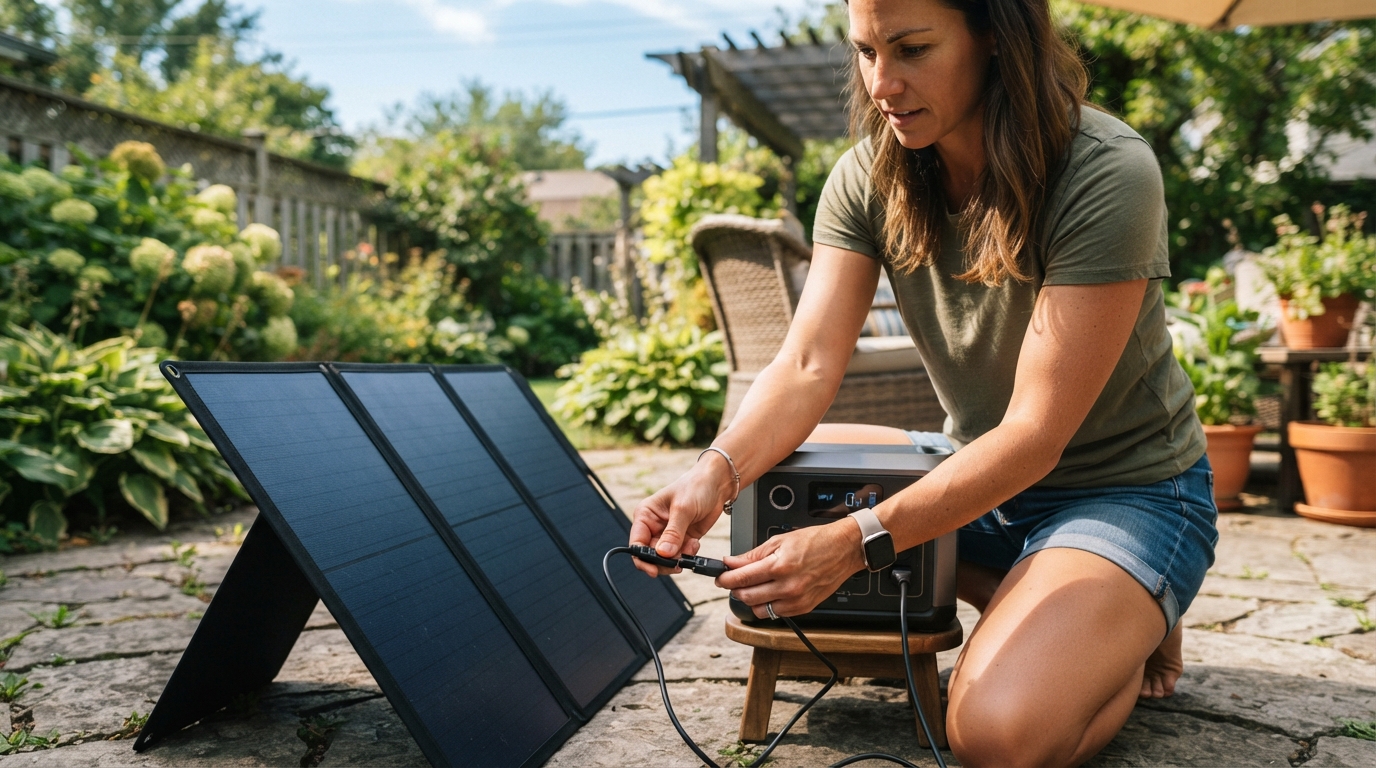
For most portable units, no — you plug appliances directly into the unit’s outlets, just like a power strip. Whole-home systems like the Generac PWRcell do require a licensed electrician and often a permit. The line between “plug-and-play” and “professional installation” is usually the point at which you’re connecting to your home’s electrical panel.
How long do LiFePO4 solar generator batteries last?
Quality LiFePO4 batteries typically offer 2,000–3,500 charge cycles before capacity noticeably degrades — that’s potentially 10+ years of regular use. This is significantly longer than older lithium-ion or sealed lead-acid alternatives.
What’s the difference between the Generac PWRcell and a portable solar generator?
The PWRcell is a permanent, modular home battery system installed by a professional, designed to integrate with your home’s electrical system and solar array. A portable solar generator is a self-contained unit you can move around and plug devices directly into — no installation required. They serve different use cases at very different price points.
Is a higher watt-hour capacity always better?
Not necessarily. A higher capacity unit costs more, weighs more, and takes longer to recharge. If you only need to power a few small devices for a weekend camping trip, a 300–500Wh unit is perfectly adequate — and far more portable. Right-size your system to your actual needs rather than always buying the biggest available.
Conclusion: Your First Solar Generator Purchase, Done Right
Starting with solid Generac solar generator reviews is a smart move — Generac’s reputation is well-earned, and their home storage products are genuinely impressive for the right buyer. But the best solar generator for you is the one that matches your capacity needs, your budget, your battery chemistry preference, and how you actually plan to use it.
Work through the five steps in this guide, be honest about your load requirements, and don’t let spec-sheet paralysis keep you from making a decision. The solar generator market has matured enormously — there are excellent, reliable options at every price point. You’ve got more than enough information now to make a confident first purchase.
Ready to keep comparing? Explore our full reviews of the Bluetti 2400Wh solar generator and the Lion solar generator lineup to round out your research before you buy.