The Goal Zero Yeti 1250 solar generator occupies a curious middle ground in the portable power world — it’s big enough to run a refrigerator or charge a laptop for days, yet it was designed to be wheeled around a campsite or slid under a workbench. If you’ve been comparing solar generators and keep circling back to this model, this review is built specifically for you. We’ll dig into the real numbers, stack it against key competitors, and help you decide whether the Yeti 1250 is the right fit for your setup or whether a newer alternative deserves your budget.
Goal Zero Yeti 1250 at a Glance: Quick-Answer Summary
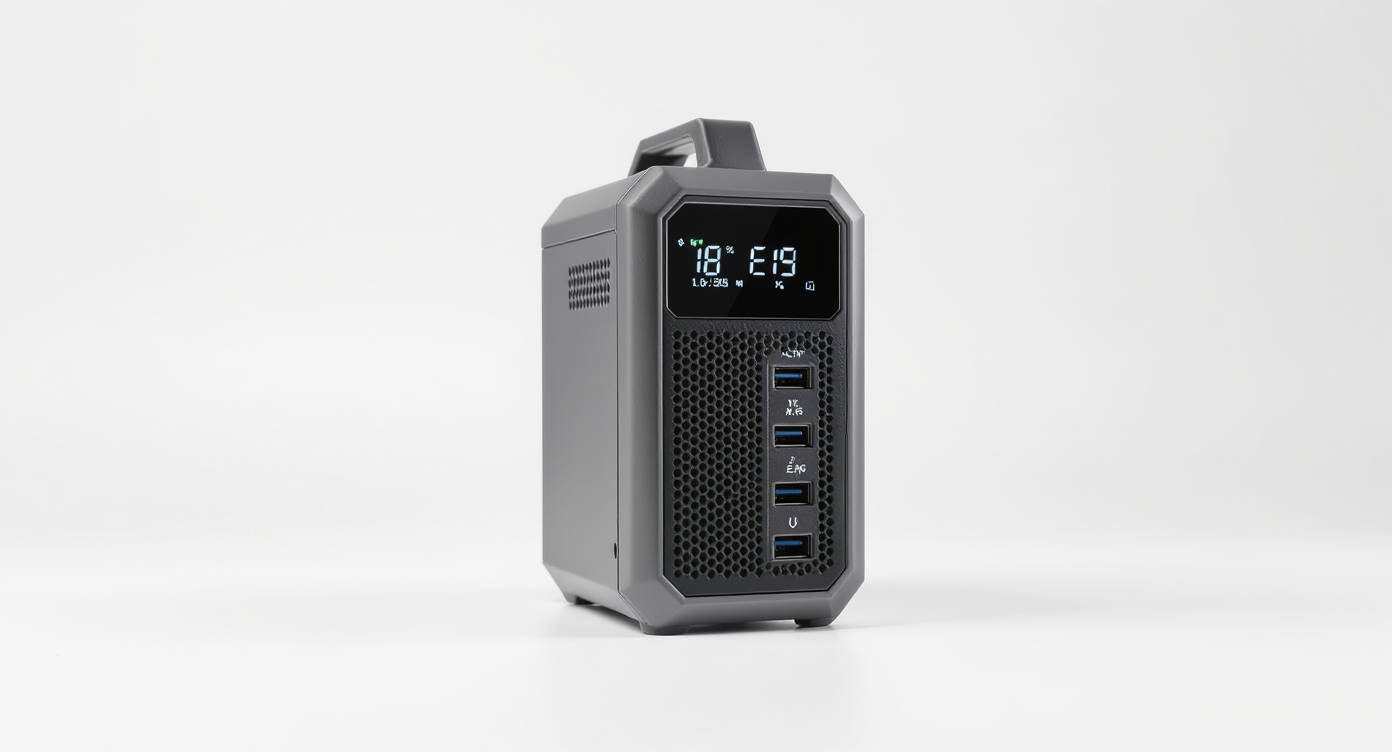
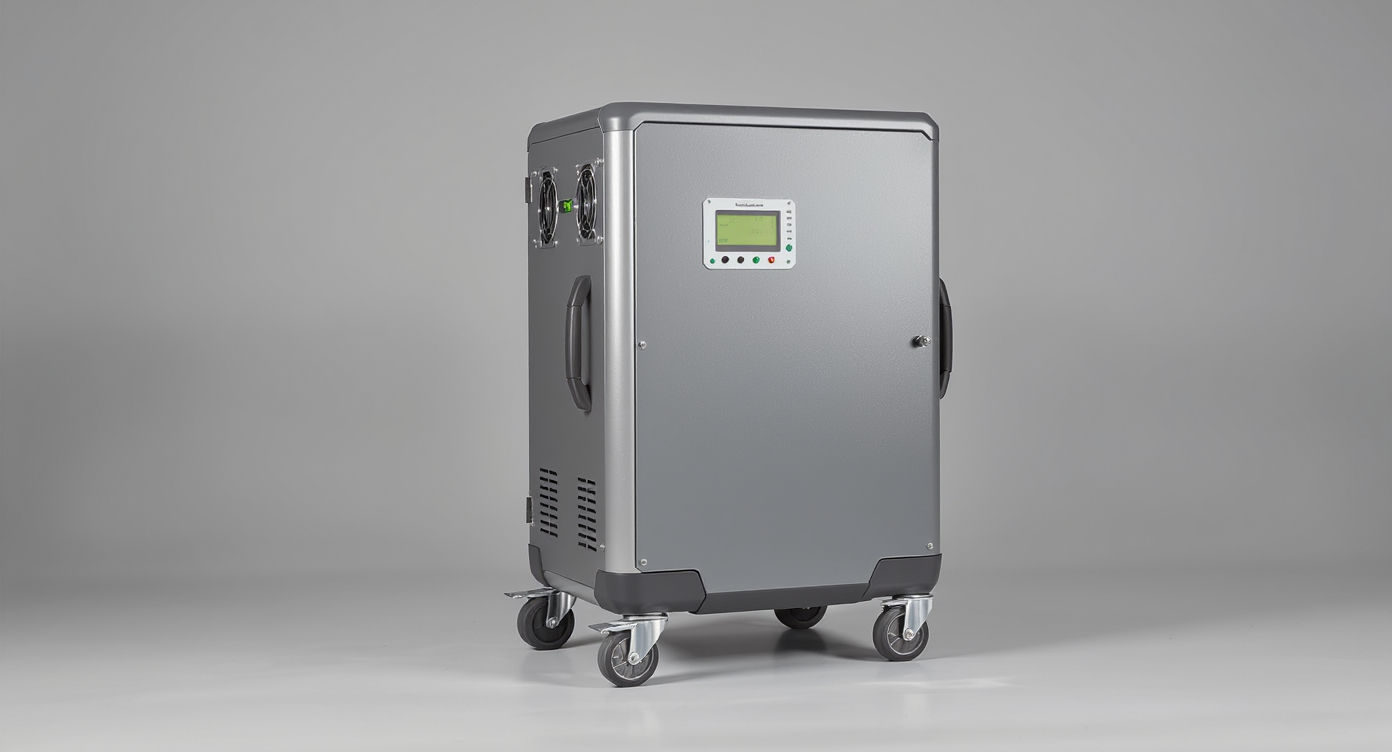
The Goal Zero Yeti 1250 is a lead-acid based portable power station with approximately 1,200 watt-hours (Wh) of usable capacity, a 1,200W continuous AC inverter (a device that converts stored DC battery power into the standard AC electricity your appliances use), and multiple output ports including USB, 12V, and standard AC outlets. It accepts solar input via Goal Zero’s proprietary connector system and can also be recharged from a wall outlet or a car’s 12V port. It weighs roughly 103 pounds — so “portable” is relative here — and rolls on a built-in cart.
- Capacity: ~1,200 Wh (lead-acid chemistry)
- Continuous AC output: 1,200W (surge up to ~1,800W)
- Recharge inputs: Solar (up to ~150W), AC wall, 12V car
- Weight: ~103 lbs with built-in wheel cart
- Ports: AC outlets, USB-A, 12V regulated, 12V unregulated
How Does the Yeti 1250 Actually Compare to Its Rivals?
This is a comparison-led review for good reason: the Yeti 1250 launched at a premium price point, and the solar generator market has changed dramatically since then. Understanding where it wins — and where it falls short — requires putting it side-by-side with what else is out there.
Yeti 1250 vs. Newer Lithium-Based Solar Generators
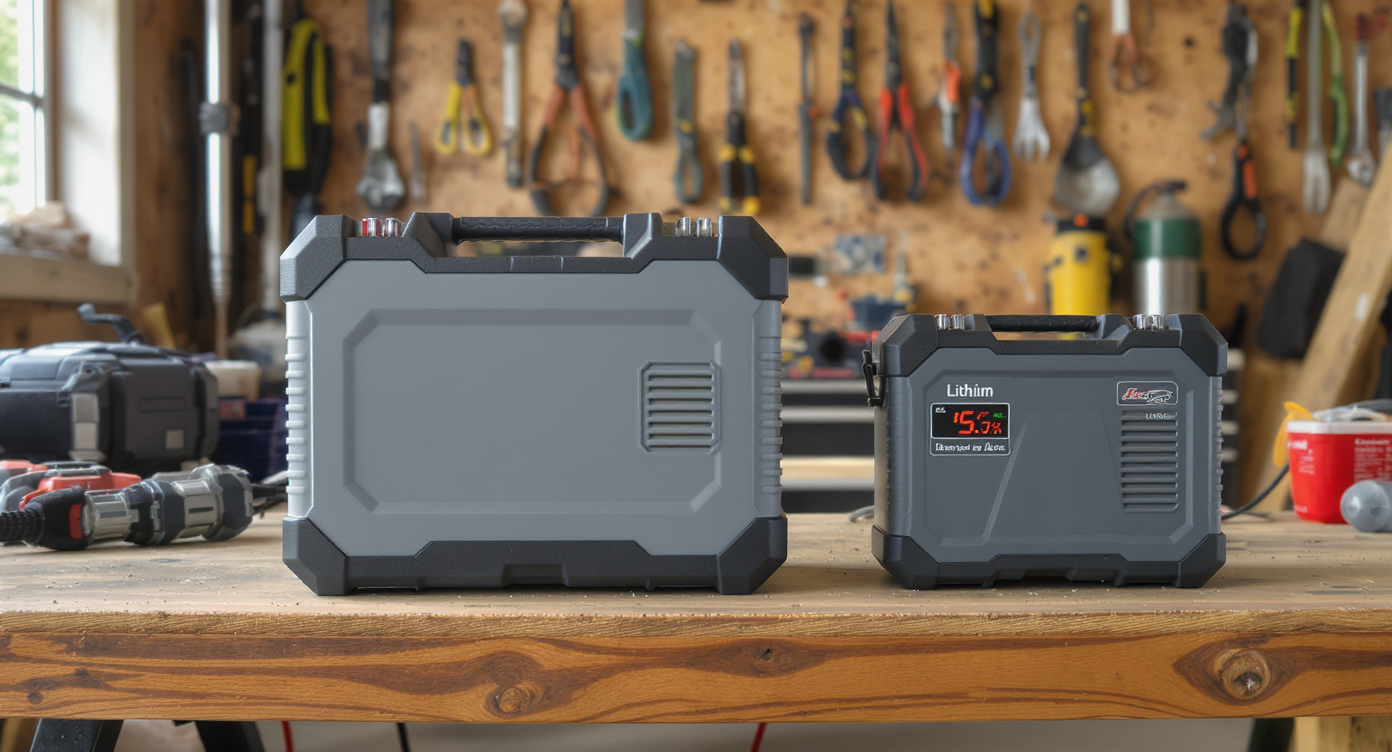
The single biggest structural difference between the Yeti 1250 and most modern competitors is battery chemistry. The Yeti 1250 uses sealed lead-acid (SLA) batteries, while newer units use lithium-ion or lithium iron phosphate (LiFePO4) cells. Think of it like comparing a cast-iron engine block to a carbon-fiber one: the iron block is proven and tough, but the carbon-fiber version is dramatically lighter, more efficient, and lasts far longer under repeated cycling.
In practical terms, lead-acid chemistry means the Yeti 1250 can only safely discharge to about 50% of its rated capacity before you risk shortening battery life. So that 1,200 Wh label? Your real usable capacity is closer to 600 Wh in everyday use. A LiFePO4 competitor rated at 1,000 Wh may actually deliver more usable energy. For a deeper look at how LiFePO4 units perform across the board, the best LiFePO4 solar generator roundup on this site is worth bookmarking.
Yeti 1250 vs. Goal Zero Yeti 400
If you’re deciding between Goal Zero’s own lineup, the Goal Zero Yeti 400 solar generator is the obvious smaller sibling. The 400 is dramatically lighter and more portable, but its capacity is roughly one-third of the 1250’s, and its AC output is significantly lower. The 1250 makes sense if you’re running a full-size refrigerator, a CPAP machine, or power tools; the 400 is better suited to phones, tablets, and small fans.
Yeti 1250 vs. Bluetti and Patriot Units
Modern competitors from Bluetti have pushed the category hard. If you check out the Bluetti solar generator reviews or even the Bluetti 2400Wh solar generator options, you’ll notice that for similar or lower prices (especially on sale), you can now get lithium-based units with higher usable capacity, faster solar recharge rates, and significantly lighter builds. The Patriot solar generator lineup also targets the preparedness market with a different set of trade-offs worth considering.
Real-World Performance: What Can the Yeti 1250 Actually Power?
Let’s get specific, because watt-hours on a spec sheet only mean so much. Here’s a rough breakdown of what the Yeti 1250 can realistically handle, keeping that ~50% depth-of-discharge rule in mind for daily use:
- Full-size refrigerator (150–200W average draw): Approximately 3–4 hours of continuous runtime — useful for short outages, not a multi-day solution on its own
- Laptop (45–65W): 8–12 full charges depending on battery size
- LED TV (60–80W): 7–10 hours of viewing
- CPAP machine without humidifier (~30–50W): 12–18 hours, making it a solid option for one or two nights
- Phone charging (5–20W): Dozens of charges
- Power drill (600W peak): Manageable in short bursts, but sustained heavy tool use will drain it quickly
One thing the Yeti 1250 does well is its surge capacity (the brief spike of power needed to start motors and compressors). The ~1,800W surge rating means it can start a small window AC unit or a refrigerator compressor without tripping the inverter — something smaller units can’t always claim.
Solar Recharging: How Fast Can You Refill It?
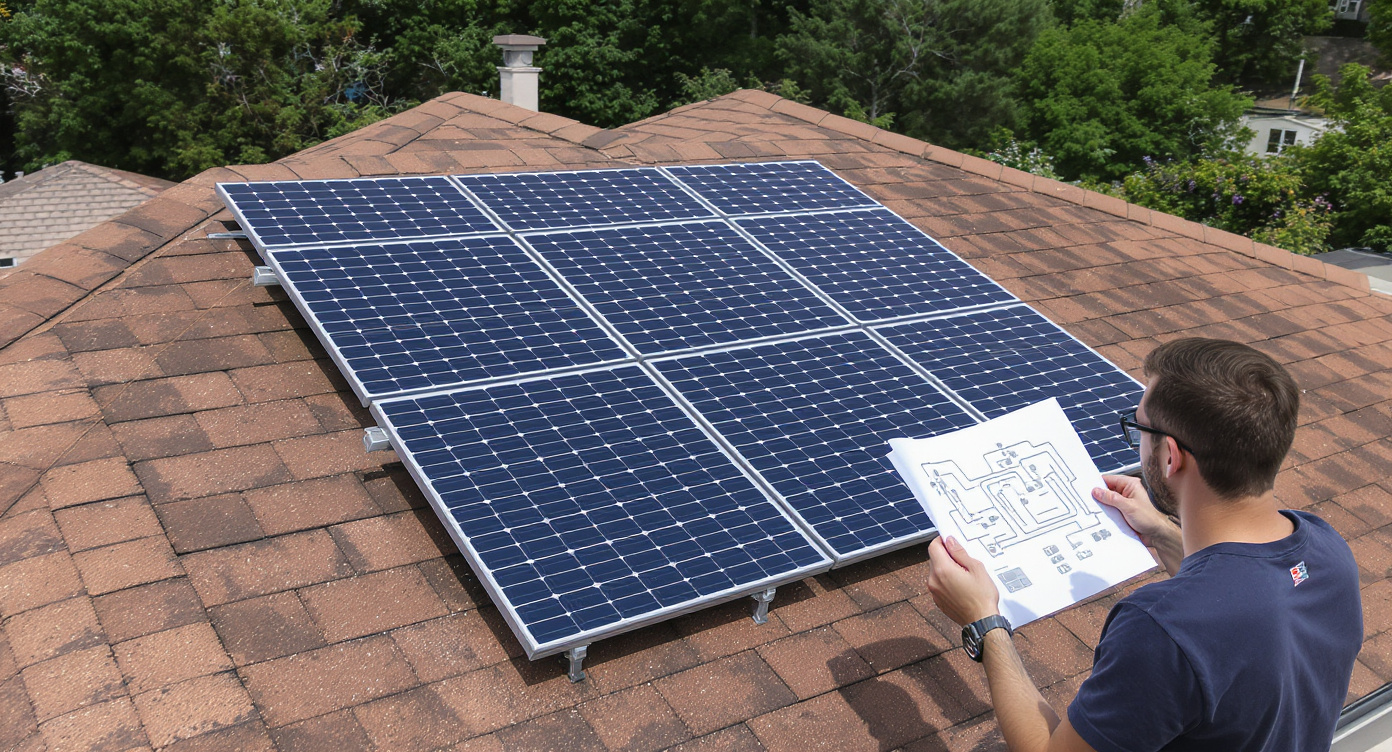
The Yeti 1250 accepts solar input at up to approximately 150W through its proprietary Anderson Powerpole-style connector. At peak solar conditions with a 150W panel array, a full recharge from empty would take roughly 8–10 hours of direct sun. In practice — accounting for panel angle, partial cloud cover, and the fact that you’re probably using the unit while charging — plan on a full sunny day or two for a complete refill.
This is one area where the Yeti 1250 shows its age. Many current units accept 400W, 500W, or even higher solar input, cutting recharge time dramatically. If fast solar refueling is critical to your setup, that’s a meaningful gap to weigh. Worth comparing is the Titan solar generator, which was designed from the ground up around high-wattage solar input and modularity.
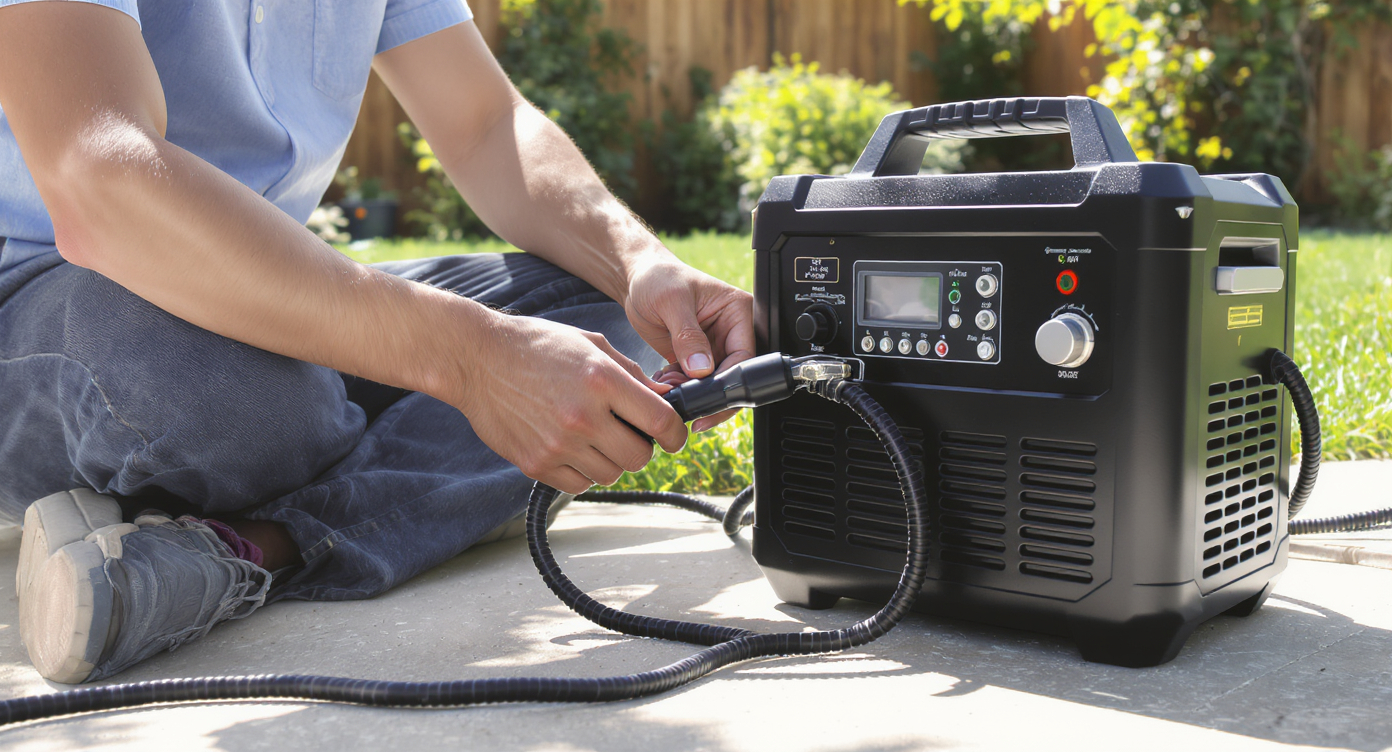
Insider Tip: Goal Zero uses a proprietary connector for solar input on the Yeti 1250. If you want to use third-party panels (which are often cheaper per watt), you’ll need an adapter cable. These are available from Goal Zero and third-party sellers, but factor in the extra cost and the slight voltage/current compatibility check you’ll need to do before connecting.
Honest Pros & Cons of the Goal Zero Yeti 1250
What It Does Well
- Proven reliability: The Yeti 1250 has been on the market long enough that failure modes are well-documented and generally rare for normal use
- Strong surge capacity: Handles motor-start loads that trip smaller inverters
- Ecosystem compatibility: Works seamlessly with Goal Zero’s panel lineup and accessories
- Multiple recharge options: AC wall, solar, and 12V car charging give you flexibility
- Display readability: The built-in meter gives clear input/output wattage and estimated runtime
Where It Falls Short
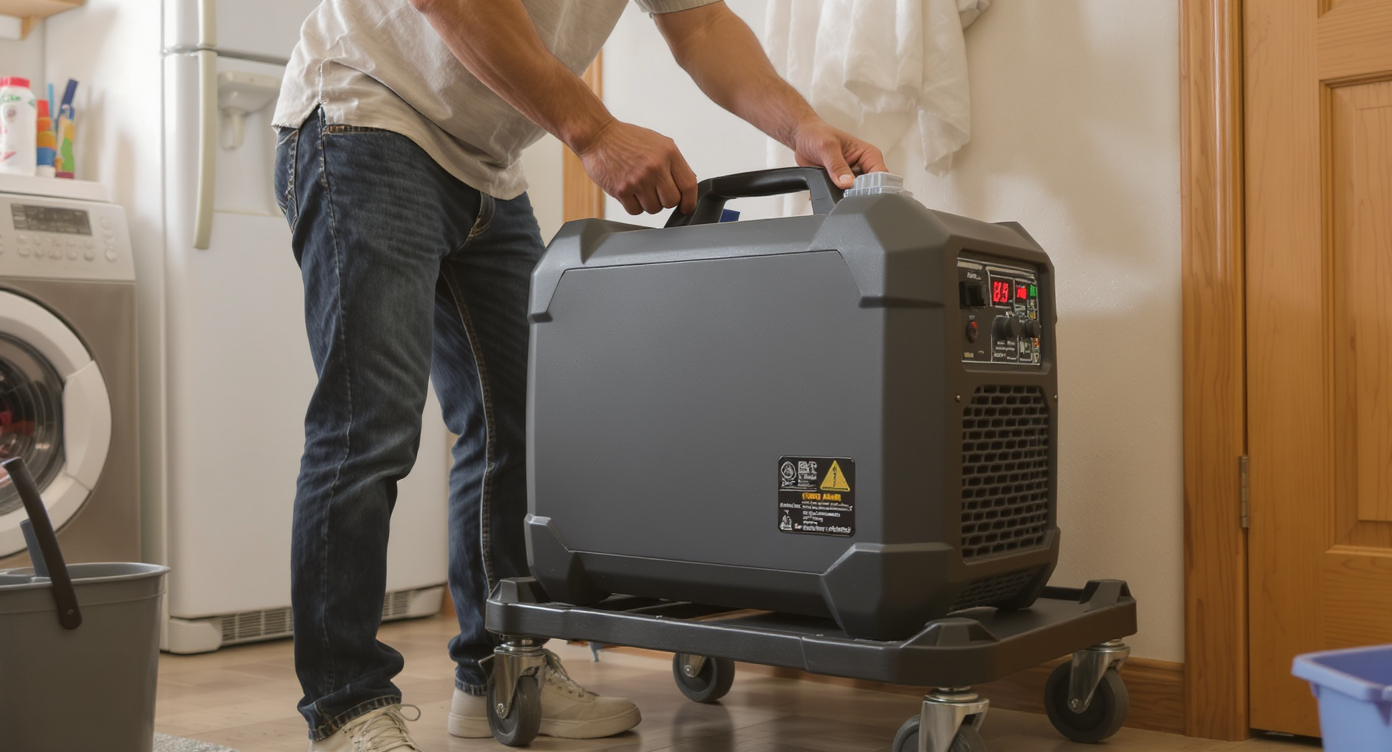
- Weight: At ~103 lbs, “portable” is generous — it’s a two-person lift without the cart
- Lead-acid chemistry: Limits usable capacity to ~50%, reduces cycle life compared to lithium
- Slow solar recharge: 150W max input is modest by today’s standards
- No app connectivity: Older design lacks Bluetooth or Wi-Fi monitoring
- Price-to-capacity ratio: Newer lithium units often offer more usable energy for comparable or lower cost
Who Should Still Buy the Yeti 1250 Today?
Here’s the honest answer: if you can find a used or heavily discounted Yeti 1250, it still makes a solid workhorse for home backup use where weight isn’t a factor and you have reliable wall-outlet recharging available. Its AC output and surge capacity are genuinely useful, and lead-acid batteries are simple to maintain and widely understood.
However, if you’re buying new at full retail price, the value proposition is harder to defend against modern lithium alternatives. The Flashfish solar generator and other budget-friendly lithium options have closed the gap considerably at lower price points. And for serious preparedness planning, the Be Prepared solar generator category has expanded with purpose-built options worth evaluating.
Ask yourself this: are you primarily using this unit plugged into the wall most of the time, with solar as a backup refueling method? If so, the Yeti 1250’s slow solar input matters less. But if you’re planning to live off solar-only recharging for days at a stretch, the limited input wattage becomes a real bottleneck.
Comparable Products Worth Considering
Bluetti AC200P
Bluetti
- Capacity: 2,000 Wh (LiFePO4)
- AC Output: 2,000W continuous, 4,800W surge
- Solar Input: Up to 700W
- Weight: ~60 lbs
Why it fits: More usable capacity, lithium longevity, and dramatically faster solar recharge — a strong upgrade path from the Yeti 1250 for home backup users.
EcoFlow Delta Pro
EcoFlow
- Capacity: 3,600 Wh (expandable to 25 kWh)
- AC Output: 3,600W continuous
- Solar Input: Up to 1,600W
- Weight: ~99 lbs
Why it fits: For users who outgrow the Yeti 1250’s capacity ceiling, the Delta Pro’s expandability makes it a future-proof investment for serious home backup.
Jackery Explorer 1000 Pro
Jackery
- Capacity: 1,002 Wh (lithium NMC)
- AC Output: 1,000W continuous, 2,000W surge
- Solar Input: Up to 400W
- Weight: ~25 lbs
Why it fits: Roughly comparable usable capacity to the Yeti 1250 (thanks to lithium’s depth of discharge advantage), at one-quarter the weight and with faster solar recharge.
Goal Zero Yeti 1500X
Goal Zero
- Capacity: 1,516 Wh (lithium NMC)
- AC Output: 2,000W continuous, 3,500W surge
- Solar Input: Up to 600W
- Weight: ~45 lbs
Why it fits: Goal Zero’s own lithium upgrade path — if you love the Yeti ecosystem and want to stay in it, the 1500X is the natural next step up from the 1250.
Also worth checking out if you’re evaluating the broader market: the Generac solar generator lineup and the Lion solar generator options, both of which bring distinct approaches to the home backup and off-grid segments.
Frequently Asked Questions About the Goal Zero Yeti 1250
Can the Yeti 1250 run a full-size refrigerator overnight?
Not reliably. A full-size refrigerator draws roughly 150–200W on average, but cycles on and off throughout the night. The Yeti 1250’s usable capacity (roughly 600 Wh in safe daily use) would be exhausted in 3–4 hours under that load. It can bridge a short outage, but it’s not a substitute for overnight refrigerator power without a simultaneous solar recharge or a second unit.
Is the Yeti 1250 safe to use indoors?
Yes — this is one of the genuine advantages of any battery-based solar generator over a gas-powered generator. The Yeti 1250 produces no exhaust, no carbon monoxide, and no combustion byproducts. It’s safe to run inside a home, RV, or garage. The battery does off-gas slightly during charging (a characteristic of lead-acid chemistry), so good ventilation during wall-outlet charging is a sensible precaution, but it’s nothing like the strict outdoor-only rules for gas generators.
How many solar panels do I need to keep the Yeti 1250 topped up?
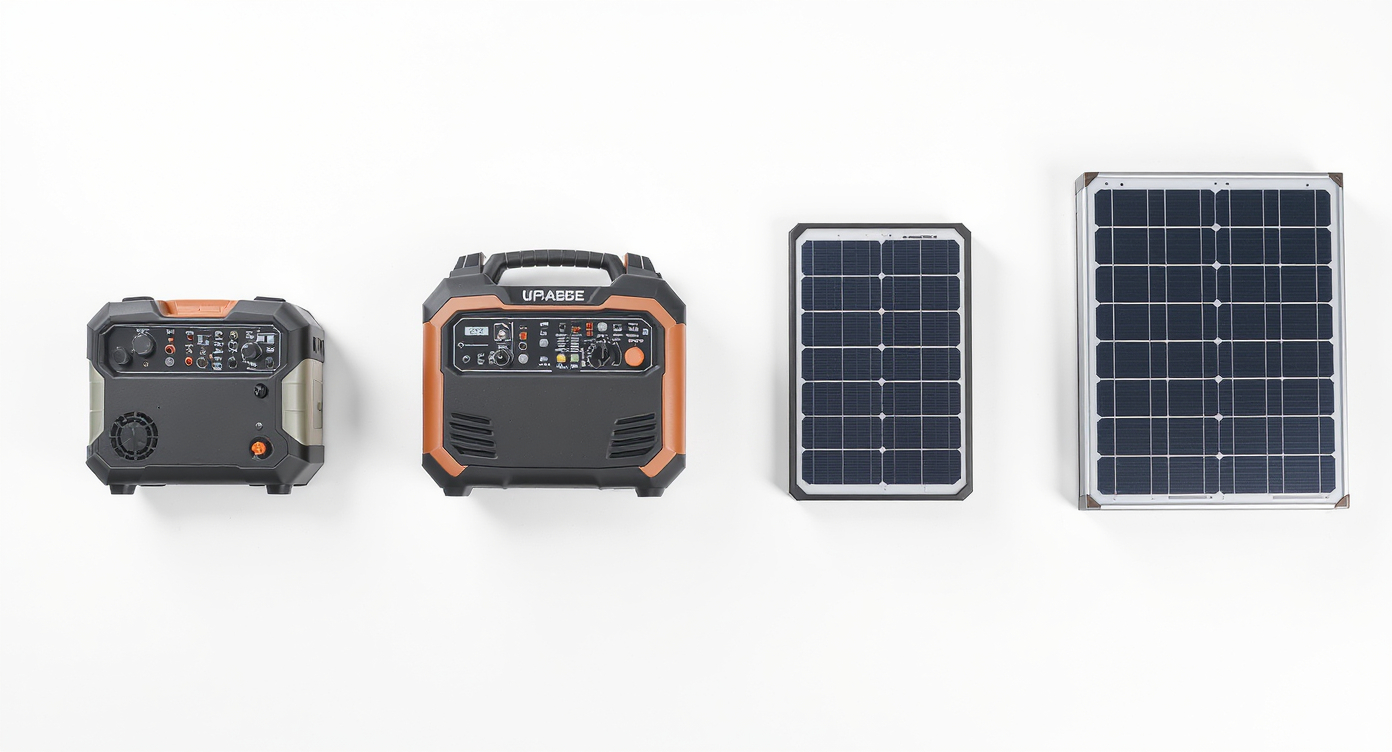
The unit accepts up to ~150W of solar input. A single 100W panel will keep up with light daily use (phone charging, LED lighting, occasional laptop use) in good sun conditions. Two 100W panels wired in series or parallel — staying within the voltage and amperage limits — will give you near-maximum solar input and shorten recharge time significantly. Always verify panel voltage compatibility before connecting.
How does the Yeti 1250 compare to the PowerSource 1800?
The PowerSource 1800 solar generator takes a different design philosophy, with a higher AC output rating and a focus on running larger appliances. If your priority is maximum wattage output over raw battery capacity, that comparison is worth reading through carefully.
What’s the expected battery lifespan of the Yeti 1250?
Lead-acid batteries in the Yeti 1250 typically deliver 300–500 full charge cycles before capacity begins to noticeably degrade — roughly 1–3 years of regular use. Keeping the battery topped off (not storing it fully discharged) and avoiding deep discharges below 50% will extend that lifespan. Replacement batteries are available, though the replacement cost is worth factoring into your long-term ownership math.
Is the Patriot Power Sidekick a better choice for lighter use cases?
If your power needs are more modest — think phone charging, small fans, and basic lighting — the Patriot Power Sidekick is worth a look as a compact, purpose-built option that doesn’t require you to manage a 100-pound unit.
Final Verdict: Is the Goal Zero Yeti 1250 Still Worth It?
The Goal Zero Yeti 1250 is a well-built, reliable unit with a legitimate track record — and if you find one at the right price (used or on clearance), it can still deliver solid value for stationary home backup use. Its surge capacity is genuinely useful, and for buyers already invested in the Goal Zero ecosystem, the compatibility is seamless.
That said, buying one new at full retail in today’s market is a harder call to justify. The lead-acid chemistry, the weight, the slow solar input ceiling, and the lack of app connectivity all show their age against modern lithium competitors. If you’re starting fresh, the same budget spent on a LiFePO4 unit will typically get you more usable energy, a lighter package, and a longer service life.
The best next step? Use this review as a baseline, then compare it directly against the alternatives that match your specific load requirements and budget. The right solar generator is the one that fits your actual use case — not just the one with the biggest number on the box.