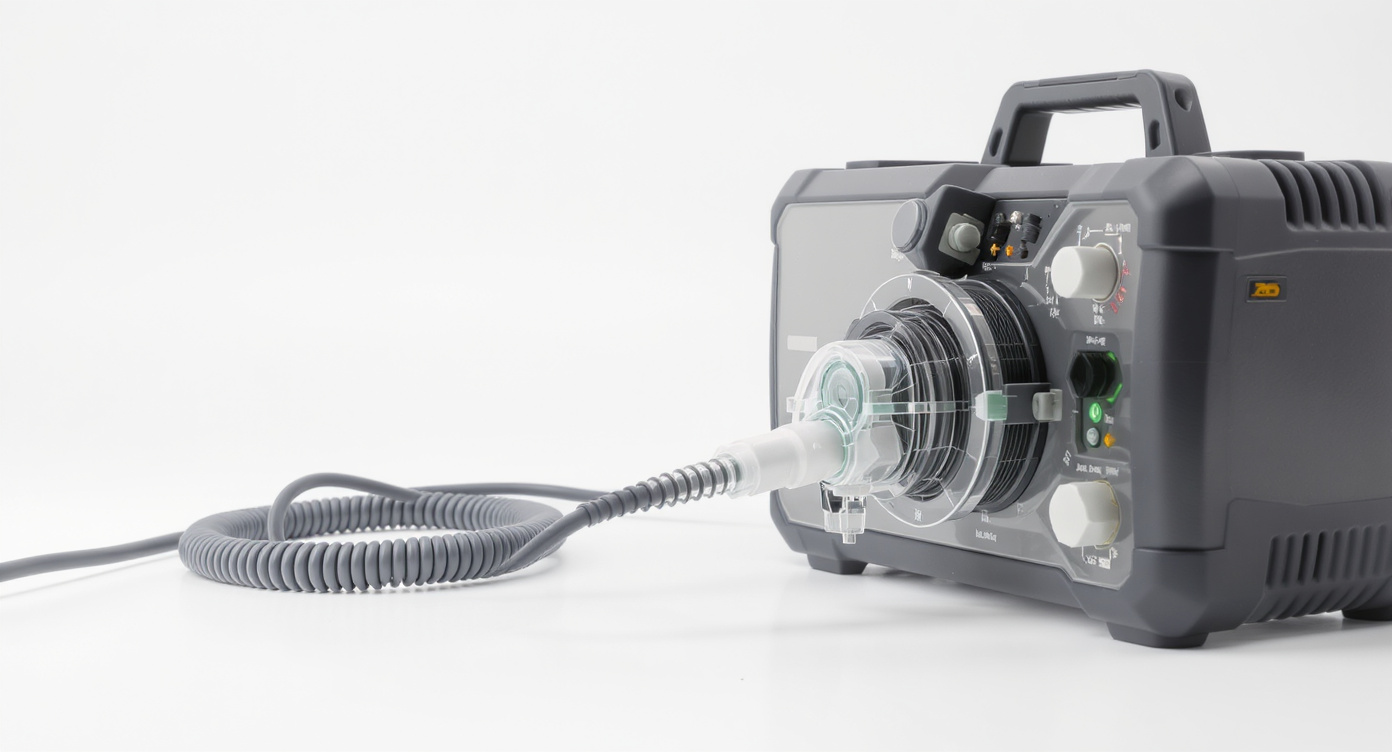
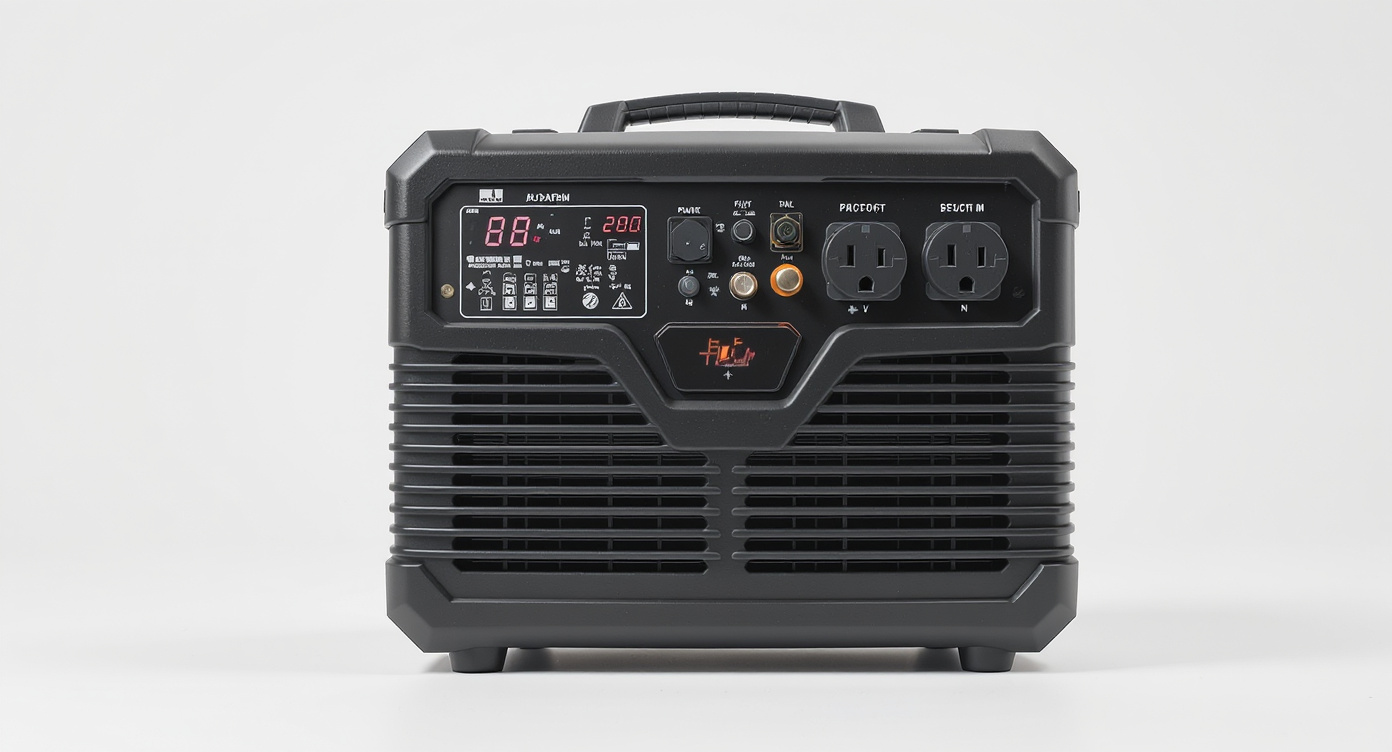
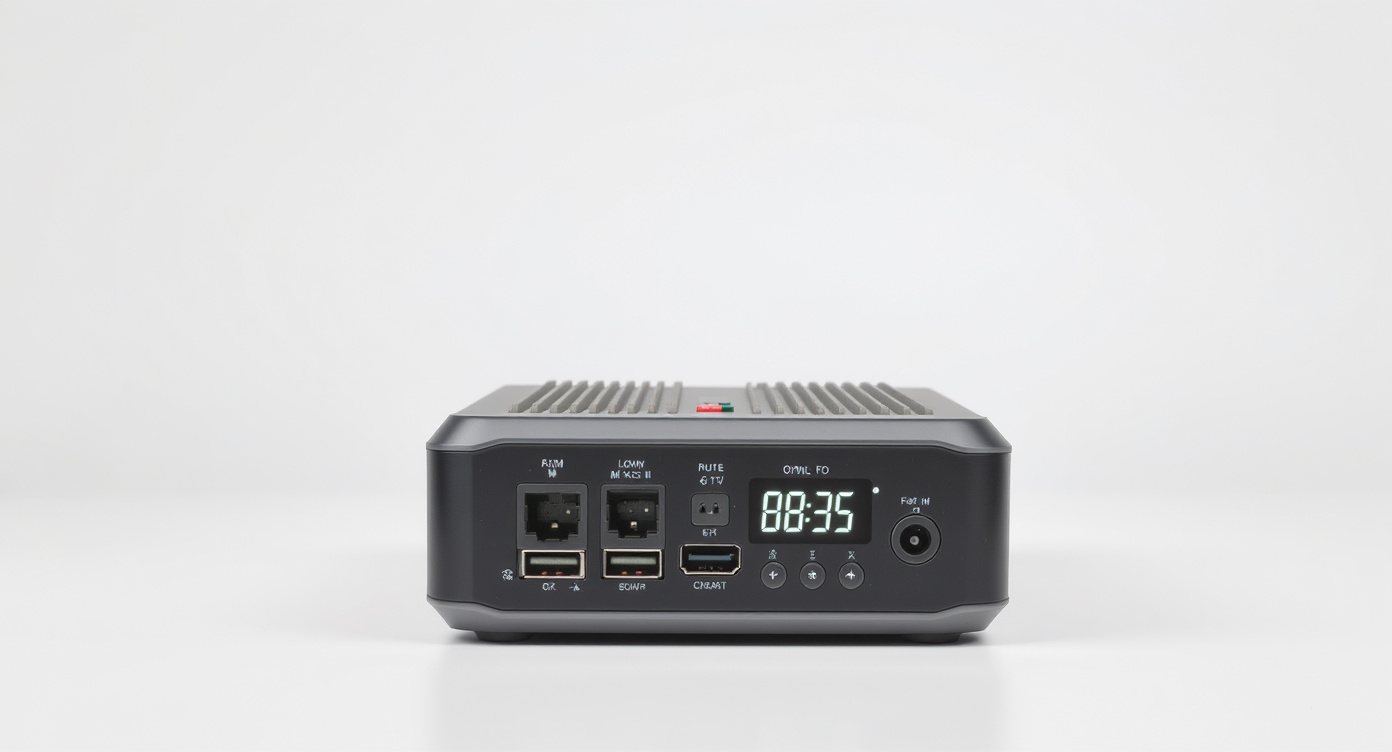
So you’ve got solar panels on your roof — or you’re planning to — and you’re wondering whether a generator fits into that picture at all. The short answer is yes, and knowing how to hook up a generator to a solar system correctly can turn two separate power sources into a seamless, resilient energy setup. The longer answer involves a few important decisions about wiring methods, transfer switches, and charge controller compatibility that most guides gloss over. This article walks you through the comparison-led choices you’ll actually face, so you can connect these two systems without frying anything expensive.
The Core Question: Why Combine a Generator with Solar at All?
Solar panels are brilliant during the day when the sun is cooperating. But what happens on a cloudy week in January, or when your battery bank (a group of batteries storing the energy your panels produce) is sitting at 20% after three overcast days? That’s exactly where a generator earns its place. Think of your solar system like a high-performance bicycle — fast and efficient under the right conditions, but you’re still going to want a motor when you’re hauling uphill against the wind. A generator is that motor.
Combining the two isn’t just a backup plan — it’s genuinely smart energy design. You reduce generator run time (and fuel costs) because solar handles the bulk of your daily load, while the generator steps in only when storage runs low or demand spikes. If you’re weighing the broader tradeoffs between these two technologies, the solar vs. generator comparison is a great place to start before committing to either.
Two Main Methods for Connecting a Generator to a Solar System
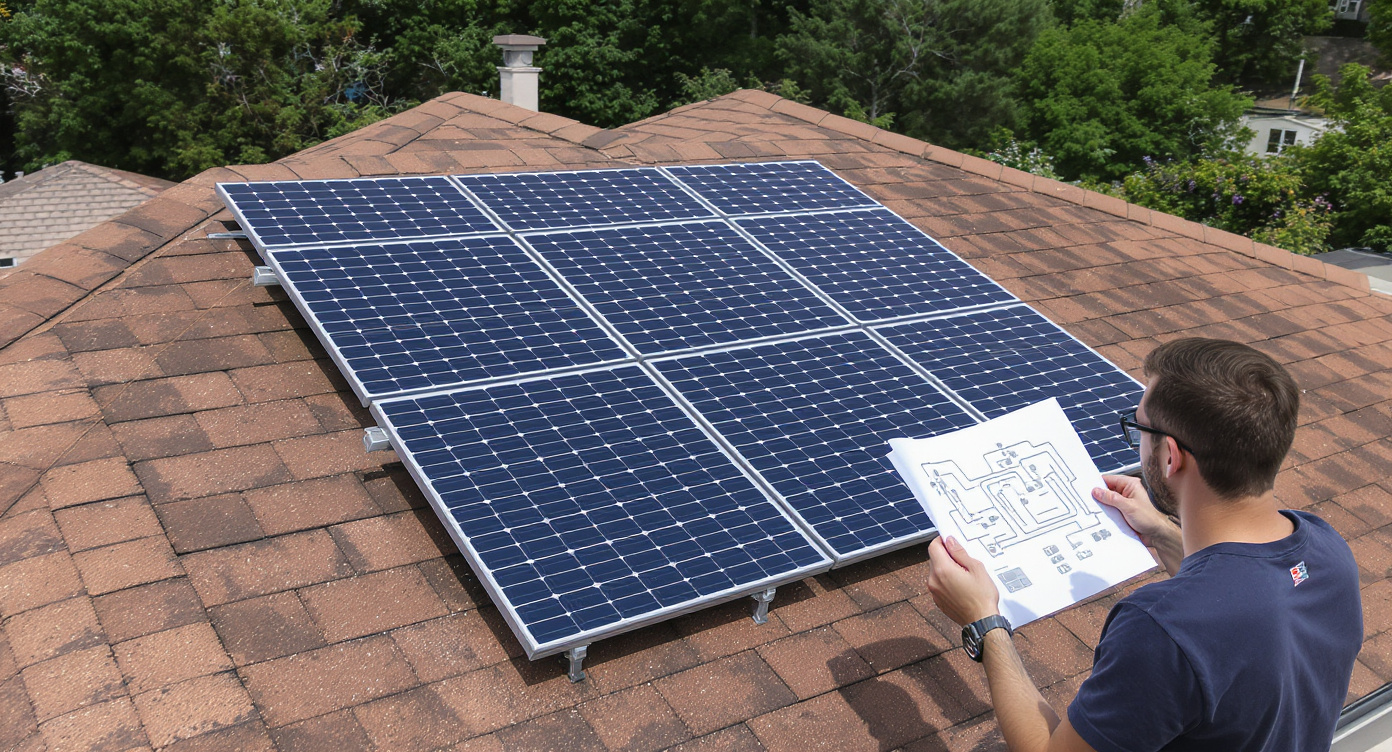
There’s no single universal wiring diagram here — the right method depends on whether you have an off-grid system (fully self-contained, no utility connection) or a grid-tied system with battery backup. Let’s break down both.
Method 1: AC Coupling via a Transfer Switch (Grid-Tied + Battery Backup)
If your home solar system is grid-tied — meaning it feeds power back to the utility grid — you’ll almost certainly need a transfer switch (a device that safely switches your home’s electrical load between two power sources, preventing backfeed that could electrocute utility workers). The generator connects to the transfer switch, which then feeds your home’s panel. Your solar inverter (a device that converts the DC electricity your panels produce into the AC electricity your home uses) stays connected on its own circuit.
In this setup, the generator and solar aren’t running into each other simultaneously — the transfer switch selects one source at a time, or a more advanced automatic transfer switch (ATS) manages the handoff automatically. This is the safest and most code-compliant approach for most residential installs.
Method 2: DC Coupling Through a Charge Controller (Off-Grid Systems)
In a fully off-grid system, your solar panels charge a battery bank through a charge controller (a regulator that prevents overcharging by managing the voltage and current flowing from panels to batteries). A generator can feed into this same battery bank, but the connection method matters enormously. You have two options:
- Direct AC-to-battery charging: Run the generator’s AC output through a battery charger or inverter-charger (a combined unit that both inverts battery power to AC and charges the battery from an AC source). This is the most common and practical method for off-grid setups.
- DC coupling via a dedicated input: Some advanced charge controllers and all-in-one hybrid inverters have a dedicated generator input that handles this automatically, including auto-start triggers when battery levels drop below a set threshold.

What Equipment Do You Actually Need?
Before you start running cables, here’s a realistic checklist of what a proper generator-to-solar hookup typically requires:
- A compatible generator — ideally an inverter generator (a generator that produces clean, stable sine-wave power suitable for sensitive electronics) rather than a conventional open-frame unit, which can produce power spikes that damage solar equipment.
- A transfer switch or ATS — required for grid-tied homes; strongly recommended for any setup where the generator feeds a shared load panel.
- An inverter-charger — if you’re off-grid, this single unit handles both the battery charging from the generator and the power inversion for your loads.
- Proper gauge wiring and breakers — undersized wire is one of the most common and dangerous mistakes in DIY energy setups.
- A battery management system (BMS) — especially if you’re using lithium batteries, which require precise charge/discharge monitoring.
If you’re newer to the solar side of this equation and want to understand the full system before adding a generator, reading about what a solar generator actually is gives you a solid foundation for understanding how these components interact.
Inverter Generator vs. Conventional Generator: Does It Matter for Solar?
Absolutely yes — and this is where many DIYers make an expensive mistake. Conventional generators produce power with a relatively “dirty” waveform (voltage and frequency that fluctuates more than utility power). When that output runs through a battery charger or inverter-charger connected to your solar system, those fluctuations can cause the charger to work inefficiently, or in some cases, trip protective circuits repeatedly.
An inverter generator produces a clean sine wave that mimics utility power closely, making it far more compatible with solar charge equipment. They’re also quieter and more fuel-efficient at partial loads — which is exactly how you’ll run a generator when solar is handling part of your load. For a deeper look at how these two generation types stack up, the solar vs. gas generator breakdown covers the efficiency and cost angles in detail.
Step-by-Step: Connecting a Generator to an Off-Grid Solar System
Here’s a practical walkthrough for the most common DIY scenario — an off-grid or hybrid system with a battery bank and inverter-charger:
- Size your generator correctly. Your generator’s output wattage should meet or exceed the input wattage your inverter-charger needs to charge your batteries at the desired rate. If your battery bank is 10 kWh and you want to recharge it in roughly 4-5 hours, you need a generator capable of sustained output around 2,000-3,000W minimum — accounting for losses in the charging process.
- Install the inverter-charger. Units like the Victron MultiPlus or Schneider Electric XW series are purpose-built for this. They connect to your battery bank on the DC side and accept generator (or grid) AC input on the AC side.
- Wire the generator to the AC input of the inverter-charger. Use appropriately rated cable (consult your inverter-charger manual for minimum wire gauge) and install a breaker between the generator output and the inverter-charger input.
- Configure the charge settings. Set your inverter-charger’s bulk, absorption, and float voltage levels to match your battery chemistry (AGM, lithium, flooded lead-acid all have different profiles).
- Test with a low-load run first. Start the generator, let it warm up for 30-60 seconds, then connect the load. Monitor voltage and current at the battery bank to confirm charging is occurring at expected levels.
- Set auto-start thresholds (optional but recommended). Many inverter-chargers can signal a compatible generator to start automatically when battery state-of-charge drops below a set percentage — eliminating the need to manually intervene.
Insider Tip: Don’t run your generator at full rated load when charging batteries through an inverter-charger. Most manufacturers recommend operating generators at 70-80% of rated capacity for longevity and stable output. If your inverter-charger can pull 3,500W, use a 4,500-5,000W generator rather than a 3,500W unit running flat-out.
Grid-Tied Homes: The Transfer Switch Approach
For a grid-tied home solar system, the generator connection is simpler in concept but requires careful compliance with local electrical codes. The generator connects to a transfer switch installed between the utility meter and your main panel. When grid power fails, the transfer switch (either manually or automatically) disconnects the utility feed and connects the generator.
Your solar inverter, if it’s a standard grid-tied unit, will typically shut down during a grid outage as a safety measure — this is called anti-islanding protection. If you want solar to continue operating during an outage alongside a generator, you need either a hybrid inverter with islanding capability or a battery backup system that creates a local “island” grid for your home.
Insider Tip: If you’re considering whether solar alone could handle your home’s full load without a generator in the mix, the article on whether a solar generator can power a house gives you realistic capacity benchmarks to work from.

Honest Pros and Cons of Adding a Generator to Your Solar System
- Pro: Eliminates the “low battery anxiety” that comes with solar-only off-grid setups during extended cloudy periods.
- Pro: Allows you to size your battery bank smaller (and spend less) because the generator covers the gap on bad solar days.
- Pro: Provides a fast recharge path — a good inverter-charger can replenish a depleted battery bank in hours rather than waiting for sun.
- Con: Adds fuel cost and maintenance (oil changes, spark plugs, storage, stabilizer for long-term storage) to what would otherwise be a zero-fuel system.
- Con: Noise and emissions — even the quietest inverter generators produce some sound and exhaust, which matters in residential neighborhoods or campgrounds.
- Con: The integration hardware (inverter-charger, transfer switch, proper wiring) adds upfront cost and installation complexity.
- Con: Requires periodic test runs to keep the generator in working condition, even if you rarely need it.
Top Equipment Picks for Connecting a Generator to a Solar System
Victron Energy MultiPlus-II 3000VA Inverter-Charger
Brand: Victron Energy
Key Specs: 3,000VA continuous inverter output, 120A battery charger, 50A AC input, compatible with lithium and lead-acid batteries, programmable via VictronConnect app
Why it fits: The MultiPlus-II is the gold standard for off-grid generator-solar integration. Its PowerAssist feature lets it supplement generator output with battery power during demand spikes, so you can use a smaller generator without overloading it.
Honda EU2200i Inverter Generator
Brand: Honda
Key Specs: 2,200W maximum output, 1,800W rated output, clean sine wave, under 48-57 dB at rated load, parallel-capable (two units can be linked for double the output)
Why it fits: The EU2200i produces the clean sine-wave output that solar charge equipment demands, runs quietly enough for residential use, and is fuel-efficient enough to make sense as a supplemental source rather than a primary one.
Generac Guardian 22kW Standby Generator with Automatic Transfer Switch
Brand: Generac
Key Specs: 22kW output, natural gas or LP fuel, integrated ATS, whole-home coverage, auto-start on grid failure
Why it fits: For grid-tied homeowners with a larger solar array and battery backup, the Guardian handles the whole-home load seamlessly while your solar-plus-battery system handles daytime operation. The integrated ATS removes the need for a separate transfer switch purchase.
Schneider Electric XW Pro 6,848W Hybrid Inverter-Charger
Brand: Schneider Electric
Key Specs: 6,848W continuous output, 80A battery charger, accepts generator or grid AC input, grid-forming capability for islanding, stackable for larger systems
Why it fits: For larger off-grid or hybrid homes that need robust generator integration alongside a substantial solar array, the XW Pro handles high-demand loads while managing generator start/stop automatically based on battery state-of-charge.
Reliance Controls 30-Amp Manual Transfer Switch Kit
Brand: Reliance Controls
Key Specs: 30A, 7,500W capacity, 10-circuit selection, compatible with most portable generators, includes power inlet box and 10-ft cord
Why it fits: For grid-tied homeowners who want a code-compliant, affordable way to connect a portable generator to their home without a full standby system, this manual transfer switch covers essential circuits while keeping solar and generator safely isolated.

Frequently Asked Questions
Can I run my generator and solar panels at the same time?
In most off-grid setups with an inverter-charger, yes — the inverter-charger manages both inputs simultaneously, prioritizing solar and supplementing with generator power as needed. In grid-tied setups with a standard transfer switch, they typically operate separately rather than simultaneously, unless you have a hybrid inverter designed for parallel operation.
Will adding a generator void my solar warranty?
Not if the connection is made correctly through proper isolation equipment (transfer switch or inverter-charger). What can void warranties is feeding generator power directly into solar equipment without appropriate protection. Always follow the solar inverter manufacturer’s wiring guidelines.
How do I know what size generator I need for my solar system?
Start with your inverter-charger’s maximum AC input current rating and multiply by your system voltage to get wattage. Add a 20-25% buffer for generator longevity. For a more thorough approach to matching capacity to your needs, the guide on choosing the right solar generator size walks through the load calculation process in detail.
Does a generator charge batteries faster than solar panels?
Often yes, especially in poor weather — a properly sized generator running through a quality inverter-charger can push significantly more current into a battery bank than a modest solar array on a cloudy day. That said, solar charges for free once the panels are paid off. Understanding how long solar generators last helps you factor total cost of ownership into that comparison.
Is it safe to DIY a generator-to-solar connection?
The battery-side wiring and inverter-charger configuration is within reach for a capable DIYer following manufacturer instructions. However, anything touching your home’s main electrical panel — including transfer switch installation — should be done by a licensed electrician to meet code and protect your home insurance coverage.
What if I want a fully portable setup rather than a fixed installation?
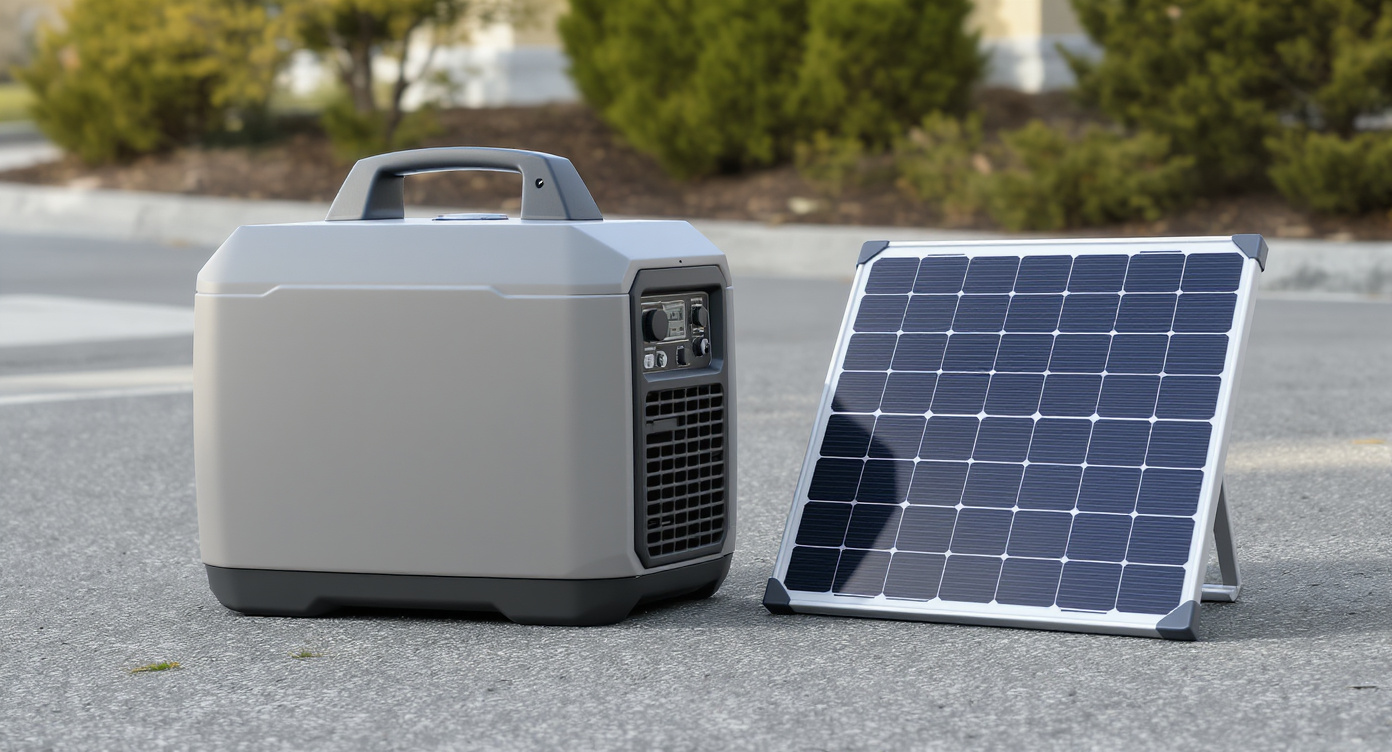
Portable power stations with solar input ports already have built-in inverter-charger functionality in a compact unit. Many also accept AC charging from a portable generator through a standard outlet. If you’re curious about building a more self-contained portable system, the solar generator build guide covers the component-by-component approach, and understanding solar generator pricing helps you decide whether to build or buy.
Conclusion: Two Systems, One Reliable Energy Setup
Hooking up a generator to a solar system isn’t as complicated as it might look on a wiring diagram — but it does require the right equipment, the right method for your system type, and an honest assessment of your power needs. Whether you’re connecting a portable inverter generator to a modest off-grid cabin setup or integrating a whole-home standby generator with a grid-tied solar array and battery backup, the fundamentals are the same: keep the sources properly isolated, use quality inverter-charger or transfer switch hardware, and size everything with a real load calculation rather than a guess.
The payoff is a genuinely resilient energy system — one where solar handles your everyday needs efficiently, and the generator steps in without drama when conditions demand it. If you’re still exploring what role solar plays in your overall energy picture, it’s worth reading about whether solar panels eliminate the need for a generator entirely — the answer might surprise you. Ready to take the next step? Browse the equipment guides on Solarasphere to find the inverter-charger, transfer switch, or generator that fits your specific system.