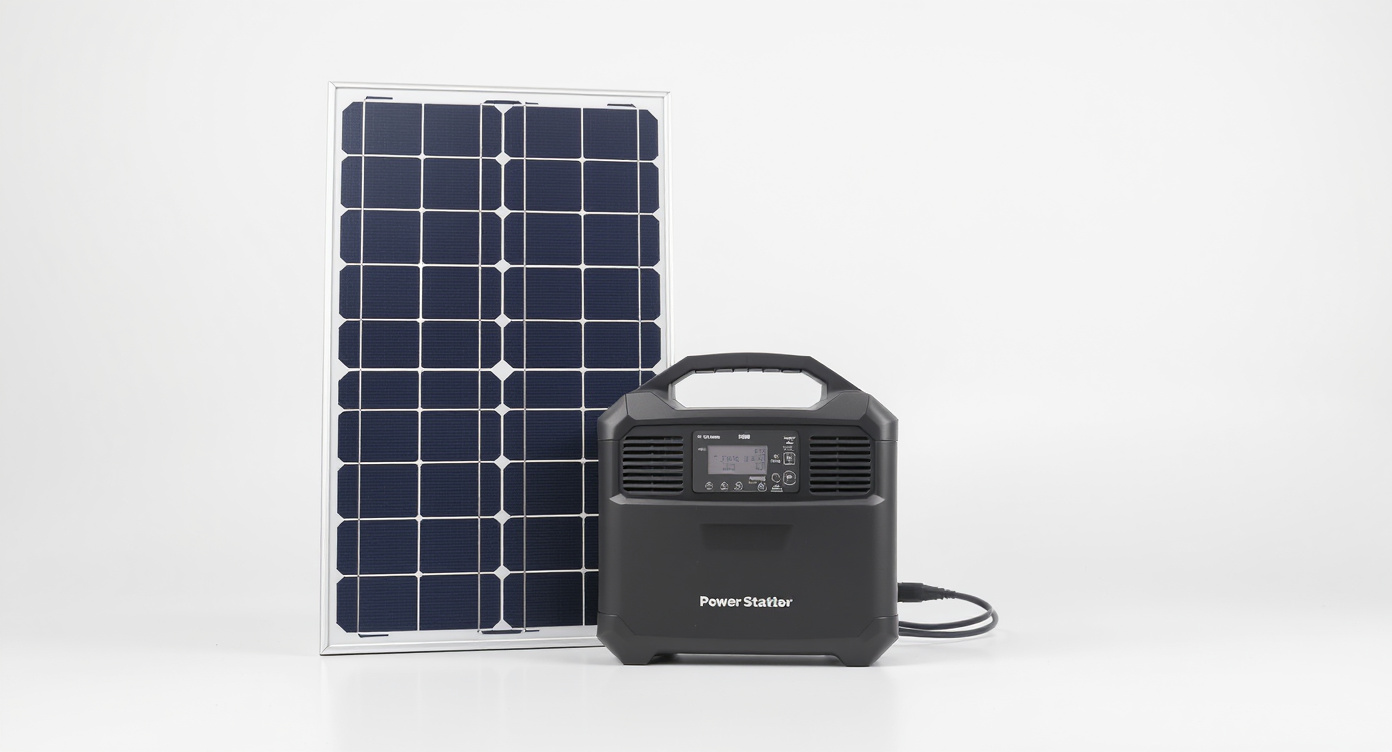
Here’s a question that splits households right down the middle: when the grid fails or you need reliable off-grid power, do you reach for a gas generator or invest in a solar setup? The solar vs gas generator debate isn’t just about fuel costs — it’s about how you live, where you live, and what you’re actually trying to power. And the honest answer is that neither option wins every category. Let’s break down exactly where each technology shines, where it stumbles, and how to make a decision you won’t regret two years from now.
Think of it this way: choosing between solar and gas power is a bit like choosing between a wood-burning fireplace and a heat pump. One is immediate, familiar, and works regardless of what the sky is doing; the other takes more upfront planning but runs cleaner, quieter, and cheaper over time. Neither is universally “better” — context is everything.
What’s Actually Being Compared Here?
Before diving into the numbers, it helps to clarify what we mean by each option. A gas generator is a combustion engine — typically fueled by gasoline, propane, or diesel — that spins an alternator to produce electricity on demand. A solar generator (also called a portable power station paired with solar panels) captures sunlight through photovoltaic panels, stores it in a battery pack, and delivers it through an inverter (a device that converts stored DC power into the AC electricity your appliances use). You can read a full breakdown of how these systems work in our guide on what a solar generator is and how it works.
Both systems can serve as home backup, off-grid cabin power, or portable energy for camping and job sites. But they do it in fundamentally different ways — and those differences matter a lot depending on your situation.

How Do the Real-World Costs Stack Up?
Upfront cost is usually where gas generators win the first round. A capable inverter generator (the quieter, more fuel-efficient type) runs anywhere from a few hundred to a couple thousand dollars. A comparable solar setup — panels, a quality power station with meaningful battery capacity, and the necessary cables — typically costs more at purchase. If you want to understand the full pricing picture, our article on solar generator costs walks through what drives those numbers.
Where solar flips the equation is in ongoing expenses. Gas generators need fuel — constantly. During extended outages or in remote locations, sourcing gasoline can be genuinely difficult and expensive. Add in oil changes, spark plug replacements, carburetor cleaning, and the occasional repair, and the true cost of gas power climbs steadily over time. Solar, once installed, runs on sunlight. Maintenance is minimal. The panels themselves can last 25 years or more, and modern lithium battery packs are rated for hundreds to over a thousand charge cycles before meaningful capacity loss. Our deep dive on how long solar generators last covers this in detail.
Quick Answer: Gas generators cost less upfront and deliver more raw power on demand, but solar generators have lower long-term operating costs, zero fuel dependency, and near-silent operation. For short, infrequent outages, gas often wins on value. For frequent use, off-grid living, or situations where fuel access is uncertain, solar typically comes out ahead.
Power Output: Where Gas Still Has the Edge
Let’s be direct about this: gas generators can produce a lot of power. Mid-range portable gas units commonly output 3,000–7,500 watts continuously, and larger standby generators can power an entire home. Solar generators are catching up fast, but most portable units top out at 2,000–3,000 watts of continuous output, with only the largest whole-home solar battery systems matching gas on raw wattage.
This matters most when you’re trying to run high-draw appliances. Questions like whether a solar generator can power an air conditioner or whether it can handle a space heater come down to wattage — and the honest answer is “sometimes, with the right unit.” Gas generators rarely have this problem. If you need to run a 240V well pump, a large central AC, or multiple power tools simultaneously, gas still holds the advantage for most people’s budgets.
That said, sizing a solar generator correctly for your actual load can close this gap considerably. Many homeowners discover they don’t need to power everything at once — just the essentials — and a well-sized solar setup handles that without breaking a sweat.
Runtime and Reliability: A Tale of Two Fuel Sources
Here’s where the comparison gets genuinely interesting. A gas generator’s runtime is directly tied to how much fuel you have stored. With a full tank and a few extra jerry cans, you could theoretically run it for days. But storage has limits — gasoline degrades over time (typically within a few months without a stabilizer), and most local regulations cap how much you can safely keep on hand.
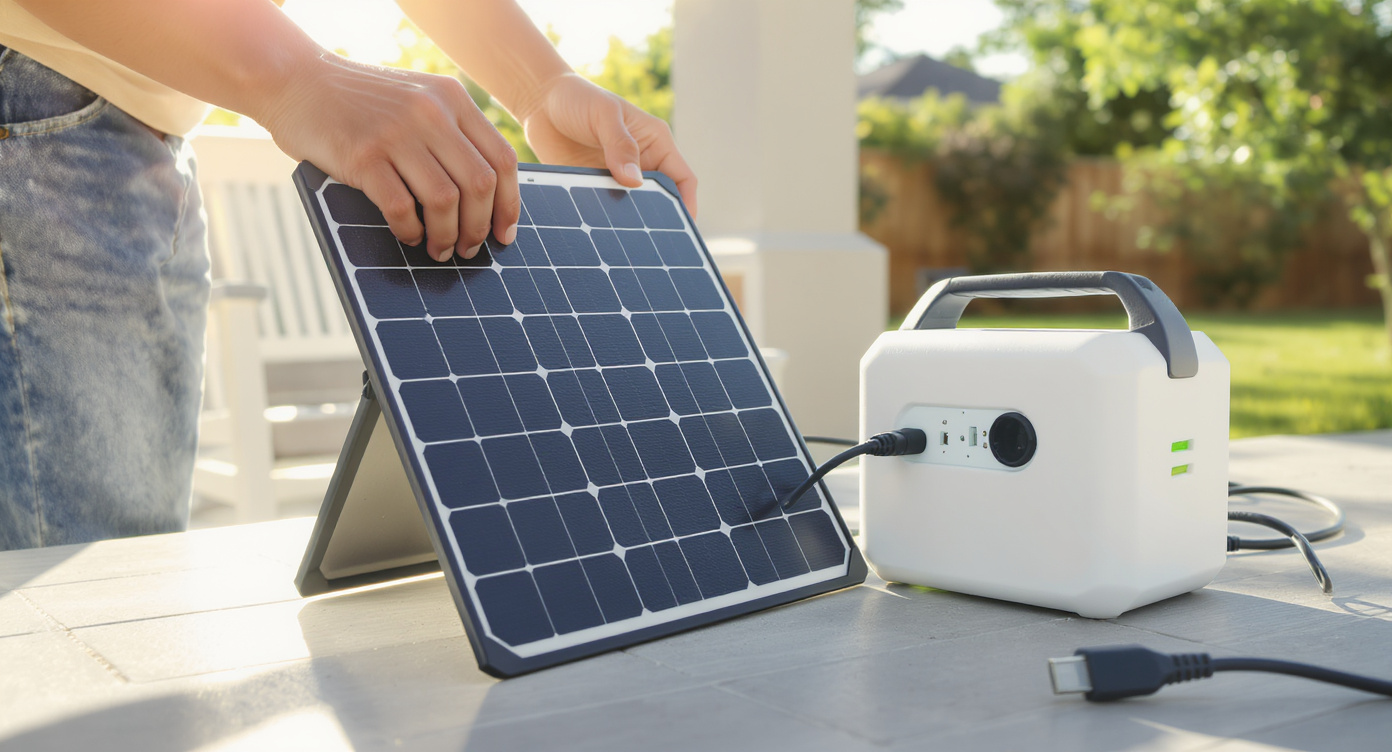
Solar generators, on the other hand, refuel themselves — as long as the sun is out. For multi-day outages in sunny climates, a solar setup with adequate panel wattage can keep a battery fully topped up indefinitely. The vulnerability is obvious: cloudy weather, short winter days, and shading all reduce charging speed. A solar generator sitting in three days of heavy overcast will eventually run down its battery if you’re drawing power faster than the panels can replenish it.
So which is more reliable? It depends on your threat model. If you’re preparing for hurricane season in the Southeast, extended cloud cover often accompanies the storms that knock out your power — which is exactly when solar charging slows down. If you’re powering an off-grid cabin in the Southwest where 300+ sunny days per year is the norm, solar is remarkably dependable. Many experienced preppers and off-gridders use both: solar as the primary, gas as the emergency fallback. You can learn how that kind of hybrid approach works in our guide to connecting a generator to a solar system.
Noise, Emissions, and the Neighbors
This category isn’t even close. Gas generators are loud — even the quieter inverter models produce 50–65 decibels at a distance, roughly equivalent to a normal conversation at close range, running continuously for hours. Conventional generators can hit 70–80+ dB. That’s exhausting to live with, and in many campgrounds, HOA communities, and urban settings, it’s outright prohibited after certain hours.
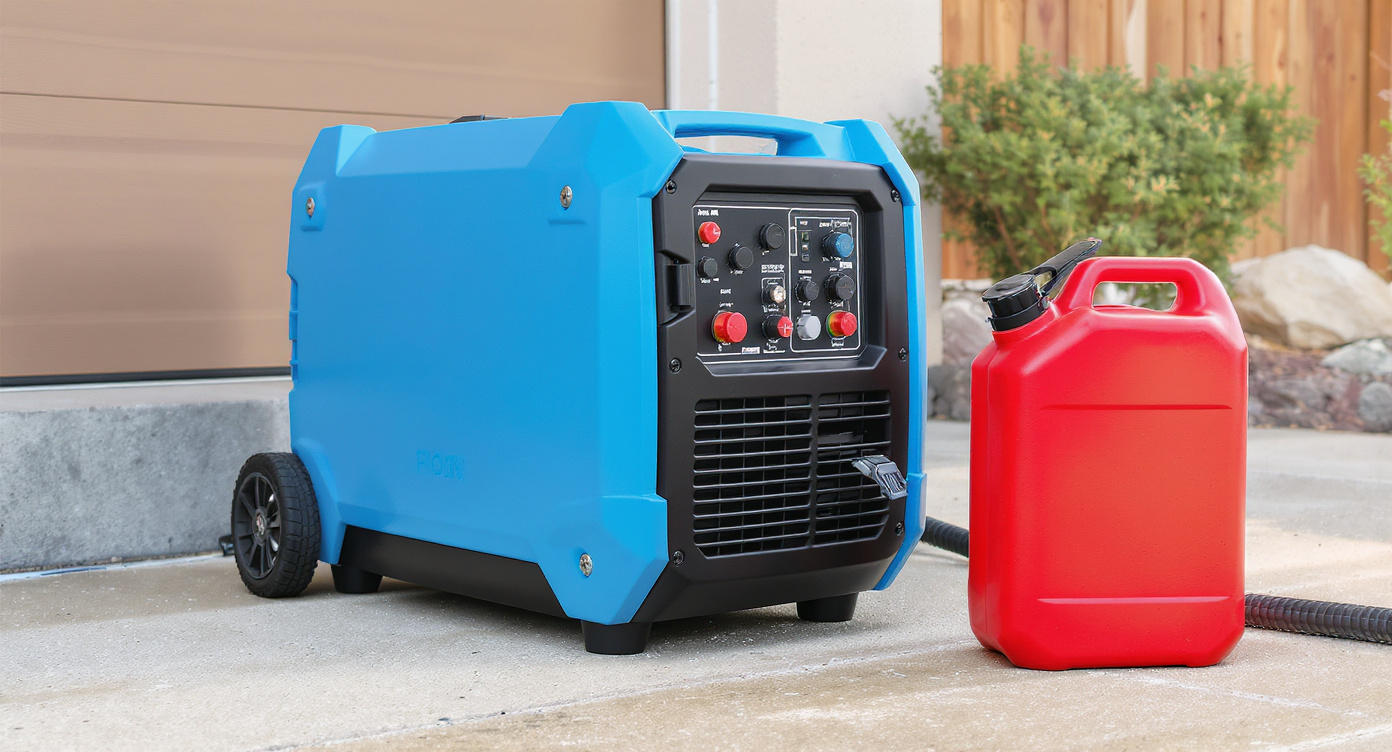
Solar generators operate in near-complete silence. No combustion, no exhaust, no carbon monoxide risk. That last point is critical: gas generators must never be operated indoors or in garages, even with doors open. CO poisoning from generators causes dozens of preventable deaths every year. Solar power stations can sit right next to you in a living room, camper, or tent with zero safety concern.
Insider Tip: If you’re using a gas generator in an HOA neighborhood or during nighttime outages, check local ordinances before you buy. Some areas have strict noise and emissions restrictions that make certain generators non-starters regardless of their power output.
Portability and Setup Complexity
Both technologies have portable options, but the experience differs. A portable gas generator needs fuel on hand, usually requires a pull-start or electric start, needs to be set up outside, and requires proper grounding and transfer switch installation if you’re connecting it to home circuits. It’s not complicated, but there are real safety steps involved. Our guide on how to build a solar generator shows that solar setups, by contrast, can be as simple as plugging panels into a power station and pressing a button.
For camping, van life, or RV use, solar wins on convenience almost every time. No fuel to haul, no fumes, no noise rules to worry about at the campsite. The fastest-charging models can recover significant capacity in just a few hours of direct sun — and if you want to know which units recharge the quickest, our breakdown of the fastest charging solar generators is worth a read before you buy.
Pros and Cons at a Glance
Gas Generator
- Pro: High continuous power output — handles heavy loads like central AC and well pumps
- Pro: Works regardless of weather or sunlight availability
- Pro: Lower upfront cost for comparable wattage
- Con: Ongoing fuel costs; fuel degrades and can be hard to source during emergencies
- Con: Loud operation; many environments prohibit or restrict use
- Con: Carbon monoxide risk; must be used outdoors only
- Con: Requires regular maintenance (oil, filters, spark plugs)
Solar Generator
- Pro: Zero fuel cost; recharges from free sunlight
- Pro: Silent, emission-free, safe for indoor use
- Pro: Minimal maintenance; long lifespan with quality lithium batteries
- Pro: Simple plug-and-play setup; no exhaust or grounding concerns
- Con: Higher upfront investment for equivalent capacity
- Con: Output and recharge rate depend on sunlight availability
- Con: Most portable units can’t match the raw wattage of large gas generators
Can a Solar Generator Actually Power a House?
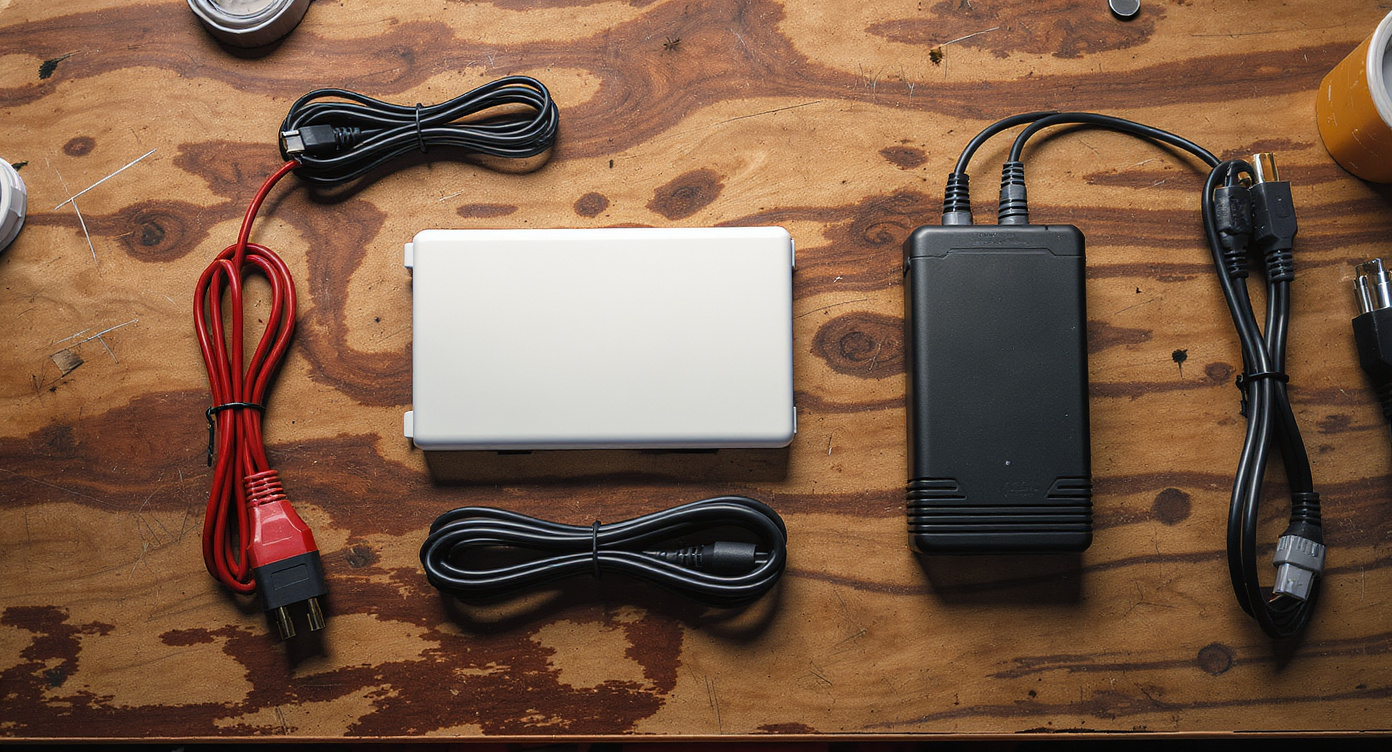
This is the question that stops a lot of people in their tracks. The answer is nuanced: a portable solar generator can power essential circuits in a home — refrigerator, lights, phone charging, a router, maybe a window AC unit — but replacing a whole-home standby generator with a portable solar unit isn’t realistic for most households. Whole-home solar battery systems (like large-format wall-mounted lithium units paired with rooftop arrays) can genuinely replace grid power for days at a time, but those are a different product category with a significantly higher price tag. Our dedicated article on whether a solar generator can power a house goes deep on this question with realistic load examples.
If you already have rooftop solar panels installed, you might also be wondering whether you even need a generator at all. The answer might surprise you — check out our piece on whether solar panel owners still need a generator for a clear-eyed look at grid-tied vs. battery-backed systems.
Top Products Worth Considering for Each Side
EcoFlow DELTA Pro
Brand: EcoFlow
Capacity: 3,600 Wh | Output: 3,600W AC (7,200W surge) | Charging: Up to 1,600W solar input
A flagship solar generator for serious home backup. Expandable battery capacity and rapid solar charging make it one of the most capable portable solar options for whole-home essential circuit coverage.
Jackery Explorer 2000 Pro
Brand: Jackery
Capacity: 2,160 Wh | Output: 2,200W AC | Weight: ~43 lbs
Excellent balance of portability and power for camping, RV trips, and moderate home backup. Pairs well with Jackery’s foldable SolarSaga panels for fast field recharging.
Honda EU2200i Inverter Generator
Brand: Honda
Output: 2,200W (2,500W surge) | Noise: ~48–57 dB | Runtime: ~8 hours at 25% load
The gold standard in quiet, fuel-efficient gas generators. Ideal when you need reliable power in any weather and solar recharging isn’t feasible. Parallel-capable for doubled output.
Champion 3500-Watt Dual Fuel Inverter Generator
Brand: Champion Power Equipment
Output: 3,500W (4,000W surge) | Fuel: Gasoline or propane | Noise: ~58 dB
Dual-fuel flexibility is a real advantage during emergencies when gasoline is scarce. Propane stores indefinitely, making this a strong choice for extended outage preparedness.
Bluetti AC200MAX + B230 Expansion Battery
Brand: Bluetti
Base Capacity: 2,048 Wh (expandable to ~8,192 Wh) | Output: 2,200W AC | Solar Input: Up to 900W
The expandable battery system makes this a compelling solar generator for those who want to grow their capacity over time without buying a new unit. Great for off-grid cabins and heavy home use.

Frequently Asked Questions
Can I use a solar generator and a gas generator together?
Yes, and many experienced off-gridders do exactly this. Solar handles the day-to-day load while the gas generator serves as a backup when battery reserves run low or during extended cloudy periods. Some solar power stations even accept generator input as one of their charging sources, making integration straightforward.
Which is better for long-term power outages lasting several days?
It depends heavily on your location and weather. In sunny climates, a well-sized solar setup can sustain essential loads indefinitely. In consistently overcast conditions, a gas generator with stored fuel may be more dependable for multi-day outages — but fuel supply becomes the limiting factor the longer the outage lasts.
Are solar generators worth it if I only lose power a few times a year?
Possibly, but the math changes. If you’re only using backup power two or three times annually, the lower upfront cost of a gas generator may make more financial sense in the short term. However, solar generators are also useful for camping, outdoor events, and reducing grid consumption day-to-day — so their value extends beyond pure emergency backup.
What maintenance does a solar generator actually require?
Very little. Keep the solar panels clean (dust and debris reduce efficiency), store the battery within recommended temperature ranges, and avoid regularly draining the battery to zero. That’s essentially it. No oil, no filters, no fuel stabilizer — a significant advantage over gas-powered alternatives.
Is a solar generator safe to run inside a house?
Yes — solar generators produce no exhaust and no carbon monoxide, so they’re completely safe for indoor use. This is one of their most underappreciated advantages, especially compared to the serious CO risk associated with gas generators.
The Bottom Line: Which Should You Choose?
The solar vs gas generator decision ultimately comes down to three things: how often you’ll use it, where you’ll use it, and how much you value fuel independence. If you need maximum raw power in all weather conditions and you’re only running backup power occasionally, a quality inverter generator is a proven, cost-effective choice. If you want a system that recharges itself, runs silently, requires almost no maintenance, and can serve double duty for camping and everyday use, a solar generator is increasingly the smarter long-term investment.
For a broader look at how these two technologies compare across even more scenarios, our comprehensive solar vs generator comparison guide covers everything from whole-home setups to weekend camping trips. And if you’re curious about building your own hybrid system from scratch, the step-by-step walkthrough in our solar generator build guide is a great place to start.
Whatever you decide, you’re better off having thought it through now than scrambling when you actually need power. Take stock of your real energy needs, your typical weather patterns, and your budget — then choose the tool that fits your life, not just the one with the biggest marketing budget.