Most people don’t think seriously about backup power until they’re standing in a hardware store aisle, staring at a wall of products they’ve never researched, with a major storm three days out. If you’re reading these be prepared solar generator reviews before that moment arrives — good for you. You’re already ahead of the curve. This guide is built for the first-time buyer who wants clear, honest guidance on choosing a solar generator that actually matches their needs, without wading through spec sheets that feel like they were written for electrical engineers.
Solar generators have matured enormously over the past five years. The options range from compact units that can charge your phone and run a small fan, all the way to whole-home backup systems capable of running a refrigerator, medical equipment, and a window AC unit simultaneously. Knowing where you fall on that spectrum — and what specs actually matter — is the whole game.
What Exactly Is a Solar Generator? (Quick Answer)
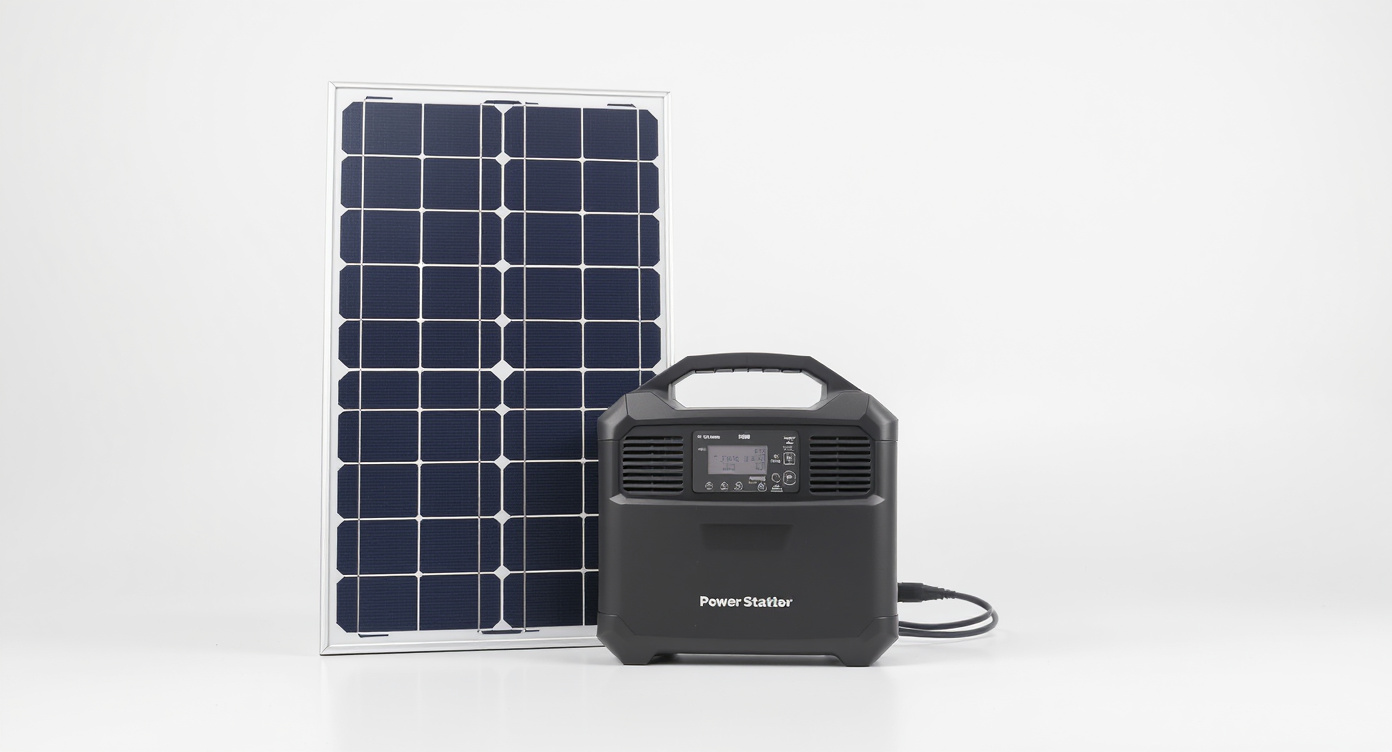
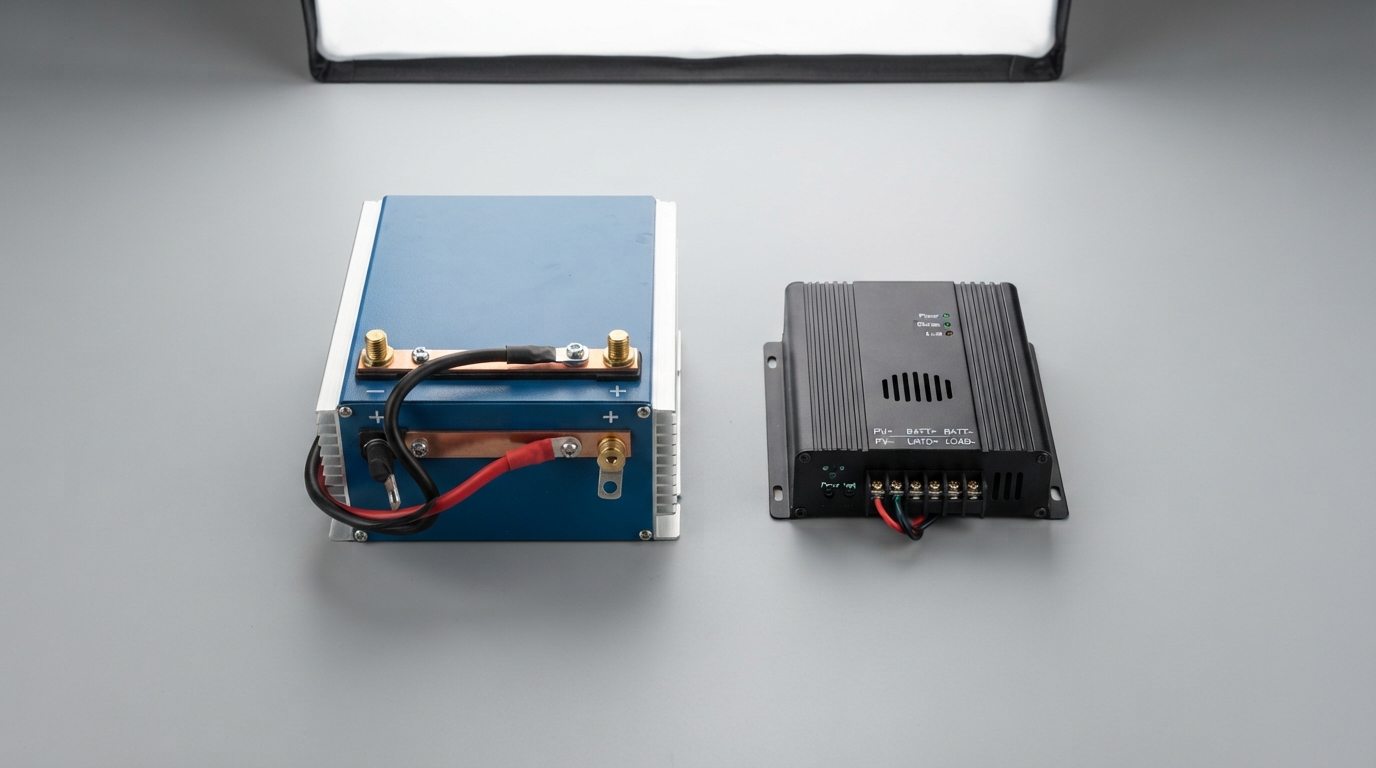
A solar generator is a portable or semi-portable energy system that combines a lithium battery bank (the storage unit), a charge controller (which regulates incoming solar power to protect the battery), an inverter (a device that converts the battery’s DC power into the AC power your appliances use), and often a built-in MPPT charge controller (Maximum Power Point Tracking — a smarter type that squeezes more efficiency out of your solar panels). Solar panels sold separately feed the unit, which then stores and delivers power on demand.
Unlike a gas generator, there’s no fuel to store, no carbon monoxide risk, and no engine noise. The tradeoff is that recharge speed depends on sunlight availability and the wattage of panels you connect.
Before You Buy: The Three Numbers That Actually Matter
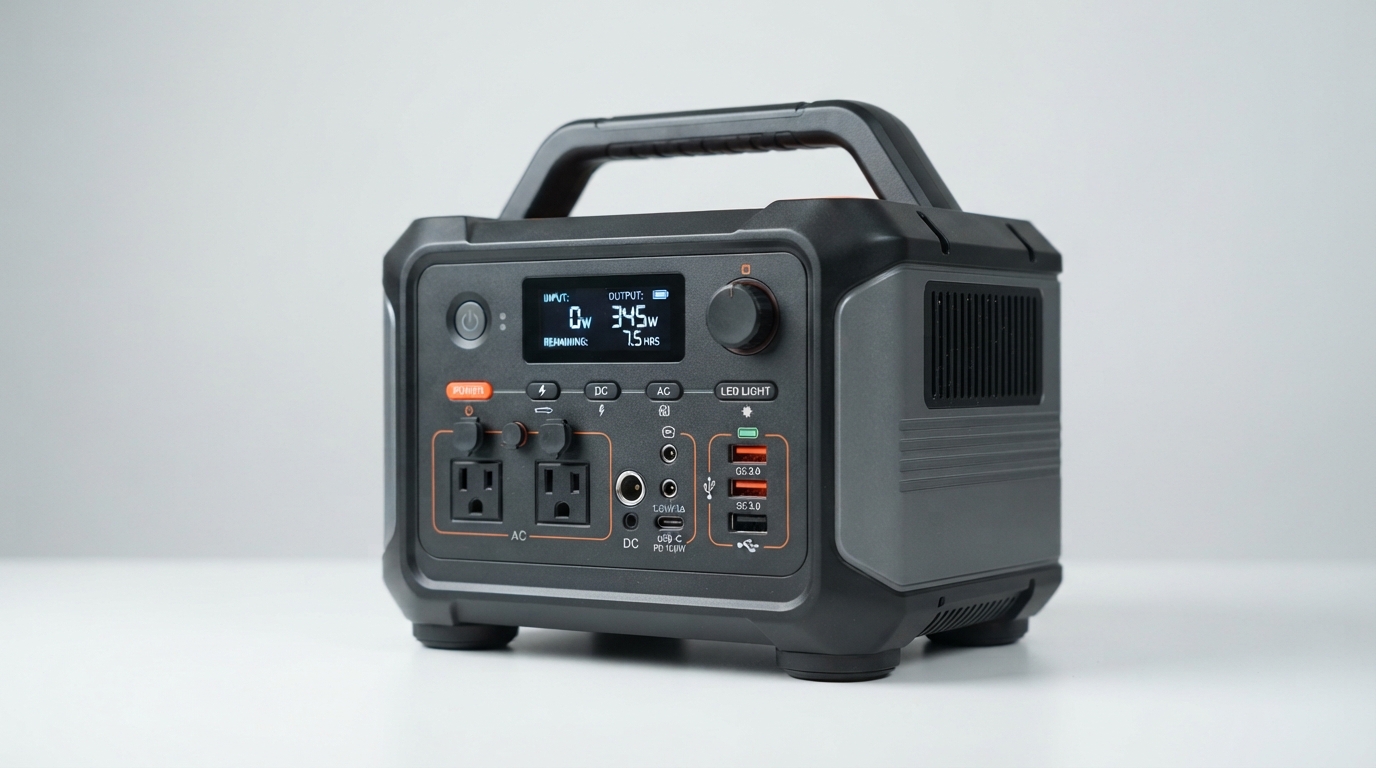
Shopping for a solar generator without understanding these three figures is like buying a car based only on color. Get these right and every other decision becomes easier.
- Capacity (Wh — watt-hours): Think of this as the “fuel tank.” A 1,000Wh unit can theoretically run a 100-watt device for 10 hours. Real-world runtime is slightly less due to inverter efficiency losses, but it’s a reliable planning benchmark.
- Continuous Output (W — watts): This is how much power the unit can deliver at any given moment. A 2,000W continuous output unit can run most refrigerators, a CPAP machine, and several lights simultaneously. Exceed this ceiling and the unit shuts down to protect itself.
- Solar Input (W): The maximum wattage of solar panels the unit can accept at once. A unit with 500W solar input will recharge roughly twice as fast as one limited to 250W — assuming you have panels to match.
Here’s a question worth sitting with before you spend a dollar: What’s the single most important appliance you need to keep running during an outage? A CPAP machine needs far less power than a chest freezer. Your answer to that question should anchor your capacity and output requirements before brand comparisons even begin.
LiFePO4 vs. Standard Lithium-Ion: Does Battery Chemistry Matter?
Yes — more than most product listings let on. LiFePO4 (lithium iron phosphate) batteries have become the gold standard in solar generators for good reason. They offer a significantly longer cycle life (often 2,000–3,500 charge cycles versus 500–800 for standard lithium-ion), better thermal stability (they’re far less prone to overheating), and more consistent performance in cold weather. If you’re comparing units and one uses LiFePO4 while another uses standard lithium-ion at a similar price, the LiFePO4 unit is almost always the better long-term investment. For a detailed breakdown of top-rated units built on this chemistry, the best LiFePO4 solar generator options are worth reviewing as a companion resource.
Step-by-Step: How to Choose Your First Solar Generator
Step 1 — Audit Your Power Needs
Write down every device you’d want to run during an outage. Find the wattage on each device’s label or look it up online. Add those watts together for a “simultaneous load” number. Then estimate how many hours per day each device runs, multiply wattage × hours, and sum everything up for a daily watt-hour requirement. Add 20–25% buffer for inverter losses and you have your minimum capacity target.
Step 2 — Decide on Portability Requirements
A 500Wh unit might weigh 13–15 lbs and fit under a desk. A 2,400Wh unit can weigh 60–70 lbs and needs wheels. If you need something you can grab and go — for camping, an RV, or quick evacuation — weight matters enormously. If it’s staying in your garage as a home backup, a heavier, higher-capacity unit is usually the smarter buy.
Step 3 — Match Your Solar Panel Input
A generator rated for 200W solar input paired with a single 200W panel will recharge in roughly 5–7 hours of good sunlight. Bump that to 400W input with two panels and you halve that time. Check the unit’s maximum VOC (open-circuit voltage — the voltage a panel produces when not under load) before buying panels, because mismatched voltage can damage the charge controller.
Step 4 — Read Verified Reviews Across Multiple Brands
Don’t rely on a single source. Look at what real users say about long-term battery performance, customer support quality, and software updates (many modern units have app connectivity). Comparing Generac solar generator reviews alongside Bluetti solar generator reviews gives you a useful sense of how different manufacturers approach build quality and warranty support.
Step 5 — Consider the Ecosystem
Some brands build modular systems where you can add extra battery packs later. Others are fixed-capacity units. If you think your needs might grow — adding more appliances, expanding to an RV setup, or eventually powering more of your home — a modular, expandable system is worth paying a premium for upfront.
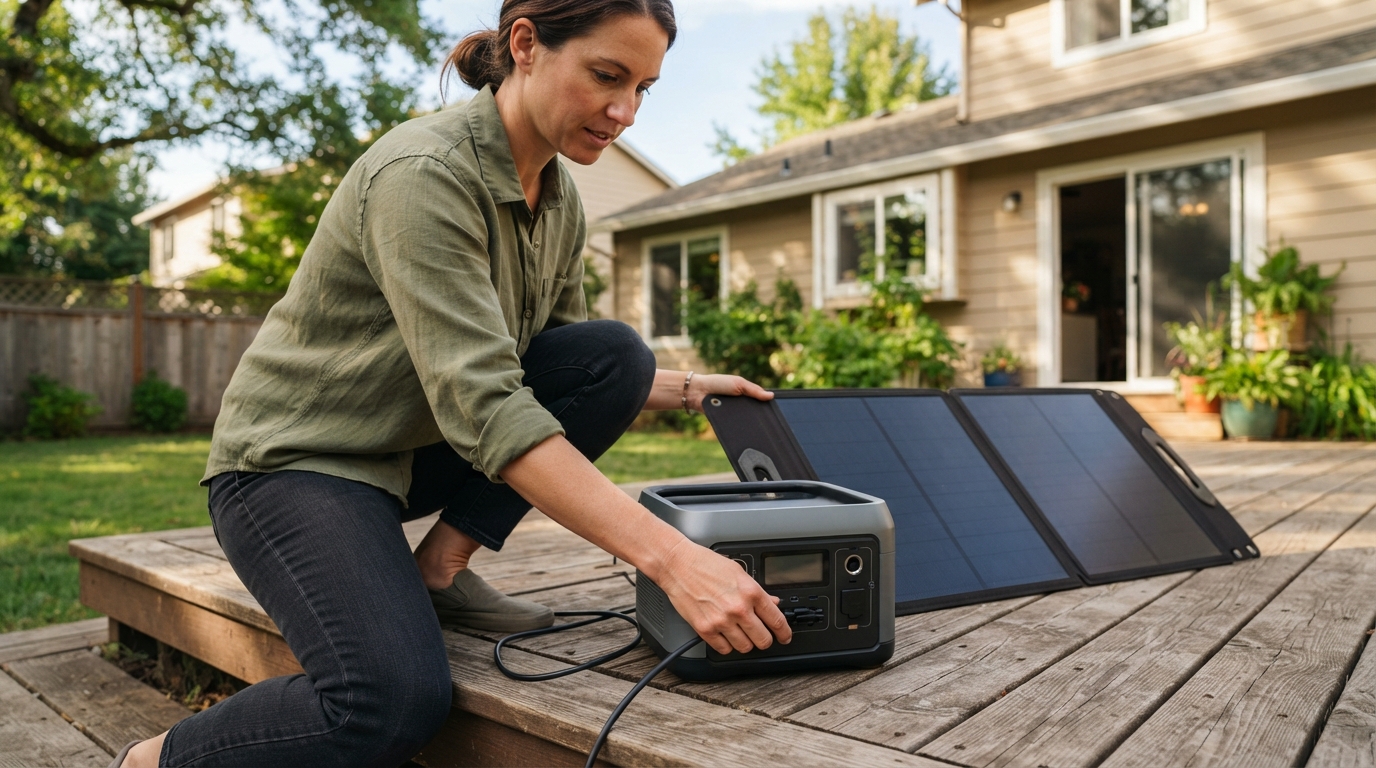
Solar Generator Reviews: Top Picks for First-Time Buyers
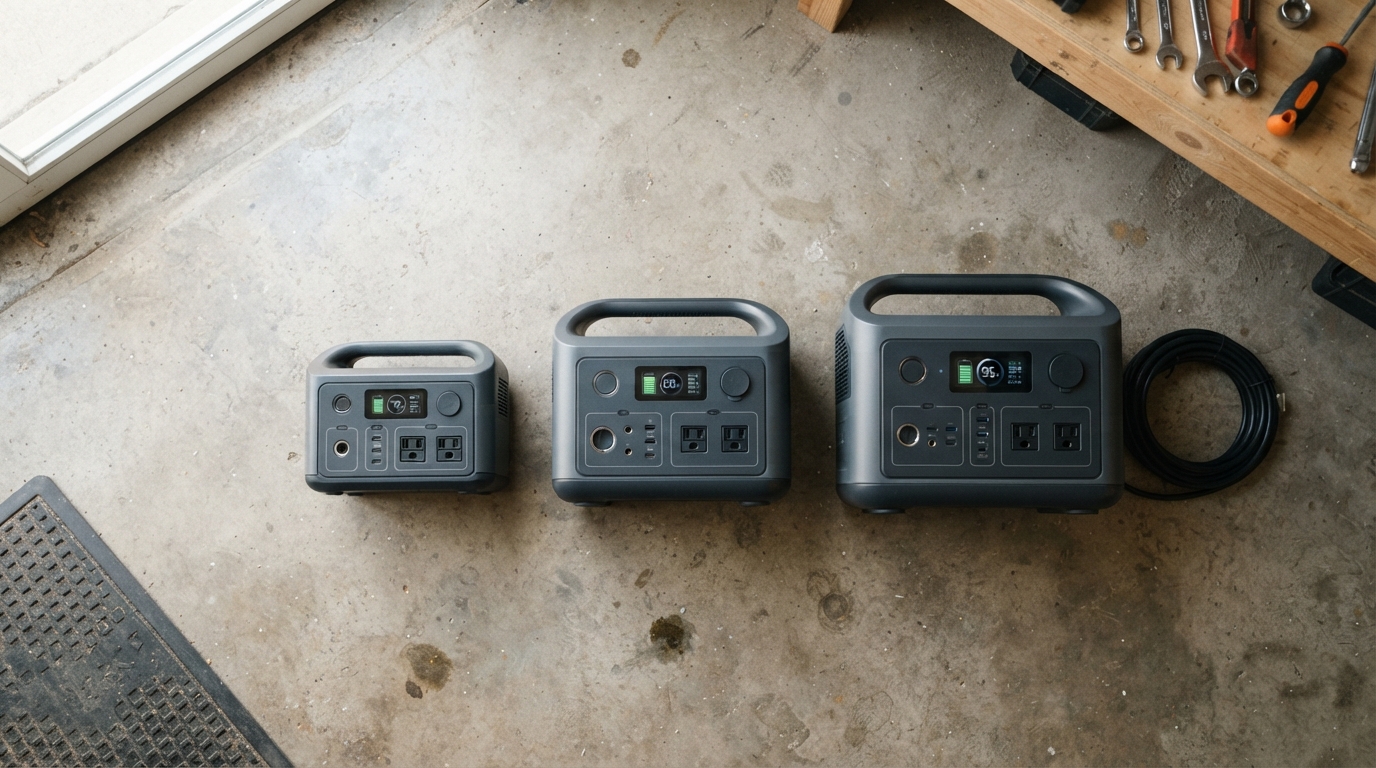
The following picks represent a range of budgets and use cases. Each has been selected based on verified user feedback, brand reputation, and how well the specs align with common first-buyer needs.
Bluetti AC200P
Brand: Bluetti
Key Specs: 2,000Wh LiFePO4 capacity | 2,000W AC output | 700W max solar input | 17 output ports
Why It Fits: An excellent all-around first solar generator for home backup. The LiFePO4 battery delivers long cycle life, the 700W solar input means faster recharges, and the 2,000W output handles most household appliances. Read more in our Bluetti 2400Wh solar generator reviews for context on how the larger sibling compares.
Titan Solar Generator
Brand: Point Zero Energy
Key Specs: 2,000Wh base capacity (expandable) | 3,000W AC output | 2,000W solar input | stackable battery design
Why It Fits: The Titan is a standout for buyers who anticipate growing needs. Its stackable battery system lets you add capacity over time, and the 2,000W solar input is exceptional for fast recharging. Detailed Titan solar generator reviews consistently highlight its expandability as a key differentiator.
Goal Zero Yeti 1250
Brand: Goal Zero
Key Specs: ~1,200Wh capacity | 1,200W AC output | compatible with Goal Zero’s Boulder panel series | lead-acid based (older model)
Why It Fits: A well-established unit with a loyal user base, particularly among campers and weekend preppers. It’s heavier than lithium alternatives, but the brand’s reliability and customer support are frequently praised. The Goal Zero Yeti 1250 solar generator review covers real-world performance in detail.
Patriot Power Generator 1800
Brand: 4Patriots
Key Specs: ~1,800W output | portable design | solar-compatible | marketed toward preparedness-focused buyers
Why It Fits: Popular in the preparedness community for its straightforward setup and rugged marketing. For a thorough breakdown, Patriot solar generator reviews offer useful perspective on where it excels and where higher-spec competitors pull ahead.
Flashfish E200
Brand: Flashfish
Key Specs: ~200Wh capacity | 200W AC output | ~4.4 lbs | budget-friendly entry point
Why It Fits: Ideal for first-time buyers who want to test the solar generator concept without a large financial commitment. Perfect for camping, phone charging, and small device backup. See the full Flashfish solar generator review for a realistic look at what a budget unit can and can’t do.
Honest Pros and Cons of Solar Generators for New Buyers
- ✅ No fuel storage required — no gas cans, no shelf-life concerns
- ✅ Silent operation — usable indoors, in apartments, during quiet hours
- ✅ Low maintenance — no oil changes, no carburetors, no spark plugs
- ✅ Multiple recharge methods — solar, wall outlet, car port
- ❌ Recharge speed depends on weather — cloudy stretches limit solar input
- ❌ Higher upfront cost than comparable gas generators
- ❌ Capacity limits — most portable units can’t run central HVAC or electric dryers
- ❌ Battery degradation over time — though LiFePO4 units degrade far more slowly
Insider Tip #1: When comparing two solar generators with similar watt-hour capacities, check the depth of discharge (DoD) rating. A unit rated for 80% DoD means you can only use 80% of the stated capacity before risking battery damage. A 1,000Wh unit at 80% DoD effectively gives you 800Wh of usable power. LiFePO4 units often allow 80–100% DoD, making their stated capacity much more representative of real-world use.
Insider Tip #2: Don’t overlook the pass-through charging feature. This lets you power devices from the unit while it’s simultaneously being charged by solar panels. Not all units handle this efficiently — some throttle output during simultaneous charging. Check user reviews specifically for pass-through performance if this matters to your setup.
Frequently Asked Questions
Can a solar generator run a refrigerator overnight?
Yes, but capacity matters. A modern energy-efficient refrigerator typically draws 100–200W and runs its compressor intermittently, averaging roughly 1–2kWh per day. A 2,000Wh solar generator can realistically power a standard fridge for 8–12 hours, depending on the fridge’s efficiency and how often the compressor cycles. Units like the Bluetti AC200P or the Titan are well-suited for this. Smaller units under 500Wh are not.
How many solar panels do I need to recharge a solar generator in one day?
Divide the generator’s capacity (in Wh) by the effective solar hours in your area (typically 4–6 hours for most of the U.S.), then match that wattage in panels. A 1,000Wh unit in a 5-hour solar day needs roughly 200W of panels for a full daily recharge. Always check the unit’s maximum solar input limit before buying panels — exceeding it can damage the charge controller.
Is the Goal Zero Yeti 400 worth buying for basic preparedness?
The Goal Zero Yeti 400 solar generator is a solid, well-built entry-level unit with strong brand support. At roughly 400Wh, it’s best suited for phone charging, laptops, small fans, and LED lighting — not running a refrigerator or power tools. For basic preparedness needs on a budget, it’s a trustworthy choice.
What’s the difference between a solar generator and a power station?
Functionally, almost nothing — the terms are used interchangeably in the market. “Solar generator” typically implies the unit is sold or marketed alongside solar panel compatibility. “Portable power station” is a more neutral term. Both refer to the same core product: a battery-based unit with an inverter and multiple output ports.
Are there solar generators designed specifically for smaller supplemental power needs?
Absolutely. The Patriot Power Sidekick solar generator is one example of a compact unit aimed at supplemental power rather than full home backup — useful for keeping essential devices running without the weight and cost of a larger system.
How do I compare the PowerSource 1800 against other mid-range options?
The PowerSource 1800 solar generator review is a useful benchmark for mid-range buyers. Compare it against similarly priced Bluetti and Lion units by looking at LiFePO4 vs. lithium-ion chemistry, solar input wattage, and warranty terms — those three factors tend to separate good mid-range buys from mediocre ones more reliably than brand name alone.
Conclusion: You’re More Ready Than You Think
Choosing your first solar generator doesn’t have to be overwhelming. Start with your actual power needs, prioritize LiFePO4 chemistry for longevity, match your solar input to your recharge timeline, and read verified reviews across multiple brands before committing. The products covered in these be prepared solar generator reviews span a wide range of budgets and capabilities — there’s a genuinely good fit for almost every use case.
The best solar generator is the one you actually have when you need it. Start with what fits your budget and power needs today, and remember that many modern systems are expandable as your needs grow. Browse the full range of reviews on SolarAsphere.com to dig deeper into any of the models mentioned here — and feel confident knowing you’ve done your homework before the moment that homework actually matters.