So you’ve decided you want a solar generator with a lithium iron phosphate battery — smart move. But now you’re staring at a wall of specs, brand names, and wattage numbers that all blur together. If you’re shopping for the best LiFePO4 solar generator for the first time, the sheer number of options can feel less like freedom and more like a homework assignment nobody warned you about. This guide exists to fix that.
We’ll walk you through exactly what to look for, how to size your system, which features actually matter versus which are just marketing fluff, and which real products are worth your attention. No jargon left unexplained, no corners cut.
What Is a LiFePO4 Solar Generator, Exactly?
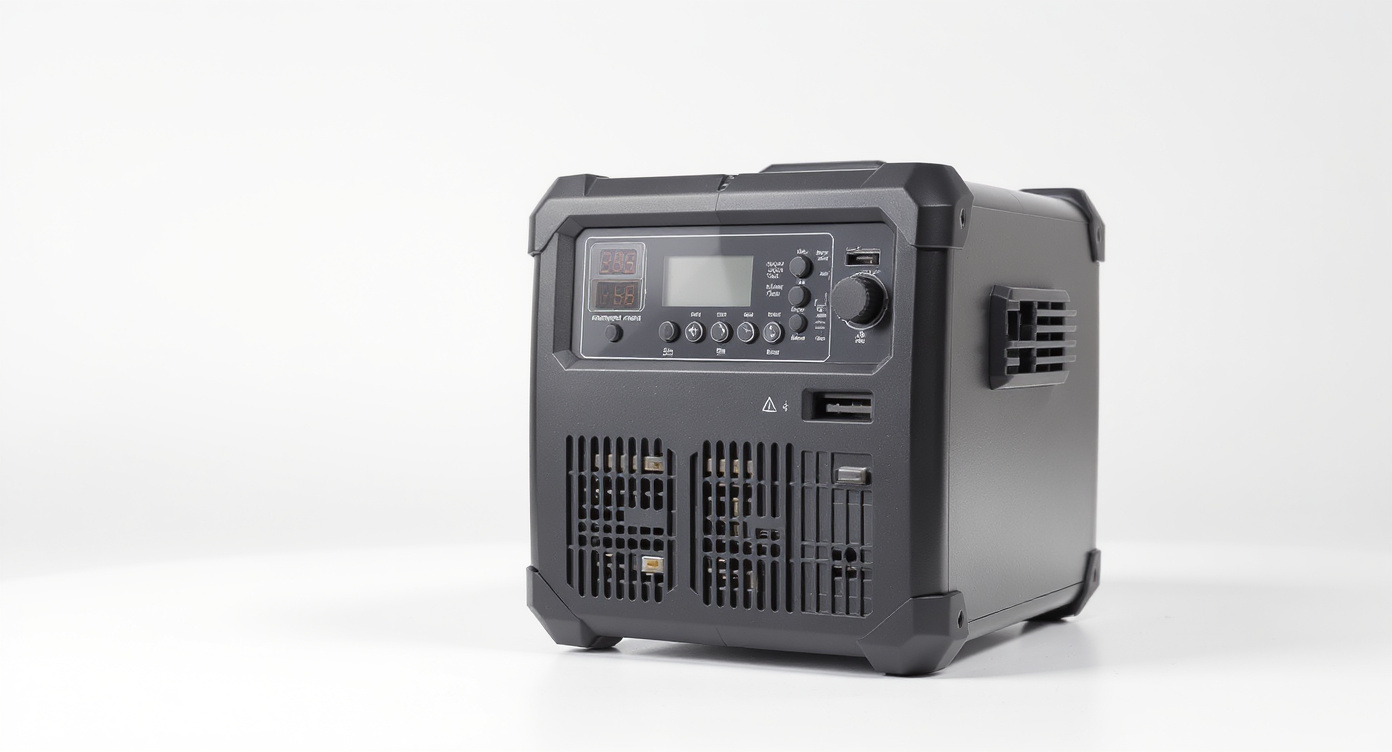
A solar generator is a self-contained unit that combines a battery, an inverter (a device that converts stored DC battery power into the AC electricity your appliances run on), a charge controller (the component that regulates incoming solar power so it doesn’t overcharge or damage the battery), and input/output ports — all in one portable package. When you add solar panels to charge it, you have a completely silent, fuel-free power system.
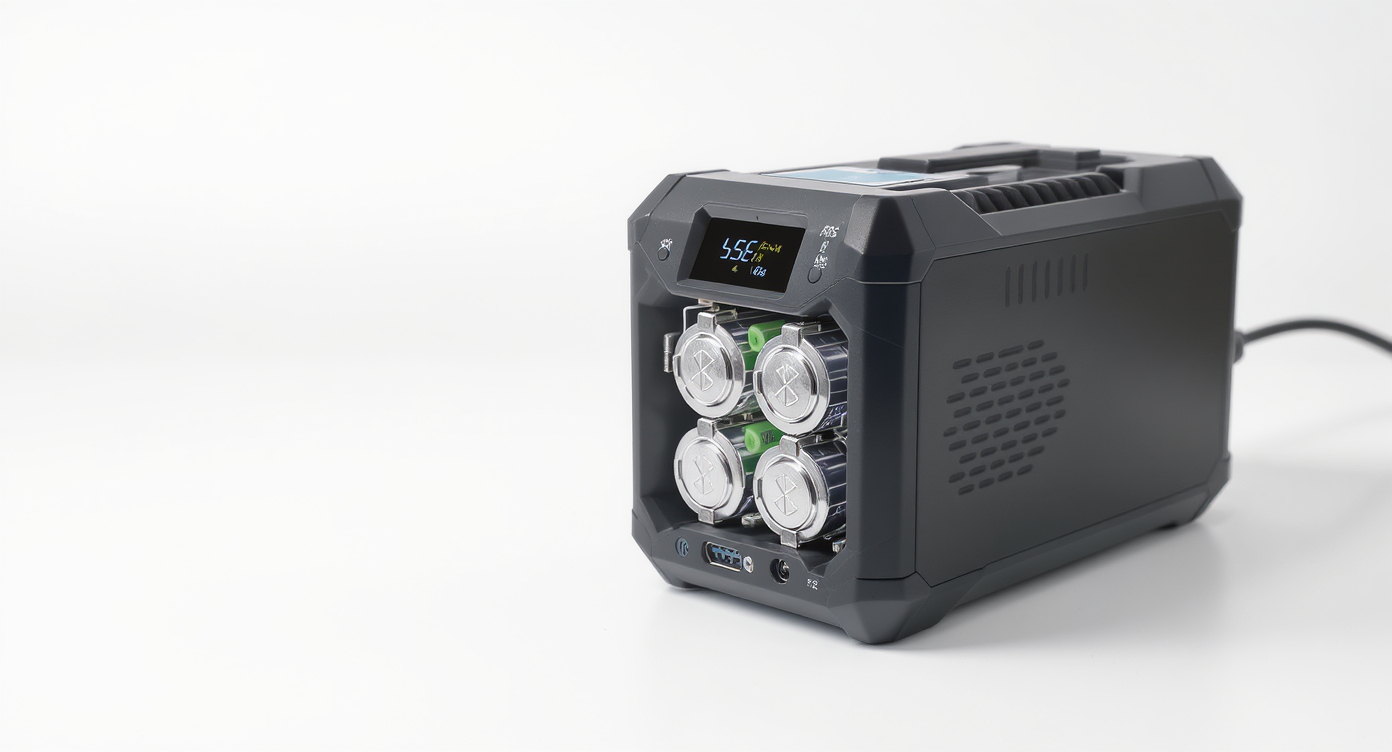
The “LiFePO4” part refers to lithium iron phosphate, a specific chemistry used in the battery cells. Think of battery chemistry like the type of fuel in an engine — same basic function, very different performance characteristics. LiFePO4 runs cooler, tolerates more charge cycles (typically 2,000–3,500+ before significant capacity loss), and is far more thermally stable than older lithium-ion formulations. That last point matters: it dramatically reduces the risk of thermal runaway (a dangerous chain reaction where a battery overheats and can catch fire).
Quick Answer: A LiFePO4 solar generator is a portable power station using lithium iron phosphate battery cells, paired with solar charging capability. It offers longer lifespan (often 10+ years of regular use), safer chemistry, and reliable deep-cycle performance — making it the top choice for home backup, off-grid cabins, RVs, and serious emergency preparedness.
Step 1 — Figure Out How Much Power You Actually Need
Before you look at a single product, you need two numbers: your capacity requirement (measured in watt-hours, or Wh — the total energy your battery needs to store) and your peak output requirement (measured in watts, or W — the maximum power your devices need at any single moment).
Here’s a practical way to estimate capacity: list the devices you want to run, note their wattage (usually printed on the device or in the manual), and multiply by the hours per day you’d run them. A 60W laptop fan running 5 hours = 300Wh. A 700W mini-fridge cycling on and off might average 100Wh over 24 hours. Add everything up, then add a 20% buffer for inefficiency losses. That final number is your minimum battery capacity.
For peak output, look for the highest-wattage device on your list — especially anything with a motor (refrigerators, fans, sump pumps), because motors draw a startup surge called inrush current that can be 2–3× their rated wattage. Your solar generator’s inverter needs to handle that surge, which is why products list both a “continuous output” wattage and a higher “surge” or “peak” wattage. Make sure the surge rating covers your hungriest motor-driven appliance.
Step 2 — Understand the Key Specs on Any LiFePO4 Solar Generator
Once you know your numbers, reading product specs becomes much easier. Here are the terms you’ll encounter and what they actually mean for you:
- Battery Capacity (Wh): Total stored energy. Entry-level units start around 300–500Wh; mid-range runs 1,000–2,000Wh; serious home-backup units go 2,400Wh and above.
- AC Output (W continuous / W surge): What your outlets can deliver. 1,000W continuous is fine for most small appliances; 2,000W+ handles larger loads like electric skillets, power tools, or CPAP machines.
- Solar Input (W max): How fast the unit can accept solar charging. A 200W solar input cap means even if you connect 400W of panels, you’ll only pull 200W — so match your panel array to this limit.
- Charge Cycles: LiFePO4 units typically rate 2,000–3,500 cycles to 80% capacity. At one cycle per day, that’s 5–10 years of daily use.
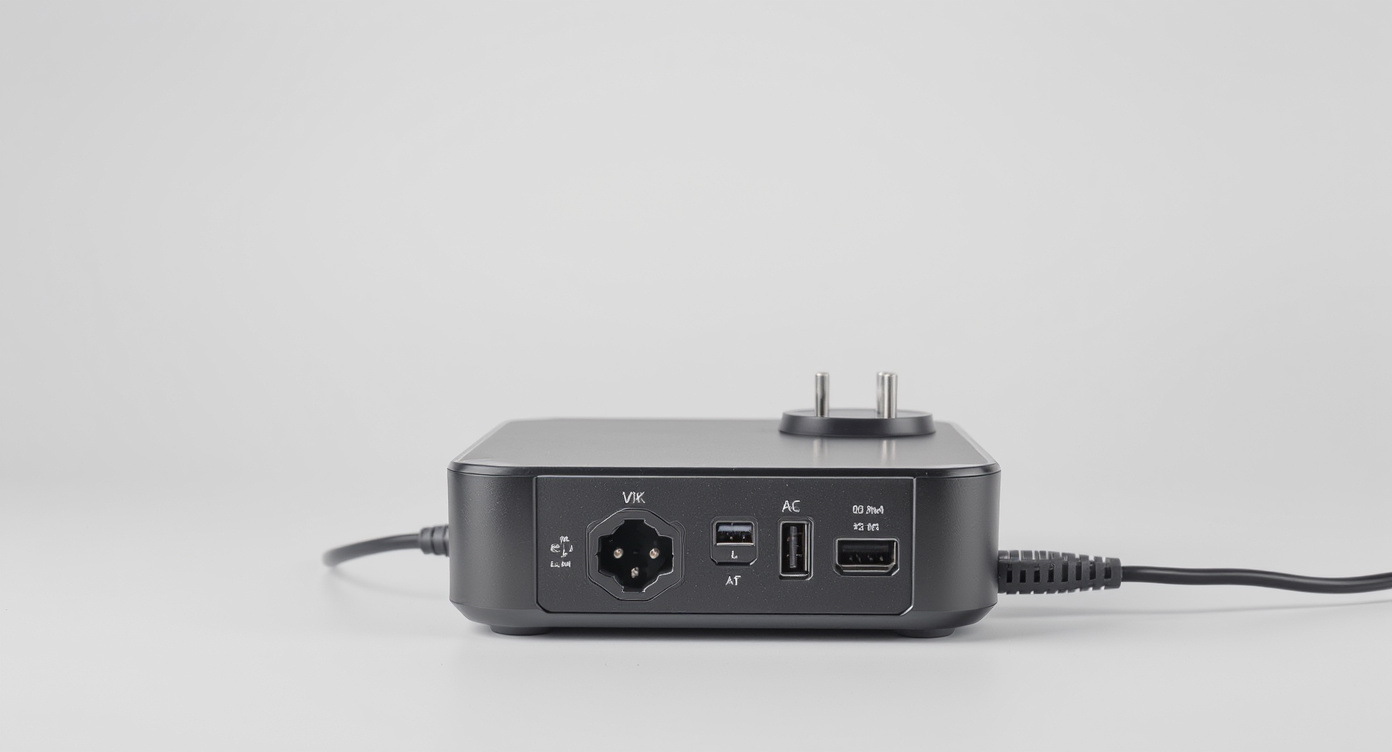
- Ports: Count your AC outlets, USB-A, USB-C (check for Power Delivery, or PD, which fast-charges laptops), DC barrel ports, and car-socket outputs. More isn’t always better — you want the right mix for your devices.

Step 3 — Choose the Right Size Category for Your Use Case
Not every buyer needs the same machine. Here’s a straightforward breakdown by use case to help you land in the right tier:
Light Duty (300–700Wh): Camping, Day Trips, Phone/Laptop Charging
If you’re mostly keeping devices charged at a campsite or powering lights and a small fan, a compact unit in this range is portable enough to carry easily and affordable enough that it doesn’t feel like a major investment. It won’t run a refrigerator overnight, but it’s perfect for weekend adventurers.
Mid-Range (800–1,500Wh): RV Support, Small Home Backup, Work-from-Home Outages
This is the sweet spot for most buyers. You can run a CPAP machine all night, keep a mini-fridge cold for a day, charge all your devices, and power some lights — all without sweating your battery percentage. Units in this range are still portable (most weigh under 35 lbs) but genuinely useful for multi-day scenarios.
High Capacity (2,000Wh+): Off-Grid Cabins, Extended Home Backup, Medical Equipment
At this tier, you’re looking at serious power reserves. A 2,400Wh unit can run a full-size refrigerator for roughly 24 hours, power essential medical devices, keep lights and fans going for days, and handle a modest home office setup. These units are heavier (often 40–60+ lbs) and pricier, but for critical backup or off-grid living, the investment is justified. If you’re exploring options at this level, the Bluetti 2400Wh solar generator reviews are worth reading for real-world performance data.
Step 4 — Pick the Right Solar Panels to Pair With It
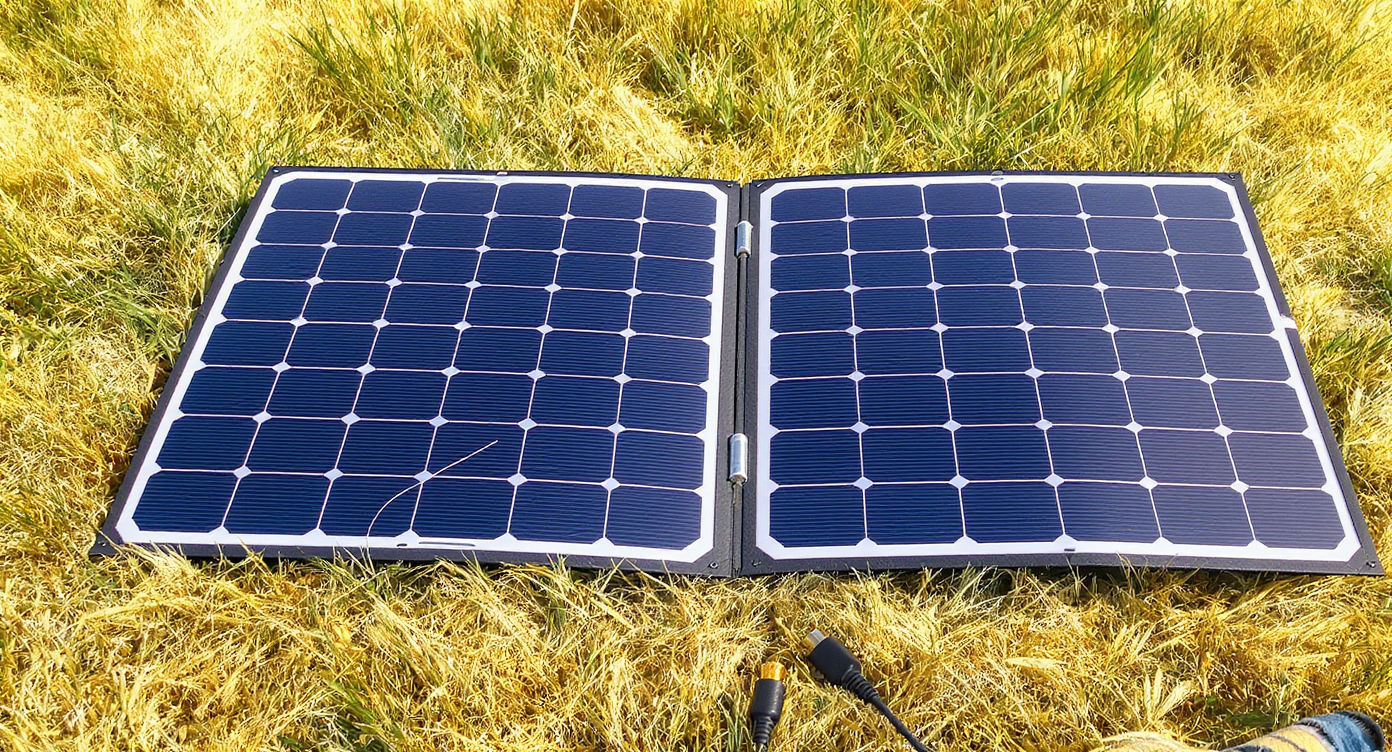
A solar generator without panels is just a very expensive battery. When selecting panels, the main variables are wattage per panel, portability (rigid vs. foldable), and compatibility with your unit’s solar input port and voltage range.
Most LiFePO4 solar generators accept panels through an MC4 connector (the industry-standard weatherproof plug used on solar panels) or an XT60 adapter. Check your unit’s specs for the maximum open-circuit voltage (Voc) — the voltage a panel produces with no load — and make sure your panel array doesn’t exceed it, or you risk damaging the charge controller.
For camping and RV use, foldable 100–200W portable panels are ideal — lightweight, easy to angle toward the sun, and simple to connect. For a fixed cabin or home backup setup, rigid monocrystalline panels mounted on a roof or ground frame are more efficient long-term. Wondering how a specific brand stacks up in real conditions? The Titan solar generator reviews offer detailed insight into how high-capacity systems perform with larger panel arrays.
Top LiFePO4 Solar Generators Worth Considering in 2026
These picks span different capacity tiers and use cases. All use LiFePO4 chemistry and are available through major retailers or brand websites.
EcoFlow DELTA 2
Brand: EcoFlow
- Capacity: 1,024Wh
- AC Output: 1,800W continuous / 2,700W surge
- Solar Input: Up to 500W
- Cycle Life: 3,000+ cycles to 80%
Why it fits: An excellent mid-range pick for first-time buyers who want a balance of portability (under 27 lbs), strong output, and fast solar charging. The X-Boost technology lets it run appliances up to 2,200W — genuinely useful for kitchen gear.
Bluetti AC200MAX
Brand: Bluetti
- Capacity: 2,048Wh
- AC Output: 2,200W continuous / 4,800W surge
- Solar Input: Up to 900W
- Cycle Life: 3,500+ cycles
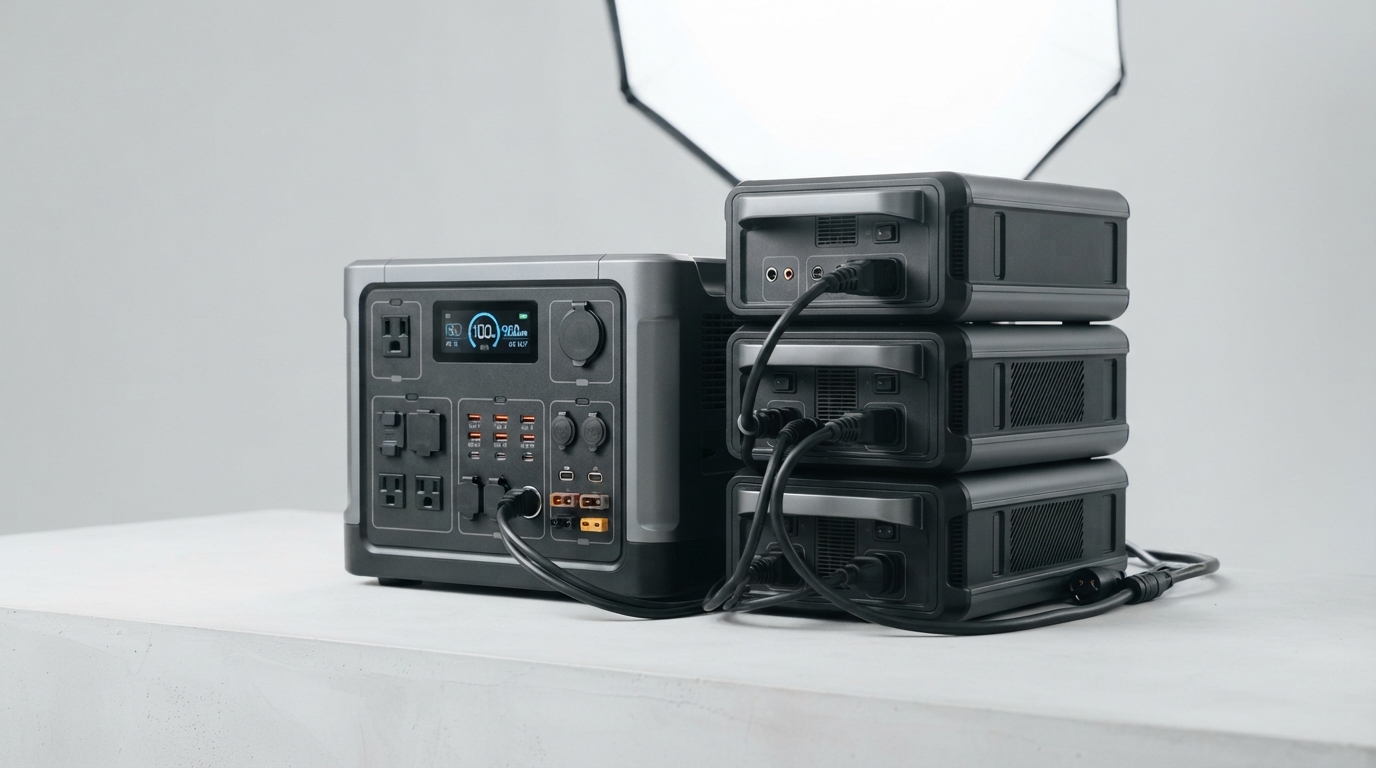
Why it fits: One of the most capable expandable units on the market — you can add external battery packs to grow capacity over time. The 900W solar input means faster recharge on sunny days. See detailed user feedback in the Bluetti solar generator reviews section.
Jackery Explorer 1000 Plus
Brand: Jackery
- Capacity: 1,264Wh
- AC Output: 2,000W continuous / 4,000W surge
- Solar Input: Up to 500W
- Cycle Life: 2,000+ cycles
Why it fits: A user-friendly interface and a well-established ecosystem of compatible solar panels make this a low-friction first purchase. The carry handle and manageable weight suit campers and RV owners who move their gear frequently.
Goal Zero Yeti 1500X
Brand: Goal Zero
- Capacity: 1,516Wh
- AC Output: 2,000W continuous / 3,500W surge
- Solar Input: Up to 600W (MPPT)
- Cycle Life: 500+ cycles (older NMC cells; confirm LiFePO4 version)
Why it fits: Goal Zero has a strong reputation for build quality and customer support. If you’re already familiar with the brand, the Goal Zero Yeti 1250 solar generator review gives useful context on how the lineup has evolved. Note: verify the specific model uses LiFePO4 cells, as Goal Zero has transitioned their line over time.
Anker SOLIX C1000
Brand: Anker
- Capacity: 1,056Wh
- AC Output: 1,500W continuous / 2,400W surge
- Solar Input: Up to 600W
- Cycle Life: 3,000+ cycles
Why it fits: Anker’s reputation for electronics quality carries over here. The SOLIX C1000 is compact, well-priced for its capacity, and charges quickly via solar. A solid choice for buyers who want reliability without overpaying.

Honest Pros and Cons of LiFePO4 Solar Generators
No product is perfect. Here’s a straightforward look at the real tradeoffs:
Pros
- Exceptional lifespan: 2,000–3,500+ charge cycles far outlasts older lithium-ion alternatives
- Thermal safety: LiFePO4 chemistry is far less prone to overheating or fire than NMC or NCA cells
- Deep discharge tolerance: Can be regularly discharged to 20% without significant long-term damage
- Silent operation: No engine noise, no exhaust — usable indoors
- Zero fuel cost: Solar charging means ongoing running costs are essentially $0
- Scalable: Many units support expandable battery packs or larger panel arrays
Cons
- Higher upfront cost: LiFePO4 units cost more than lead-acid or older lithium-ion alternatives at the same capacity
- Weight: High-capacity units (2,000Wh+) can weigh 50–65 lbs — not trivially portable
- Solar charging is weather-dependent: Overcast days significantly reduce recharge speed
- Not a whole-home solution alone: For whole-house backup, you’ll likely need a dedicated system with a transfer switch — a solar generator fills gaps, not necessarily the entire load
- Cold weather performance: LiFePO4 batteries charge more slowly in sub-freezing temperatures; some units include battery heating, but not all
Is a LiFePO4 solar generator the right fit for your specific situation, or would a dedicated standby generator or hybrid system serve you better? That’s worth thinking through honestly before you buy. For a different perspective on traditional backup power, the Generac solar generator reviews and Patriot solar generator reviews show how established generator brands approach the solar integration question.
Insider Tips Before You Buy
Insider Tip #1: Don’t just look at the rated AC output wattage — check the inverter’s efficiency rating (often listed as a percentage, like 90%). A less efficient inverter wastes more battery capacity as heat during conversion. Over hundreds of cycles, a 5% efficiency difference meaningfully affects how long your charge lasts. High-quality LiFePO4 units typically post 90–93% inverter efficiency.
Insider Tip #2: If you’re buying a unit for home backup and you plan to run it regularly (not just emergency use), look for models that support pass-through charging — meaning the unit can power your devices while simultaneously being charged by solar. Some cheaper units disable AC output while charging, which limits their usefulness as a daily power hub. Also check whether the unit supports UPS mode (uninterruptible power supply — it switches to battery power almost instantly during a grid outage, protecting sensitive electronics like computers and medical equipment).

Frequently Asked Questions
Can I leave a LiFePO4 solar generator plugged in all the time?
Most modern units with a quality BMS (battery management system — the onboard computer that monitors and protects the battery) are designed to handle continuous connection without overcharging. However, manufacturers typically recommend storing at 50–80% charge if the unit won’t be used for several months, to preserve long-term cell health.
How long does it take to fully charge via solar panels?
It depends on your panel wattage and the unit’s solar input limit. A 1,000Wh unit with a 400W solar input cap will take roughly 2.5–3 hours of peak sunlight to fully charge — accounting for real-world panel efficiency and charge controller losses. Overcast conditions can double or triple that time.
Are LiFePO4 solar generators safe to use indoors?
Yes — this is one of their significant advantages over gas generators. They produce no exhaust, no carbon monoxide, and no combustion byproducts. The LiFePO4 chemistry’s thermal stability makes indoor use safe under normal operating conditions. Always follow the manufacturer’s ventilation guidelines, but these units are designed for indoor use.
What’s the difference between a solar generator and a solar battery backup system?
A solar generator is a self-contained, portable all-in-one unit. A solar battery backup system (like a home energy storage system) is typically hardwired into your home’s electrical panel, larger in capacity, and permanently installed. Solar generators are more flexible and portable; dedicated home systems handle larger, continuous loads more efficiently.
How do I compare brands I haven’t heard of?
Beyond the major brands, there are many smaller manufacturers worth investigating. The Flashfish solar generator review, Lion solar generator reviews, and Be Prepared solar generator reviews are good starting points for understanding how lesser-known brands perform in real-world conditions. Also check the Patriot Power Sidekick solar generator reviews for a look at a compact, purpose-built emergency unit from an established preparedness brand.
Conclusion: Your Next Step Is Simpler Than You Think
Buying the best LiFePO4 solar generator for your needs comes down to three honest decisions: how much capacity you need (run your numbers — don’t guess), which size category fits your lifestyle and budget, and which brand’s ecosystem of panels and accessories makes the most sense for how you’ll actually use the system.
LiFePO4 technology has genuinely matured. The units available in 2026 are more capable, longer-lasting, and better value than anything available just a few years ago. You’re not taking a risk on experimental tech — you’re buying into a proven chemistry that’s earned its reputation through real-world performance.
Start with your power audit, shortlist two or three units in your capacity tier, and dig into real user reviews for the specific models you’re considering. The right solar generator is out there — and now you have the framework to find it confidently.