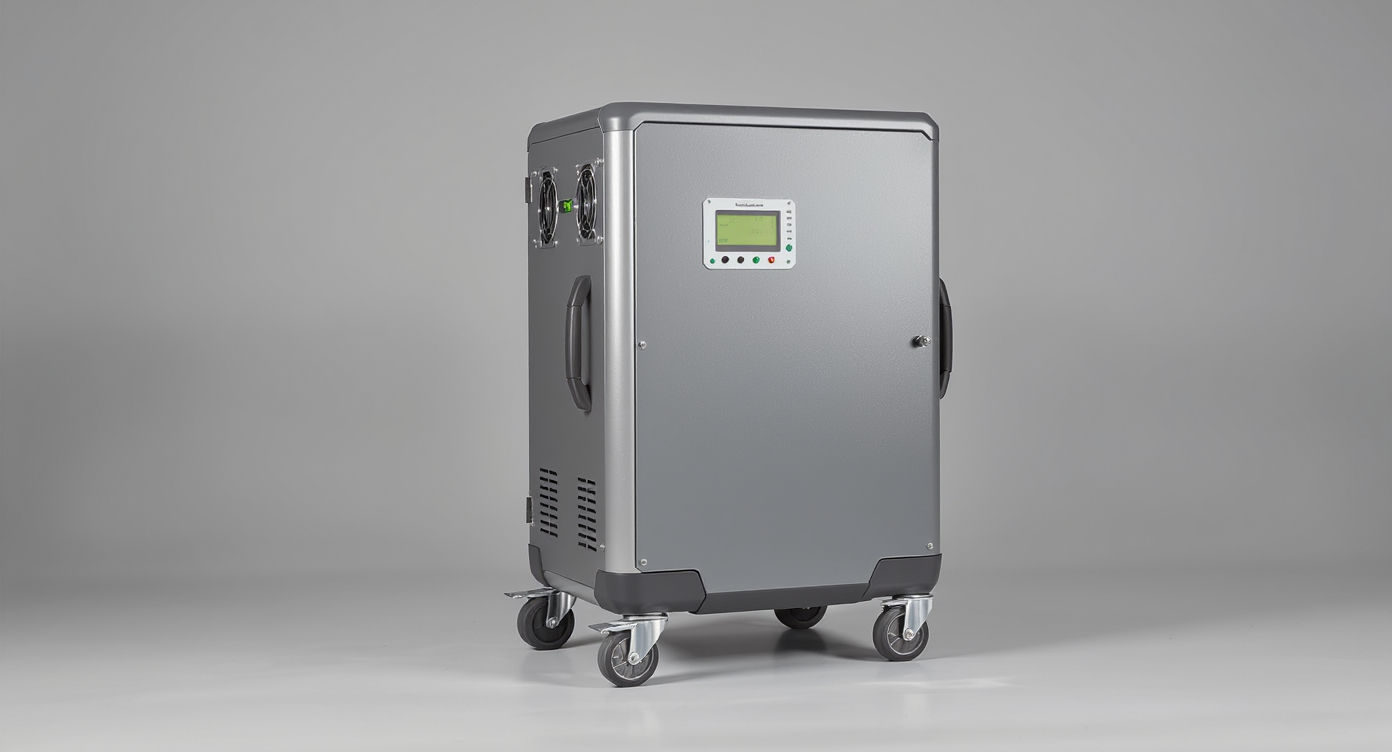
You’ve done the research, compared a handful of brands, and now the PowerSource 1800 solar generator keeps popping up in your shortlist. It’s a mid-to-large capacity portable power station that promises enough output to run a refrigerator, charge laptops, power a CPAP machine, and keep essential lights on — all without a drop of gasoline. But does it actually deliver? That’s the real question, and this review digs into the details so you can make a confident buying decision.
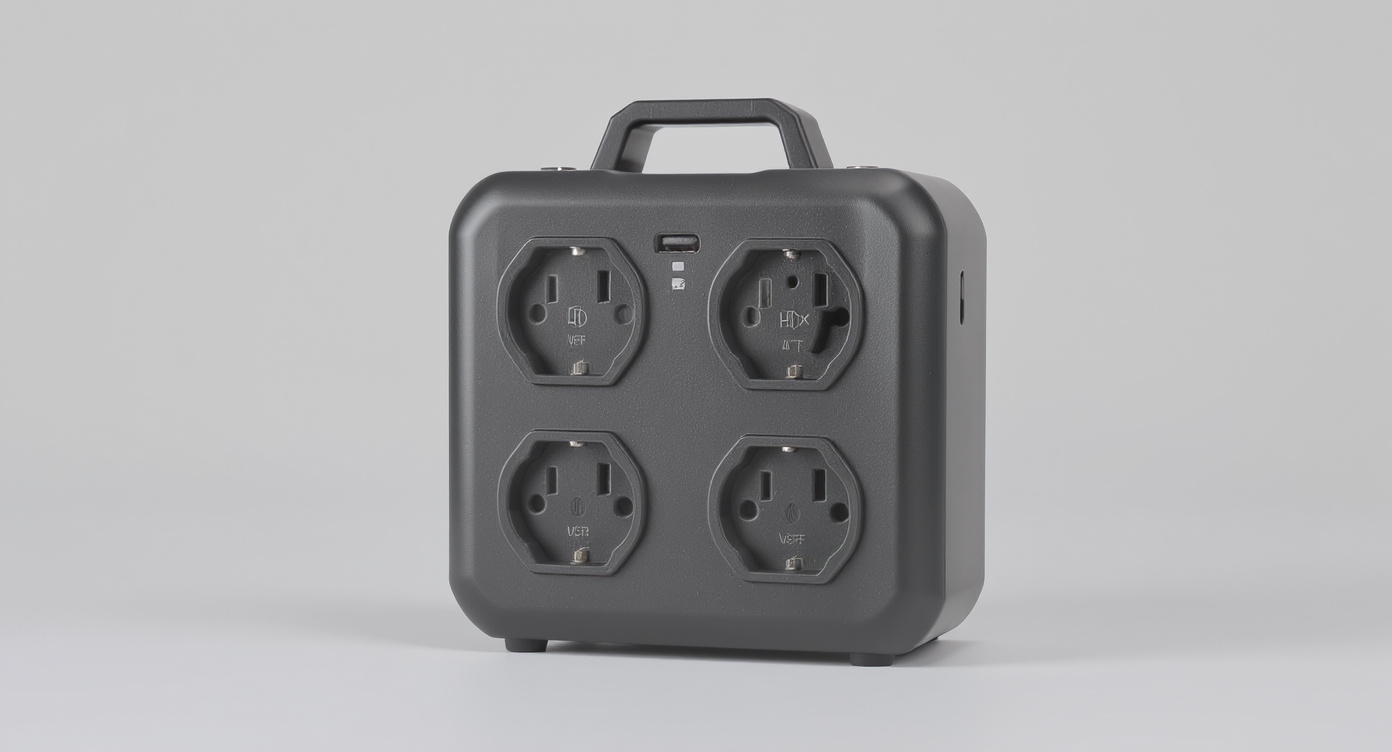
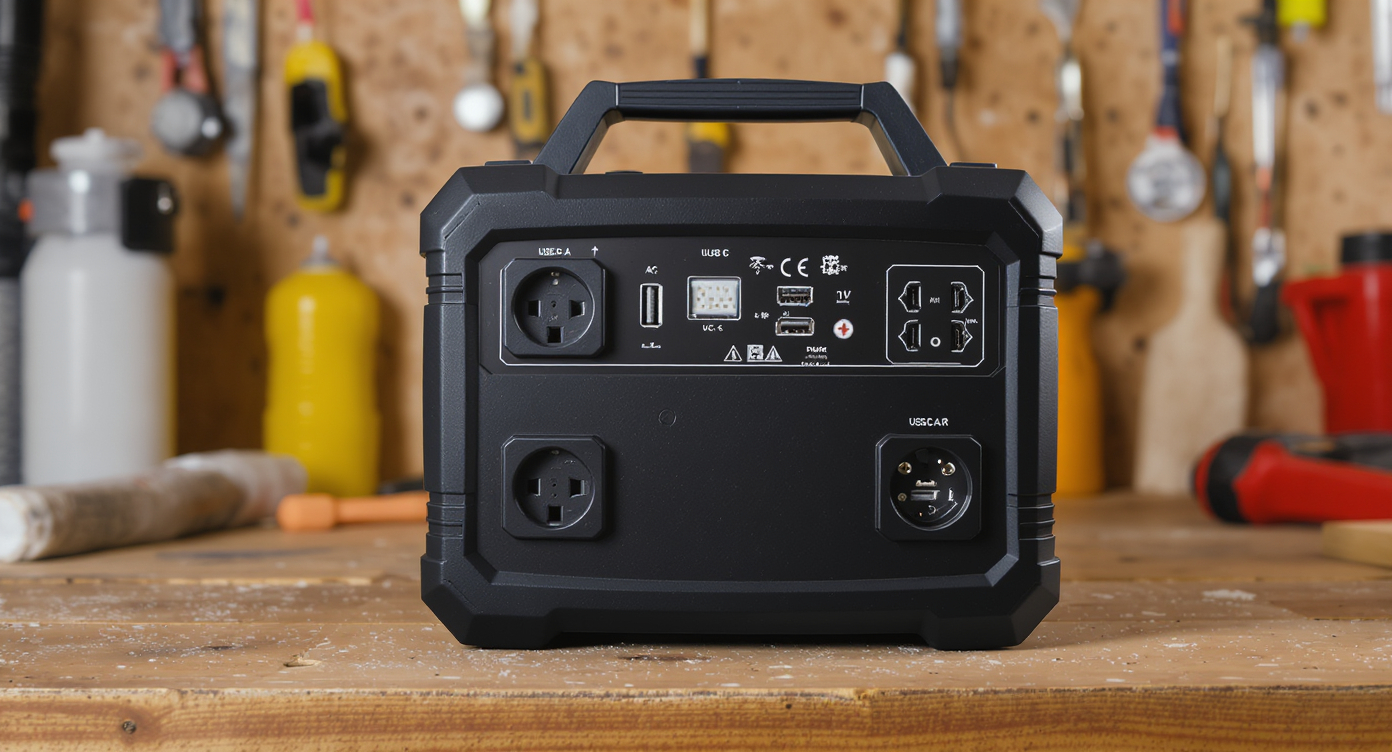
Before we get into the specifics, here’s a quick orientation: the PowerSource 1800 is a solar generator — meaning it’s a combination of a lithium battery bank and a pure sine wave inverter (a device that converts stored DC battery power into the AC electricity your appliances expect). It can be recharged via solar panels, a standard wall outlet, or a 12V car port. It is not a fuel-burning generator; it runs silently, produces zero emissions, and requires almost no maintenance.
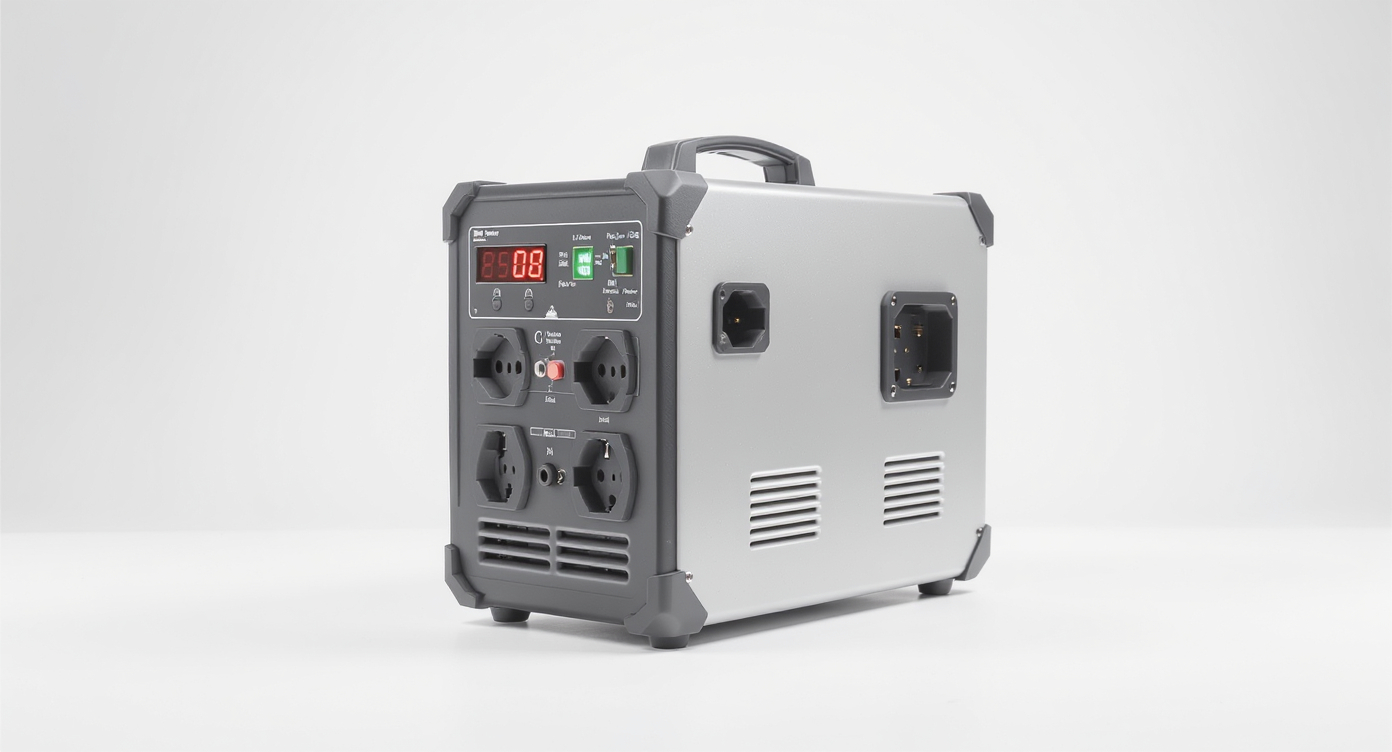
The PowerSource 1800 is a portable solar generator with roughly 1,800Wh of battery capacity and a continuous AC output in the 1,500–2,000W range. It’s designed for home backup, off-grid use, and emergency preparedness, and it accepts solar input from compatible panels to recharge without grid power.
Who Actually Needs a Unit This Size?
Here’s a useful way to think about battery capacity: instead of a water tank, picture a library shelf. The watt-hours (Wh) are the books on that shelf — each appliance you run “borrows” books at a certain rate per hour. A 1,800Wh library is substantial. You can lend out 150W to a refrigerator for 12 hours, spend another 300Wh on a CPAP overnight, and still have capacity left for phone and laptop charging. That’s a full day of essential power from a single charge.
If you’re comparing this to something like the Goal Zero Yeti 400 solar generator, the jump in capacity is significant — the Yeti 400 is excellent for camping and light use, but it wouldn’t sustain a refrigerator for more than a few hours. The PowerSource 1800 targets a different buyer: someone who needs genuine home backup or extended off-grid capability, not just USB charging and a fan.
So ask yourself honestly — what are you actually trying to power? If your list includes a full-size refrigerator, a chest freezer, a microwave (even briefly), or medical equipment that runs overnight, a unit in the 1,800Wh range starts to make real sense. If you’re just keeping phones and a tablet alive at a campsite, this is more generator than you need.
PowerSource 1800 Specs: What the Numbers Actually Mean
Let’s walk through the key specifications and translate them into plain language:
- Battery Capacity (~1,800Wh): This is total stored energy. Think of it as your fuel tank. Higher is better for longer runtimes, but it also means more weight and cost.
- Continuous AC Output (~1,500–2,000W): How much power it can deliver at once to AC outlets. Most home appliances fall well within this range; only large power tools or central AC units would exceed it.
- Peak/Surge Wattage: Many motors (refrigerators, pumps) pull 2–3× their running wattage at startup. A good surge rating (often 3,000–4,000W for units in this class) handles that spike without tripping the inverter.
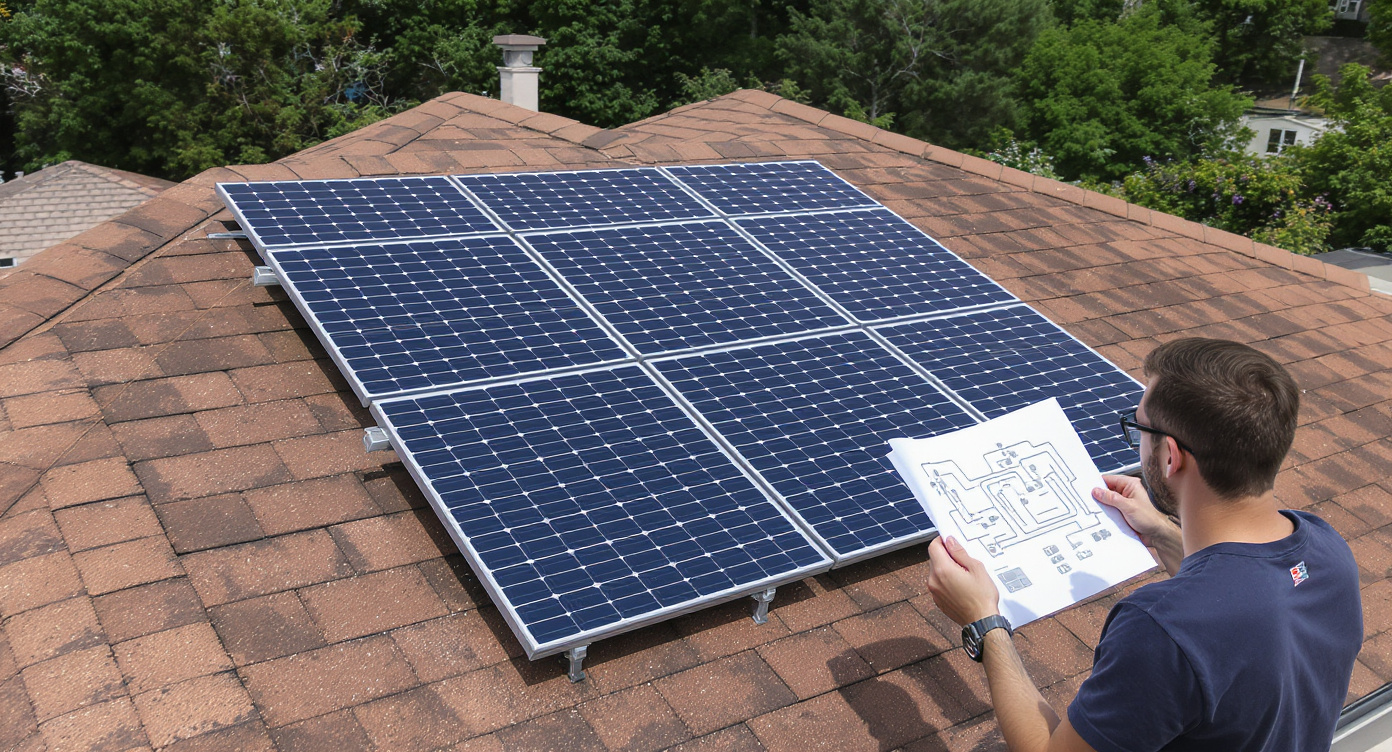
- Solar Input (typically 400–600W max): The maximum solar panel wattage the unit can accept at once. Higher input = faster solar recharge. On a sunny day, a 400W input could fully recharge the unit in roughly 4–5 hours.
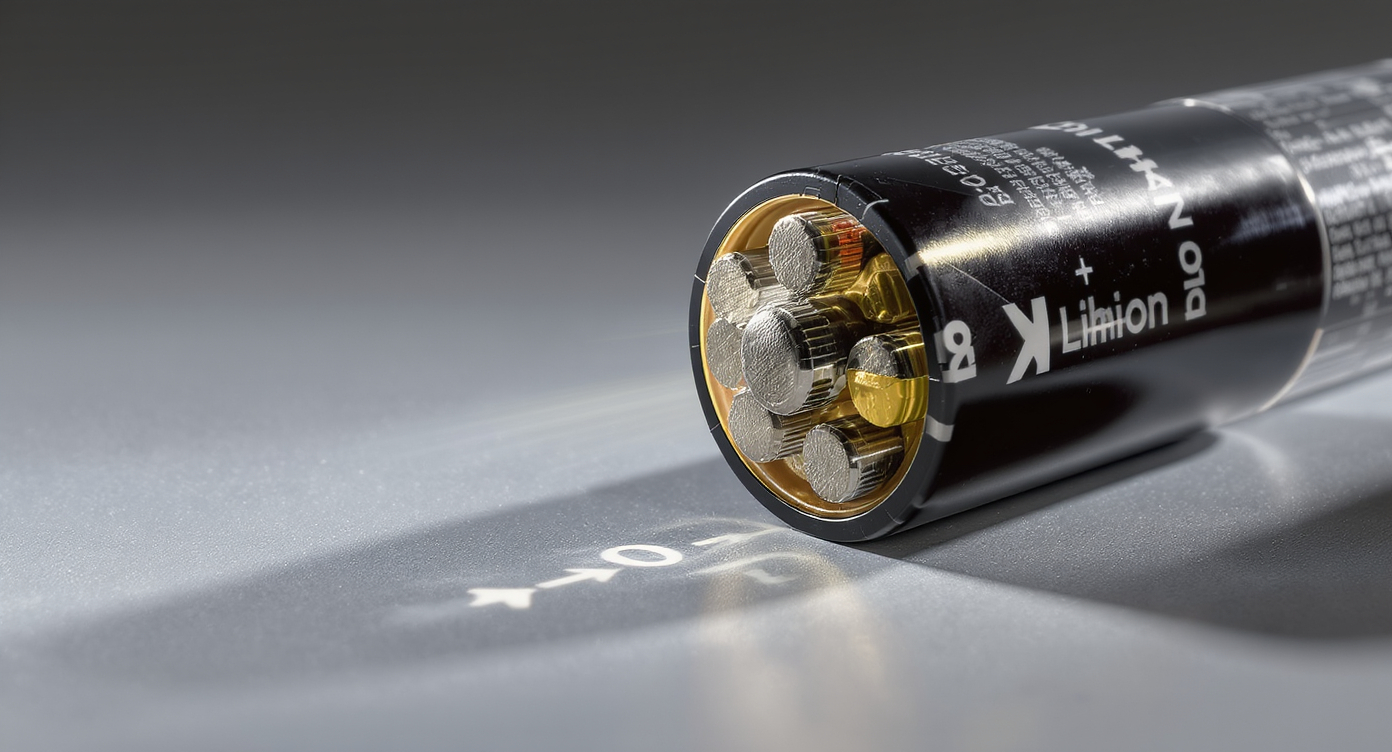
- Battery Chemistry (LiFePO4 or NMC): Units using LiFePO4 (lithium iron phosphate) chemistry offer superior cycle life — often 2,000–3,500 charge cycles before significant capacity loss. NMC (nickel manganese cobalt) chemistry is more energy-dense but typically rates for fewer cycles. For a deeper look at why battery chemistry matters so much, check out this guide to the best LiFePO4 solar generator options.
- Weight: Units in this capacity range typically weigh 35–55 lbs. Not light, but most include a built-in handle or wheel kit.
Solar Recharging: How Fast Does It Actually Charge?
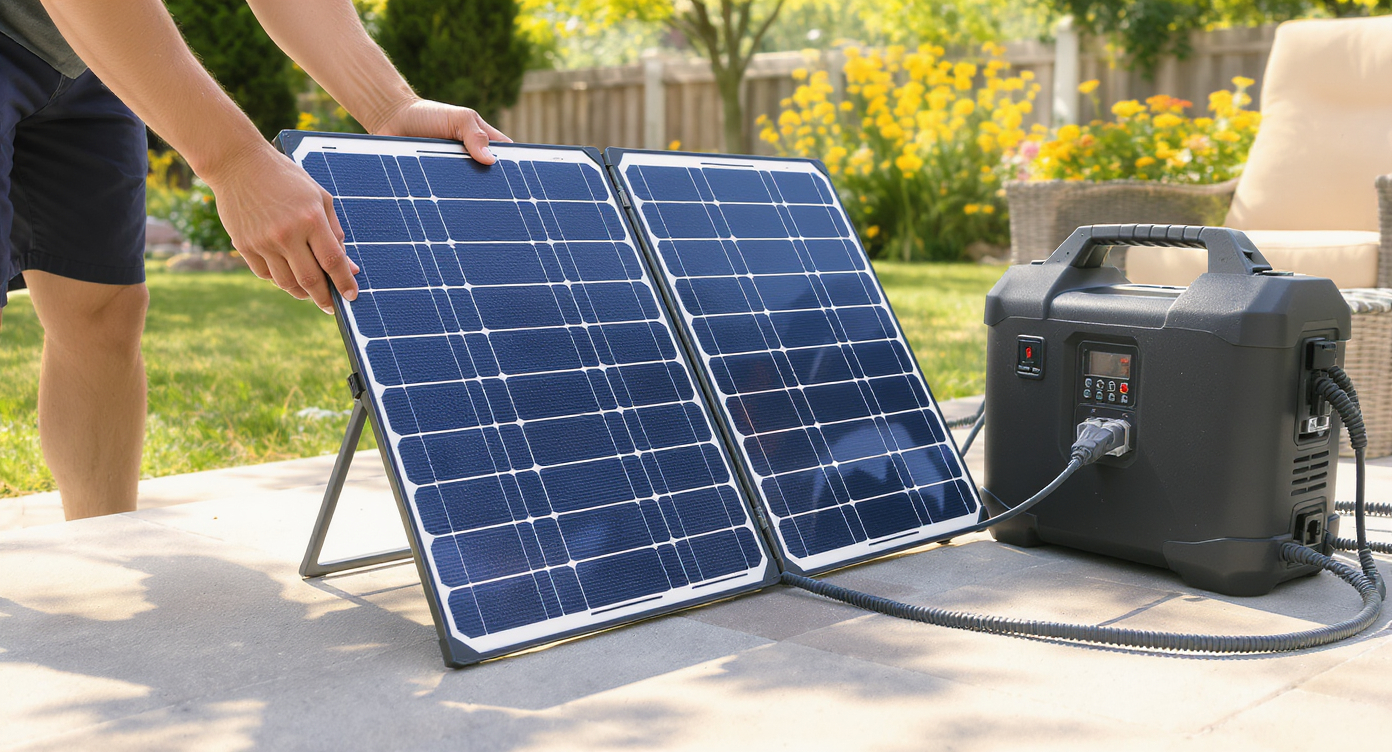
This is where a lot of buyers get surprised — in both directions. Solar recharge speed depends on three variables working together: your panel wattage, the unit’s maximum solar input rating, and actual sunlight conditions. A 200W panel in full sun delivers maybe 160–180W in real-world conditions. Two of those panels gets you close to the unit’s input ceiling. In practical terms, you’re looking at a 5–8 hour solar recharge on a clear day with an appropriately sized panel array.
That’s not a complaint — it’s just physics. The key insight is that solar recharging is best used as a maintenance strategy, not a rapid top-up. If you’re using the PowerSource 1800 for extended off-grid living, you want panels large enough to roughly replace what you use each day. If you’re using it for emergency backup, wall-outlet recharging (typically 4–8 hours to full) is your primary method, with solar as a valuable supplement when grid power is unavailable.
For context on how other brands handle this balance, it’s worth reading through some Bluetti solar generator reviews and Generac solar generator reviews — both brands take notably different approaches to solar input management and battery management systems.
Real-World Performance: What It Handles Well (and Where It Hits Limits)
In practical use, a unit with these specs handles the following comfortably:
- Full-size refrigerator running continuously for 12–16 hours
- CPAP machine (without heated humidifier) for 1–2 nights
- LED lighting throughout a small home for 10+ hours
- Laptop, phone, and tablet charging — multiple devices simultaneously
- Box fan or small tower fan for 20+ hours
- Small TV (40–55″ LED) for 8–12 hours
Where it hits limits: high-draw appliances like electric kettles (1,200–1,500W), hair dryers (1,500–1,800W), and especially microwave ovens (typically 1,000–1,200W draw, but with high surge) will drain the battery quickly. A microwave running for 10 minutes might consume 200Wh — not catastrophic, but worth being aware of if you’re rationing power during a multi-day outage.
Insider Tip: Before an anticipated outage, fully charge the unit via wall outlet and simultaneously connect your solar panels. When grid power cuts, you’ll start with a full battery and active solar input — which meaningfully extends your effective runtime without any extra effort.
How Does It Compare to Competing Solar Generators?
The 1,800Wh class is competitive. Here’s how the PowerSource 1800 stacks up against some notable alternatives:
The Goal Zero Yeti 1250 solar generator is a well-known name in this space, though it uses older lead-acid battery technology in some versions — heavier and with fewer charge cycles than lithium alternatives. The Bluetti 2400Wh solar generator offers more capacity if you need it, with a premium price tag to match. For buyers focused on preparedness specifically, the Patriot solar generator lineup is worth comparing — it’s built with emergency readiness as its core design brief.
The PowerSource 1800 tends to appeal to buyers who want a solid middle ground: more capacity than entry-level units, without the weight and cost of a 2,400Wh+ system. Whether that’s the right tradeoff depends entirely on your use case.
Honest Pros and Cons
- ✅ Substantial capacity — 1,800Wh genuinely covers essential home appliances for extended periods
- ✅ Silent operation — no exhaust, no fuel, no noise ordinance concerns
- ✅ Multiple recharge options — solar, wall outlet, and 12V car charging
- ✅ Pure sine wave output — safe for sensitive electronics like CPAP machines and laptops
- ✅ Low maintenance — no oil changes, no spark plugs, no fuel storage
- ❌ Significant weight — 40–50 lbs is manageable but not truly portable for everyone
- ❌ Cannot power large HVAC or electric stoves — this is a hard physical limit of the wattage class
- ❌ Solar recharge is weather-dependent — cloudy days meaningfully slow recharge rates
- ❌ Higher upfront cost than a comparably-sized gas generator
- ❌ Battery degradation over time — capacity slowly decreases after hundreds of cycles (though LiFePO4 chemistry extends this significantly)
Solar Generator Options Worth Considering at This Capacity Level
Bluetti AC200P
Brand: Bluetti
Capacity: 2,000Wh | Output: 2,000W continuous | Battery: LiFePO4 | Solar Input: up to 700W
A step up in both capacity and solar input speed. Ideal if you want more headroom for high-draw appliances or longer runtimes between recharges.
EcoFlow Delta 2 Max
Brand: EcoFlow
Capacity: 2,048Wh | Output: 2,400W continuous | Battery: LiFePO4 | Solar Input: up to 1,000W
Stands out for its exceptionally fast solar recharge — up to 1,000W input means a full solar recharge in roughly 2 hours under ideal conditions. Great for off-grid setups where fast turnaround matters.
Jackery Explorer 2000 Pro
Brand: Jackery
Capacity: 2,160Wh | Output: 2,200W continuous | Battery: NMC Lithium | Solar Input: up to 800W
A polished, user-friendly option with excellent app integration and a strong brand support network. The NMC chemistry means slightly fewer lifetime cycles than LiFePO4, but the overall build quality is high.
Titan Solar Generator
Brand: Point Zero Energy
Capacity: 2,000Wh (expandable) | Output: 3,000W continuous | Battery: Expandable lithium | Solar Input: up to 2,000W
For serious off-grid users, the Titan solar generator is a modular powerhouse. Its expandable battery system and massive solar input capacity make it a long-term investment rather than a simple backup unit.
Insider Tip: When comparing solar generators, don’t just look at the headline watt-hour number. Check the maximum solar input wattage — it determines how fast you can recharge using panels. A unit with 1,800Wh and only 200W solar input will take 9+ hours to recharge from solar alone, while a unit with 1,800Wh and 600W solar input might do it in 3–4 hours. That difference matters enormously in extended off-grid scenarios.

Frequently Asked Questions
Can the PowerSource 1800 run a window air conditioner?
A small window AC unit (5,000–6,000 BTU) typically draws around 450–600W continuously but surges to 1,200–1,800W at startup. If the unit’s surge rating covers that startup spike, it can technically run the AC — but at 500W continuous draw, you’d exhaust the 1,800Wh battery in roughly 3–4 hours. It’s technically possible for short periods; it’s not a practical long-term solution.
Is it safe to use indoors?
Yes — this is one of the key advantages over gas generators. Solar generators produce no combustion exhaust, so they’re completely safe to operate indoors, in garages, or in enclosed spaces. There’s no carbon monoxide risk whatsoever.
How long does the battery last before it needs replacing?
With LiFePO4 chemistry, expect 2,000–3,500 full charge cycles before the battery drops to 80% of its original capacity. If you cycle it once a day, that’s 5–10 years of daily use. With less frequent cycling (typical for backup use), the battery could last considerably longer.
Can I expand the capacity with additional battery modules?
This depends on the specific model variant. Some solar generators in this class support external battery expansion packs; others are fixed-capacity. Check the manufacturer’s current product page for compatibility. If expandability is a priority for you, the Lion solar generator lineup and the Titan are both known for modular expansion options.
What size solar panels should I pair with it?
For a unit with roughly 400–600W max solar input, a 2-panel setup using 200W panels each is a practical starting point. If you want faster recharge or live somewhere with variable cloud cover, pushing closer to the input ceiling with 3 panels gives you more buffer. Look for panels with compatible connector types (MC4 is standard) and verify the combined open-circuit voltage stays within the unit’s input specs. The Patriot Power Sidekick review covers compact panel pairing in useful detail if you’re working with limited space.
How does it compare to units reviewed on sites focused on preparedness?
Preparedness-focused reviewers often prioritize reliability, longevity, and fuel-free operation above all else. The Be Prepared solar generator reviews offer a useful lens on this — they evaluate units specifically through the lens of emergency readiness, which includes factors like recharge versatility and long-term storage behavior that general tech reviews sometimes overlook.
Conclusion: Is the PowerSource 1800 Worth It?
The PowerSource 1800 solar generator is a genuinely capable unit for buyers who need more than light-duty backup power. Its ~1,800Wh capacity sits in a sweet spot — substantial enough for real home essentials, compact enough to move between rooms or load into a vehicle. The silent, fuel-free operation isn’t just a convenience; for many buyers it’s a dealbreaker in the other direction (meaning, once you’ve experienced it, going back to a gas generator feels like a step backward).
Is it perfect? No. The weight is real, the solar recharge speed is weather-dependent, and it won’t run your central air conditioning. But for keeping a refrigerator running, powering medical equipment, maintaining communication devices, and keeping lights on during an extended outage — it does exactly what it promises.
If you’re still comparing options, spend some time with the Flashfish solar generator review for a budget-tier comparison point, and revisit the Bluetti 2400Wh solar generator if you think you might need more headroom down the road. The right unit is the one that matches your actual load requirements — and now you have the framework to figure that out.
Ready to take the next step? Browse our full solar generator comparison guides on Solarasphere to find the exact match for your home, off-grid setup, or emergency preparedness plan.