You’ve done a little research, landed on Bluetti as a brand worth considering, and now you’re staring at a lineup of models with similar-sounding names and specs that blur together after a while. That’s exactly where most first-time buyers get stuck — and it’s the reason these Bluetti solar generator reviews exist. This guide is built specifically for people who haven’t bought a solar generator before and want a clear, honest walkthrough before spending several hundred (or several thousand) dollars.
We’ll cover what to look for in a Bluetti unit, how to read the specs that actually matter, which models suit which situations, and where Bluetti stacks up against the broader market. By the end, you’ll know exactly what to ask — and what to ignore.
What Is a Solar Generator, Really? (And What Bluetti Sells)
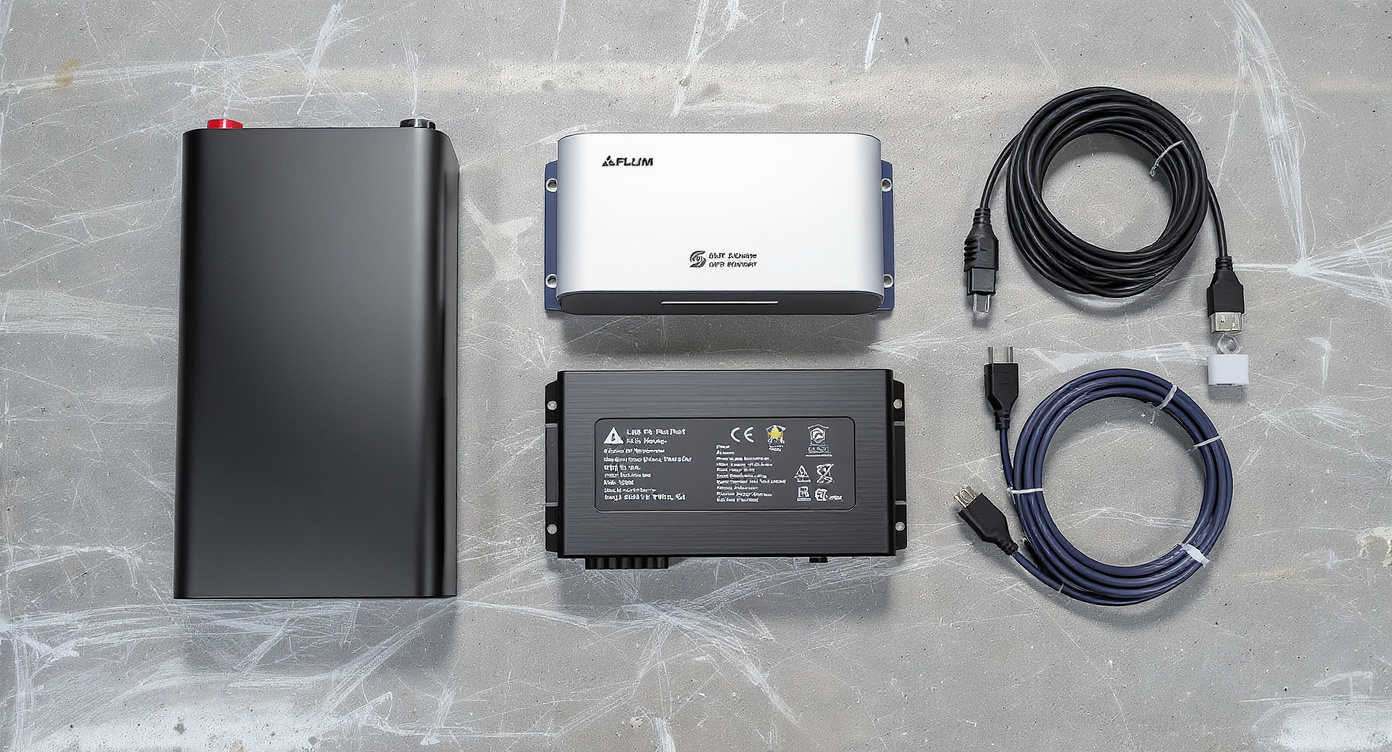
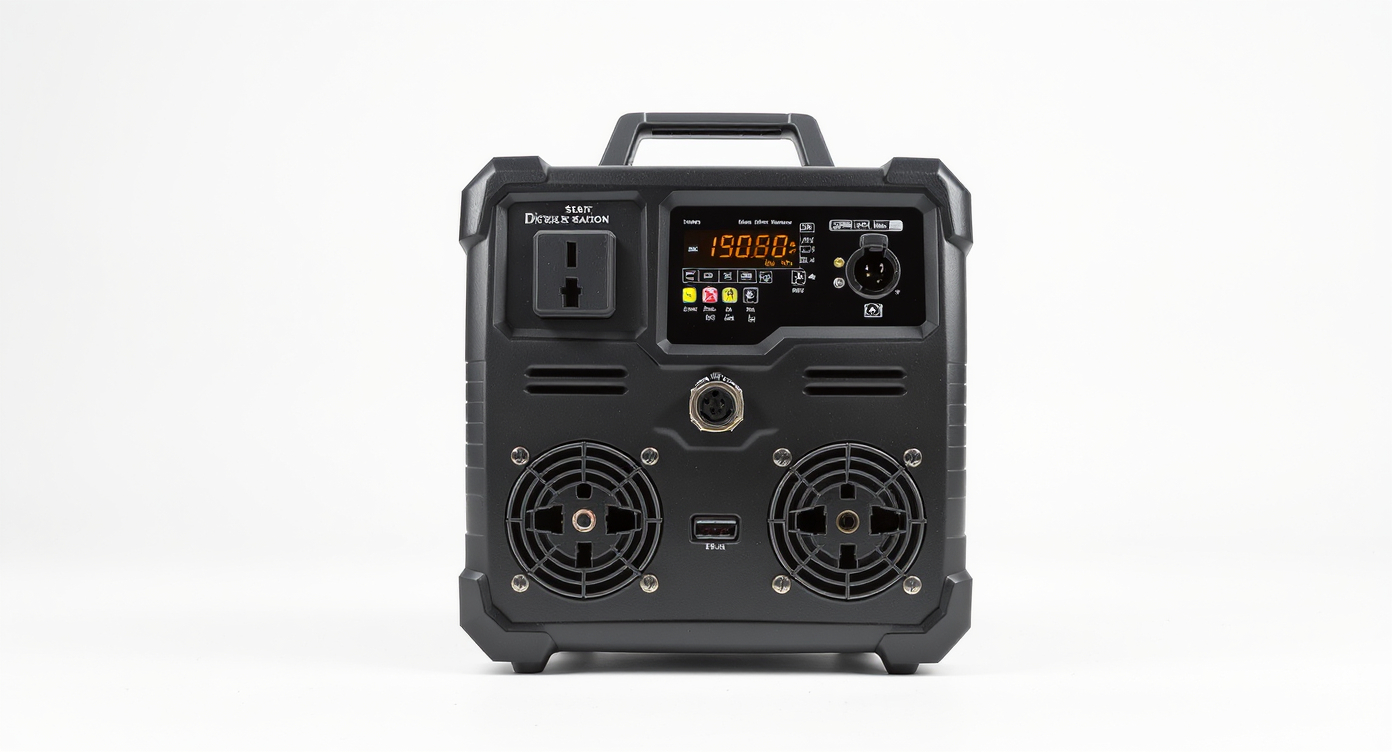
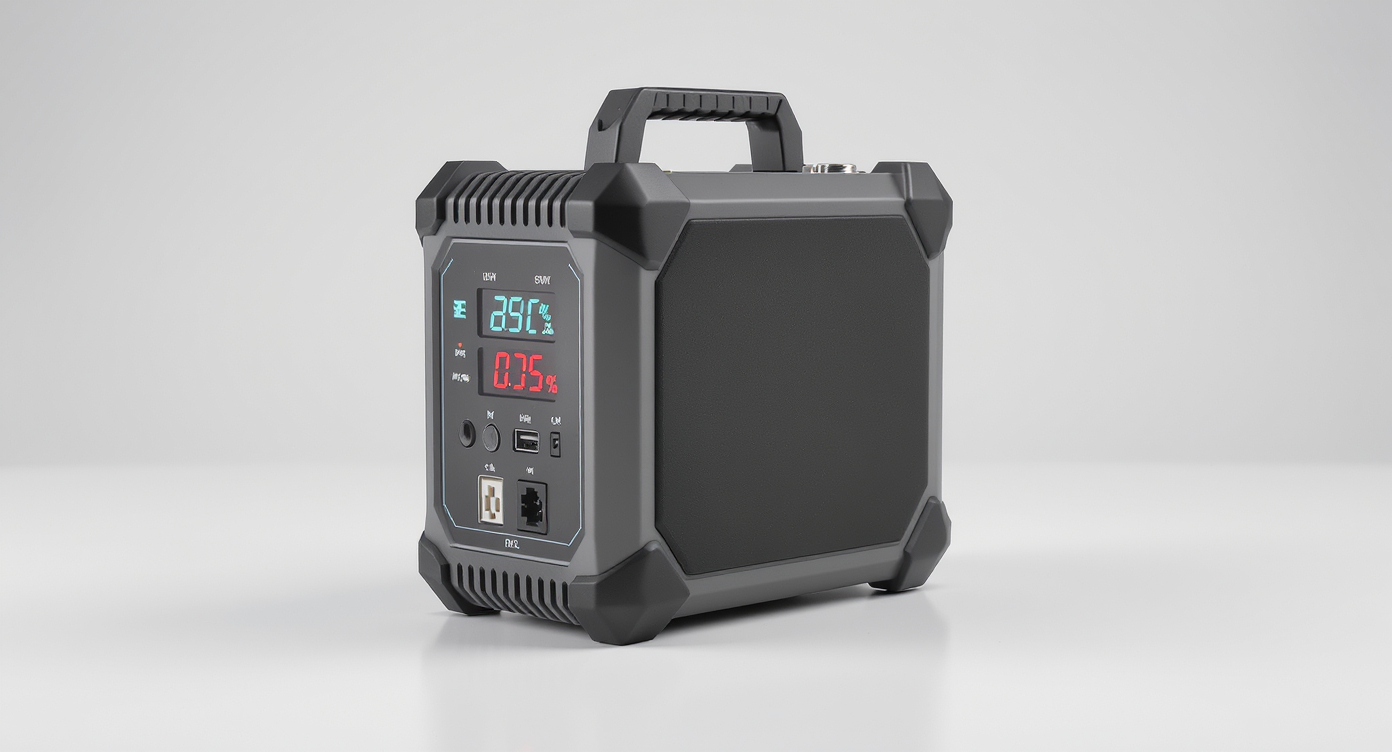
A solar generator is a combination of three components bundled into one portable unit: a battery (stores energy), an inverter (converts stored DC power into the AC power your appliances use), and a charge controller (manages how solar panels feed power into the battery without overcharging it). Bluetti packages all three into sleek, handle-equipped enclosures ranging from compact camping units to large home-backup stations.
Unlike a traditional gas generator, there’s no fuel to store, no exhaust fumes, and no engine noise. The tradeoff is that recharge speed depends on sunlight availability and panel wattage — something we’ll unpack in detail below.
Quick answer for featured snippet: A Bluetti solar generator is a portable power station with a built-in inverter and charge controller, designed to be recharged via solar panels, wall outlets, or car ports. Capacities range from roughly 268Wh (watt-hours) in entry models to 6,144Wh or more in expandable home-backup systems. They use LiFePO₄ (lithium iron phosphate) chemistry in most current models for longer cycle life.
Step 1 — Figure Out What You Actually Need to Power
Before you look at a single Bluetti model number, make a quick list of the devices you want to run. For each one, note two things: its wattage (how much power it draws while running) and roughly how many hours per day you’d use it. Multiply those two numbers together and you get watt-hours (Wh) — the unit of energy storage that every solar generator is rated in.
Think of watt-hours like the fuel tank on a car: the tank size (Wh capacity) tells you how far you can go before refueling, and the engine size (watt draw of your appliances) tells you how fast you burn through it. A 1,000Wh battery running a 100W device will last about 10 hours — minus a small efficiency loss from the inverter, typically 85–90%.
- Light camping use (phone charging, LED lights, a small fan): 500–700Wh is usually plenty
- Weekend off-grid setup (laptop, CPAP machine, mini-fridge): aim for 1,000–2,000Wh
- Home backup for essentials (refrigerator, router, lights, phone charging): 2,000–3,000Wh minimum
- Whole-home partial backup (window AC, sump pump, medical devices): 3,000Wh+ with expandable battery
Ask yourself honestly: are you buying this for occasional weekend use, or is this going to be a core part of your home energy plan? That single question will eliminate half the Bluetti lineup for you immediately.

Step 2 — Understand the Specs That Actually Matter on a Bluetti Unit
Capacity (Wh)
This is the total energy the battery holds. Bluetti’s current lineup spans from the compact EB3A (268Wh) all the way to the AC500 paired with B300S expansion batteries, which can scale past 6,000Wh. Bigger isn’t always better — a larger unit costs more, weighs more, and takes longer to recharge. Match capacity to your actual load list from Step 1.
Continuous Output (Watts)
This is the maximum wattage the inverter can deliver continuously to your AC outlets. Bluetti’s mid-range units typically offer 1,000–2,000W of continuous output. The AC200P and AC200MAX push to 2,000W continuous, which covers most household appliances. The AC300 and AC500 offer 3,000W and 5,000W respectively — relevant if you want to run a window AC unit or a power tool.
Peak (Surge) Wattage
Motors — like those in refrigerators, air conditioners, and pumps — draw a brief spike of power at startup called a surge. Your generator’s peak wattage needs to exceed that spike, or the unit will shut off with an overload alarm. Always check the surge rating, not just the continuous output, before connecting motor-driven appliances.
Solar Input (Watts)
This tells you the maximum wattage of solar panels the unit can accept at once. A higher solar input means faster recharge on a sunny day. The AC200MAX accepts up to 900W of solar input — meaning a full recharge from empty can happen in roughly 2–3 hours on a clear day with the right panel setup. Smaller units like the EB70S max out around 200W of solar input, so recharges take longer.
Battery Chemistry
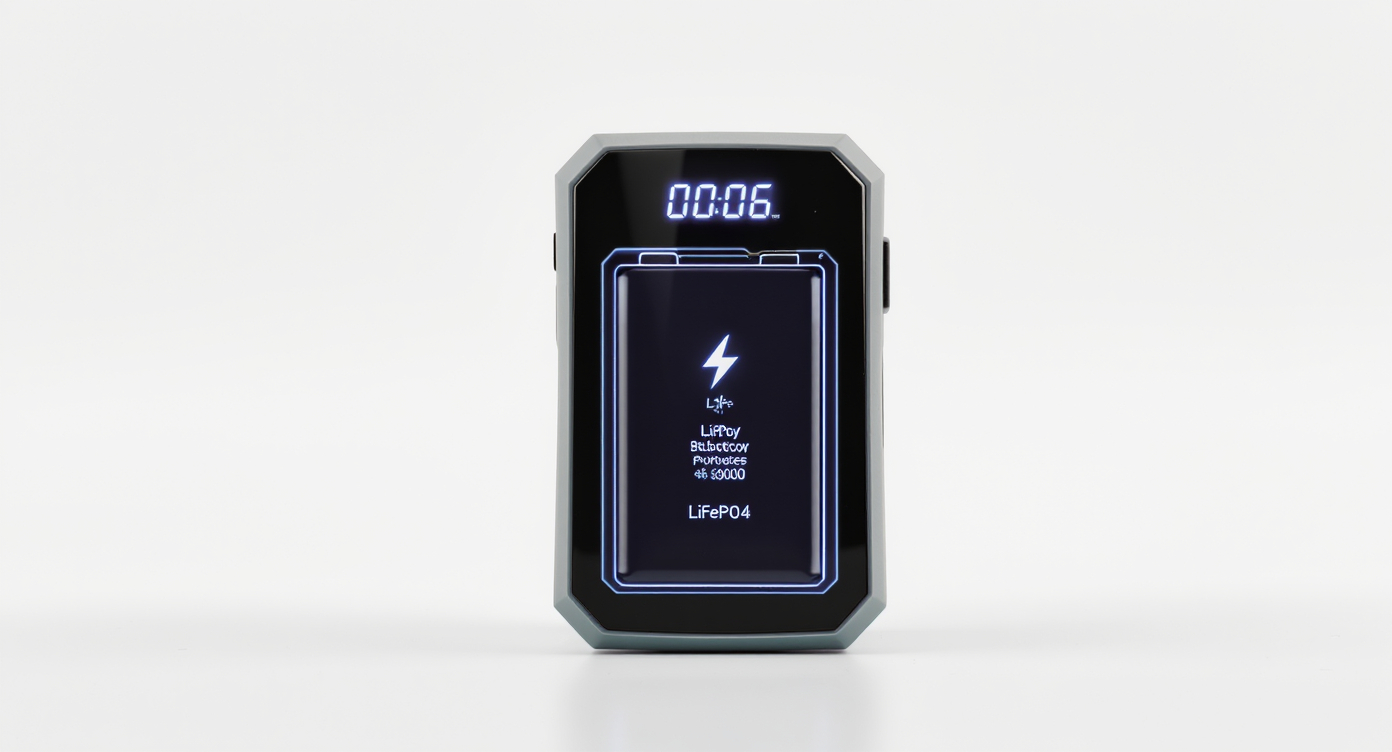
Most current Bluetti models use LiFePO₄ (lithium iron phosphate) cells, which offer approximately 3,500 charge cycles before dropping to 80% capacity — far more than the older NMC (nickel manganese cobalt) lithium chemistry found in earlier units. If long-term value matters to you, prioritize LiFePO₄ models. For a broader look at this technology, see our guide to the best LiFePO4 solar generator options on the market.

Step 3 — Match the Right Bluetti Model to Your Situation
For Camping and Light Portable Use
The Bluetti EB3A (268Wh, 600W continuous) and EB70S (716Wh, 800W continuous) are the sweet spot for campers and van travelers. They’re light enough to carry with one hand, charge quickly via a 200W foldable panel, and handle phones, laptops, lights, and a portable fan without breaking a sweat. The EB3A even has a 1,200W surge capacity — surprisingly capable for its size.
For Weekend Cabins and Off-Grid Weekends
The Bluetti AC180 (1,152Wh, 1,800W continuous) hits a useful middle ground. It’s heavy enough to feel substantial but still portable, and the 1,800W output handles a small electric kettle, CPAP machine, and a 12V compressor fridge simultaneously. This is one of Bluetti’s best value-per-dollar models in the current lineup.
For Home Backup and Serious Off-Grid Use
The Bluetti AC200MAX (2,048Wh, 2,200W continuous) with optional B230 or B300 expansion batteries is where Bluetti really earns its reputation. The expandable architecture means you can start with the base unit and add battery modules as your budget allows — a genuinely smart approach for buyers who aren’t sure how much capacity they’ll eventually need. For detailed capacity-focused analysis, our Bluetti 2400Wh solar generator reviews break down the larger-format options specifically.
Step 4 — Plan Your Solar Panel Pairing
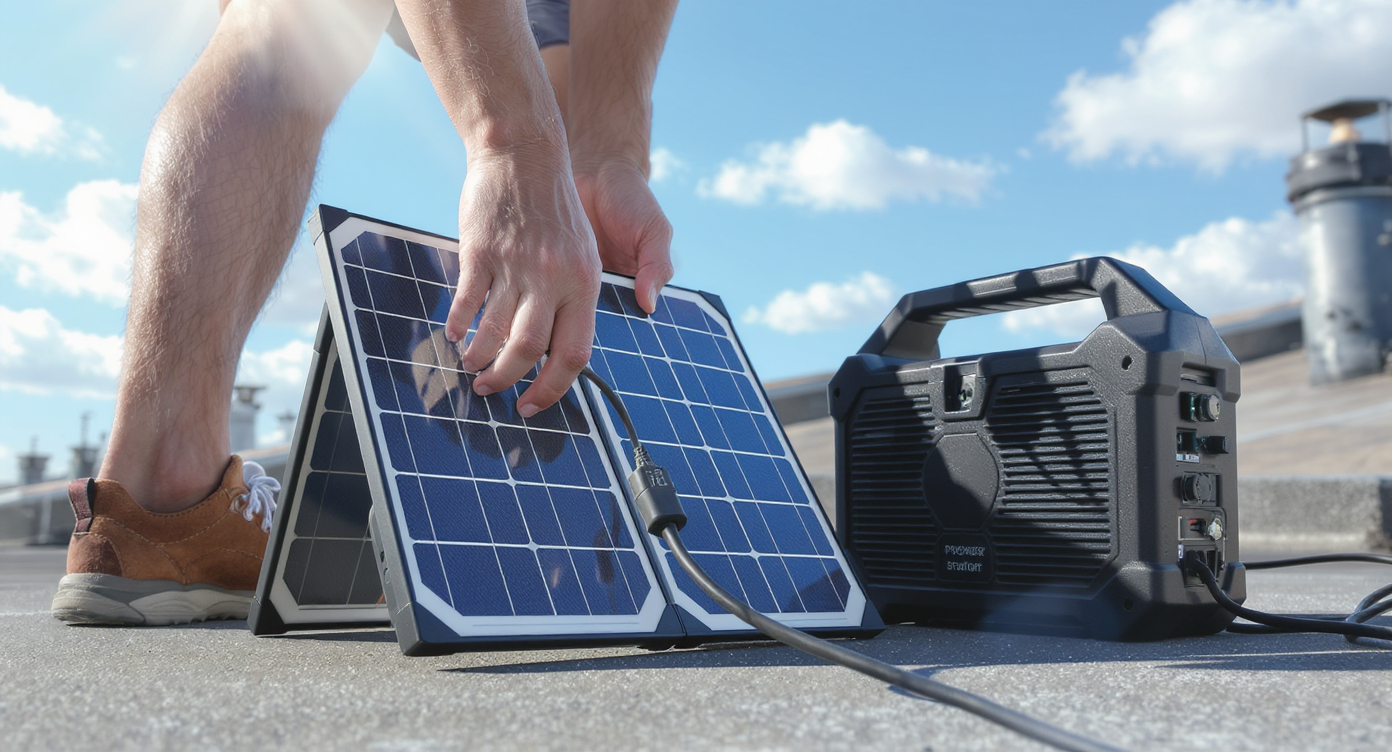
A Bluetti unit without solar panels is just a large battery — useful, but not self-sustaining. When choosing panels, pay attention to three things: wattage, open-circuit voltage (Voc), and whether they’re foldable/portable or rigid.
Bluetti sells its own PV series panels (120W, 200W, 350W), which are pre-matched to their units’ input specs. Third-party panels work too, but you need to verify the voltage range falls within your unit’s MPPT (Maximum Power Point Tracking — the charge controller algorithm that extracts maximum efficiency from panels) input window. Running panels with a Voc that exceeds the unit’s maximum input voltage can damage the charge controller permanently.
Insider tip: If you’re pairing multiple panels, connecting them in parallel (same voltage, added amperage) is generally safer for portable units than series wiring (added voltage), because it keeps the voltage within spec even if one panel is partially shaded. Check your unit’s manual for the recommended configuration — Bluetti’s documentation is actually quite good on this point.
How Does Bluetti Compare to Other Solar Generator Brands?
Bluetti competes primarily with Goal Zero, EcoFlow, Jackery, and Lion Energy in the portable power station space — and with brands like Generac and Patriot Power at the home-backup end. Each brand has real strengths worth understanding before you commit.
Goal Zero has been in the market longer and has a loyal following, particularly among outdoor enthusiasts. Their Yeti series is well-regarded — you can read independent assessments in our Goal Zero Yeti 400 solar generator review and the larger Goal Zero Yeti 1250 solar generator review for a direct feel for how they compare. Goal Zero’s ecosystem is strong, but Bluetti generally offers more watt-hours per dollar at the mid-to-high capacity range.
Generac dominates the whole-home standby generator space. If you need automatic whole-home backup that runs on natural gas or propane, Generac is worth serious consideration — see our Generac solar generator reviews for that angle. But for portable, solar-rechargeable use, Bluetti is the stronger contender.
Lion Energy and Titan are worth a look if you’re focused on modular off-grid systems. Our Lion solar generator reviews and Titan solar generator reviews cover those in depth. And if you’re considering budget-friendly options, the Flashfish solar generator review gives a realistic picture of what lower-cost units can and can’t do.
The honest summary: Bluetti earns its reputation through build quality, LiFePO₄ chemistry across most of its lineup, strong solar input specs, and a genuinely expandable ecosystem. It’s not the cheapest option, but it’s rarely the most expensive either — and the long cycle life makes the math work out favorably over several years of use.
Honest Pros and Cons of Buying Bluetti
- Pro: LiFePO₄ chemistry in most models means 3,000–3,500 cycles before significant degradation
- Pro: Expandable battery architecture on AC200MAX, AC300, and AC500 gives long-term flexibility
- Pro: High solar input wattage on mid-to-large units means faster recharge than many competitors
- Pro: Strong app connectivity (Bluetooth and Wi-Fi on newer models) for monitoring charge and output
- Con: Heavier than some competitors at equivalent capacity — the AC200MAX is around 62 lbs
- Con: Premium pricing; budget buyers may find better value in brands like Jackery or Flashfish for light use
- Con: Expansion batteries add significant cost — the full AC200MAX + B300 setup is a real investment
- Con: Not all models include wireless charging or UPS (Uninterruptible Power Supply) functionality
Recommended Bluetti Models for First-Time Buyers
Bluetti EB70S
Brand: Bluetti | Capacity: 716Wh | Output: 800W continuous (1,400W surge) | Solar Input: 200W max | Chemistry: LiFePO₄
Why it fits: The ideal entry point for campers and weekend off-gridders. Light enough to carry easily, capable enough to run a CPAP, laptop, and lights simultaneously, and priced accessibly for first-time buyers testing the solar generator concept.
Bluetti AC180
Brand: Bluetti | Capacity: 1,152Wh | Output: 1,800W continuous (2,700W surge) | Solar Input: 500W max | Chemistry: LiFePO₄
Why it fits: The best all-rounder for buyers who want one unit that handles both camping trips and occasional home backup. The 1,800W continuous output covers most household appliances, and 500W solar input means a full recharge in under 3 hours on a good day.
Bluetti AC200MAX
Brand: Bluetti | Capacity: 2,048Wh (expandable to 8,192Wh) | Output: 2,200W continuous (4,800W surge) | Solar Input: 900W max | Chemistry: LiFePO₄
Why it fits: The flagship choice for buyers who want home-backup capability with room to grow. The expandable battery system means you’re not locked into a fixed capacity — add B230 or B300 modules as your needs (and budget) evolve.
Bluetti AC300 + B300
Brand: Bluetti | Capacity: 3,072Wh per B300 module (up to 12,288Wh with 4 modules) | Output: 3,000W continuous (6,000W surge) | Solar Input: 2,400W max | Chemistry: LiFePO₄
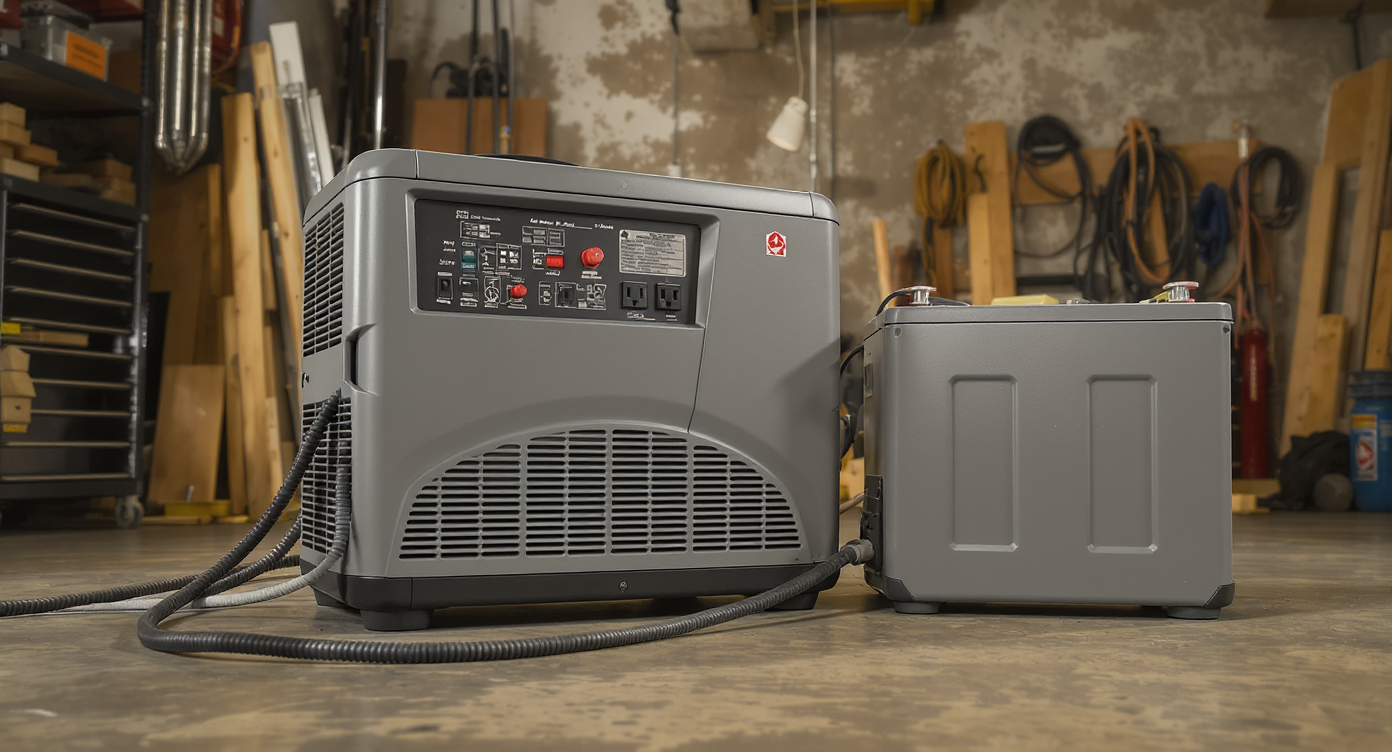
Why it fits: Serious home-backup buyers who want to run a window AC unit, sump pump, or medical equipment for extended periods. The 3,000W continuous output and massive expandable capacity put this in a different league from portable units — it’s a semi-permanent home energy system.
Frequently Asked Questions About Bluetti Solar Generators
Can I charge a Bluetti unit from my car while driving?
Yes — most Bluetti models include a 12V car charging port input. It’s slower than wall or solar charging (typically 100–200W input), but it’s useful for topping up on a long drive to a campsite. Some newer models also support 30A RV-style inputs for faster vehicle charging.
Does a Bluetti solar generator work during a power outage without any setup?
As a standalone unit, yes — you plug devices directly into the Bluetti’s AC outlets and it runs them from the battery. However, if you want to power hardwired home circuits (lights, outlets built into your walls), you need a transfer switch installed by an electrician. Without one, you connect appliances directly with extension cords.
How long does a Bluetti battery last before it needs replacing?
LiFePO₄ models are rated for approximately 3,000–3,500 full charge cycles to 80% capacity. If you cycle the battery once per day, that’s roughly 8–10 years of daily use before you’d notice meaningful degradation. Occasional users will see the battery outlast most of their other electronics.
Is Bluetti better than Patriot Power for home preparedness?
They target slightly different audiences. Patriot Power focuses heavily on emergency preparedness marketing, while Bluetti competes on raw specs and expandability. For a direct comparison, our Patriot solar generator reviews and the more compact Patriot Power Sidekick solar generator reviews give you a side-by-side feel for both ecosystems.
What’s the difference between a solar generator and a solar panel kit?
A solar panel kit (panels + charge controller + battery) is a fixed or semi-fixed installation, usually wired into a home or cabin. A solar generator is a self-contained, portable unit you can pick up and move. They serve different purposes — solar generators prioritize portability; panel kits prioritize cost-per-watt efficiency at larger scale.
Conclusion: Your Next Step as a First-Time Bluetti Buyer
Reading through Bluetti solar generator reviews without a framework is overwhelming. But once you’ve mapped your actual power needs, understood the three or four specs that genuinely matter, and matched those to a specific model tier, the decision becomes much more straightforward. Start with your load list. Pick the capacity tier that covers it with a 20–30% buffer. Then choose the model within that tier that fits your budget and solar input requirements.
If you’re still comparing brands, don’t skip the alternatives — our coverage of the Be Prepared solar generator reviews and the PowerSource 1800 solar generator review round out the competitive picture nicely. Every buyer’s situation is different, and the best solar generator is the one that matches your specific load, budget, and use case — not just the one with the highest specs on paper.
Take the load list seriously, give yourself permission to start smaller than you think you need, and remember that Bluetti’s expandable models mean you’re not locked into a single capacity forever. That flexibility is genuinely one of the brand’s strongest selling points — and it’s worth paying a little extra for if long-term energy independence is the goal.