You’ve done a bit of research, landed on the Patriot brand, and now you’re staring at a product page wondering whether this is the right call. Maybe a friend mentioned it, or you saw an ad that made some bold promises. Either way, if you’re reading patriot solar generator reviews for the first time, this guide is built for you — not for someone who already owns three power stations and a battery bank.
We’re going to walk through this step by step: what Patriot solar generators actually are, how to evaluate whether one fits your needs, how they stack up against competing brands, and what first-time buyers consistently get wrong. By the end, you’ll know exactly what to look for and whether a Patriot unit belongs in your home, garage, or go-bag.
What Is a Patriot Solar Generator, Exactly?
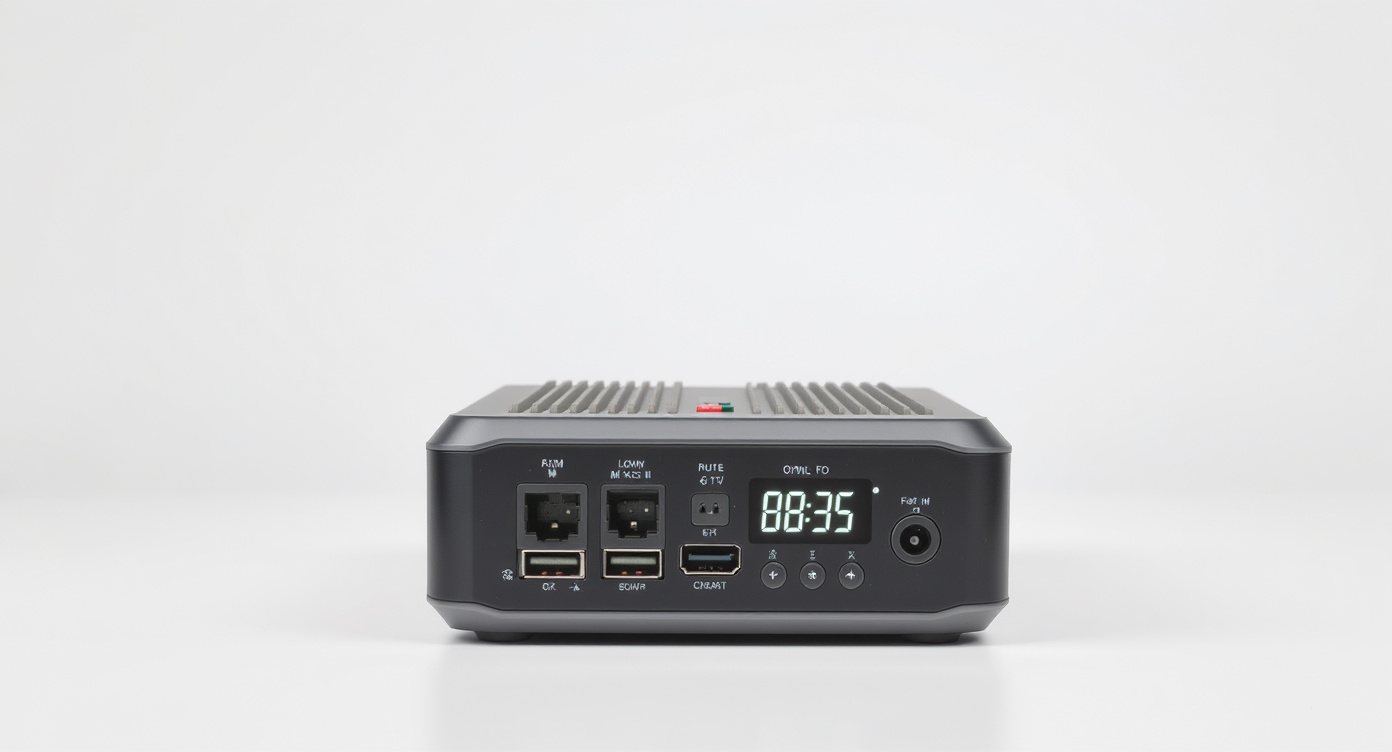
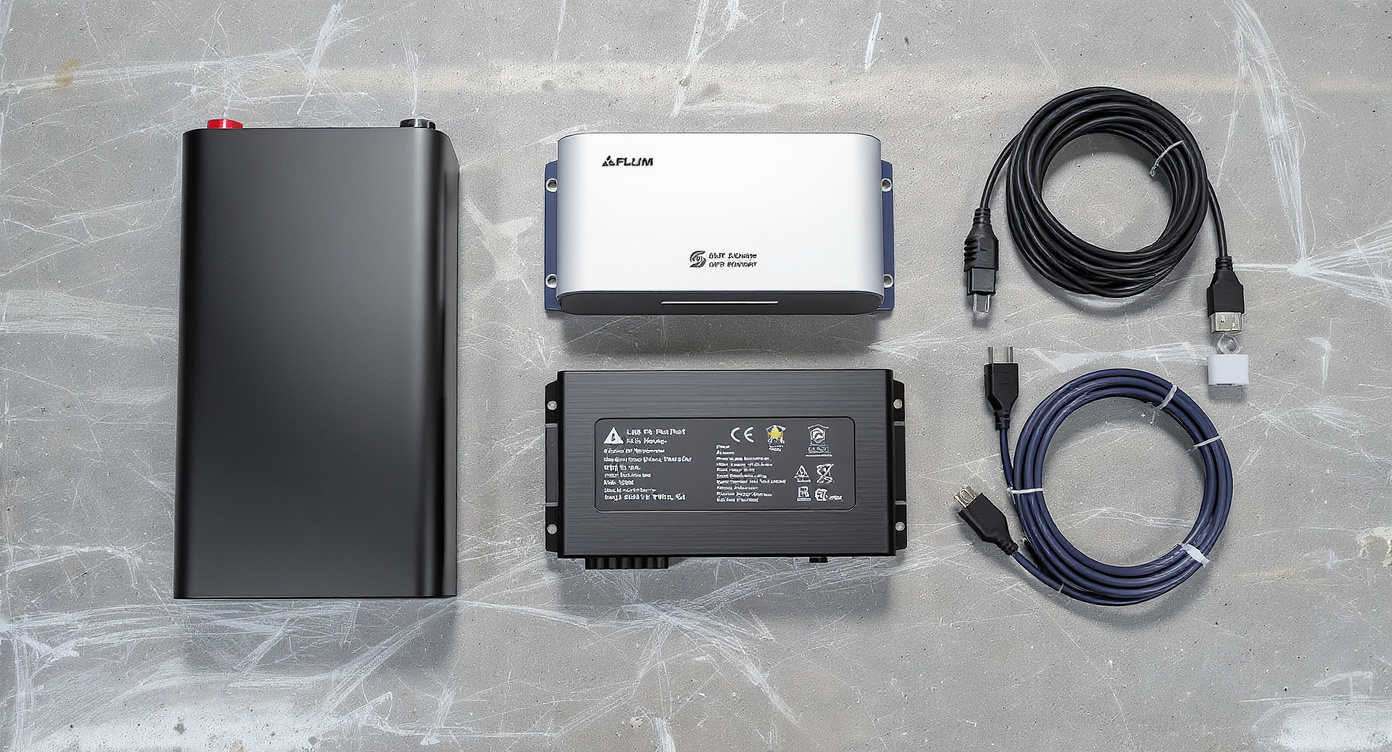
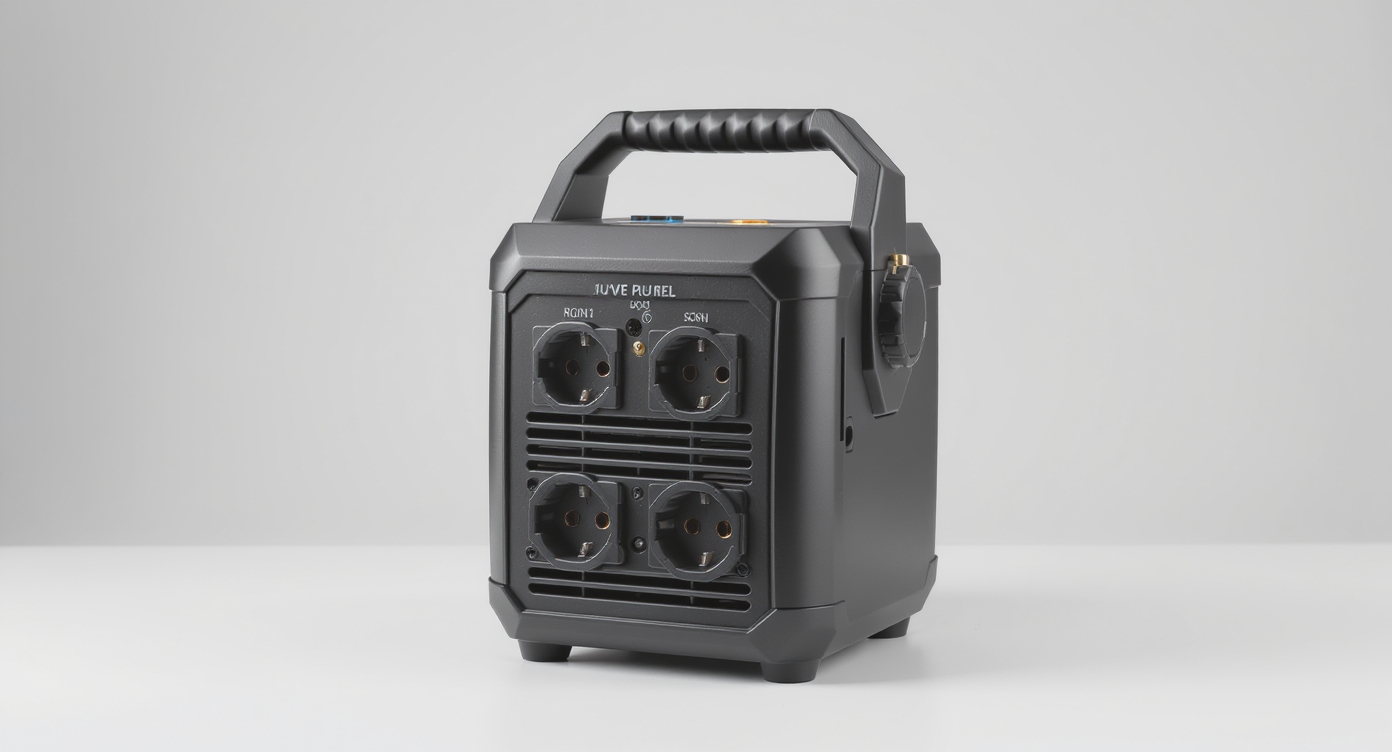
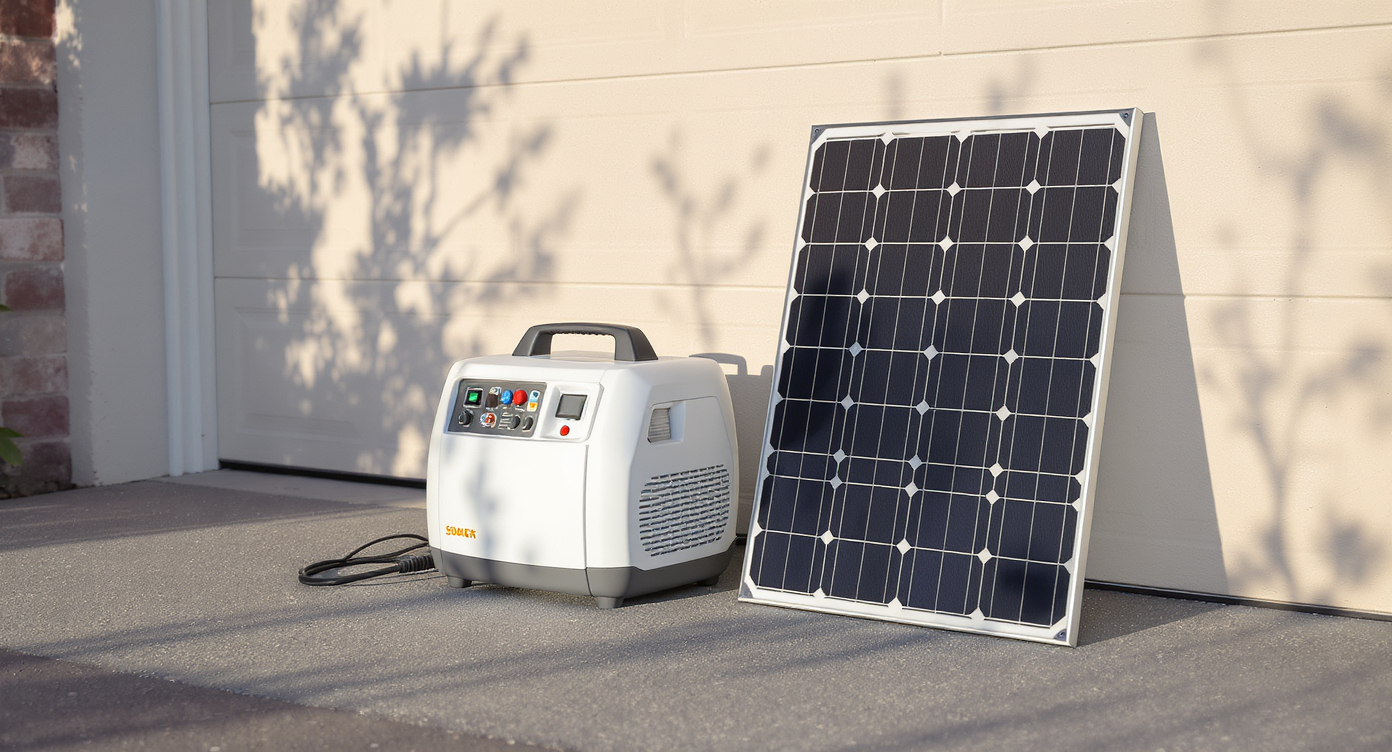
Before diving into specs and comparisons, let’s get clear on what you’re actually buying. A solar generator isn’t a traditional generator — there’s no fuel tank, no engine, and no exhaust. Instead, it’s a portable power station (a rechargeable lithium battery with a built-in inverter and charge controller) that can be topped up by solar panels, a wall outlet, or a car’s 12V port.
The “Patriot” branding is associated with 4Patriots, a preparedness-focused company that markets its products heavily toward emergency readiness and self-reliance. Their solar generator lineup — including the well-known Patriot Power Generator series — is designed to be approachable for people who aren’t tech-savvy. That’s a genuine strength, and also something worth keeping in mind as you compare specs to competitors.
Quick answer for featured snippet: Patriot solar generators are portable battery-based power stations designed for emergency backup and off-grid use. They charge via solar panels or AC wall outlets, produce clean sine wave AC power, and are marketed primarily toward preparedness-minded buyers who want a simple, reliable solution without complex setup.
Step 1 — Figure Out What You Actually Need to Power
This is where most first-time buyers stumble. They pick a generator based on marketing language — “powers your whole home!” — without doing the math first. Think of your power needs like a guest list for a dinner party: you have to know how many people are coming before you decide how much food to cook. Guess too low and someone goes hungry; guess too high and you’ve wasted a lot of effort.
Start by listing the devices you’d want to run during an outage or off-grid situation. For each one, note its wattage (the rate at which it consumes electricity) and how many hours per day you’d use it. Multiply wattage × hours to get watt-hours (Wh) — that’s the actual energy your device consumes daily.
- Phone charger: ~5–20W, a few hours = roughly 20–40Wh/day
- LED lamp: ~10W, 5 hours = 50Wh/day
- CPAP machine (no humidifier): ~30–60W, 8 hours = 240–480Wh/night
- Mini fridge: ~80–150W average draw, running 24/7 = 600–1,200Wh/day
- Electric kettle or microwave: 1,000–1,500W — these are high-draw appliances that quickly test a unit’s output limits
Add those up. That total tells you the minimum capacity you need. Patriot’s entry-level units tend to sit in the 300–800Wh range, which is solid for phones, lights, a CPAP, and small fans — but won’t run a full-size refrigerator for more than a few hours. Their larger offerings push into the 1,000Wh+ territory, which opens up more flexibility.
If you’re comparing this to what other brands offer at similar price points, it’s worth checking out Bluetti solar generator options and Generac solar generator models, both of which offer a wide range of capacities and have strong reputations in the market.
Step 2 — Understand the Key Specs (Without the Jargon Fog)
Solar generator spec sheets can feel like alphabet soup. Here’s what actually matters for a first-time buyer:
Battery Capacity (Wh)
This is the fuel tank. A 500Wh unit stores 500 watt-hours of usable energy. The higher this number, the longer you can run your devices before needing to recharge. For serious preparedness use, most experts recommend at least 1,000Wh — and ideally more if you’re running medical equipment or refrigeration.
Continuous Output (Watts)
This tells you how much power the unit can deliver at once. A 500W continuous output means you can run devices totaling up to 500W simultaneously. If you plug in something that draws more — say, a coffee maker at 900W — the unit will either shut down via its protection circuit or struggle to keep up. Always check this number against your highest-draw appliance.
Battery Chemistry: LiFePO4 vs. NMC
LiFePO4 (lithium iron phosphate) batteries are safer, more thermally stable, and typically last 2,000–3,500+ charge cycles. NMC (nickel manganese cobalt) batteries are more energy-dense but degrade faster and carry slightly more thermal risk. For long-term preparedness use, LiFePO4 is the preferred chemistry — and if that’s a priority for you, check out our breakdown of the best LiFePO4 solar generators on the market.
Solar Input (Watts)
This is how fast the unit can accept charge from solar panels. A 200W solar input limit means even if you connect 400W of panels, the unit will only pull 200W. Match your panel array to the unit’s maximum input for efficient charging.

Step 3 — Evaluate Patriot’s Actual Product Line Honestly
Here’s where we get into the real talk. Patriot solar generators are genuinely decent entry-level units — they’re built to be simple, they come with clear instructions, and the company’s customer service has a reasonable reputation. But they’re not without trade-offs.
What Patriot Does Well
- Ease of use: Minimal setup, intuitive interfaces, good for non-technical buyers
- Marketing clarity: They’re upfront about use cases (emergency prep, not whole-home backup)
- Bundled packages: Many Patriot kits include panels and cables, reducing the guesswork of compatibility
- Customer support: Generally responsive, with a preparedness-community focus
Where Patriot Falls Short
- Capacity-to-price ratio: Compared to brands like Bluetti or EcoFlow, you often get fewer watt-hours per dollar
- Battery chemistry transparency: Not all models clearly disclose LiFePO4 vs. NMC chemistry upfront
- Expandability: Most Patriot units aren’t designed to add extra battery modules later
- Output ceiling: Larger appliances may be out of reach for their mid-range models
Insider tip: If you’re drawn to Patriot’s preparedness branding but want more raw capacity, consider pairing a Patriot unit with a standalone solar panel array rather than relying solely on their bundled panels — you can often get more wattage for less money by sourcing panels separately.
Step 4 — Compare Before You Commit
No buying decision should happen in a vacuum. Patriot solar generators occupy a specific niche — preparedness-focused, beginner-friendly, mid-range capacity — and there are several brands worth comparing before you finalize anything.
The Patriot Power Sidekick is one of their smaller, more portable offerings — useful for understanding what the brand does at the compact end of the spectrum. Meanwhile, if you’re curious about how a larger-format competitor performs, the Titan solar generator is a high-capacity unit that appeals to serious off-grid users with bigger energy demands.
For mid-range shoppers, the Bluetti 2400Wh solar generator offers substantially more storage and is worth a look if you’re considering anything in the $1,500–$2,500 range. And if budget is the primary driver, the Flashfish solar generator is a budget-conscious alternative with a loyal following among campers and light-use buyers.
Ask yourself: are you buying for a genuine emergency scenario where reliability is non-negotiable, or for occasional camping and convenience? The answer changes which specs matter most.
Step 5 — Plan Your Solar Charging Setup
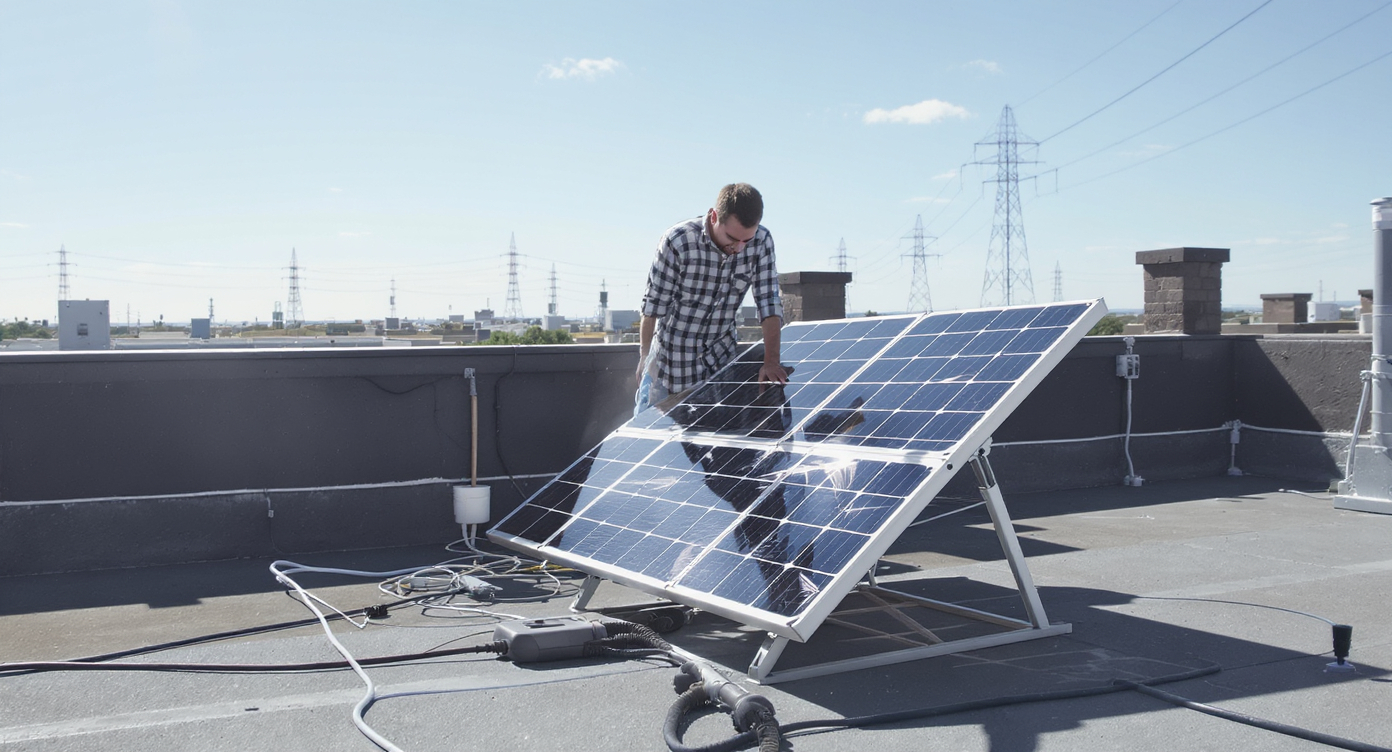
One thing new buyers frequently overlook is the solar charging side of the equation. A solar generator is only as useful as its ability to recharge — and solar charging speed depends on panel wattage, sun hours in your location, and the unit’s maximum solar input.
In most of the continental U.S., you can count on roughly 4–5 peak sun hours per day on average (though this varies significantly by region and season). If your unit has a 200W solar input and you get 4 peak sun hours, you’ll add roughly 800Wh per day — enough to meaningfully recharge a mid-size unit on a clear day.
Insider tip: Tilt your panels toward true south (in the northern hemisphere) at an angle roughly equal to your latitude for maximum daily output. Even a 10–15° adjustment from flat can add 15–20% more energy harvest on a clear day — a detail most product manuals skip entirely.
For a different perspective on solar generator performance in real-world conditions, the Goal Zero Yeti 1250 review and the Goal Zero Yeti 400 review both offer solid benchmarks for how solar input translates to usable daily power — useful reference points even if you end up choosing Patriot.
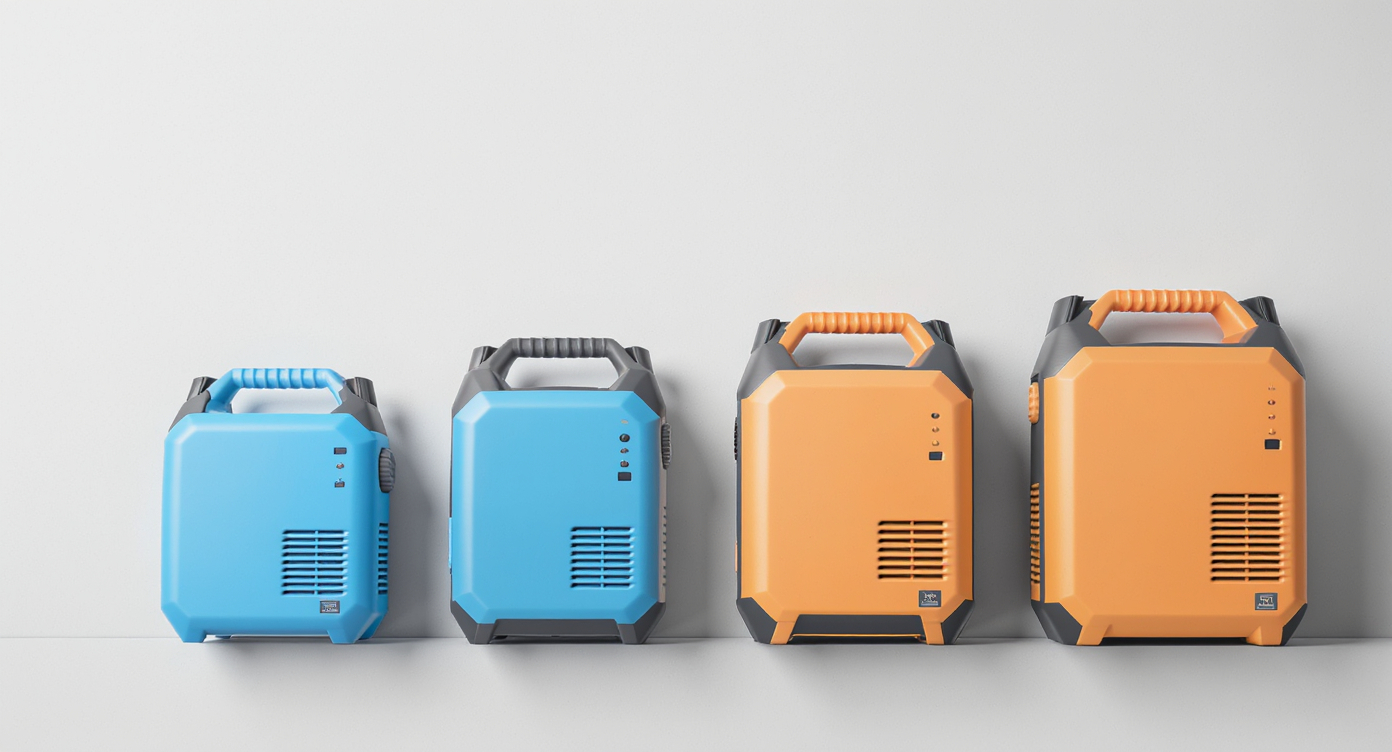
Solar Generators Worth Considering Alongside Patriot
EcoFlow DELTA 2
Brand: EcoFlow
Key Specs: 1,024Wh LiFePO4 capacity | 1,800W AC output (2,700W surge) | 1,200W solar input | charges 0–80% in ~50 minutes via AC
Why it fits: For first-time buyers who want more capacity and faster charging than most Patriot units, the DELTA 2 is a strong step up with excellent expandability and a proven track record.
Jackery Explorer 1000 Pro
Brand: Jackery
Key Specs: 1,002Wh capacity | 1,000W continuous AC output | 800W solar input | quiet, lightweight design
Why it fits: A beginner-friendly unit with a reputation for reliability and a large support community — comparable in approachability to Patriot but with stronger spec transparency.
Bluetti AC200P
Brand: Bluetti
Key Specs: 2,000Wh capacity | 2,000W AC output | 700W solar input | 17 output ports
Why it fits: If you’re leaning toward Patriot but want more capacity headroom for medical devices, refrigeration, or multi-day outages, the AC200P is a well-reviewed step up.
Anker SOLIX C800
Brand: Anker
Key Specs: 768Wh LiFePO4 capacity | 800W AC output | 300W solar input | compact and portable
Why it fits: A solid mid-range alternative for buyers who want Patriot’s simplicity but prefer a brand with broader retail availability and strong warranty support.
Frequently Asked Questions About Patriot Solar Generators
Can a Patriot solar generator run a refrigerator?
It depends on the model. A standard full-size refrigerator draws 100–400W and cycles on and off throughout the day, consuming roughly 1,000–1,500Wh daily. Most entry-level Patriot units won’t sustain that load for more than a few hours. Their larger models may manage a small or energy-efficient mini fridge, but plan carefully and check the unit’s continuous output rating against your fridge’s compressor startup surge.
How long does it take to charge a Patriot solar generator with solar panels?
This depends on the unit’s capacity, the panel wattage included or used, and your local sun hours. As a rough guide: a 400Wh unit with 100W of panels and 4 peak sun hours would take roughly one full sunny day to recharge from empty. Larger units take proportionally longer unless you add more panel wattage.
Are Patriot solar generators worth the price compared to other brands?
They offer genuine value in terms of simplicity and customer support, but the capacity-to-dollar ratio tends to favor competitors like EcoFlow, Jackery, or Bluetti at similar price points. If ease of use and the preparedness-brand ecosystem matter to you, Patriot is a reasonable choice. If raw specs per dollar are the priority, shop around. Checking Be Prepared solar generator reviews and Lion solar generator reviews can give you additional comparison points in the preparedness-focused segment.
What’s the difference between a solar generator and a gas generator?
A gas generator burns fuel to produce electricity in real time — it’s loud, requires ventilation, and needs a steady fuel supply. A solar generator stores energy in a battery and releases it silently, with no emissions. Gas generators typically offer higher output for the price; solar generators offer portability, quiet operation, and fuel-free recharging. Many preparedness-minded buyers keep both.
Do I need a special transfer switch to use a Patriot solar generator at home?
No — most portable solar generators are designed to be used as standalone devices. You plug your appliances directly into the unit’s outlets. They are not wired into your home’s electrical panel, so no transfer switch (a device that safely disconnects you from the utility grid when running backup power) is required. If you want whole-home backup, that’s a different product category entirely.
Can I use a Patriot solar generator while it’s charging?
Most models support pass-through charging (using the unit while it simultaneously charges from solar or AC), but it’s worth confirming for the specific model you’re considering. Continuous pass-through use can generate more heat, which over time may affect battery longevity — something to factor in if you plan to use it as a semi-permanent power source. Also worth reading: the PowerSource 1800 solar generator review for a comparison of how another brand handles this feature.
Conclusion: Is a Patriot Solar Generator the Right Starting Point?
For a first-time buyer focused on emergency preparedness who values simplicity over maximum specs-per-dollar, a Patriot solar generator is a legitimate option — not perfect, but solid. The brand’s strength is in its approachability: clear instructions, responsive support, and a product line that doesn’t require an electrical engineering background to operate.
That said, do the math before you buy. Know what you need to power, check the unit’s continuous output and total capacity against your real-world loads, and compare at least two or three alternatives before committing. The best solar generator for you is the one that matches your actual energy needs — not the one with the best ad copy.
Ready to dig deeper? Explore our full comparison of Generac solar generator reviews for a look at how a major generator brand approaches the solar-hybrid market, or browse our broader solar generator coverage to find the unit that fits your setup, budget, and goals.