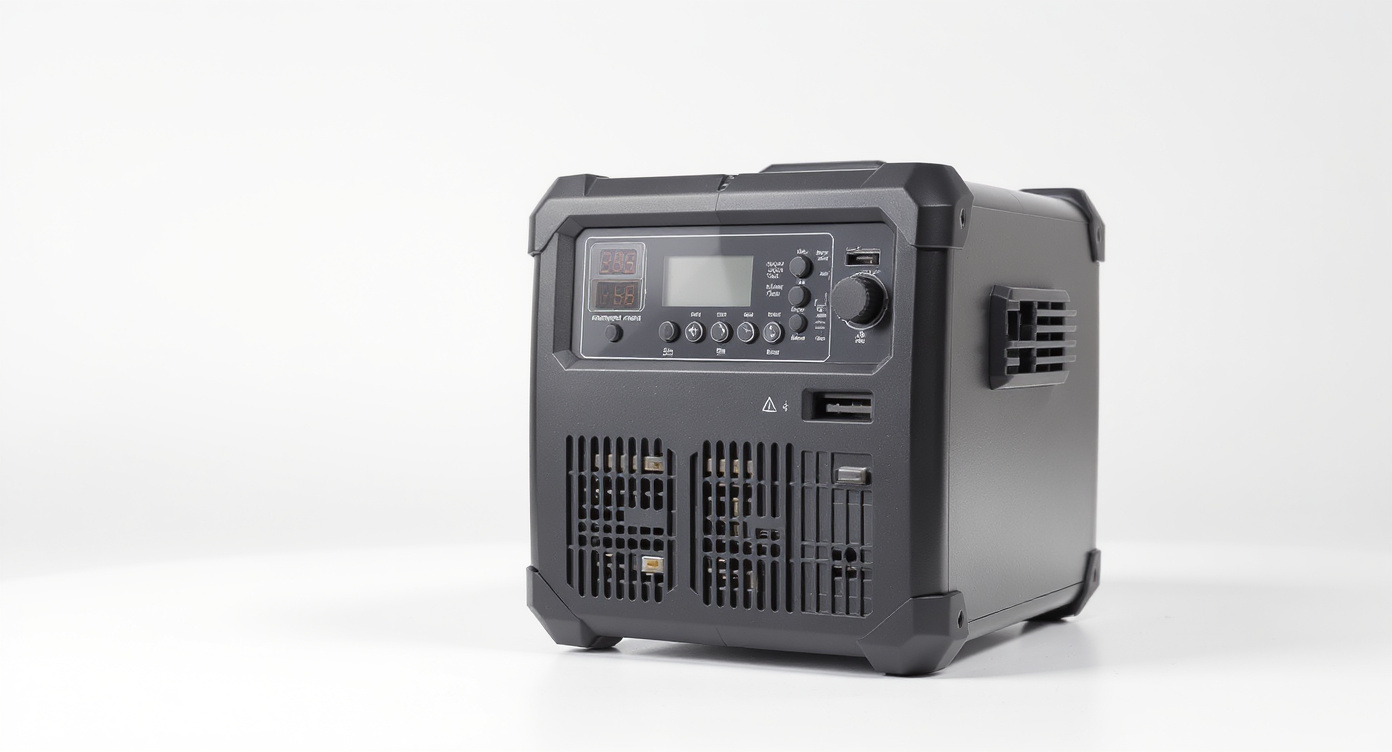
You’ve narrowed your search to a handful of portable power stations, and the Goal Zero Yeti 400 keeps showing up on every shortlist. So is the reputation earned, or is this one of those products that looks better on paper than it performs in your driveway, at your campsite, or plugged into your home office during a grid hiccup? This Goal Zero Yeti 400 solar generator review cuts through the marketing noise and gives you a comparison-led look at what this unit actually does well, where it falls short, and how it stacks up against the broader portable power market in 2026.
Quick Answer: What Is the Goal Zero Yeti 400?
The Goal Zero Yeti 400 is a portable power station (a self-contained battery with built-in inverter, charge controller, and multiple output ports) with a roughly 396 Wh lithium capacity. It can be recharged via wall outlet, car adapter, or compatible solar panels. It’s designed for light-to-medium loads — think laptops, LED lighting, a CPAP machine, or phone banks — rather than power-hungry appliances like a full refrigerator or microwave.
- Capacity: ~396 Wh
- AC Output: 300W continuous (surge up to ~1,200W on some versions)
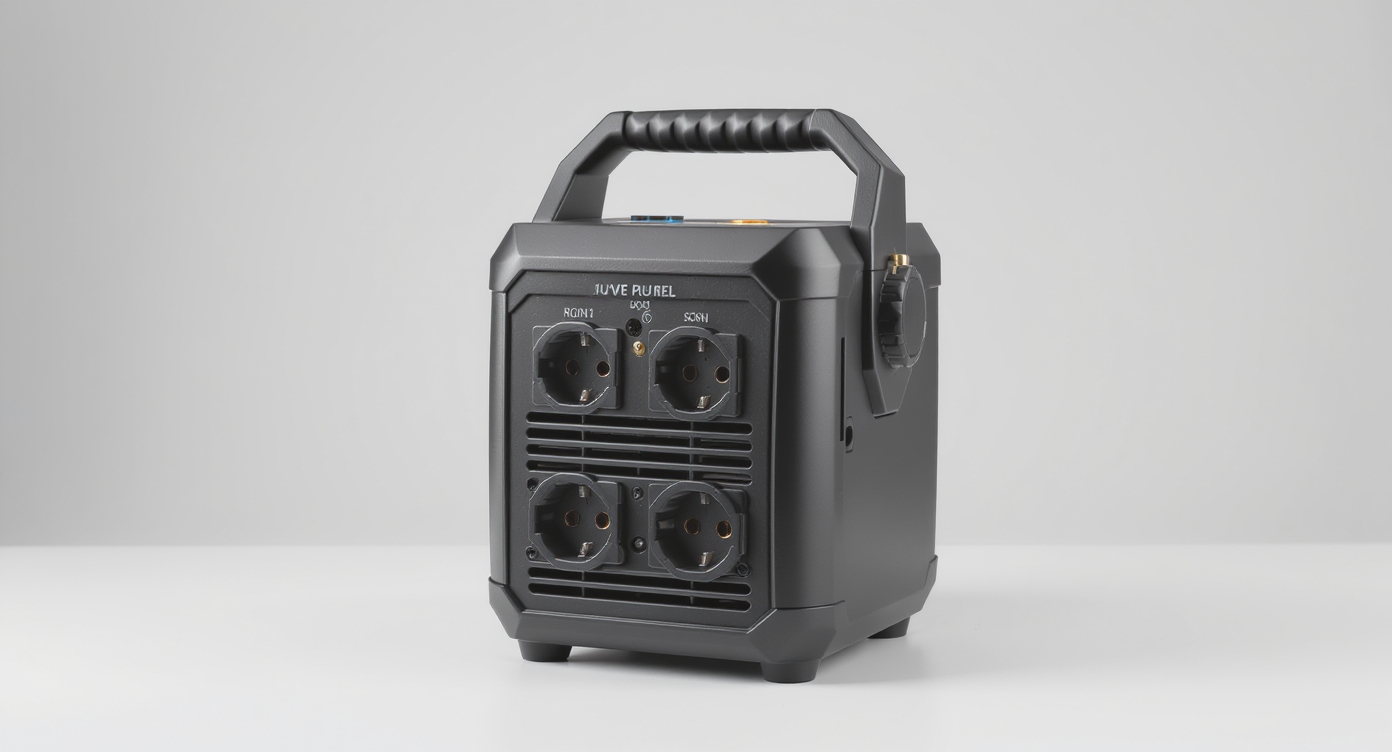
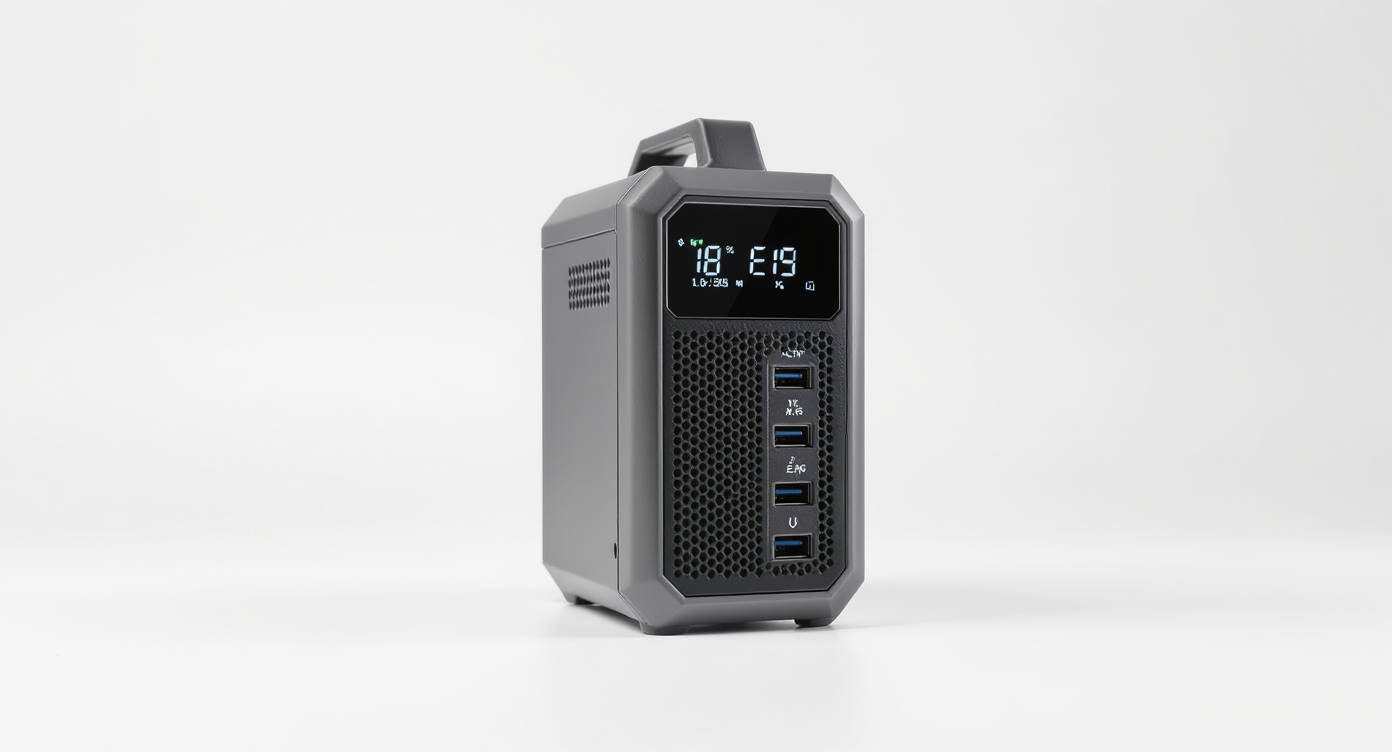
- Ports: AC outlet, USB-A, 12V car port, Anderson Power Pole
- Weight: approximately 29 lbs
- Solar Input: up to 120W via compatible Goal Zero panels
Yeti 400 vs. the Competition: How Does It Actually Compare?
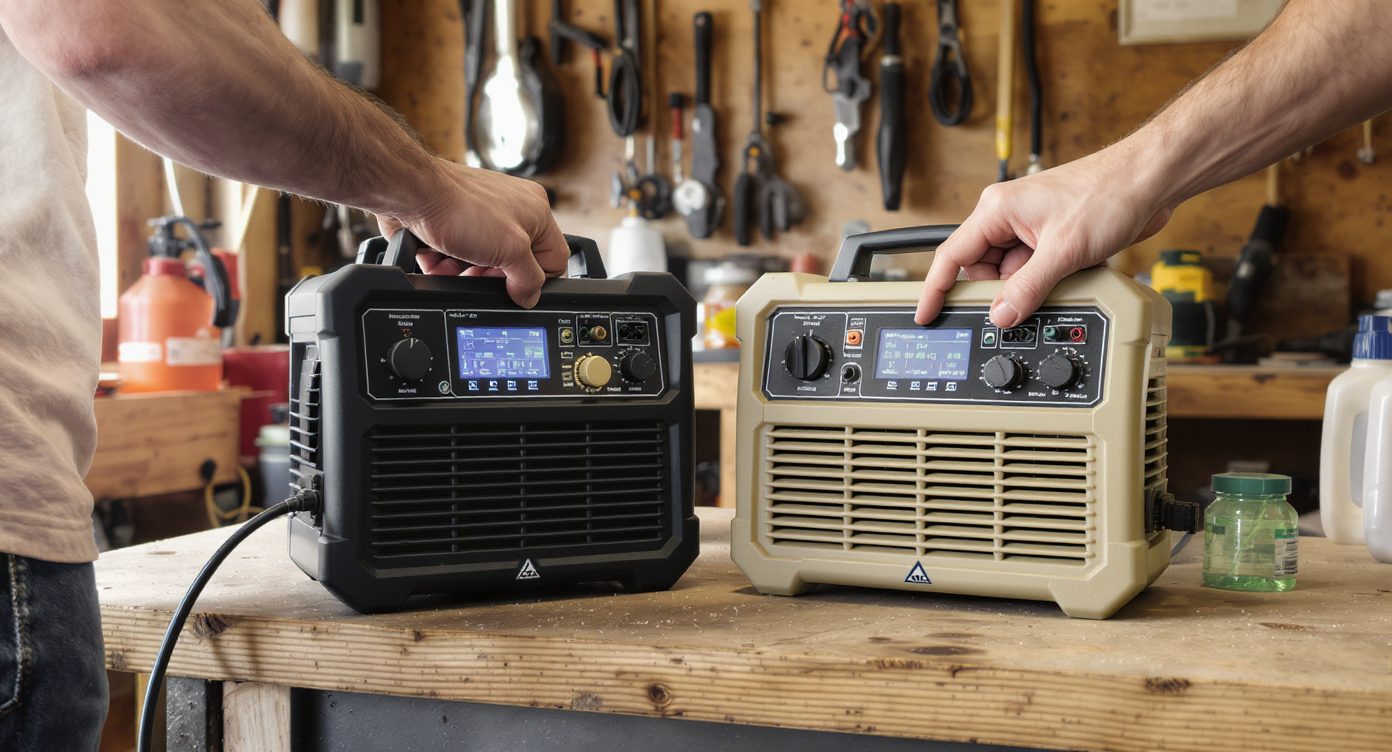
Comparison shopping in the portable power station market is genuinely tricky because manufacturers measure and market specs differently. The Yeti 400 sits in a crowded middle tier, and understanding where it wins — and where rivals eat its lunch — is the whole point of this review.
Goal Zero Yeti 400 vs. Bluetti Portable Power Stations
Bluetti has made serious waves in this category. If you look at Bluetti solar generator reviews, you’ll notice their units consistently offer higher capacity per dollar, with LiFePO4 (lithium iron phosphate — a chemistry known for longer cycle life and better thermal stability) options that the Yeti 400’s older lead-acid or standard lithium builds simply can’t match on longevity. A comparable Bluetti unit at a similar price point may deliver 500–700 Wh with 500W+ AC output. For buyers who prioritize raw capacity and cycle count, Bluetti tends to win on paper.
That said, Goal Zero’s ecosystem integration is tighter. Their proprietary connectors and solar panel lineup are purpose-built to work together, which reduces the setup friction that sometimes plagues third-party panel pairings. If you already own Goal Zero solar panels, the Yeti 400 slots in cleanly. If you don’t, you’re paying a premium for ecosystem lock-in that may not serve you.
Goal Zero Yeti 400 vs. Patriot Power Units
The Patriot solar generator lineup targets a slightly different buyer — typically the emergency preparedness crowd. Patriot units lean into long shelf-life and ease-of-use marketing. The Yeti 400 edges out most Patriot units on build quality and port variety, but Patriot’s customer support and warranty experience tends to draw stronger loyalty from its user base. If emergency prep is your primary use case, it’s worth reading dedicated be prepared solar generator reviews before committing to either brand.
Goal Zero Yeti 400 vs. Flashfish and Budget Options
At the budget end of the spectrum, brands like Flashfish offer units with similar watt-hour ratings at significantly lower prices. A Flashfish solar generator review will typically show competitive specs on paper, but the trade-off is usually in build quality, inverter efficiency, and long-term reliability. The Yeti 400 is a premium product, and you’re partly paying for Goal Zero’s track record and warranty support — a real consideration if you’re planning to rely on this unit for years, not just a season.
Where the Yeti 400 Genuinely Shines
Here’s the thing about the Yeti 400 that gets lost in spec-sheet comparisons: it’s exceptionally well-suited to specific scenarios. The build is solid and intuitive — there’s no learning curve to plug in and power up. The display gives you a clear read on input/output and estimated runtime, which is surprisingly useful when you’re trying to decide whether to run the fan or charge the laptop first.
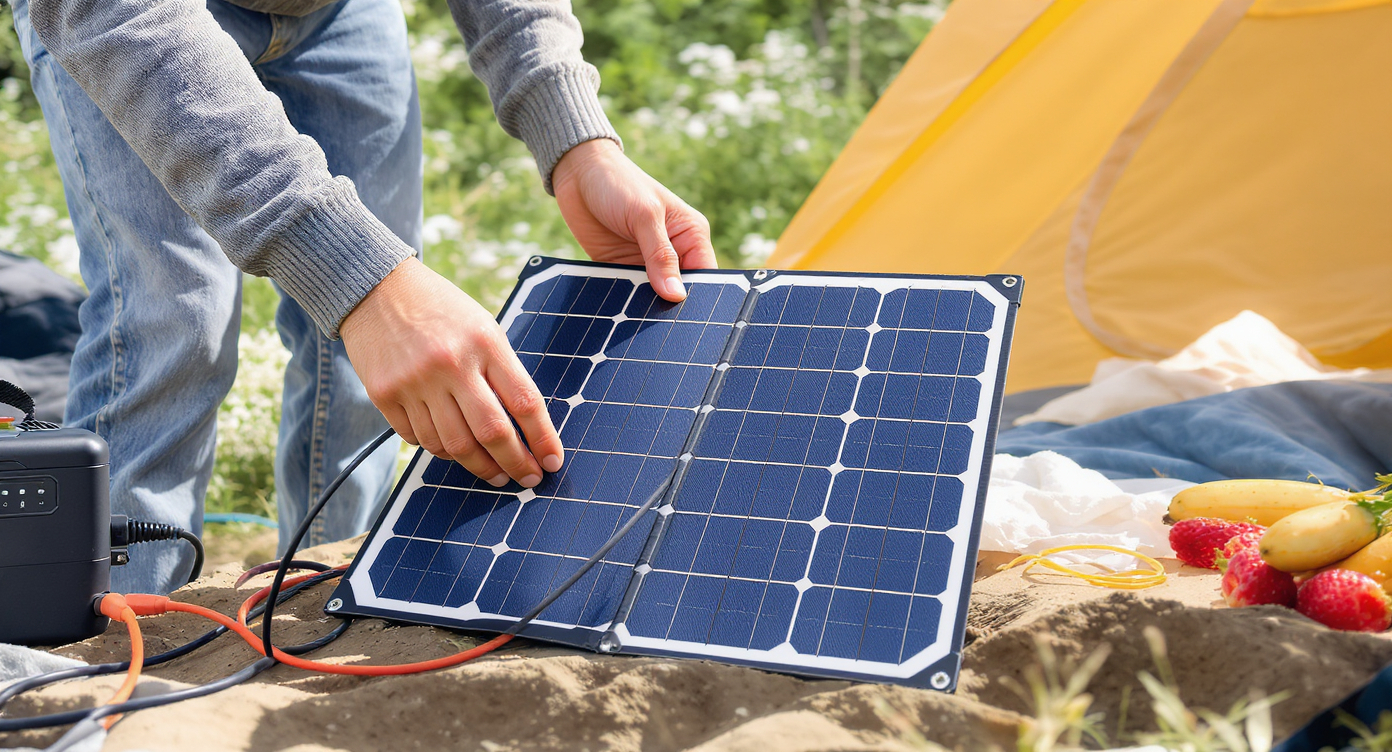
For car camping, overlanding, or weekend cabin trips, the Yeti 400’s weight-to-usability ratio makes sense. At roughly 29 lbs, it’s heavy for a backpack but manageable for a truck bed or cabin shelf. Pair it with a 100W Goal Zero solar panel and you have a genuinely self-sustaining light-duty power loop on sunny days — enough to keep devices charged, run a small fan, and power LED camp lighting without touching your vehicle’s battery.
It’s also worth noting that Goal Zero’s customer service reputation is genuinely above average in this category. When something goes wrong — and eventually something always does with electronics used in field conditions — having a responsive manufacturer matters more than most buyers realize before they need it.
Where the Yeti 400 Struggles
Let’s be honest about the limitations, because this is where a lot of buyers get burned by enthusiasm.
- AC output ceiling: At 300W continuous, the Yeti 400 cannot run most microwaves, hair dryers, electric kettles, or full-size refrigerators. If those are on your must-power list, you need to look at the Goal Zero Yeti 1250 or a higher-capacity unit entirely.
- Slow solar recharge: With a 120W solar input cap, a full recharge from a 100W panel takes most of a sunny day — longer if cloud cover interrupts charging. This isn’t unusual for the category, but it’s a real constraint for multi-day off-grid use.
- Battery chemistry: Older Yeti 400 units use standard lithium (not LiFePO4), which means fewer total charge cycles and slightly less tolerance for deep discharge. If cycle longevity is a priority, check out the best LiFePO4 solar generator options before deciding.
- Price-to-capacity ratio: Compared to newer competitors, you’re getting fewer watt-hours per dollar than the current market average. The brand premium is real.
Insider Tip: Check the Inverter Efficiency Rating
Most product listings don’t highlight inverter efficiency, but it matters. An inverter (a device that converts the battery’s DC power into the AC power your appliances use) that runs at 85% efficiency is burning 15% of your stored energy as heat every time you use an AC outlet. The Yeti 400’s inverter efficiency is respectable but not class-leading. For DC-native devices — USB charging, 12V accessories — you’ll get meaningfully more runtime than the AC specs suggest. Whenever possible, use the DC outputs for devices that accept them.
The Powersource 1800 and Titan: When You’ve Outgrown the Yeti 400
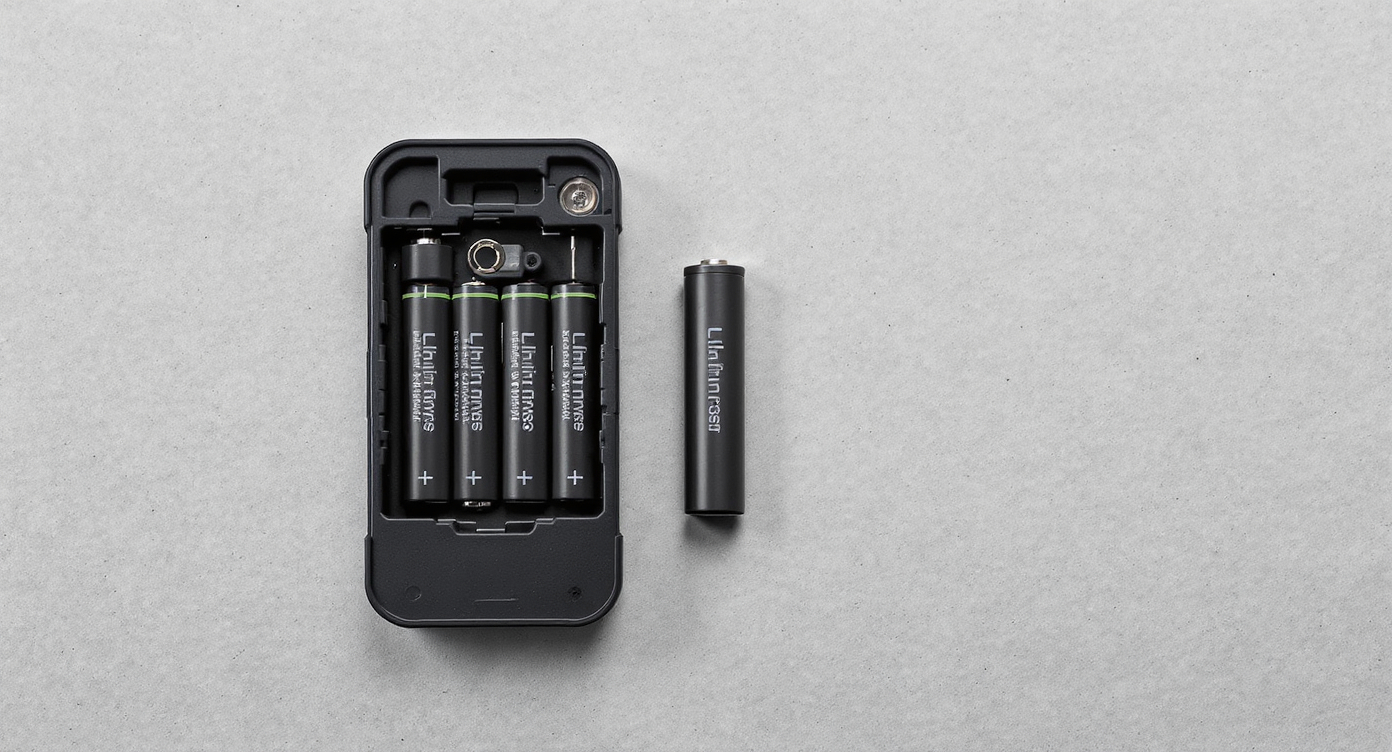
If you’re reading this review and realizing the Yeti 400 is undersized for your needs, it’s worth knowing where the next tier lives. The Powersource 1800 solar generator is a significant step up in capacity and output, designed for users who need to run larger appliances or cover longer outage windows. Similarly, the Titan solar generator targets serious off-grid and home backup users with expandable battery capacity — a fundamentally different product philosophy than the Yeti 400’s self-contained design.
Think of the Yeti 400 as a Swiss Army knife: versatile, reliable, and the right tool for a wide range of light tasks. The Titan is more like a full workshop — more capable, but you need to know you’ll actually use that capability before you invest in it.
Honest Pros & Cons of the Goal Zero Yeti 400
Pros:
- Intuitive, clean interface with informative display
- Excellent ecosystem compatibility with Goal Zero solar panels
- Solid build quality and above-average brand support
- Multiple output types (AC, USB, 12V, Anderson Power Pole) in one unit
- Genuinely portable at ~29 lbs for car camping and overlanding
Cons:
- Higher price-per-watt-hour compared to current competitors
- 300W AC output limits appliance compatibility
- Older units lack LiFePO4 chemistry (fewer cycles, less thermal stability)
- Solar input capped at 120W (slow full recharge)
- Ecosystem lock-in can be costly if you expand your setup later
Portable Power Stations Worth Considering Alongside the Yeti 400
Goal Zero Yeti 500X
Brand: Goal Zero
Capacity: 505 Wh | AC Output: 300W continuous | Weight: ~12.9 lbs
A lighter, higher-capacity successor with USB-C PD charging. If you’re already in the Goal Zero ecosystem and want an upgrade path from the Yeti 400, the 500X is the natural next step — more capacity, less weight, same intuitive interface.
Jackery Explorer 500
Brand: Jackery
Capacity: 518 Wh | AC Output: 500W continuous | Weight: ~13.3 lbs
A strong direct competitor. The Explorer 500 offers more AC output and capacity at a lower price point, making it a compelling alternative for buyers who don’t need Goal Zero’s ecosystem integration and want more power per dollar.
Bluetti EB55
Brand: Bluetti
Capacity: 537 Wh | AC Output: 700W continuous | Weight: ~16.4 lbs
For buyers who want LiFePO4 longevity and higher AC output in a portable form factor, the EB55 is hard to ignore at this price tier. It significantly outperforms the Yeti 400 on AC output and cycle life — relevant if you’re planning heavy or frequent use.
Lion Energy Safari LT
Brand: Lion Energy
Capacity: 450 Wh | AC Output: 300W continuous | Battery: LiFePO4
Lion Energy’s LiFePO4 units are worth a look if long-term cycle life is your priority. Check out Lion solar generator reviews for a deeper look at how their lineup performs across different use cases.
Insider Tip: The Sidekick for Smaller Needs
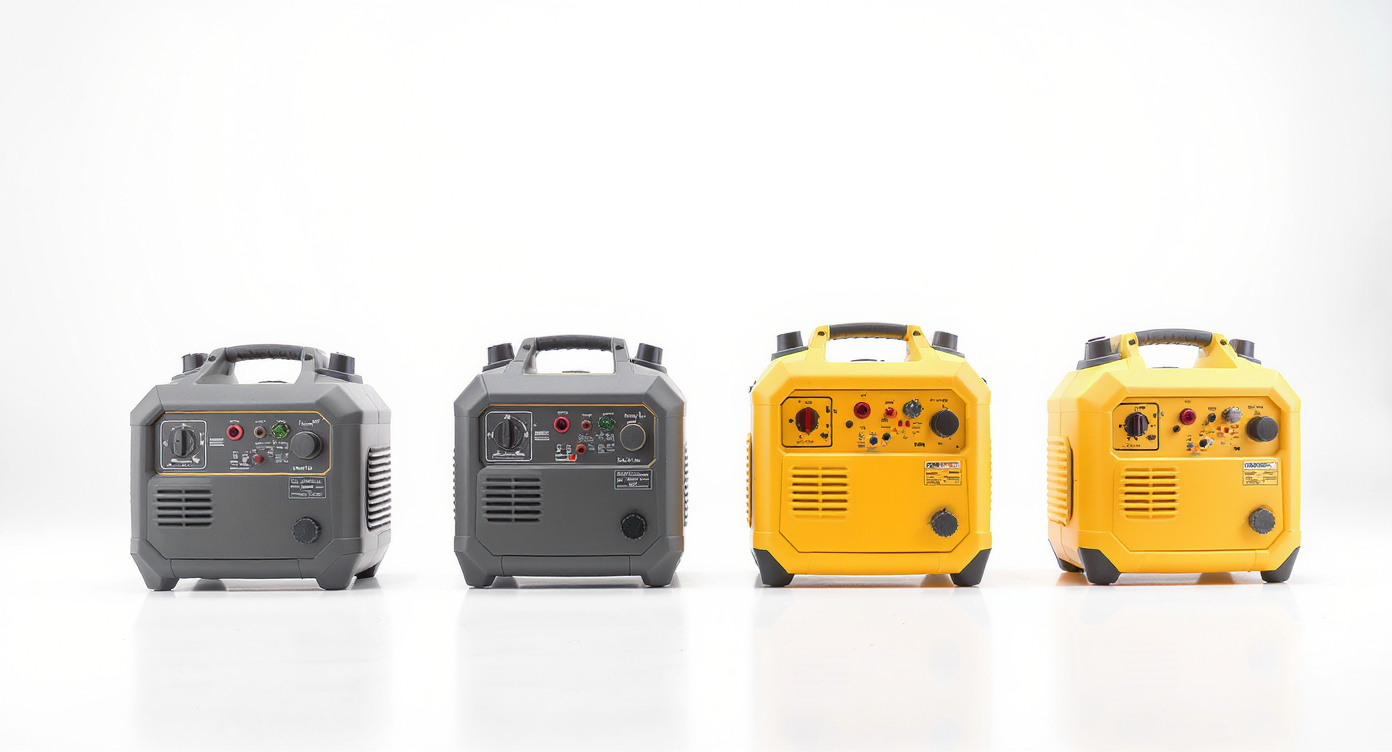
If you find yourself regularly using only a fraction of the Yeti 400’s capacity — charging phones, running a small light, or topping off a tablet — it’s worth considering whether a smaller, lighter unit actually fits your real use pattern better. The Patriot Power Sidekick is one example of a compact unit designed for exactly that kind of minimal daily use. Matching the unit to your actual load profile, rather than buying for worst-case scenarios you’ll rarely encounter, is one of the most overlooked pieces of advice in portable power shopping.
Frequently Asked Questions About the Goal Zero Yeti 400
Can the Yeti 400 run a CPAP machine overnight?
Yes, in most cases. A CPAP without a heated humidifier typically draws 30–60W. At that draw rate, the Yeti 400’s ~396 Wh capacity translates to roughly 6–10 hours of runtime — enough for a full night’s sleep with capacity to spare. Enable the CPAP’s DC adapter if available to bypass the inverter and extend runtime further.
Does the Yeti 400 work with third-party solar panels?
It can, but with caveats. The Yeti 400 uses a proprietary Goal Zero input connector, so third-party panels require an adapter. More importantly, the unit’s 120W solar input ceiling means you won’t benefit from connecting a higher-wattage panel — the extra capacity simply won’t be used. Stick to panels in the 50–120W range for this unit.
How many charge cycles does the Yeti 400 battery last?
Standard lithium (non-LiFePO4) cells in units like the original Yeti 400 typically deliver around 300–500 full charge cycles before capacity noticeably degrades. That’s roughly 1–2 years of daily use, or many more years with occasional use. LiFePO4 alternatives can reach 2,000–3,500 cycles — a significant longevity advantage for frequent users.
Is the Generac portable power station a better option for home backup?
For dedicated home backup, traditional generators often outperform portable power stations on runtime and output. Reading through Generac solar generator reviews can help clarify whether a hybrid solar-generator setup makes more sense than a standalone portable unit for your home’s needs.
What’s the difference between the Yeti 400 and a full home solar generator setup?
The Yeti 400 is a self-contained portable unit — no installation required. A full home solar generator setup involves rooftop or ground-mounted panels, a charge controller (a device that regulates the flow of electricity from panels to battery to prevent overcharging), a battery bank, and an inverter — typically installed permanently. The Yeti 400 bundles all of that into a portable box at the cost of scale. For larger home backup needs, exploring Bluetti 2400Wh solar generator reviews gives you a sense of what higher-capacity integrated systems can deliver.
Final Verdict: Who Should Buy the Goal Zero Yeti 400?
The Goal Zero Yeti 400 earns its reputation as a well-built, reliable, and user-friendly portable power station — but it’s not the right tool for every job. It’s genuinely excellent for car campers, overlanders, weekend cabin users, and anyone who wants a dependable light-duty power hub with strong brand support and clean ecosystem integration. If your loads stay under 300W and you’re not running the unit daily, it’ll serve you well for years.
Where it loses ground is on price-to-capacity, AC output ceiling, and battery chemistry compared to the current competitive landscape. If you need more output, longer cycle life, or simply more watt-hours per dollar, the market in 2026 has compelling alternatives — and this review has pointed you toward several of them.
The best move? Map out your actual power needs — list every device you plan to run, note its wattage, and estimate daily hours of use. That math will tell you whether the Yeti 400 is your answer or a starting point for a bigger conversation. If you’re ready to explore further, browse our full solar generator reviews at Solarasphere to find the unit that fits your specific setup, budget, and goals.